Fasciotomy is a surgical procedure that cuts open the tough fascia enclosing a muscle compartment to relieve dangerously high pressure inside it. That pressure, most often after trauma, a fracture, crush injury or reperfusion, can strangle the blood supply to muscle and nerve within hours, and cutting the fascia decompresses the compartment and restores perfusion. It is limb-saving and time-critical, done as an emergency, most commonly in the lower leg and forearm.
The instrument set is deliberately simple and robust, because the operation is about wide, decisive exposure and release rather than fine dissection. This guide explains the procedure and then outlines the instruments a theatre must have ready: measurement devices to confirm the diagnosis, the cutter and retraction set to perform the release, and the dressing and closure aids to manage the open wound afterwards.
Compartment syndrome and why release is urgent
Muscles sit in compartments bounded by unyielding fascia. When bleeding or swelling raises the pressure inside a closed compartment above the pressure perfusing it, blood can no longer reach the tissue, and muscle and nerve begin to die. The window is short, often measured in a few hours, so acute compartment syndrome is a surgical emergency. Fasciotomy relieves constraint by opening the fascia along the length of the compartment, allowing muscle swelling to freely return. Delay risks permanent contracture, nerve damage, amputation or death, which is why theatres keep the set immediately available.
Confirming the diagnosis: compartment pressure measurement
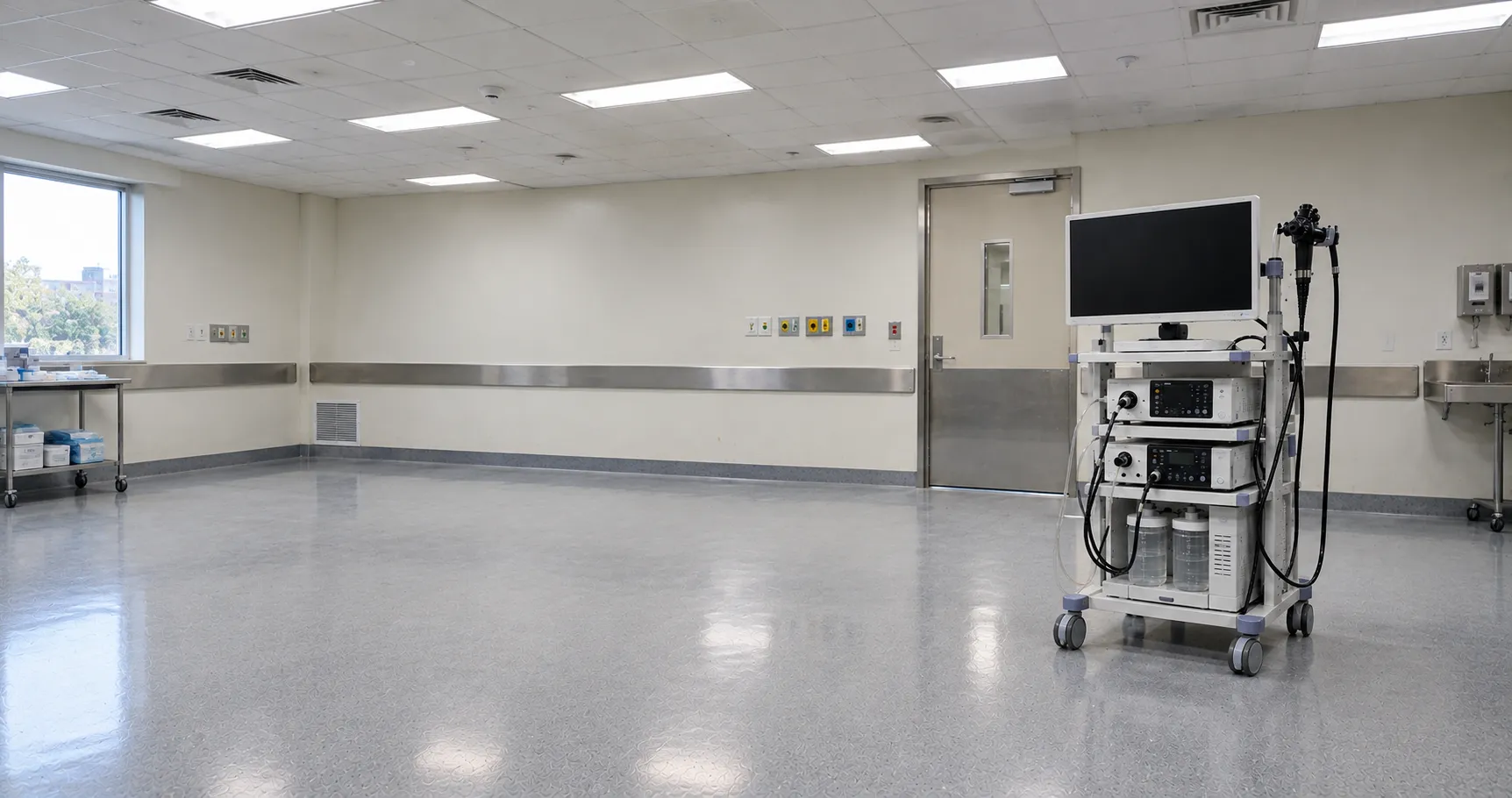
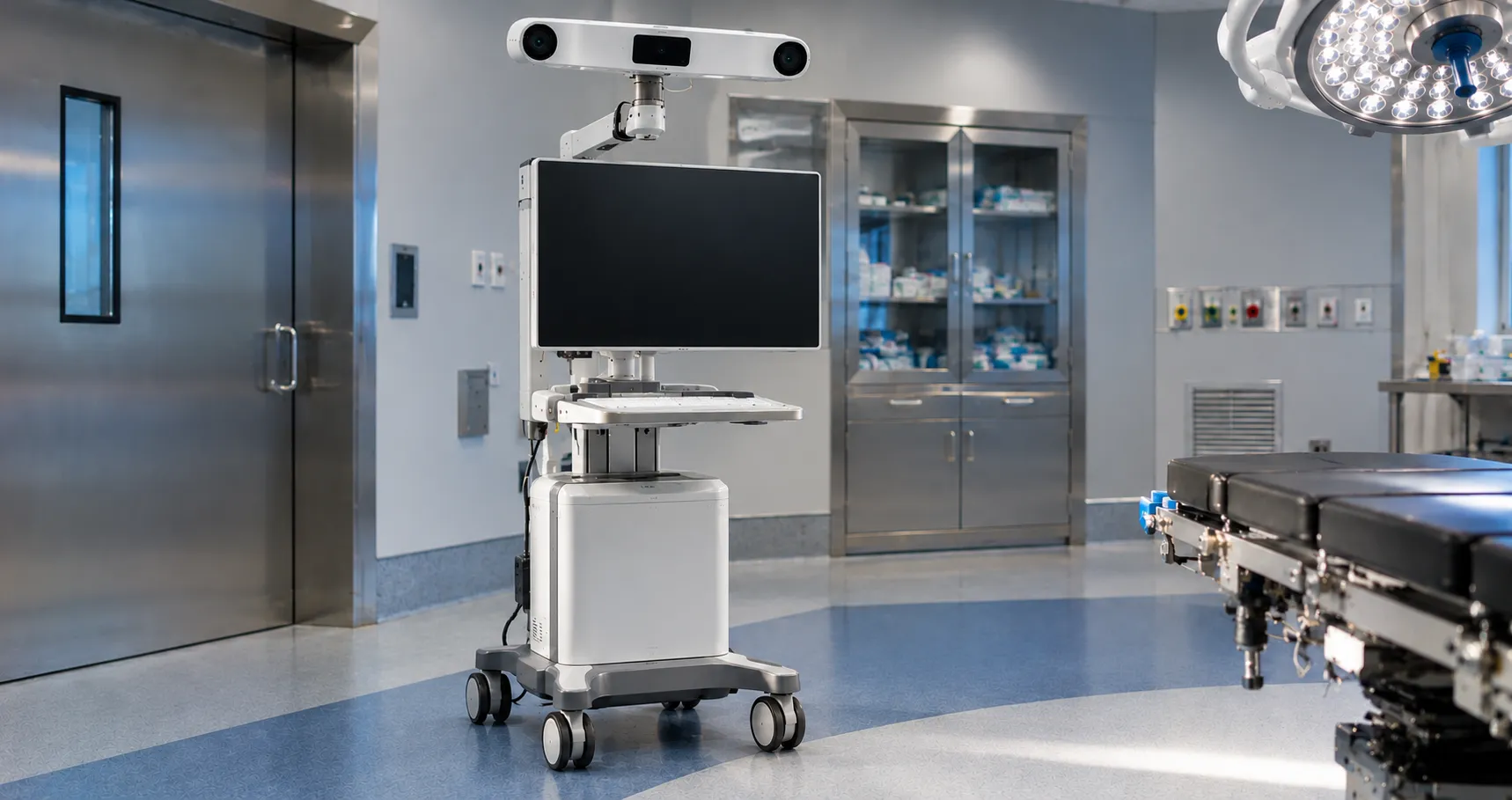
Diagnosis is largely clinical, but where it is uncertain, or the patient is unconscious, intracompartmental pressure is measured. A handheld compartment pressure monitor uses a needle or slit catheter connected to a transducer to read the pressure inside each compartment; a large difference between that pressure and the patient's diastolic or mean arterial pressure supports the diagnosis. Some units use a simple manometer setup and an arterial line transducer instead of a dedicated device, though. However, a purpose-built device is quicker and less error-prone under pressure. Measurements are usually taken in each compartment of the limb, because one compartment can be critically raised while a neighbour reads normally. Buyers should ensure a working pressure monitor with in-date single-use needle sets is stocked in theatres and the emergency department, since the diagnosis often has to be confirmed quickly and out of hours.
The core surgical instrument set
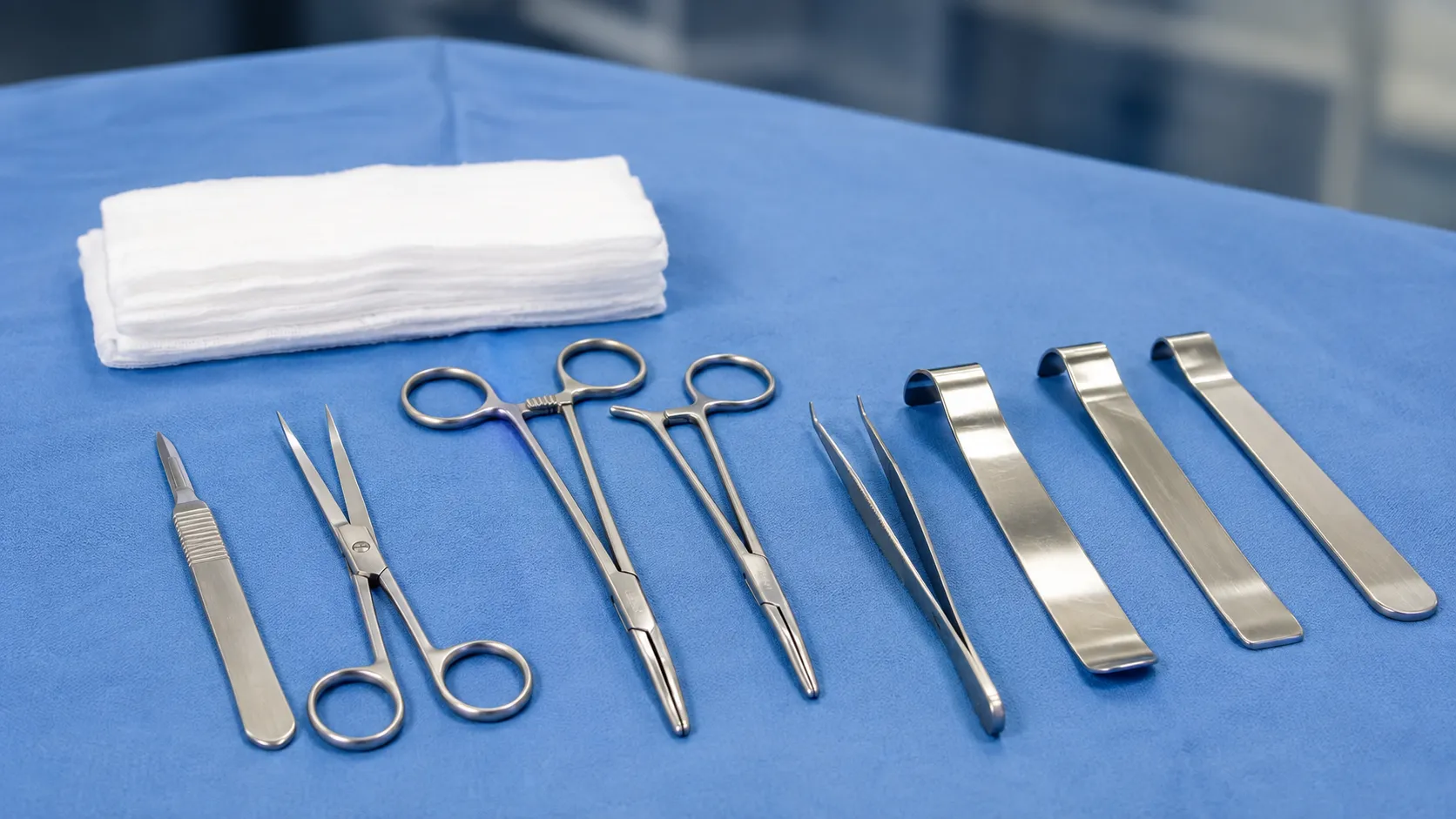
The release itself uses a straightforward general set. A scalpel with a suitable blade makes the skin incision. Long Metzenbaum scissors and heavy Mayo scissors cut and spread the fascia along the compartment, and a fascial elevator or a large curved clamp can be run under the fascia to open it the full length while protecting the muscle. Retractors hold the wound open for exposure: handheld Langenbeck or Czerny retractors, and self-retaining retractors to free the surgeon's hands. Toothed and non-toothed tissue forceps, artery forceps for bleeding points, and diathermy for haemostasis complete the working set. Because fasciotomy is often part of trauma surgery, the set is usually drawn from the standard orthopaedic or general trauma tray rather than a bespoke kit.
Managing the open wound: dressings and closure aids
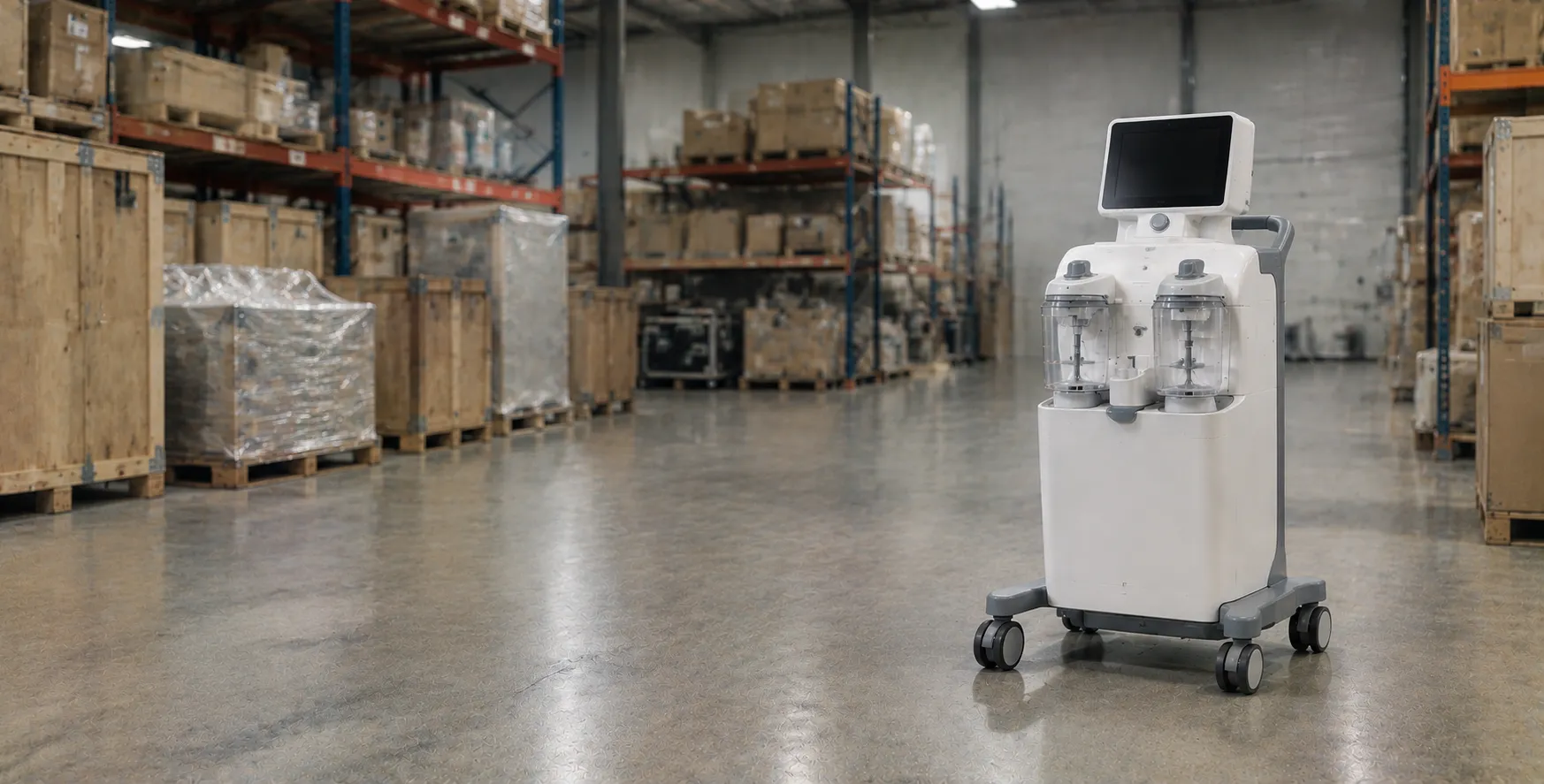
A fasciotomy wound is deliberately left open, because closing it would re-create the pressure the operation relieved. The muscle is covered with a dressing while swelling settles over the following days. Negative-pressure wound therapy is widely used: a sealed foam or gauze dressing connected to a suction pump draws fluid away, reduces oedema and holds the wound edges. Dermatotraction or vessel-loop shoelace techniques gradually draw the skin edges together as swelling falls, using elastic vessel loops threaded through skin staples or sutures. Later, the wound is closed directly or with a skin graft. Buyers should stock negative-pressure therapy consumables, vessel loops, skin staplers and graft-harvest supplies to support the whole pathway, not just the first operation.
Key specifications a buyer must check
For the pressure monitor, check it reads reliably, takes in-date single-use needle or catheter sets, and that spares and calibration are supported. For the surgical set, confirm the instruments are theatre-grade stainless steel, suit the fascial release, and are compatible with your tray configuration and sterilisation cycles. For the open-wound phase, confirm that the negative-pressure system, dressing kits, and canisters match the pumps you run, and that vessel loops and staplers are stocked, because it is emergency surgery; availability out of hours and immediate access matter as much as the specification of any single item.
Standards, regulation and decontamination
Reusable instruments must be theatre-grade and cleaned, inspected and sterilised through a validated decontamination process between uses, with tray integrity checked. The pressure monitor is active electrical equipment governed by the IEC 60601 family, and its single-use needle sets and all wound-therapy consumables are sterile single-use devices carrying UKCA or CE marking that must never be reprocessed. The MHRA regulates these devices in the UK. Because fasciotomy involves blood and body fluids, safe handling and sharps duties under the HSE framework apply. Keep instructions for use and traceability records, especially for pressure-monitor sets and negative-pressure consumables.
Consumables, servicing and total cost of ownership
The capital items are the pressure monitor and the negative-pressure pumps; the recurring costs are the consumable needle sets, dressing kits, canisters, vessel loops, and staples. Model usage against your trauma caseload and hold enough to cover an out-of-hours presentation without delay. Reusable instruments carry a decontamination and periodic-replacement cost rather than a per-case one. Because a stock-out delays a limb-saving operation, reliable supply and immediate availability outweigh small differences in unit price, and we can help you assemble a fasciotomy pathway across measurement, release, and wound care — register as a buyer or explore partnering with us.
Use across care settings.
Fasciotomy is performed wherever acute trauma is managed: major trauma centres, district general hospitals with trauma and orthopaedic services, and emergency theatres. A major trauma centre needs pressure monitors in the emergency department and theatres and a deep stock of wound-therapy consumables, while a smaller unit still needs immediate access to the set to stabilise and release before transfer. Vascular units performing revascularisation keep the set ready because reperfusion can trigger compartment syndrome. Matching stock depth to trauma volume keeps the pathway ready without over-holding consumables a low-volume unit rarely uses.
Procurement checklist
-
Stock a working compartment pressure monitor with in-date single-use needle sets in ED and theatres.
-
Confirm a robust trauma or general set covers scalpel, long scissors, elevators, retractors and forceps.
-
Ensure self-retaining and handheld retractors give wide exposure of the compartment.
-
Hold negative-pressure wound-therapy consumables and canisters matched to your pumps.
-
Stock vessel loops, skin staplers and graft-harvest supplies for staged closure.
-
Confirm UKCA or CE marking, sterile packaging, batch and expiry on all single-use items.
-
Guarantee immediate out-of-hours availability, since delay risks the limb.
Conclusion
Fasciotomy is a time-critical operation that relieves the pressure strangling a muscle compartment, and its equipment splits into three parts: a pressure monitor to confirm the diagnosis, a robust cutting-and-retraction set to perform the release, and negative-pressure therapy plus closure aids to manage the open wound afterwards. Because it is emergency surgery, the priority is immediate availability across the whole patient, not just a single t.a. MediGear can supply the instruments and wound-care items a trauma service needs so a fasciotomy can be done without delay when a limb depends on it.
Disclaimer
This article is for informational purposes only. It is published by MediGear (medigear.uk) for general information and procurement guidance, and is n. It is not medical diagnostic, treatment, technical, engineering, legal, or regulatory advice, nor a product endorsement, guarantee, or substitute for professional assessment. MediGear does not provide medical consultations. Buyers should consult their clinical, biomedical, estates and regulatory contacts, and the manufacturer's documentation, and independently verify all specifications, certifications, compatibility and suitability before purchase. Specifications, certifications and availability are correct at the time of publication and may change without notice. MediGear is a medical-equipment distributor and does not sell medicines or pharmaceutical products.