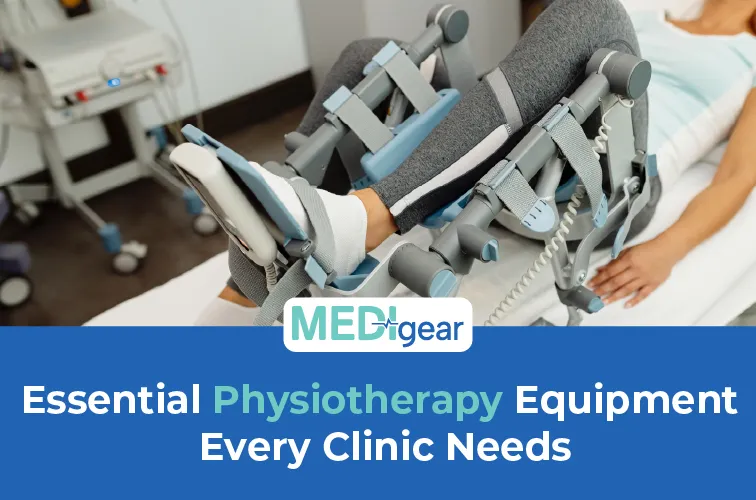
If you are setting up a new physiotherapy clinic or upgrading an existing practice, choosing the right physiotherapy equipment is one of the most important investments you will make. Every treatment session — from manual therapy and electrotherapy to rehabilitation exercises and gait training — depends on tools that deliver consistent performance, patient comfort, and clinical safety. The equipment you stock directly shapes how effectively your team treats patients, how quickly they recover, and how confidently they return to daily life.
This complete guide walks you through the essential categories of physiotherapy equipment, what to look for before buying, how to build a smart clinical toolkit, and why certification and quality should never be compromised. Medigear brings together years of experience supplying certified rehabilitation and therapy equipment to physiotherapy clinics, hospitals, and specialist practices across the UK — helping you build a reliable treatment environment with complete confidence.
What Is Physiotherapy Equipment
Physiotherapy equipment covers a broad range of clinical tools used to assess, treat, and rehabilitate patients with musculoskeletal, neurological, respiratory, and cardiovascular conditions. From treatment plinths and exercise aids to electrotherapy units and hydrotherapy systems, these devices support clinicians in delivering evidence-based care tailored to each patient's needs and recovery goals.
Core Equipment Categories Every Clinic Needs
A well-equipped physiotherapy clinic needs equipment across several key categories. Treatment tables and plinths form the foundation of every session. Electrotherapy devices deliver targeted pain relief and tissue healing. Exercise and rehabilitation tools support strength, flexibility, and balance work. Gait training and mobility aids help patients regain independence. Assessment and diagnostic tools enable accurate clinical evaluation. Hot and cold therapy equipment supports pain management and recovery. Traction devices relieve spinal and joint compression. Ultrasound therapy units promote deep tissue repair.
Treatment Tables and Plinths
Treatment tables are the centrepiece of every physiotherapy clinic. High-quality hydraulic or electric plinths offer adjustable height, tilt sections, and comfortable padding for extended treatment sessions. Look for models with reinforced frames, easy-to-clean upholstery, and smooth height-adjustment mechanisms that let clinicians focus on the patient rather than fighting the furniture. Portable treatment tables suit clinics offering home visits or outreach services.
Electrotherapy Devices
Electrotherapy devices play a vital role in pain management, muscle stimulation, and tissue repair across physiotherapy practice. Common modalities include interferential therapy units for deeper tissue stimulation, ultrasound therapy for soft tissue healing, neuromuscular electrical stimulation for muscle reactivation, and laser therapy for accelerating cellular repair. Clinics treating patients with circulatory conditions alongside rehabilitation will find valuable complementary insights in our complete guide to compression therapy , which covers stockings, pumps, and wraps and explains how graduated pressure supports venous return, reduces swelling, and accelerates recovery alongside physical rehabilitation protocols.
Exercise and Rehabilitation Tools
Exercise and rehabilitation equipment support progressive recovery through strengthening, stretching, balance training, and functional movement. Core items include resistance bands and tubes, therapy balls and balance boards, hand exercisers and grip trainers, parallel bars for gait retraining, weights and pulley systems, and wobble cushions and foam rollers. Building a comprehensive exercise station within your clinic allows therapists to personalise recovery programmes for every patient.
Gait Training and Mobility Aids
Gait training and mobility aids help patients recovering from surgery, injury, or neurological conditions regain safe, independent movement. Essential items include parallel bars, walking frames and rollators, crutches and walking sticks, step-and-stair training platforms, and balance assessment tools. Patients transitioning from clinic-based recovery to home rehabilitation also benefit from supportive devices covered in our guide to essential medical equipment for post-surgery home recovery, creating a smoother journey from treatment room to everyday life.
Assessment and Diagnostic Tools
Assessment and diagnostic tools enable physiotherapists to measure progress, set baselines, and objectively demonstrate outcomes. Key items include goniometers for joint range measurement, dynamometers for grip and muscle strength testing, posture assessment grids, reflex hammers, and tape measures. For clinics offering broader diagnostic services alongside physiotherapy, our complete buyer's guide to ECG machines for clinics applies the same certification and procurement principles as for cardiac equipment.
Hot and Cold Therapy
Hot and cold therapy remains one of the most widely used modalities in physiotherapy practice. Hot packs, paraffin wax baths, and infrared lamps promote blood flow, relax muscles, and ease chronic pain. Cold packs, ice machines, and cryotherapy units reduce acute inflammation, numb pain, and limit tissue swelling after injury. Both modalities are simple, cost-effective, and deeply valued by patients throughout their recovery.
Traction Equipment
Traction equipment plays an important role in physiotherapy clinics treating spinal and cervical conditions. Mechanical and motorised traction units apply controlled pulling force to decompress joints, relieve nerve pressure, and reduce disc-related pain. Modern units offer programmable force profiles, comfortable harness systems, and quiet operation that keeps the treatment environment calm and professional.
Hydrotherapy Equipment
Hydrotherapy and aquatic rehabilitation equipment support recovery for patients who benefit from exercising in water. Hydrotherapy pools, underwater treadmills, and aquatic resistance tools reduce weight-bearing stress while maintaining therapeutic exercise intensity. While not essential for every clinic, hydrotherapy capability adds a premium treatment option that attracts referrals, differentiates your practice, and supports outcomes in orthopaedic, neurological, and chronic pain populations.
Why Quality Matters in Physiotherapy Equipment
Quality matters more in physiotherapy equipment than in almost any other clinical category. Patients interact directly with these devices — lying on tables, gripping resistance tools, standing in parallel bars, wearing electrotherapy pads against their skin. Every touchpoint must feel safe, comfortable, and confidence-building. Cheap equipment that wobbles, creaks, or degrades quickly sends a signal patients notice immediately — and it undermines the clinical trust that referrals depend on. Investing in certified physiotherapy equipment protects your clinic, your patients, and your professional reputation across every treatment you deliver and every referral you receive.
Complete Buying Guide
Before purchasing, it is important to consider factors that genuinely affect clinical performance, safety, and long-term value. Always prioritise CE-marked, MHRA-compliant equipment with proven clinical evidence. Check warranty terms, supplier responsiveness, consumable costs, and training support before committing. One common mistake buyers make is purchasing the cheapest option available without evaluating build quality, certification, or after-sales service — a false economy that costs more in the long run.
Comparing equipment suppliers is just as important as comparing devices. A trusted supplier provides more than a catalogue — they offer clinical insight, product demonstrations, installation support, warranty coverage, and responsive after-sales service. Ask every supplier about traceability, batch certification, replacement policies, and long-term support before placing an order. The relationship you build with your equipment supplier shapes the reliability and longevity of every device in your clinic.
For clinics building a complete procurement strategy, it helps to consider how physiotherapy equipment integrates with wider clinical tools. Our guide to infusion pumps, covering types, uses, and safety tips, explains how fluid and medication delivery support post-operative rehabilitation, while our surgical instruments guide for small clinics covers procurement principles applicable across all equipment categories. Compression therapy devices are particularly relevant to physiotherapy practice — our comprehensive compression therapy guide explains how graduated stockings, pneumatic pumps, and adjustable wraps support venous health, reduce lymphoedema, and complement physical rehabilitation across a wide range of patient conditions.
Maintenance and Care
Maintenance and care routines extend the working life of every physiotherapy device in your clinic. Wipe down treatment tables between patients using approved disinfectants. Inspect electrotherapy cables, pads, and connectors regularly for wear. Calibrate traction units according to manufacturer schedules. Replace resistance bands and exercise accessories before they lose tension or show signs of cracking. A simple weekly maintenance checklist keeps your entire equipment portfolio performing at its best and protects both patients and your investment.
Compliance and Certifications
Always confirm CE marking, ISO 13485 manufacturing standards, and full MHRA compliance when purchasing physiotherapy equipment. These certifications ensure every device meets UK safety, quality, and performance requirements — a non-negotiable baseline for clinical practice, NHS contracts, and professional indemnity insurance. If you are unsure which products carry the correct certifications, you can contact our equipment specialists for tailored guidance.
Latest Innovations in Physiotherapy Equipment
The physiotherapy equipment landscape is evolving rapidly. Smart rehabilitation devices with real-time biofeedback, wearable motion sensors for objective outcome tracking, telerehabilitation platforms for remote patient support, and AI-powered exercise prescription tools are all entering mainstream clinical use. Staying ahead of these developments helps your clinic offer cutting-edge care while maintaining the clinical rigour patients and referrers expect.
Staff Training and Equipment Orientation
Staff training and equipment orientation are often overlooked during procurement. Even the best physiotherapy equipment underperforms if clinicians do not know how to use it optimally. Schedule formal training for every new device, create quick-reference operation guides, and include equipment familiarisation in every new staff induction. Suppliers like Medigear routinely support training alongside installation, ensuring your team gets the most from every investment.
Clinic Layout and Equipment Placement
When planning your clinic layout, think about workflow as carefully as you think about equipment. Place treatment plinths where natural light supports the therapeutic environment. Position electrotherapy stations close to patient changing areas. Arrange exercise zones with enough space for safe movement and supervision. Smart layout decisions amplify the value of every piece of equipment you invest in — making your clinic more efficient, more comfortable, and more clinically effective.
Why Choose Medigear for Physiotherapy Equipment
Medigear supplies certified, clinically trusted physiotherapy equipment backed by transparent pricing, dependable after-sales support, and genuine procurement expertise. Whether you are equipping a brand-new clinic, upgrading ageing stock, or expanding your treatment capabilities, our team helps you build a reliable, certified physiotherapy toolkit from the ground up. Contact our team directly for a personalised recommendation and confident guidance through every step of your equipment journey.
Conclusion
Building the right physiotherapy equipment portfolio shapes the quality, safety, and effectiveness of every treatment your clinic delivers. From treatment plinths and electrotherapy to gait aids and rehabilitation tools, each device must meet the highest standards of certification, comfort, and clinical performance. Medigear stands ready to support physiotherapy clinics with trusted, certified equipment and expert procurement guidance built around your exact needs. Ready to equip your clinic for clinical excellence? Speak to our specialists today and build a rehabilitation toolkit designed for lasting patient outcomes.