Introduction
If you are planning to equip your clinic with reliable cardiac diagnostic tools, choosing the right ECG machines is one of the most important decisions you will make. An electrocardiogram device sits at the heart of every modern practice — quietly delivering the data clinicians depend on to detect arrhythmias, ischaemia, conduction defects, and a wide range of cardiac conditions that shape patient outcomes every single day. The right machine improves diagnostic confidence, accelerates patient throughput, reduces avoidable referrals, and supports better clinical decisions across primary care, cardiology, and emergency settings.
This complete buyer's guide walks you through everything that genuinely matters before you invest. From feature sets and certifications to pricing structures, maintenance routines, and the latest innovations reshaping cardiac care — Medigear brings you a clear, practical view shaped by years of supplying trusted healthcare equipment to clinics, hospitals, and specialist practices across the UK.
What Is an ECG Machine
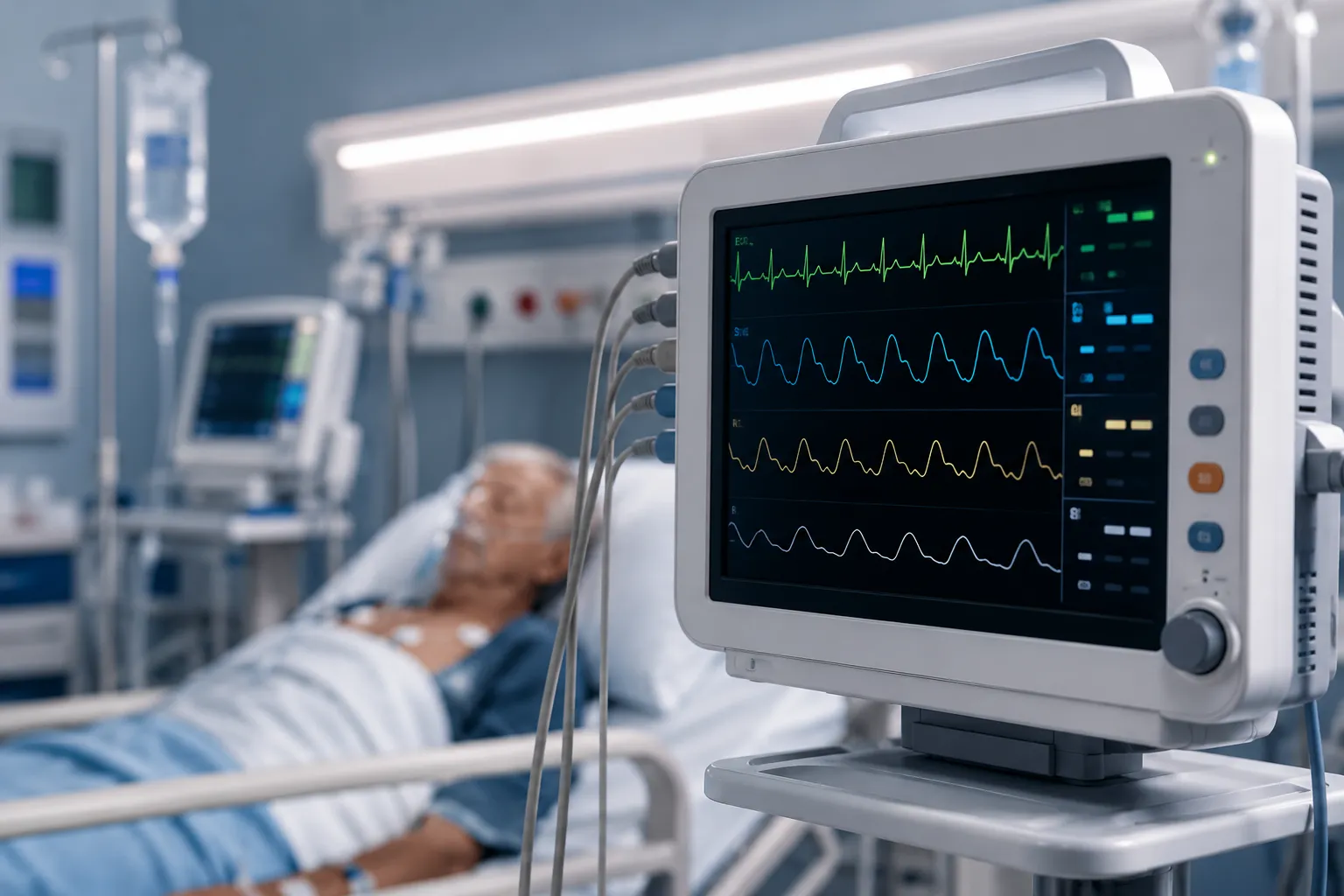
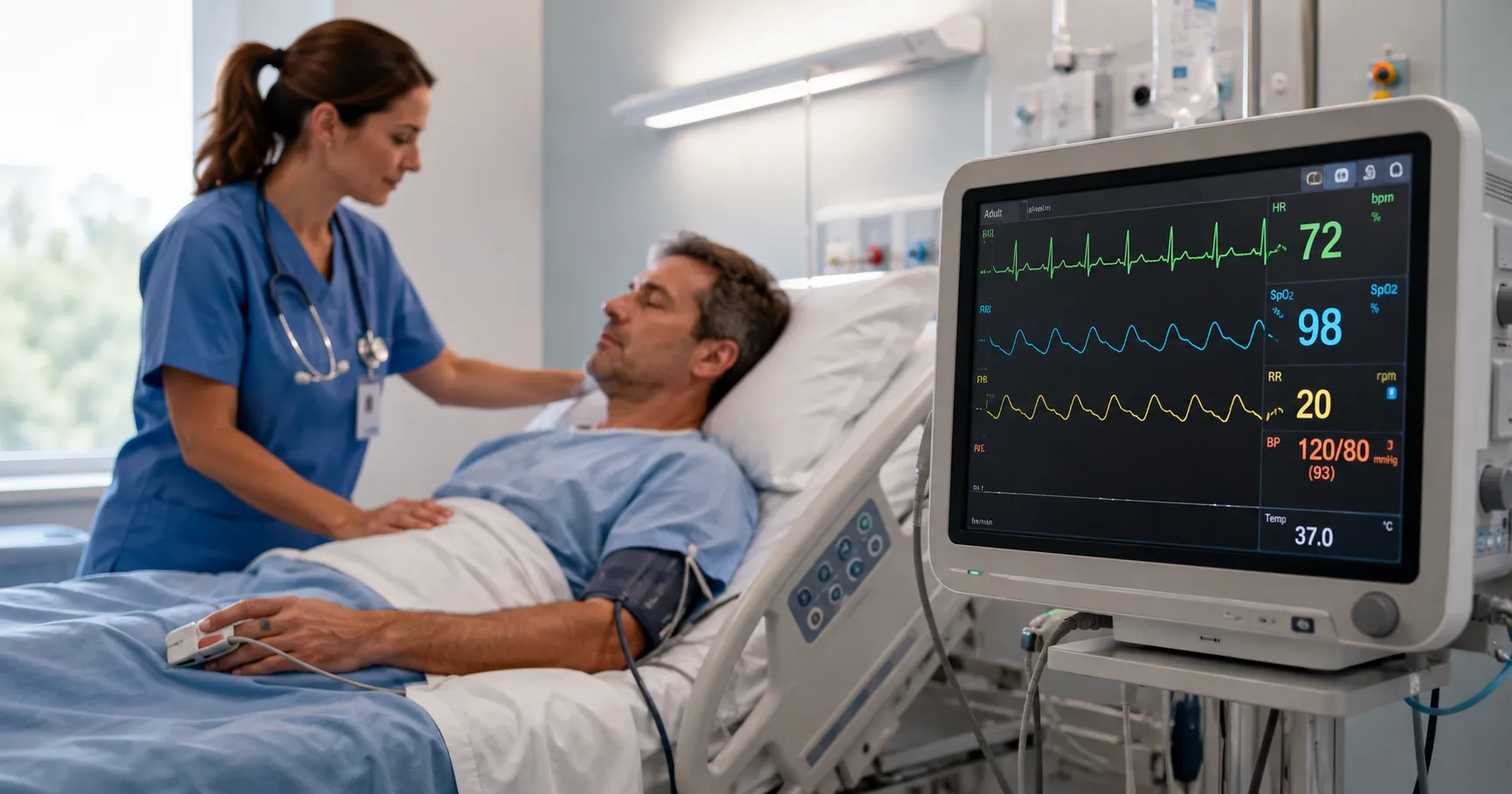
An ECG machine, also known as an electrocardiograph, is a clinical device that records the electrical signals generated by the heart with each beat. By placing electrodes carefully on the patient's skin at standardised positions, the device captures voltage changes across the cardiac cycle and translates them into a visual trace clinicians use to interpret rhythm, rate, and structural performance. This trace becomes the foundation of countless diagnostic decisions made daily across general practice and hospital cardiology departments.
Modern ECG machines are compact, fully digital, and capable of producing high-resolution traces in just a few seconds — a considerable leap forward from older paper-only systems still found in some legacy practices. Today's units combine speed, accuracy, intelligent interpretation software, and seamless data sharing to make cardiac assessment faster, safer, and more reliable than ever before. Choosing one with the right specification ensures your clinic can deliver confident results with every recording.
Clinical Purpose and Applications
ECG machines serve a remarkably wide clinical role across many care environments, from busy GP surgeries to specialist cardiology suites:
- Detecting arrhythmias, heart blocks, and conduction disorders
- Identifying ischaemia, infarction, and previous cardiac events
- Pre-operative cardiac screening for surgical patients
- Monitoring patients on cardiac medications such as beta-blockers
- Routine wellness and health screening in primary care
- Emergency triage in urgent care and walk-in centres
- Long-term cardiac surveillance for patients with chronic conditions
Cardiac monitoring also extends beyond the clinic walls. Patients recovering from procedures at home often benefit from coordinated diagnostic and monitoring support, much like the devices outlined in our guide to essential medical equipment for post-surgery home recovery. In every clinical scenario, accuracy, repeatability, and reliability matter more than anything else — and the equipment behind the trace is what makes those qualities possible.
Key Features and Technology
Before purchasing, it is important to consider which features genuinely impact daily clinical workflow rather than chasing specifications you will rarely use. The right combination saves time, reduces user error, and improves diagnostic confidence across every shift:
- 12-lead recording with crystal-clear signal quality and minimal artefact
- Built-in interpretation software offering instant diagnostic support
- Bright touchscreen display with intuitive, multilingual controls
- Wireless connectivity and seamless EMR or PACS integration
- Generous internal memory for storing thousands of patient records
- Long-lasting battery for portable, ward, and bedside use
- Advanced noise filtering for cleaner traces in busy environments
- Auto-calibration and lead-off detection for safer operation
Each of these features directly affects how quickly your clinical team can deliver accurate, defensible results to patients waiting on a diagnosis or treatment decision.
How an ECG Machine Works
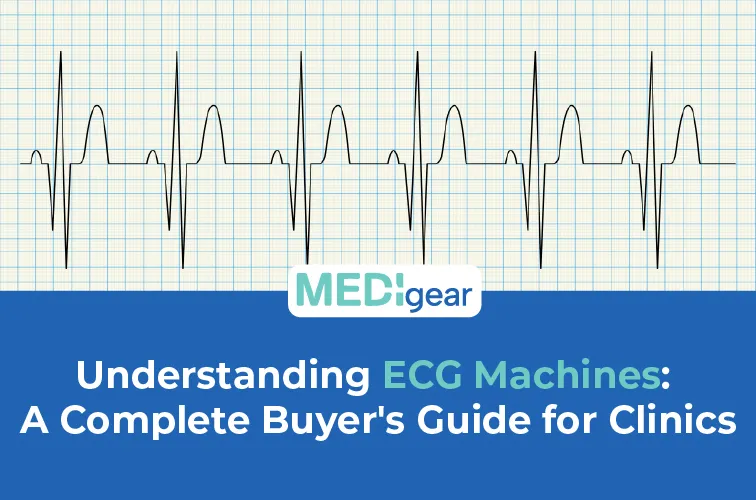
Electrodes placed on the chest, arms, and legs detect the small electrical impulses created when the heart muscle depolarises with each beat. These raw signals are amplified to a usable level, filtered to remove noise from muscle movement and electrical interference, and then digitised into the familiar PQRST waveform clinicians know well. The processed trace can then be stored, printed, or transmitted directly to clinical software for review by a GP, nurse, or consultant cardiologist.
The entire process takes only seconds — but the quality of the underlying hardware, electrodes, and software ultimately determines whether the resulting trace is reliably diagnostic or potentially misleading.
Types of ECG Machines Available
- Resting ECG machines for everyday clinic and surgery use
- Stress test ECG systems paired with treadmills or ergometers
- Holter monitors for 24–48 hour ambulatory recording
- Portable handheld units for home visits, rural care, and outreach
- Wireless and telemedicine-ready devices for remote diagnostics
- Multi-parameter cardiac systems for advanced cardiology suites
Each type serves a distinct clinical purpose, and most clinics benefit from a thoughtful mix rather than a single unit attempting to cover every scenario.
Benefits of ECG Machines for Clinics
A well-chosen ECG machine improves diagnostic speed, reduces unnecessary referrals to secondary care, supports earlier intervention, and strengthens patient trust in your practice. For busy clinics, it also lifts overall efficiency by integrating cleanly with electronic patient records — freeing clinicians from paperwork and allowing more focus on patient care, communication, and clinical reasoning.
The right device also helps clinics expand the range of in-house services, from routine cardiac screening to preoperative assessment and long-term chronic care management. If you are unsure which configuration best fits your practice, the Medigear team is always happy to help. You can get in touch with our equipment specialists for tailored guidance based on your patient volume, clinical priorities, and budget.
Complete ECG Buying Guide
One common mistake buyers make is focusing only on the headline price. Instead, evaluate every machine against your real clinical workload, patient demographics, integration needs, and long-term service expectations. Look closely at warranty terms, after-sales support quality, consumable availability, software upgrade pathways, and the supplier's track record with healthcare clients. Ask suppliers about training, installation, calibration, and ongoing technical support before signing anything.
A cheaper machine with poor support quickly becomes the most expensive option in the long run. It is also worth thinking about continuity of care — many clinics that invest in ECG diagnostics also equip patients with supportive recovery tools, similar to those covered in our post-surgery home recovery equipment guide, creating a smoother journey from diagnosis through to full rehabilitation.
Pricing Insights and Investment Value
ECG machine pricing varies significantly by channel, software features, and connectivity options. Entry-level 3-channel units suit small clinics with lower throughput, while 12-channel interpretive systems offer richer diagnostic data for cardiology-focused practices and hospital departments. Total cost of ownership — including electrodes, paper rolls, servicing contracts, and software upgrades — matters far more than the initial price tag. Treat your ECG machine as a long-term clinical investment, not a one-off purchase.
Maintenance, Care and Operational Safety
Regular calibration, careful electrode handling, and timely software updates keep ECG machines accurate and safe throughout their working life. Schedule annual servicing through certified engineers, follow manufacturer cleaning protocols precisely, and replace consumables before they degrade trace quality. Well-maintained equipment lasts longer, performs more reliably, and protects both your patients and your clinical reputation.
Compliance and Certifications Explained
Always confirm CE marking, ISO 13485 manufacturing standards, and full MHRA compliance before purchasing any cardiac diagnostic device. These certifications protect your clinic, your patients, and your professional standing — and they remain non-negotiable for NHS-aligned procurement and private practice insurance requirements alike.
Comparing ECG Machines With Alternatives
While portable single-lead consumer devices have a useful role in basic screening, they cannot replace clinical 12-lead machines for serious diagnostic decision-making. Smartwatches and wearables offer convenience for patients, but their accuracy and lead coverage fall short of what clinicians need for confident interpretation and clinical action.
Latest Innovations in ECG Technology
AI-assisted interpretation, cloud-connected diagnostics, and ultra-portable wireless units are rapidly reshaping how clinics deliver cardiac care. New machines now offer automated rhythm classification, instant remote sharing with cardiologists, and seamless integration with telemedicine platforms — making faster, smarter diagnosis genuinely possible across every clinical setting, from rural surgeries to specialist hospital wards.
Why Choose Medigear for ECG Equipment
Medigear supplies certified, clinically trusted ECG machines backed by expert guidance, transparent pricing, and dependable after-sales support — helping clinics build reliable cardiac diagnostic capability with full confidence. Our team understands the real challenges clinics face when sourcing equipment and works alongside you to make procurement simple, transparent, and stress-free from start to finish. To discuss your specific requirements or request a tailored quote, simply contact our team directly and we will match you with the right solution for your practice.
Conclusion
Choosing the right ECG machine shapes the quality of cardiac care your clinic delivers every single day. From resting models to wireless systems, each option brings unique clinical strengths — but certification, reliability, and diagnostic accuracy must always lead the decision. Medigear stands ready to support clinics with trusted, certified ECG equipment and the expert procurement guidance needed to make confident purchasing choices. Ready to upgrade your diagnostic capability? Speak to our specialists today and equip your practice with diagnostic tools built for the future of healthcare.