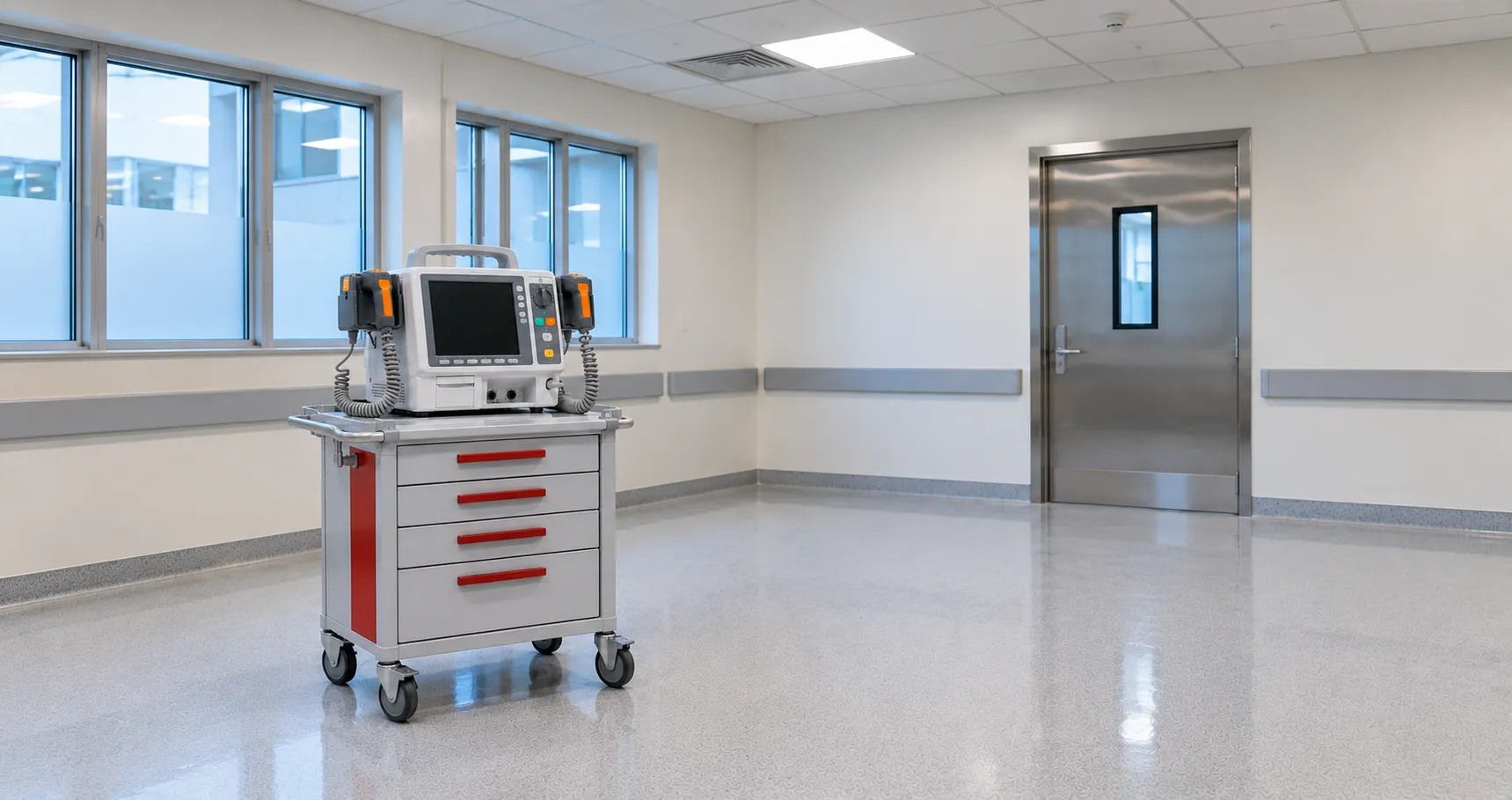
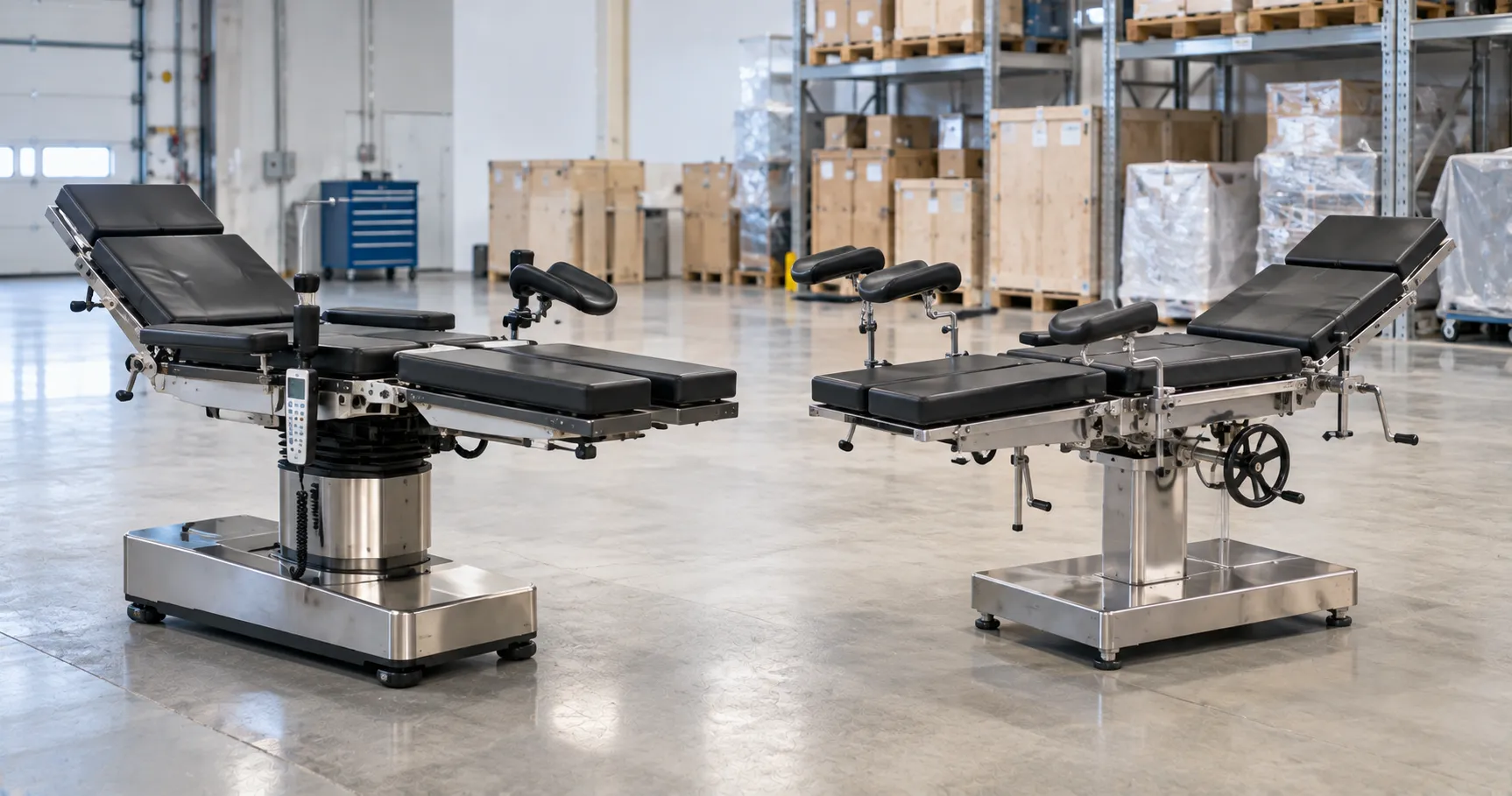
Capital equipment decisions rarely affect only one department inside a healthcare facility. A financing agreement signed for diagnostic imaging, patient monitoring systems, surgical infrastructure, or laboratory automation can influence staffing plans, operational flexibility, maintenance budgets, and even long-term expansion strategy.
Healthcare organisations are increasingly moving away from the assumption that every major equipment purchase must be funded entirely through direct capital spending. Rising technology costs, rapid software evolution, and increasing demand for connected healthcare systems have pushed financing into mainstream procurement planning.
For many hospitals, clinics, and diagnostic centres, financing is no longer viewed as a backup option. It has become part of a broader operational strategy designed to preserve liquidity while supporting modernisation.
Facilities exploring procurement planning support often review the purchasing guidance available through Medigear.uk's buyer.
Why Financing Models Are Reshaping Healthcare Procurement
Medical technology evolves faster than many healthcare budgeting cycles. Equipment purchased today may require integration upgrades, cybersecurity updates, cloud connectivity expansion, or software enhancements within only a few years.
This has changed how procurement teams evaluate ownership.
Preserving Working Capital – Large upfront purchases can place pressure on operational reserves that may also be needed for staffing, facility improvements, compliance upgrades, or emergency preparedness.
Accelerating Technology Adoption – Financing often enables organisations to modernise sooner, rather than postponing equipment replacement across multiple budget cycles.
Reducing Procurement Delays – Recurring payment structures are sometimes easier for healthcare leadership teams to approve compared to major one-time expenditures.
Facilities comparison modernisation strategies may also find value in Medigear. UK's previous article on operational budgeting pressures, "Hidden Costs of Buying Medical Equipment."
Leasing Continues To Remain Popular Across Healthcare
Leasing remains one of the most widely used financing methods for healthcare equipment procurement.
Rather than purchasing equipment outright, facilities pay scheduled instalments across a defined agreement period. This approach may reduce immediate financial pressure while improving budgeting predictability.
Supporting Faster Replacement Cycles – Leasing can help healthcare providers replace ageing systems more frequently without waiting for full asset depreciation.
Simplifying Budget Forecasting – Fixed monthly structures may improve the consistency of financial planning for administrators managing multiple operational departments.
Reducing Initial Capital Exposure – Some lease agreements require significantly less upfront investment than traditional purchasing.
However, lease agreements vary substantially between providers. Some include servicing and software updates, while others separate maintenance obligations.
Healthcare providers evaluating diagnostic expansion strategies sometimes compare financing flexibility with workflow planning, as noted in "Portable X-Ray Machines: Benefits and Applications."
Equipment Loans Appeal To Long-Term Ownership Strategies
Facilities planning to use equipment for extended periods of operation often prefer loan-based financing.
Unlike leasing, equipment loans generally result in full ownership once repayment is completed.
Building Long-Term Asset Value – Durable systems with long operational lifespans may provide a stronger long-term return on investment over their ownership period.
Improving Customisation Freedom – Owned equipment may offer greater flexibility for integration, modification, or workflow adaptation.
Reducing Long-Term Financing Dependence – Once repayment ends, organisations continue to operate the equipment without recurring financing obligations.
Loan approval decisions commonly depend on revenue stability, organisational credit history, projected patient demand, and operational performance.
Vendor Financing Is Becoming More Competitive
Many medical equipment suppliers now offer direct financing programs or partner with specialised healthcare finance providers.
This trend has simplified procurement workflows for many healthcare organisations.
Combining Procurement and Financing Discussions – Vendor-supported financing can reduce administrative delays by consolidating purchasing and financial coordination.
Bundling Operational Services – Some agreements include installation support, maintenance coverage, software licensing, or operator training as part of the financing structure.
Creating Upgrade Flexibility – Certain financing programs allow facilities to replace equipment before the agreement term ends.
Organisations comparing supplier capabilities and procurement partnerships may explore broader sourcing opportunities through Medigear.UK suppliers.
Subscription-Based Access Is Expanding In Digital Healthcare
Subscription-style equipment access models are increasingly visible, particularly for digitally connected healthcare technologies.
Instead of focusing on ownership, facilities pay recurring operational fees that may include:
-
Equipment access
-
Technical support
-
Software platforms
-
Preventive maintenance
-
Cybersecurity updates
-
Cloud connectivity
-
Workflow analytics
This model is increasingly relevant in healthcare environments where technology evolves rapidly.
Reducing Obsolescence Pressure – Subscription agreements may help organisations avoid long-term commitments to systems that are likely to require replacement sooner.
Improving Access To Software Innovation – Connected healthcare technologies often receive ongoing feature enhancements under subscription structures.
Healthcare organisations exploring broader collaboration in healthcare infrastructure sometimes connect through Medigear.UK Partners.and advertising through medigear.UK Advertise.
Financing Decisions Should Match Equipment Lifespan
One of the most overlooked procurement mistakes occurs when the financing term exceeds the equipment's practical life.
A facility may still be paying for technology that no longer supports operational efficiency.
Balancing Repayment With Operational Value – Financing agreements should realistically align with the expected equipment lifespan, upgrade requirements, and patient demand trends.
Evaluating Maintenance Exposure Carefully – Older financed equipment may eventually create rising servicing costs before repayment obligations end.
Avoiding Workflow Bottlenecks – Outdated systems can slow reporting speed, reduce diagnostic throughput, and impair integration performance.
Facilities reviewing equipment modernisation strategies often compare lifecycle planning discussions alongside Medigear. UK's article" How Digital Radiography Is Transforming Healthcare."
Monthly Payments Do Not Tell The Full Financial Story
Healthcare buyers sometimes compare financing proposals based primarily on the instalment size while overlooking broader contract terms.
This can create operational limitations later.
Important areas requiring review include:
-
Early repayment penalties
-
Upgrade restrictions
-
Insurance obligations
-
Service exclusions
-
End-of-term conditions
-
Software licensing requirements
-
Equipment return clauses
-
Replacement flexibility
A lower monthly payment may ultimately lead to higher ownership costs if operational flexibility is restricted.
Smaller Healthcare Providers Often Depend On Financing
Independent clinics, speciality centres, and emerging healthcare facilities frequently rely on financing to remain technologically competitive.
Without structured financing, many smaller providers may struggle to expand diagnostic capabilities or modernise patient care infrastructure.
Supporting Faster Service Expansion – Financing can help facilities with specialities build large capital reserves.
Improving Patient Workflow Capacity – Modern equipment may enable faster diagnostics, shorter wait times, and greater operational efficiency.
Helping Facilities Compete Regionally – Access to newer technology can strengthen service positioning in competitive healthcare markets.
Healthcare providers needing procurement clarification or financial planning support can contact the Medigear.uk team via the Medigear contact page.
Procurement Teams Are Increasingly Thinking Beyond Ownership
Healthcare financing trends are gradually shifting procurement strategy toward lifecycle adaptability rather than permanent ownership alone.
Many organisations now prioritise:
-
Operational scalability
-
Predictable budgeting
-
Upgrade flexibility
-
Technology refresh planning
-
Reduced capital concentration
-
Service integration
-
Workflow continuity
This shift is especially visible in imaging, digital diagnostics, laboratory automation, and connected patient monitoring systems.
Facilities reviewing procurement comparison methods may also benefit from Medigear UK's article "How to Compare Medical Equipment Quotations Effectively"
Disclaimer
Medigear.uk is a medical equipment supplier and distributor. We do not provide medical advice, diagnosis, or treatment recommendations. All information is for educational and product awareness purposes only. Qualified medical professionals should always make healthcare decisions.