Home healthcare has transformed the way people manage daily wellness and long-term care needs. From monitoring vital signs to supporting mobility and respiratory care, home medical devices help individuals and caregivers handle routine healthcare activities more conveniently.
With a growing range of products available, selecting reliable home medical devices can feel challenging. Factors such as ease of use, durability, maintenance requirements, and long-term value all play an important role in the decision-making process.
This guide explores practical considerations to help healthcare buyers and families make informed equipment choices.
Understanding Home Medical Devices
Home medical devices are products designed to assist with monitoring, mobility, daily living, and supportive healthcare activities outside traditional healthcare settings.
Common categories include:
-
Blood pressure monitors.
-
Pulse oximeters.
-
Digital thermometers.
-
Oxygen concentrators.
-
Mobility aids.
-
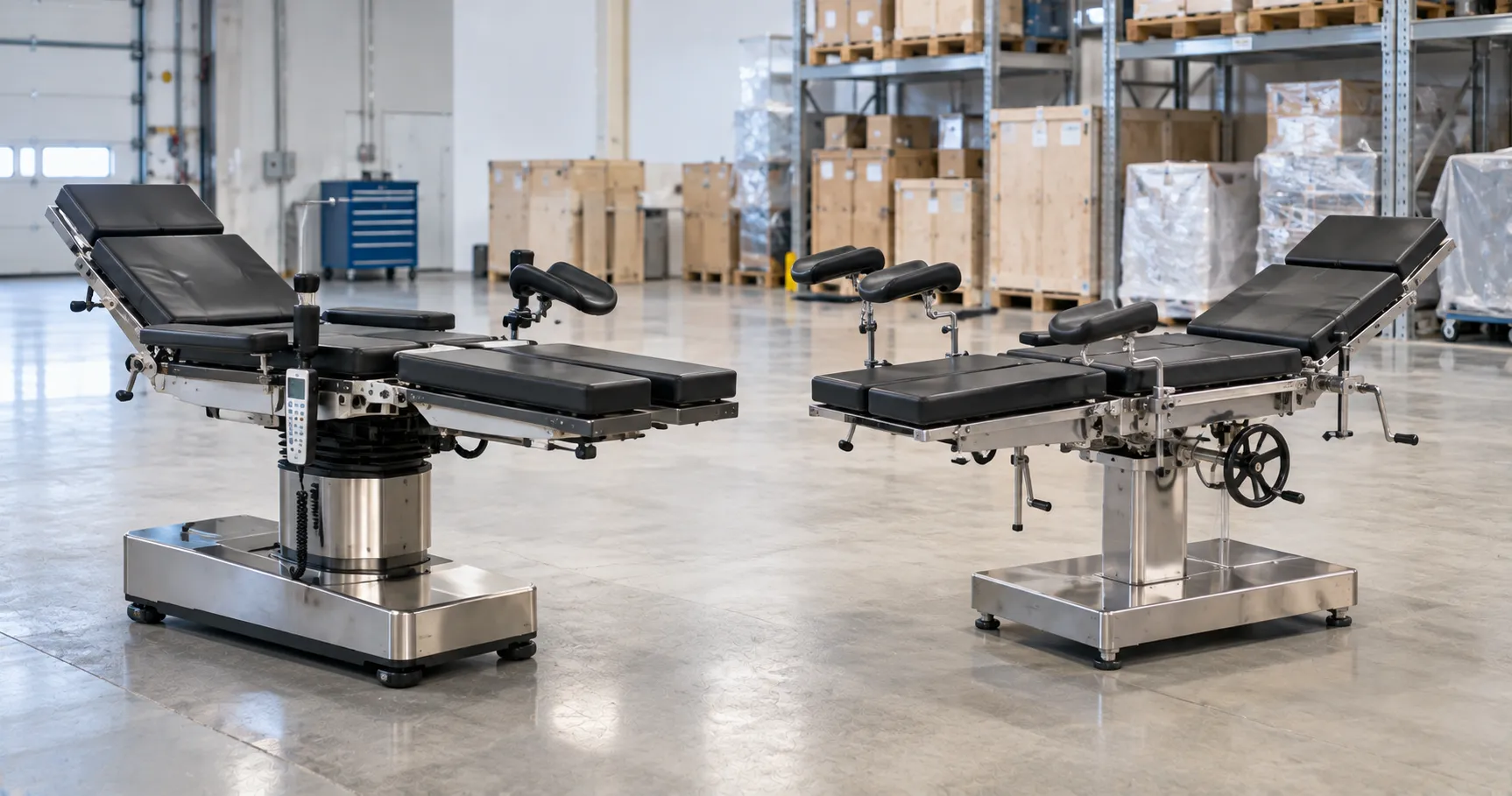
Adjustable home care beds.
-
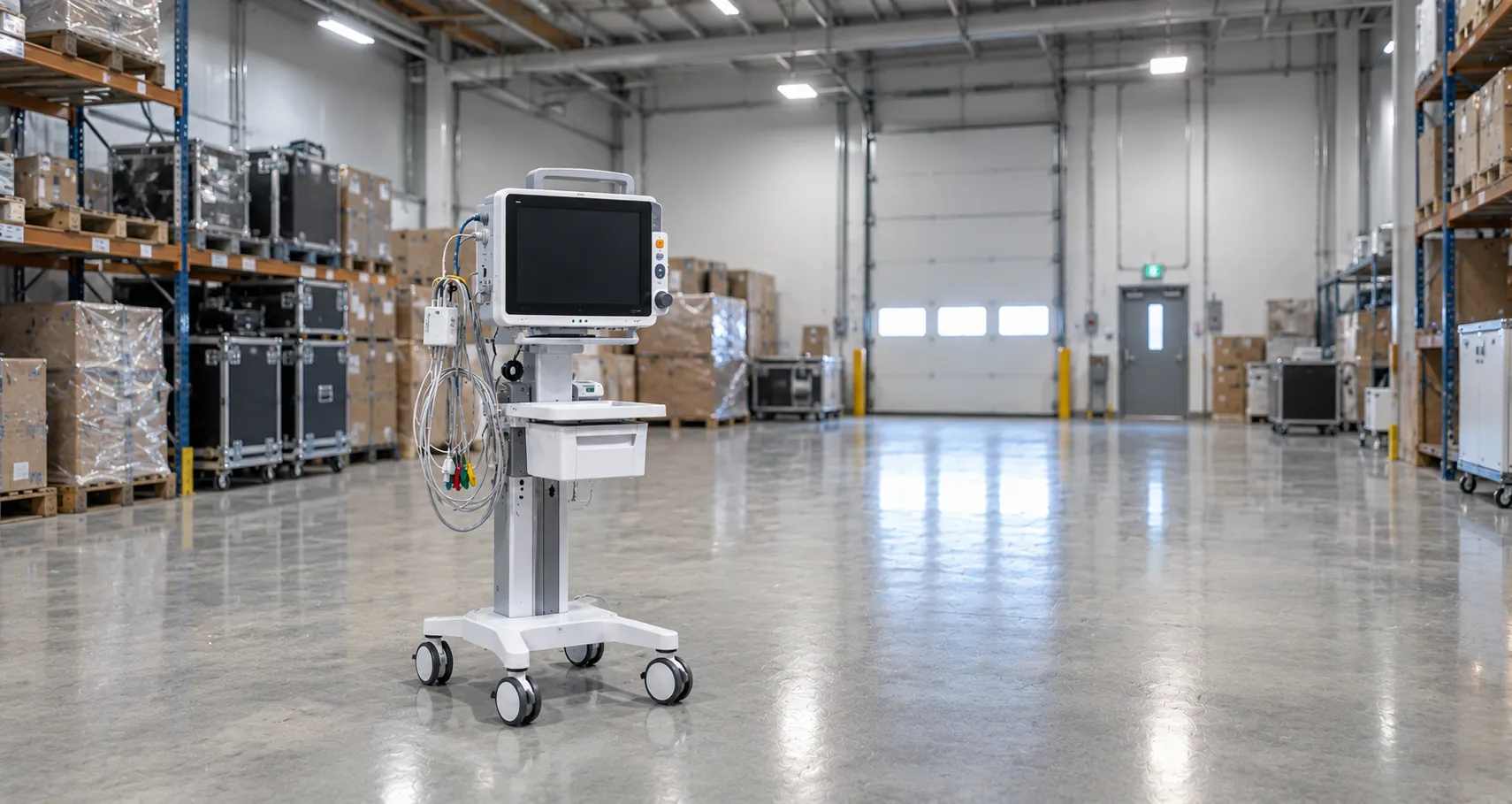
Patient monitoring devices.
-
Daily living assistance products.
Different devices serve different needs, making careful selection important.
Start by Identifying Individual Requirements
Choosing equipment begins with understanding the intended purpose.
Considering Daily Activities – Equipment should fit into everyday routines.
Planning for Long-Term Use – Future mobility or healthcare needs may change over time.
Evaluating Home Space – Devices should fit comfortably within the available environment.
Supporting Caregivers – Equipment should simplify routine assistance where needed.
Healthcare organisations and buyers exploring sourcing opportunities can discover more through buyer services.
Look for User-Friendly Designs
A simple operation can improve the overall experience for both users and caregivers.
Important features include:
Clear Display Screens – Easy-to-read information.
Simple Controls – Straightforward operation reduces complexity.
Portable Construction – Lightweight equipment improves flexibility.
Comfortable Handling – Ergonomic designs support regular use.
Easy-to-use equipment may encourage consistent daily operation.
Consider Build Quality
Reliable home medical devices are designed for repeated use.
Durable Materials – Quality construction supports longevity.
Stable Components – Secure fittings improve reliability.
Protective Casings – Help reduce accidental damage.
Well-Designed Accessories – Compatible components simplify maintenance.
Equipment durability contributes to long-term value.
Evaluate Maintenance Requirements
Every home medical device requires some level of ongoing care.
Cleaning Procedures – Regular cleaning helps maintain the condition of the equipment.
Battery Maintenance – Rechargeable systems need routine attention.
Filter Replacement – Some devices require periodic filter changes.
Routine Inspections – Functional checks help identify wear early.
Simple maintenance routines can improve equipment lifespan.
Check Portability
Many home medical devices are designed for flexible use.
Portable features may include:
-
Compact size.
-
Lightweight construction.
-
Rechargeable batteries.
-
Carrying handles.
-
Protective travel cases.
Portability enables use in different locations around the home and while travelling.
Healthcare suppliers interested in expanding their market reach can learn more through business suppliers.
Review Safety Features
Safety considerations are an important part of equipment selection.
Alarm Systems – Audible or visual notifications may assist users.
Stable Construction – Secure designs reduce accidental movement.
Locking Mechanisms – Improve equipment stability.
Protective Covers – Help prevent accidental contact with sensitive components.
Built-in safety features can improve confidence during daily use.
Think About Future Needs
Healthcare requirements can change over time.
When choosing home medical devices, consider:
-
Equipment adaptability.
-
Expansion options.
-
Accessory compatibility.
-
Long-term maintenance.
-
Replacement part availability.
Flexible equipment choices may reduce the need for future replacements.
Balancing Cost and Long-Term Value
The lowest purchase price may not always represent the best investment.
Consider:
Operating Costs – Energy consumption and consumables.
Maintenance Expenses – Routine servicing and replacement parts.
Equipment Lifespan – Durable products may provide greater long-term value.
Ease of Repairs – Accessible servicing can simplify ownership.
Looking beyond the initial cost helps support informed purchasing decisions.
Healthcare organisations interested in partnership opportunities can discover: business partners.
Industry Trends
Home medical technology continues to develop rapidly.
Current innovations include:
Smart Connectivity – Supports digital information sharing.
Wireless Operation – Improves convenience.
Compact Equipment Designs – Save space.
Energy-Efficient Systems – Reduce operating costs.
Integrated Monitoring Features – Simplify healthcare management.
Businesses looking to strengthen their healthcare industry presence can explore: business advertise
For procurement support and product enquiries, assistance is available through the Contact Team.
Building a Practical Home Healthcare Setup
Reliable home medical devices can help create a safer, more organised home healthcare environment. Whether selecting monitoring equipment, mobility aids, or supportive care products, careful planning helps ensure that equipment meets current and future requirements.
Considering usability, durability, maintenance, portability, and long-term value can help buyers and caregivers make practical decisions while supporting everyday healthcare activities.
Disclaimer:
Medigear.uk is a medical equipment supplier and distributor. We do not provide medical advice, diagnosis, or treatment recommendations. All information is for educational and product awareness purposes only. Qualified medical professionals should always make healthcare decisions.