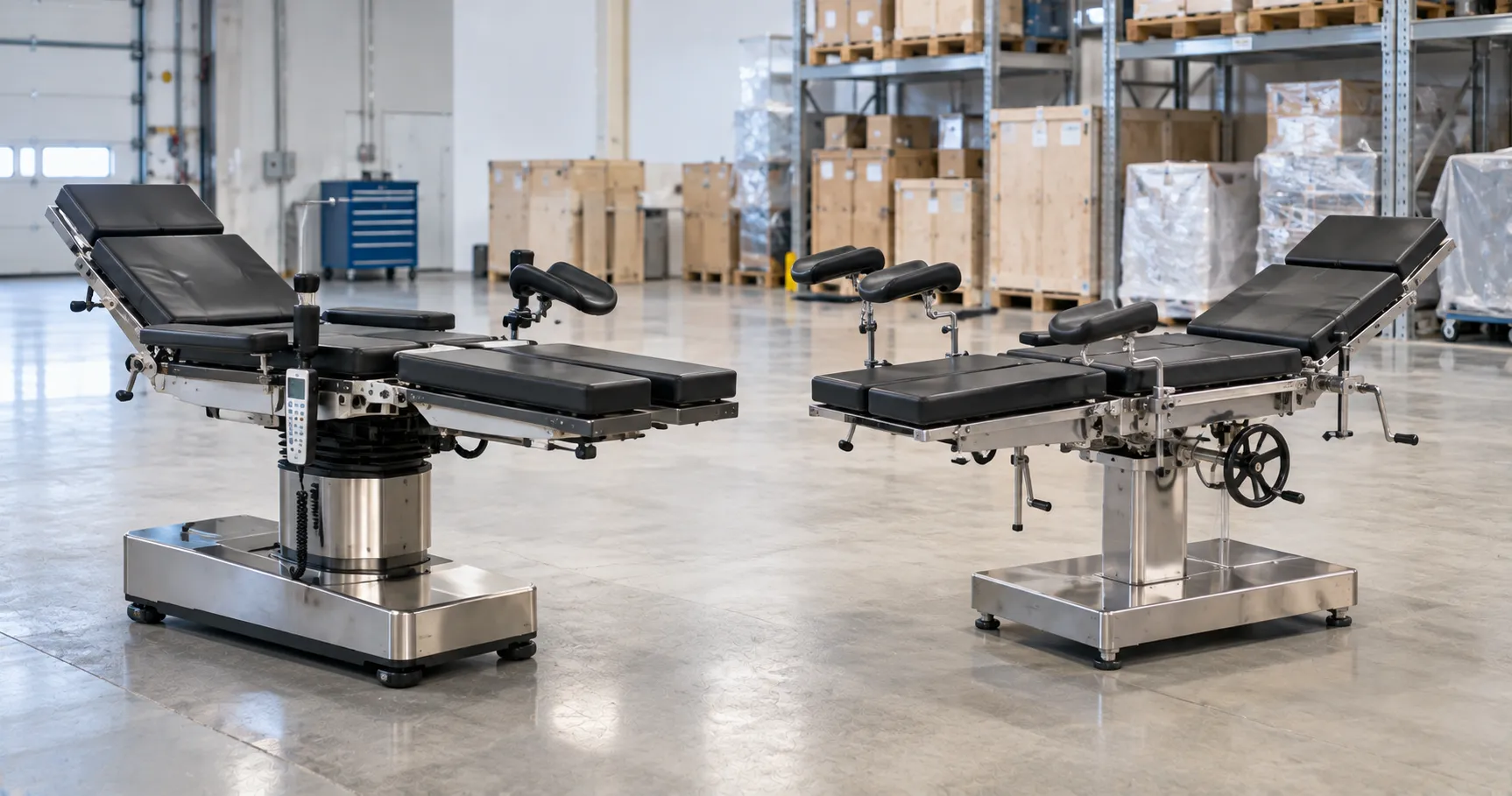
Global healthcare procurement has become far more complex than simply finding a supplier overseas and negotiating pricing. Hospitals, diagnostic centres, laboratories, and healthcare distributors now operate in a market shaped by shipping volatility, regulatory pressure, currency fluctuations, and changing manufacturing networks across multiple regions.
For many healthcare organisations, international sourcing is no longer only about cost reduction. Procurement teams increasingly focus on supply continuity, technical reliability, servicing support, compliance documentation, and long-term operational stability when sourcing medical equipment internationally.
A successful sourcing strategy requires balancing affordability with reliability while reducing procurement risks that can affect patient care, operational efficiency, and financial planning.
Healthcare buyers evaluating global procurement structures often explore sourcing support resources through Medigear. buyers.
Why Healthcare Equipment Sourcing Has Become More Strategic
International sourcing decisions now influence much more than inventory availability. Procurement choices can affect installation timelines, equipment uptime, maintenance support, and long-term operational budgeting.
Several industry shifts have increased sourcing complexity:
-
Rising transportation costs
-
Global component shortages
-
Longer customs clearance timelines
-
Stricter regulatory documentation
-
Increased cybersecurity expectations
-
Regional manufacturing concentration
-
Currency exchange instability
As a result, healthcare procurement teams increasingly evaluate supply resilience rather than relying solely on the lowest quotation.
Facilities researching broader budgeting and lifecycle planning may also benefit from reading Medigear.uk’s previous article on “Hidden Costs of Buying Medical Equipment.”
Building Supplier Diversification Into Procurement Planning
One of the biggest sourcing risks in healthcare procurement is overdependence on a single international supplier or manufacturing region.
Relying entirely on one sourcing channel can create operational disruption during:
-
Shipping delays
-
Political instability
-
Trade restrictions
-
Manufacturing shutdowns
-
Raw material shortages
-
Port congestion
Regional sourcing balance – Many procurement teams now divide purchasing across multiple regions rather than concentrating it in one country. This strategy helps reduce operational exposure during supply chain disruptions.
Dual-supplier planning – Critical equipment categories such as patient monitoring systems, imaging accessories, laboratory analysers, and ICU support devices are often sourced through secondary backup suppliers to improve continuity.
Long-term procurement stability – Multi-source procurement structures may reduce pressure to purchase on an emergency basis during unexpected shortages.
Healthcare organisations looking to strengthen supplier relationships and sourcing networks often collaborate through Medigear. suppliers.
Evaluating More Than Manufacturing Cost
Lower factory pricing does not automatically lead to lower operational costs.
International procurement decisions should account for:
-
Freight expenses
-
Customs duties
-
Warehousing requirements
-
Installation support
-
Compliance certification
-
Consumable availability
-
Replacement part logistics
-
Technical servicing infrastructure
Some buyers discover that low-cost imports can be operationally expensive when service delays, downtime, or limited technical support disrupt workflow continuity.
Procurement teams comparing overseas quotations often apply lifecycle analysis instead of acquisition-cost analysis alone. Medigear.uk previously explored this approach in “How to Compare Medical Equipment Quotations Effectively.”
Compliance Verification Must Begin Before Ordering
Regulatory complications remain one of the most overlooked risks in international healthcare sourcing.
Equipment that lacks proper compliance documentation may face import delays, operational restrictions, or rejection of certification upon arrival.
Documentation accuracy matters – Buyers should verify regulatory certificates, test reports, calibration records, and safety documentation before approving shipment.
Country-specific requirements – Compliance standards differ between regions, meaning documentation accepted in one market may not satisfy another.
Cybersecurity validation – Connected healthcare systems increasingly require software security verification and update support.
Import coordination – Procurement teams often work with customs specialists and technical consultants to reduce clearance complications.
Healthcare businesses exploring international procurement partnerships and industry collaboration opportunities can connect through Medigear. Partners and advertising through Medigear. advertise.
Freight Planning Is Now Part of Equipment Procurement
Shipping has become a major operational variable in healthcare sourcing.
Lead times that once lasted a few weeks may now extend considerably depending on:
-
Manufacturing backlog
-
International freight availability
-
Customs inspection delays
-
Port congestion
-
Specialised handling requirements
Air freight vs sea freight decisions – Faster transport may reduce downtime pressure for urgent healthcare needs, while slower shipping may improve budgeting for planned procurement cycles.
Protective packaging requirements – Sensitive diagnostic equipment often requires temperature protection, vibration control, and reinforced packaging.
Inventory buffer strategies – Many healthcare organisations maintain larger reserves of consumables and spare parts to reduce operational interruptions.
Facilities reviewing equipment continuity strategies may also find value in Medigear.uk’s article “Medical Equipment Financing Options for Healthcare Facilities.”
Technical Support Availability Should Influence Sourcing Decisions
International procurement becomes risky when local servicing infrastructure is weak.
Even reliable equipment eventually requires:
-
Preventive maintenance
-
Calibration
-
Software updates
-
Replacement components
-
Emergency repairs
Regional technical coverage – Procurement teams increasingly evaluate whether suppliers maintain local engineering support or authorised servicing partners.
Replacement component logistics – International spare-part delays can significantly increase equipment downtime.
Training support access – Effective onboarding improves operational efficiency and reduces user-related servicing issues.
Healthcare organisations often prioritise sourcing partners that provide stronger after-sales continuity over acquisition cost alone.
Currency Volatility Can Affect Procurement Budgets
Exchange rate fluctuations may significantly affect total purchasing costs in international transactions.
Healthcare procurement teams commonly monitor:
-
Currency conversion timing
-
Multi-stage payment structures
-
International banking charges
-
Import taxation changes
-
Long-term contract pricing stability
Fixed-price agreements – Some buyers negotiate currency protection clauses to reduce budgeting unpredictability.
Procurement timing strategies – Large equipment investments are sometimes scheduled around favourable exchange periods.
Financial forecasting importance – Long procurement cycles increase exposure to currency movement.
Budget planning discussions increasingly combine sourcing analysis with financial forecasting rather than treating them separately.
Sustainability Is Becoming Part of Global Procurement Decisions
Healthcare organisations are placing greater emphasis on environmental and operational sustainability in their sourcing strategies.
This includes evaluating:
-
Energy efficiency
-
Packaging waste reduction
-
Equipment lifespan
-
Upgrade compatibility
-
Refurbishment potential
-
Consumable dependency
Longer operational lifespan – Durable systems may reduce the frequency of replacements and procurement pressure.
Efficient logistics planning – Consolidated shipping structures can lower transportation complexity and waste.
Lifecycle-focused procurement – Sustainability discussions increasingly overlap with operational cost reduction strategies.
Healthcare procurement is gradually shifting from short-term acquisition thinking toward broader operational sustainability models.
Strengthening Communication Across International Supply Chains
Communication failures often create larger sourcing problems than pricing disagreements.
Procurement teams now prioritise:
-
Clear delivery schedules
-
Written technical documentation
-
Defined warranty obligations
-
Real-time shipment updates
-
Escalation procedures
-
Installation coordination
Documentation transparency – Detailed agreements reduce disputes regarding servicing, accessories, training, or integration responsibilities.
Time-zone coordination – International suppliers operating across different regions may require structured communication workflows.
Operational responsiveness – Fast issue resolution can significantly reduce disruption to healthcare workflows.
Organisations needing procurement clarification or sourcing assistance can contact the Medigear.uk support team through Contact Medigear.Support.
How Modern Healthcare Procurement Teams Reduce International Sourcing Risk
Many healthcare buyers now use structured sourcing frameworks instead of informal purchasing decisions.
Common sourcing evaluation areas include:
-
Supplier diversification
-
Compliance verification
-
Logistics planning
-
Service infrastructure analysis
-
Consumable dependency review
-
Currency risk assessment
-
Technical integration capability
-
Replacement part availability
-
Cybersecurity support
-
Lifecycle operational cost forecasting
This broader procurement strategy helps healthcare organisations improve operational resilience while reducing long-term sourcing uncertainty
Disclaimer
Medigear.uk is a medical equipment supplier and distributor. We do not provide medical advice, diagnosis, or treatment recommendations. All information is for educational and product awareness purposes only. Healthcare decisions should always be made by qualified medical professionals.