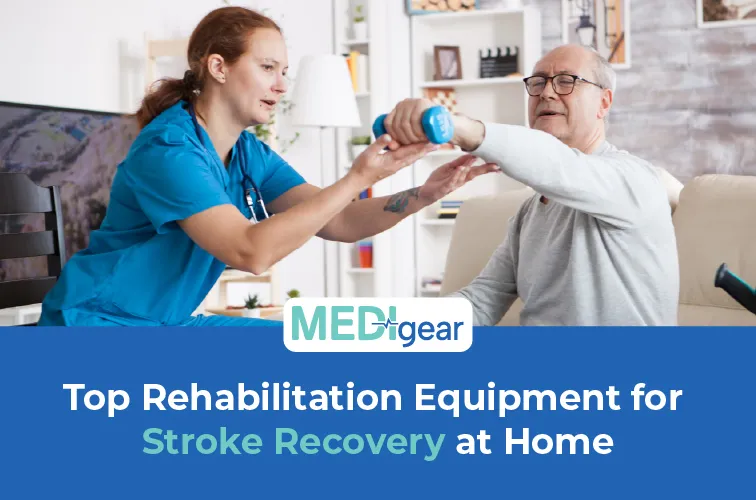
Stroke changes everything in an instant. One moment, life moves at its normal pace. Next, simple tasks like holding a cup, standing from a chair, or speaking a full sentence become mountains to climb. For the thousands of UK families navigating this reality, the journey home from hospital marks both a relief and a challenge — because recovery does not stop at discharge. It truly begins there.
The right rehabilitation equipment turns a living room into a recovery space. It gives stroke survivors the tools to rebuild strength, retrain movement, and reclaim independence at their own pace. And for carers, it provides structure, safety, and the confidence that progress is genuinely possible. This guide breaks down the equipment that makes the biggest difference — practically, clinically, and emotionally.
Medigear has spent years helping families and clinicians find certified recovery equipment that works. Not gimmicks. Not guesswork. Devices backed by clinical evidence, built for real homes, and trusted across the UK.
Understanding the Stroke Recovery Path
Stroke recovery follows a path that looks different for every patient. Some regain mobility within weeks. Others face months of focused rehabilitation. The common thread is repetition — practising movements over and over until the brain rewires itself through neuroplasticity. Home rehabilitation equipment supports this process by making daily practice safe, structured, and measurable.
Upper Limb Rehabilitation Equipment
Upper limb recovery is often the hardest part of stroke rehabilitation. Weakness, spasticity, and reduced coordination in the arm and hand affect everything from eating to dressing. Hand therapy putty, finger exercisers, grip strengtheners, and spring-loaded hand trainers help gradually rebuild fine motor control. Arm pedal exercisers encourage larger shoulder and elbow movement without putting strain on weakened joints.
A simple hand therapy kit sitting on the kitchen table becomes a daily reminder to practise. Five minutes here, ten minutes there — the consistency matters more than the duration.
Lower Limb and Mobility Equipment
Lower-limb and mobility equipment helps stroke survivors move safely through their homes and begin walking again with confidence. Pedal exercisers strengthen leg muscles while seated. Ankle-foot orthoses support a weakened drop foot during walking. Walking frames, rollators, and quad sticks provide stability while rebuilding balance and coordination. Step platforms and balance boards prepare patients for stairs, kerbs, and uneven ground.
Falls remain one of the biggest risks during stroke recovery at home. The right mobility aids reduce that risk dramatically while encouraging gradual independence rather than dependence.
Balance and Coordination Training
Balance and coordination training equipment bridges the gap between supported movement and independent function. Wobble boards, balance cushions, foam pads, and standing frames challenge the body to stabilise itself — retraining the neural pathways that were disrupted by stroke. These tools are simple, affordable, and remarkably effective when used consistently under clinical guidance.
Electrical Stimulation Devices
Electrical stimulation devices are gaining ground in home stroke rehabilitation. Functional electrical stimulation units send targeted pulses to weakened muscles, helping them contract and relearn movement patterns. These devices work particularly well for drop foot, wrist extension, and shoulder subluxation. Clinics treating patients alongside rehabilitation will also find relevant insights in our complete guide to compression therapy covering stockings, pumps, and wraps, which explains how graduated pressure supports circulation in stroke patients at risk of deep vein thrombosis during recovery.
Communication and Cognitive Recovery Tools
Communication and cognitive recovery tools support patients dealing with aphasia, memory loss, and concentration difficulties after stroke. Speech therapy apps, picture communication boards, memory games, and cognitive exercise workbooks all play a role in rebuilding these essential daily skills. While equipment alone cannot replace a speech therapist, the right tools extend therapy into everyday life between sessions.
Daily Living Aids
Daily living aids make the practical side of stroke recovery safer and less frustrating. Adapted cutlery, non-slip mats, dressing aids, long-handled reachers, raised toilet seats, and shower seats help survivors manage personal care independently. These items protect dignity, reduce carer burden, and build the kind of small daily confidence that fuels bigger recovery milestones. For a broader look at home recovery essentials beyond stroke, our guide to essential medical equipment for post-surgery home recovery covers complementary devices that support safe, comfortable healing at home.
Nutrition and Hydration Support
Nutrition and hydration support equipment also plays a part in stroke recovery at home. Adapted drinking cups with dual handles, plate guards, weighted cutlery, and non-slip placemats help survivors eat and drink independently. Mealtimes are deeply personal, and the ability to feed yourself without assistance restores a sense of normality that clinical exercises alone cannot provide.
Bathroom and Bedroom Safety
Bathroom and bedroom safety equipment deserves special attention during stroke recovery. Grab rails, shower stools, bath boards, raised toilet seats, and bed rails reduce the risk of falls in the two areas where most home injuries occur. These installations are affordable, simple to fit, and make an immediate difference to safety and confidence from the very first day a stroke survivor returns home.
Positioning and Seating Equipment
Positioning and seating equipment support patients who spend extended periods sitting during early recovery. Specialist cushions prevent pressure sores, supportive backrests maintain posture, and wedge pillows assist with safe sleeping positions. Proper positioning reduces secondary complications, improves comfort, and supports circulation — something often overlooked in favour of more visible rehabilitation tools.
Carer Support Equipment
Carers play an enormous role in stroke recovery, and the equipment they use matters just as much. Transfer belts, patient hoists, adjustable beds, and pressure-relief cushions protect both the carer's body and the patient's safety during daily routines. Carer fatigue and injury are real risks that the right equipment significantly reduces — something every family should factor into their rehabilitation budget from day one.
Measuring Progress
Measuring progress keeps stroke survivors motivated and helps clinicians adjust therapy plans. Simple tools like grip dynamometers, goniometers, and timed walking tests provide objective data that shows improvement even when the patient cannot feel it yet. Seeing real numbers move in the right direction is one of the most powerful motivators in any recovery journey.
Home Exercise Programmes
Home exercise programmes prescribed by therapists work best when patients have access to the right equipment at home. Resistance bands, therapy putty, and pedal exercisers are inexpensive, space-efficient, and clinically proven. They transform a corner of any room into a functional rehabilitation station — no specialist facility required. The key is consistency, not complexity, and the right tools make daily practice feel achievable rather than overwhelming.
Physiotherapy and occupational therapy remain the backbone of stroke recovery, and home equipment supports — never replaces — that professional input. The ideal setup gives patients the means to practise between sessions, reinforcing what their therapists teach and accelerating the brain's natural rewiring process. Our physiotherapy equipment guide for clinics covers the clinical side of this equation, helping practices build certified rehabilitation environments that connect directly with home-based recovery plans.
The Emotional Side of Recovery
Here is something most rehabilitation guides will not tell you — the emotional environment matters as much as the physical one. Equipment that is easy to use, visually unintimidating, and simple to set up encourages patients to engage with their exercises. Devices that feel clinical, complicated, or painful to look at often end up gathering dust in a cupboard. When choosing rehabilitation equipment, always consider the patient's emotional readiness alongside their clinical needs.
Buying Guide
Before investing in stroke recovery equipment, take time to assess the patient's specific deficits with their physiotherapist or occupational therapist. Not every stroke survivor needs every device. A targeted approach — focusing on the functions that matter most to the individual — delivers better outcomes than filling a room with tools that go unused.
Always prioritise CE-marked, MHRA-compliant equipment from trusted suppliers. Check weight limits, material quality, and safety features carefully. Ask about return policies and replacement parts. A well-chosen piece of equipment lasts through the entire recovery journey and beyond.
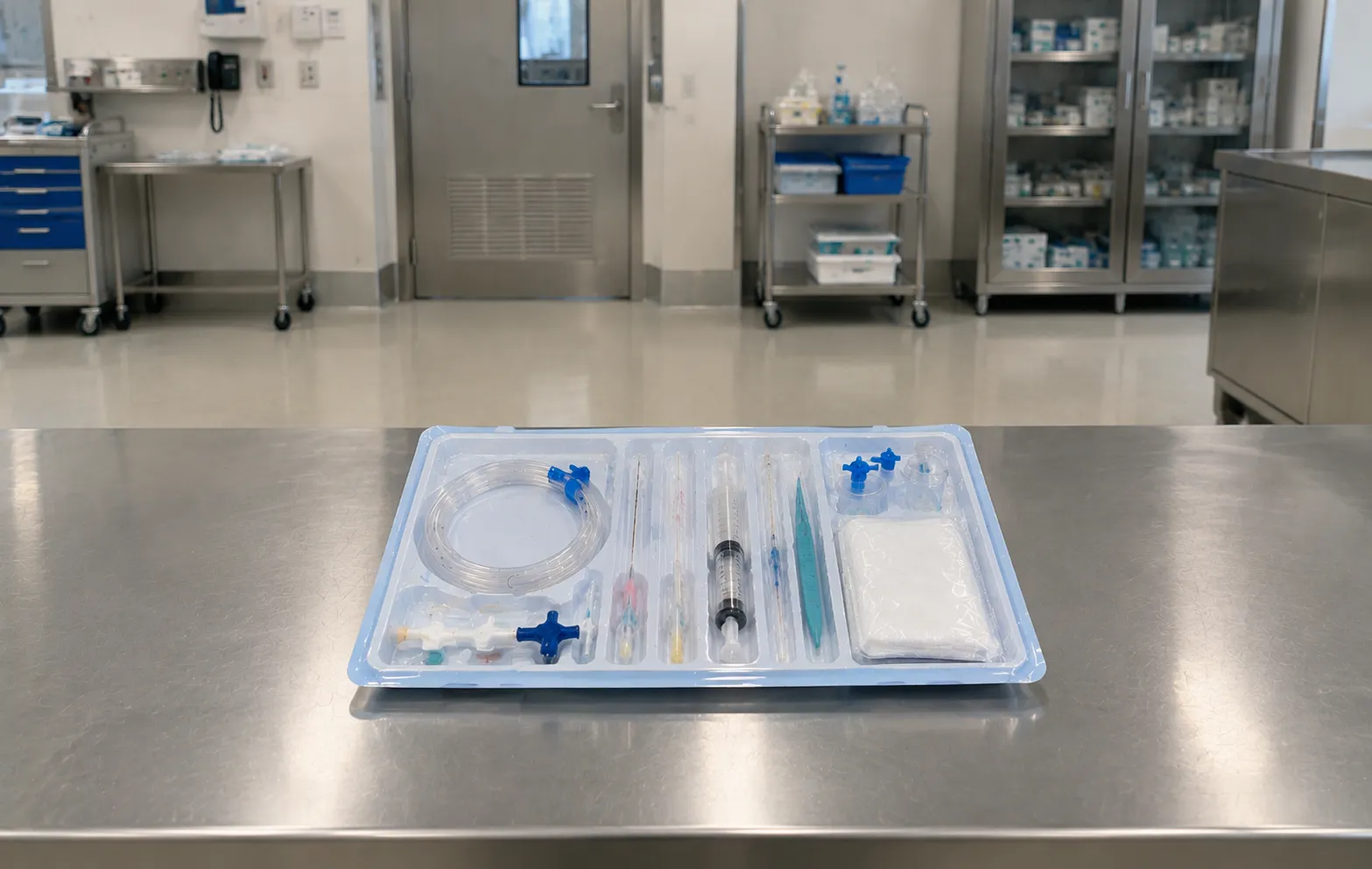
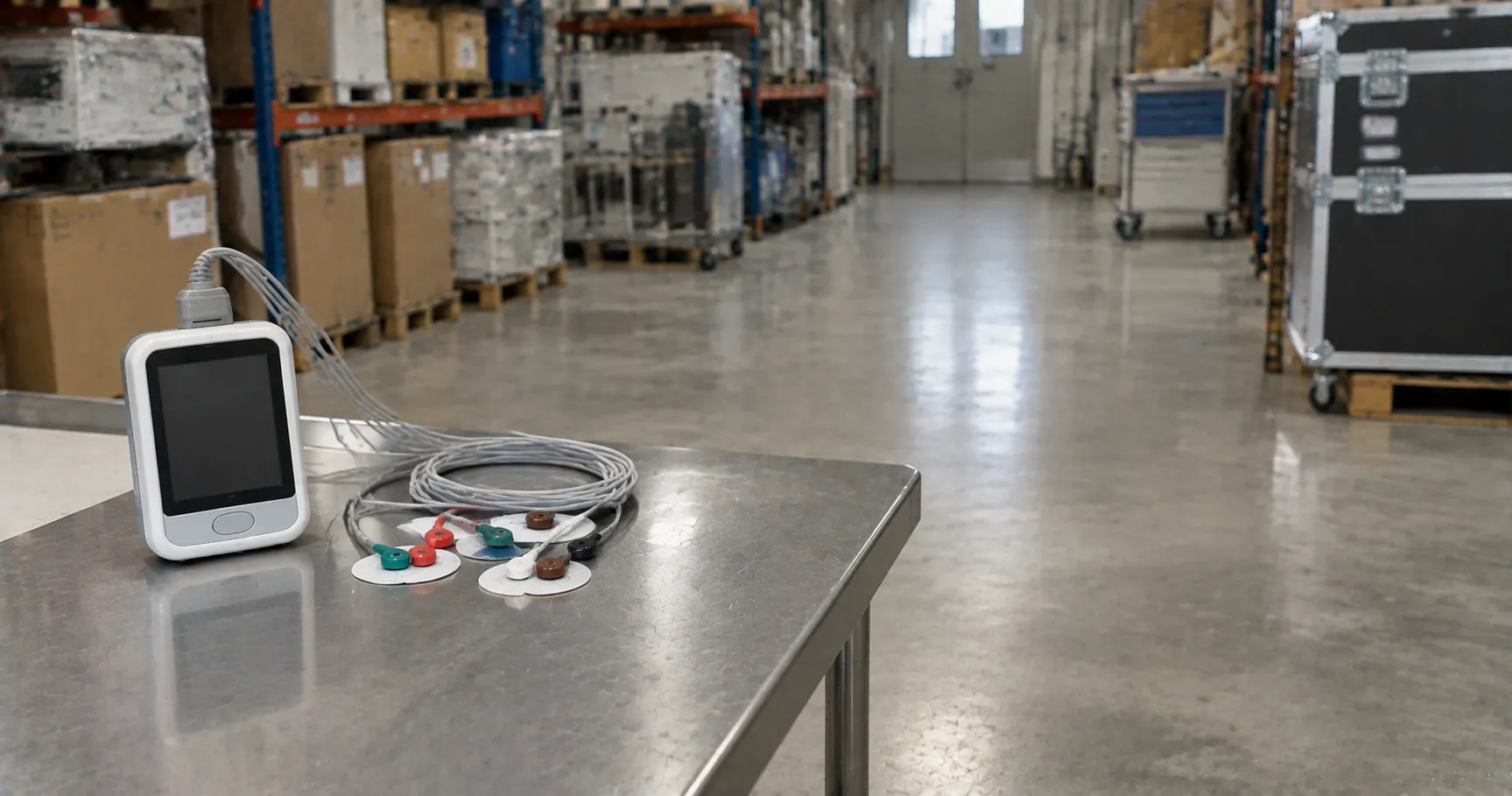
For clinics supporting stroke patients with broader diagnostic and therapeutic needs, our complete buyer's guide to ECG machines for clinics covers cardiac monitoring equipment essential for post-stroke surveillance. Our guide to infusion pumps, covering types, uses, and safety tips, explains how certified infusion devices support safe medication delivery alongside rehabilitation.
Setting up a stroke recovery space at home does not need to be overwhelming. Start with the essentials — a stable walking aid, a hand therapy kit, and a seated pedal exerciser. Add balance equipment and electrical stimulation as confidence and strength improve. Think of the setup as a toolkit that evolves alongside the patient rather than a fixed installation.
Latest Innovations
Stroke rehabilitation technology is moving fast. Smart devices with motion tracking, app-connected exercise platforms, gamified rehabilitation programmes, and telerehabilitation tools are making home recovery more engaging, more measurable, and more effective than ever before. These innovations do not replace human therapy — they extend it throughout the day, turning passive downtime into active recovery.
Why Choose Medigear for Stroke Recovery Equipment
Choosing the right supplier matters as much as choosing the right equipment. Medigear supplies certified, clinically trusted rehabilitation equipment backed by transparent pricing, honest advice, and dependable support. Whether you are a stroke survivor, a family carer, or a clinician developing a home rehabilitation plan, our team helps you find exactly what you need — nothing more, nothing less. Reach out to our team directly for a recommendation shaped around your recovery goals.
Conclusion
Stroke recovery at home is a journey of patience, persistence, and the right support. The equipment you choose makes that journey safer, more structured, and more hopeful — giving survivors the tools to rebuild and carers the confidence to help. Medigear stands beside families and clinicians with certified, trusted rehabilitation equipment and honest, expert guidance shaped around real recovery needs. Ready to build a recovery space that truly works? Speak to our team today and take the next step toward confident, supported stroke recovery at home.