If you are setting up or upgrading a small clinic, selecting the right surgical instruments is one of the most important procurement decisions you will face. Every procedure — from minor wound closure to biopsy, drainage, or excision — depends on instruments that deliver consistent precision, comfort, and safety in the clinician's hand. The wrong choice leads to poor outcomes, inefficiency, and unnecessary risk that no practice can afford.
This guide walks you through the essential types of surgical instruments, what to look for before buying, how to care for them properly, and why quality and certification should never be compromised. Medigear brings together years of experience supplying certified, hospital-grade instruments to small clinics, GP surgeries, and specialist practices across the UK — helping you build a reliable surgical toolkit with complete confidence.
Why Instrument Quality Matters for Small Clinics
In a small clinic, every instrument gets used frequently — often across a wide range of procedures throughout the week. Cheap or poorly manufactured tools dull quickly, corrode after repeated sterilisation, and fail when precision matters most. High-quality, certified instruments maintain their edge, resist wear, and perform consistently over thousands of cycles. Investing in quality upfront saves money in the long run, protects patients from avoidable complications, and builds the clinical reputation your practice depends on.
Types of Surgical Instruments
Surgical instruments broadly fall into functional categories, each serving a distinct purpose during procedures:
- Cutting instruments — scalpels, scissors, and surgical blades for incision and tissue dissection
- Grasping instruments — forceps, clamps, and needle holders for gripping tissue or sutures
- Retractors — for holding tissue aside to expose the surgical field clearly
- Haemostatic instruments — artery forceps and clamps for controlling bleeding
- Suturing instruments — needle holders and suture scissors for wound closure
- Probing and dilating instruments — probes, dilators, and specula for examination
- Speciality instruments — dermatology, ophthalmic, or ENT-specific tools
Core Instruments Every Small Clinic Needs
A well-equipped small clinic should have a foundation set covering the most common minor surgical procedures encountered in everyday practice:
- Scalpel handle with disposable blades
- Tissue forceps and toothed dissecting forceps
- Mayo and Metzenbaum scissors
- Mosquito and Kelly haemostatic forceps
- Self-retaining and handheld retractors
- Needle holders for standard suturing
- Surgical bowls and kidney dishes
- Instrument trays and sterilisation cassettes
Building a core set first and expanding with speciality tools as your clinic grows is the smartest approach. Patients recovering at home after minor procedures also benefit from supportive care devices, much like those covered in our guide to essential medical equipment for post-surgery home recovery.
Key Features to Look For
Before purchasing, it is important to consider features that genuinely affect daily clinical performance and instrument longevity:
- Premium-grade stainless steel construction
- Ergonomic handle design for reduced hand fatigue
- Smooth jaw alignment and consistent tension
- Corrosion resistance after repeated autoclaving
- Clear instrument markings for easy identification
- Precise tip geometry for accurate tissue handling
Materials and Manufacturing Standards
The best surgical instruments are made from German or Japanese-grade stainless steel, engineered for hardness, flexibility, and long-term corrosion resistance. Look for instruments forged rather than stamped — forged tools hold sharper edges and withstand repeated sterilisation far better than pressed alternatives. Manufacturing under ISO 13485 and CE marking ensures consistent quality across every batch delivered to your clinic.
Benefits of Investing in Certified Instruments
Certified surgical instruments protect your clinic, your patients, and your professional standing in every procedure. They deliver consistent performance, resist corrosion, maintain edge retention, and meet the sterilisation demands of busy clinical workflows. If you are unsure which sets suit your clinic's needs, you can get in touch with our equipment specialists for tailored guidance based on your procedures and patient volume.
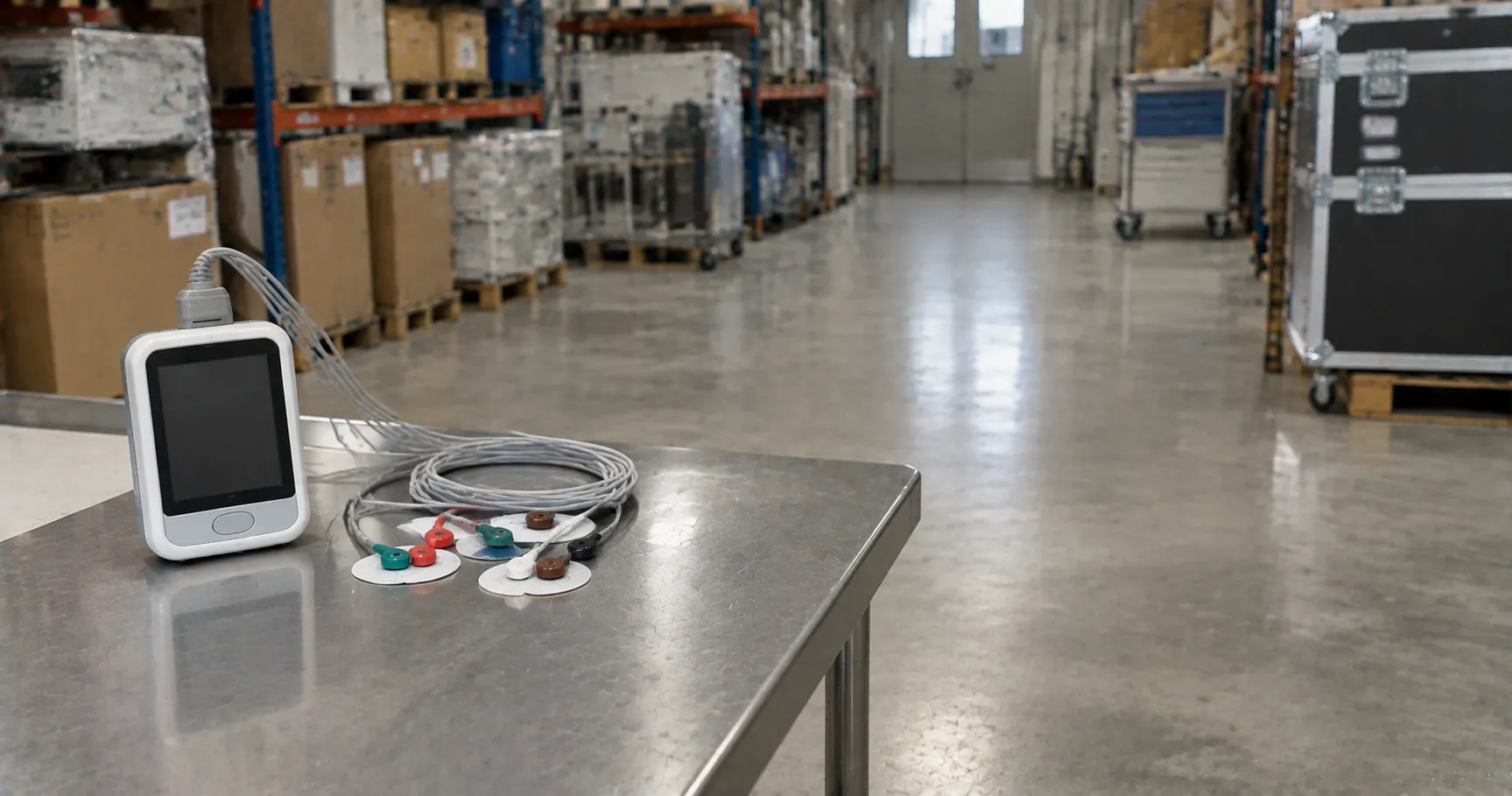
Clinics that invest in certified surgical tools often take the same principled approach across their wider equipment portfolio. Our complete buyer's guide to ECG machines for clinics applies the same certification and procurement principles to diagnostic equipment — helping you build a fully compliant clinical setup from diagnosis through to treatment and recovery.
Complete Surgical Instrument Buying Guide
One common mistake buyers make is purchasing instruments individually rather than as curated sets. Surgical instrument sets designed for specific procedures — such as minor surgery kits, suturing sets, or biopsy trays — offer better value, consistent quality, and simpler inventory management than assembling tools piecemeal from multiple suppliers.
Here is what most equipment guides will not tell you — the supplier matters as much as the instruments themselves. Ask about traceability, batch certification, warranty, replacement policies, and long-term support before committing. A trusted supplier like Medigear stands behind every instrument, not just at the point of sale but throughout its entire clinical life.
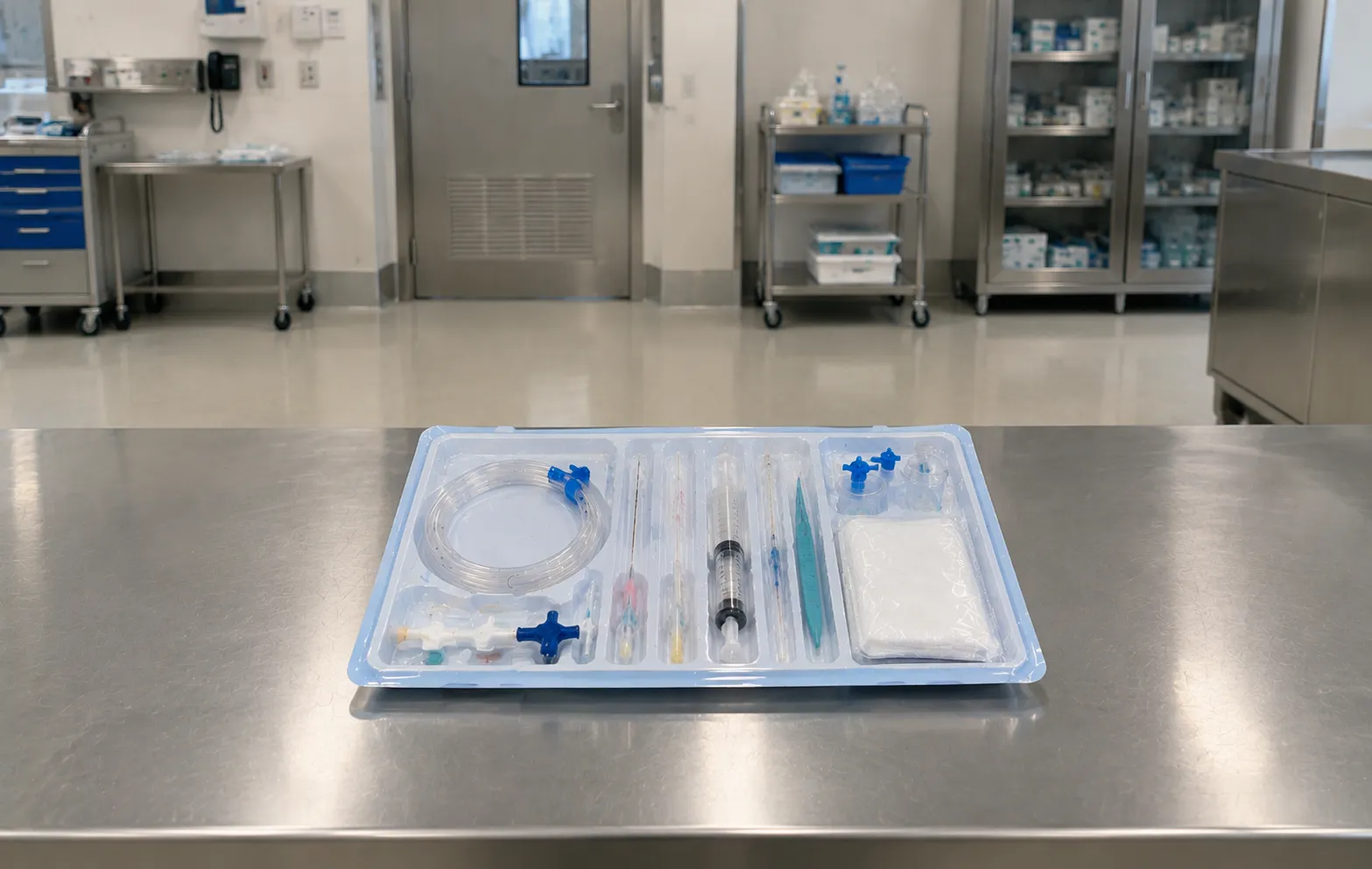
Small clinics that perform procedures requiring post-operative fluid or medication delivery should also consider how their surgical toolkit integrates with wider clinical equipment. Our guide to infusion pumps covering types, uses, and safety tips explains how certified infusion devices support safe, accurate medication and fluid delivery during and after minor procedures — a natural extension of any well-planned clinical equipment strategy.
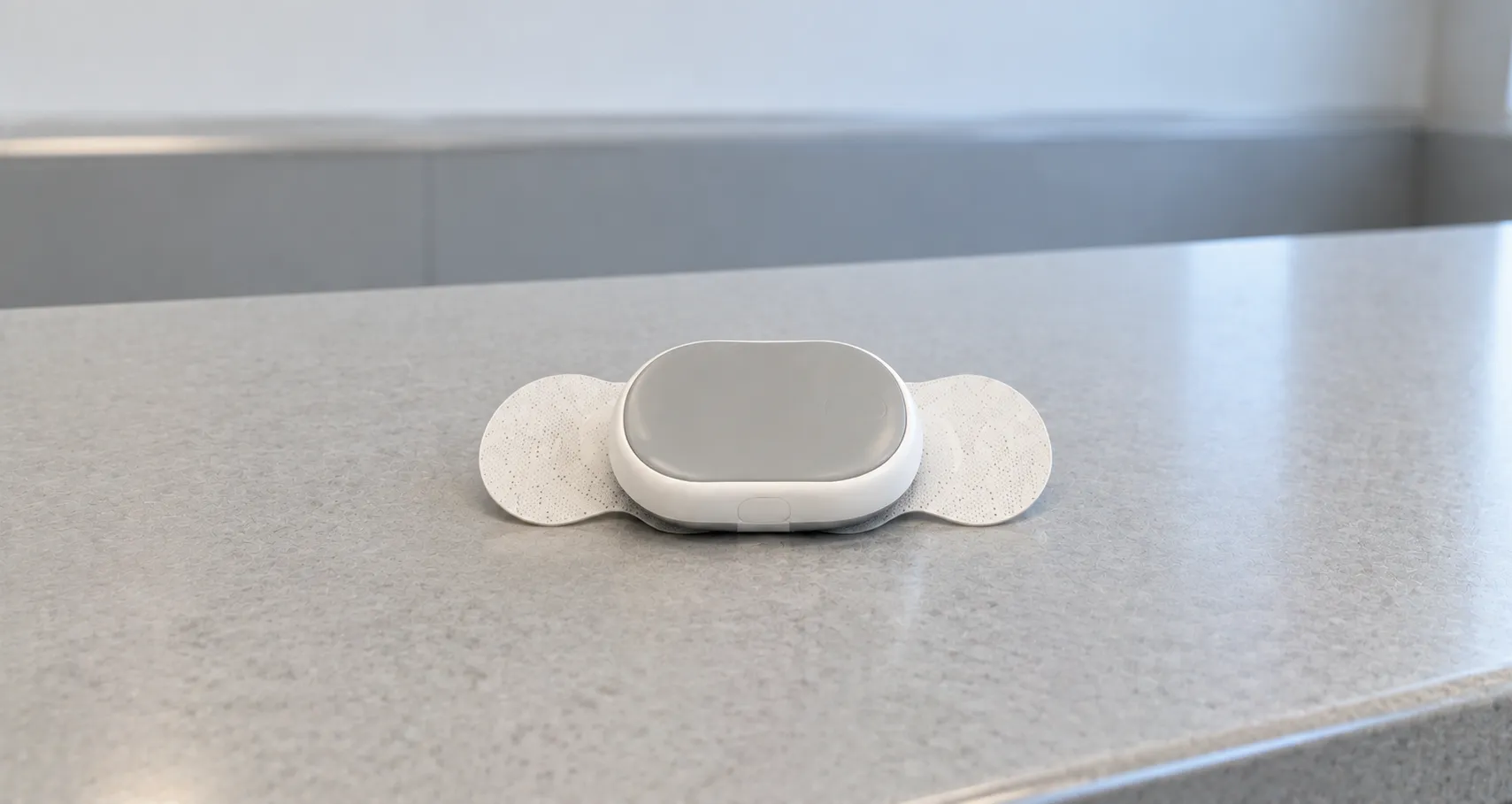
For clinics managing patient pain alongside surgical procedures, our complete guide to TENS units for safe pain relief at home covers non-invasive recovery support that pairs well with post-procedural patient care, helping patients manage discomfort safely without relying on oral medication.
Sterilisation and Instrument Care
Proper sterilisation is non-negotiable for patient safety and instrument longevity. After every procedure, instruments should be cleaned manually or through an ultrasonic bath, inspected carefully for damage, and autoclaved following validated cycles. Use an instrument, such as milk or a lubricant, on hinged tools to maintain smooth action and prevent joint stiffness. Store instruments in dry, ventilated conditions — never seal them when damp, as moisture accelerates corrosion and shortens their working life.
Compliance and Certifications
Always confirm CE marking, ISO 13485 manufacturing standards, and full MHRA compliance before purchasing surgical instruments. These certifications ensure every tool meets UK safety and performance requirements — a baseline that protects your patients, your clinic, and your professional indemnity insurance standing.
Comparing Reusable and Disposable Options
Reusable instruments offer better long-term value, superior performance, and reduced environmental impact compared to disposable alternatives. Disposable tools have a role in specific low-risk or high-contamination scenarios, but for routine minor surgery in small clinics, high-quality reusable instruments are the smarter investment by a significant margin — delivering consistent results across thousands of procedures.
Why Choose Medigear for Surgical Instruments
Medigear supplies certified, hospital-grade surgical instruments backed by transparent pricing, dependable after-sales support, and genuine procurement expertise. Whether you are equipping a new clinic, replacing ageing tools, or expanding into new procedures, our team helps you build a reliable, certified surgical toolkit from the ground up. Contact our team directly for a tailored recommendation and confident guidance through every step of your purchase.
CONCLUSION
Choosing the right surgical instruments shapes the precision, safety, and clinical confidence your small clinic delivers every single day. From scalpels and forceps to retractors and needle holders, every tool must meet the highest standards of material quality, certification, and manufacturing integrity. Medigear stands ready to support clinics with trusted, certified surgical instruments and expert procurement guidance built around your exact clinical needs. Ready to build your ideal surgical toolkit? Speak to our specialists today and equip your clinic with instruments designed for lasting clinical excellence.