Medical equipment network readiness determines whether hospital infrastructure can reliably, securely, and consistently support connected clinical devices. A device may meet its clinical specification yet fail operationally when wireless coverage, addressing, firewall rules or system interfaces have not been prepared.
For healthcare buyers sourcing connected medical equipment, network requirements should be documented before supplier quotations are approved. Early assessment helps identify infrastructure work, cybersecurity controls, software dependencies and additional implementation costs.
Digital infrastructure teams, clinical engineers, information security specialists, procurement managers, and clinical representatives may each understand a different aspect of the proposed connection. Their requirements should be combined into a single controlled readiness plan.
A structured checklist provides hospitals with a clearer basis for supplier comparison, technical approval, installation, and long-term network support.
Define Equipment Connectivity Requirements
The readiness review should begin with an exact description of what each device needs to connect to, exchange with, and receive.
Equipment inventory — Record every connected device, supporting computer, gateway, server and relevant accessory.
Clinical purpose — Identify the department, service and workflow supported by each connection.
Connection type — Confirm whether the equipment uses wired, wireless, mobile, or multiple connection methods.
Data destination — Record which monitoring, imaging, laboratory, pharmacy or clinical information system will receive data.
Communication direction — Define whether information flows from one device to another or in both directions.
Mobility requirement — Identify devices that move between rooms, wards or buildings while remaining connected.
Availability requirement — Assess how loss of connectivity could affect the clinical service.
Growth allowance — Include additional devices, users, interfaces and data volumes expected in the future.
In practice, healthcare buyers often find that a supplier claims equipment is network-ready without specifying the required hospital-side configuration.
Every connectivity requirement should therefore be specific, documented and testable.
Map Network Locations and Equipment Types
Readiness should be reviewed according to the clinical setting, equipment mobility and type of connection required.
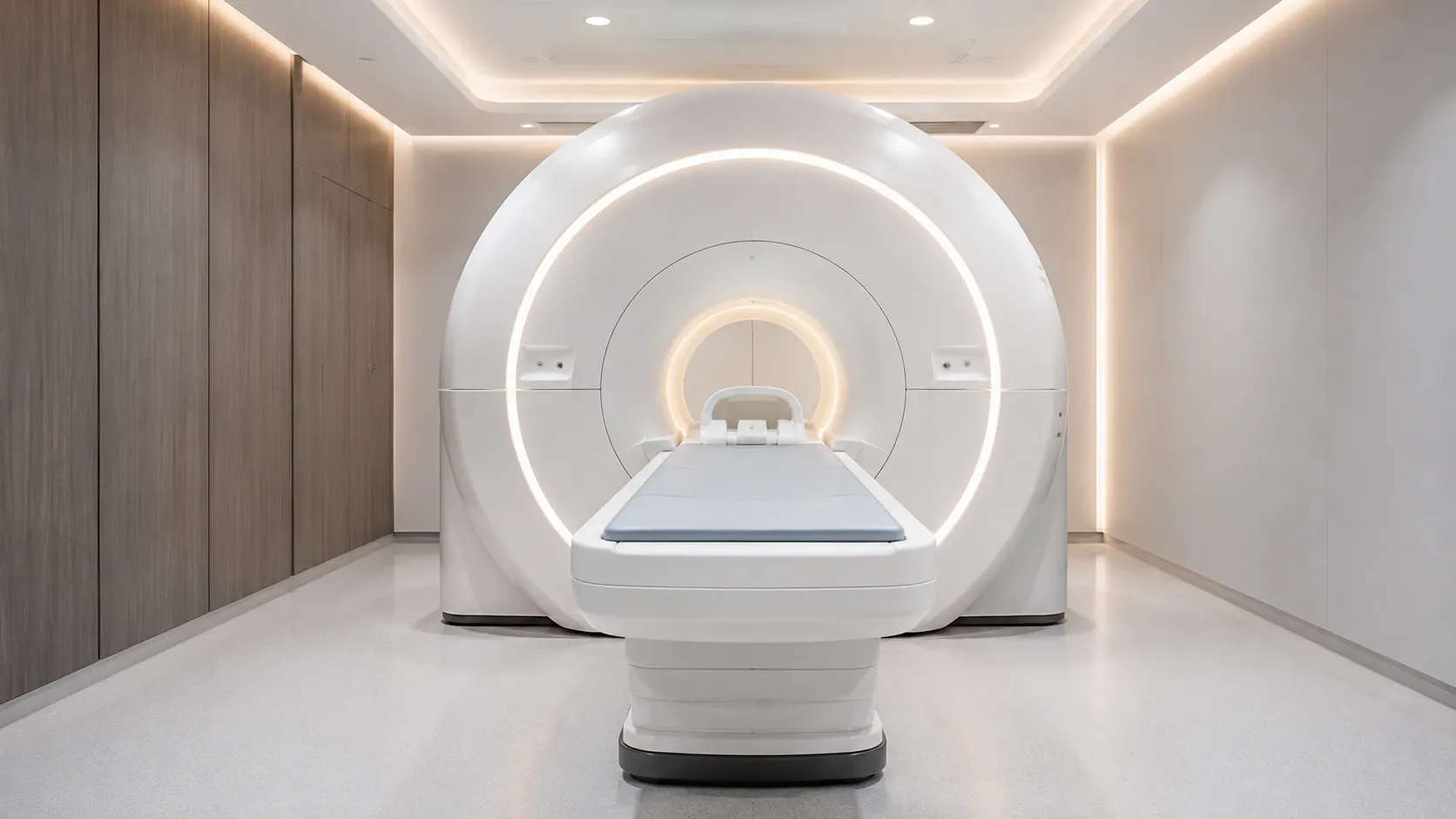
Fixed diagnostic equipment—imaging, laboratory, and specialist systems — may require dedicated ports, workstations, servers, or high-volume data transfer.
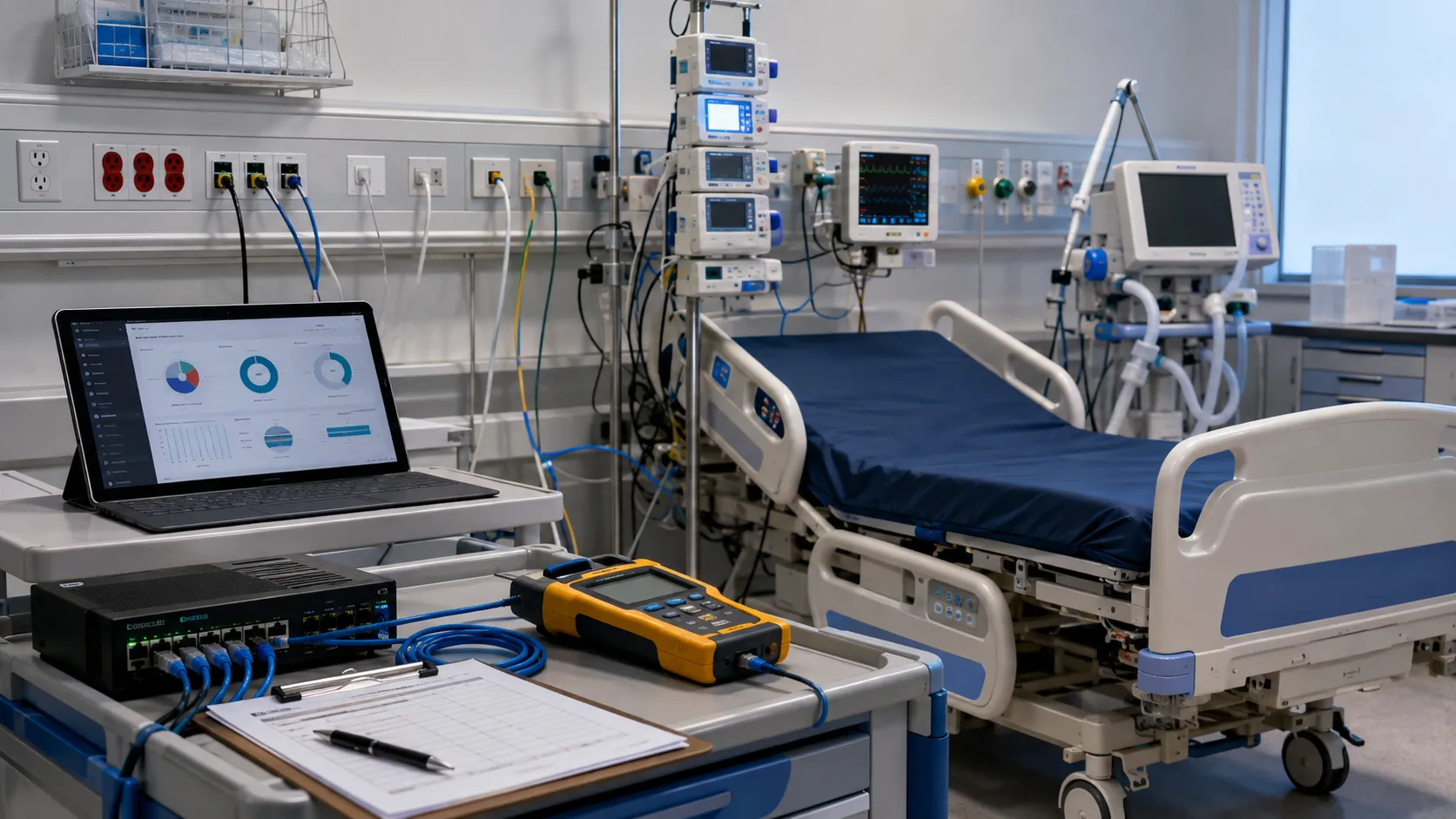
Bedside equipment — monitors, pumps, and other connected devices — may depend on continuous coverage and rapid reconnection.
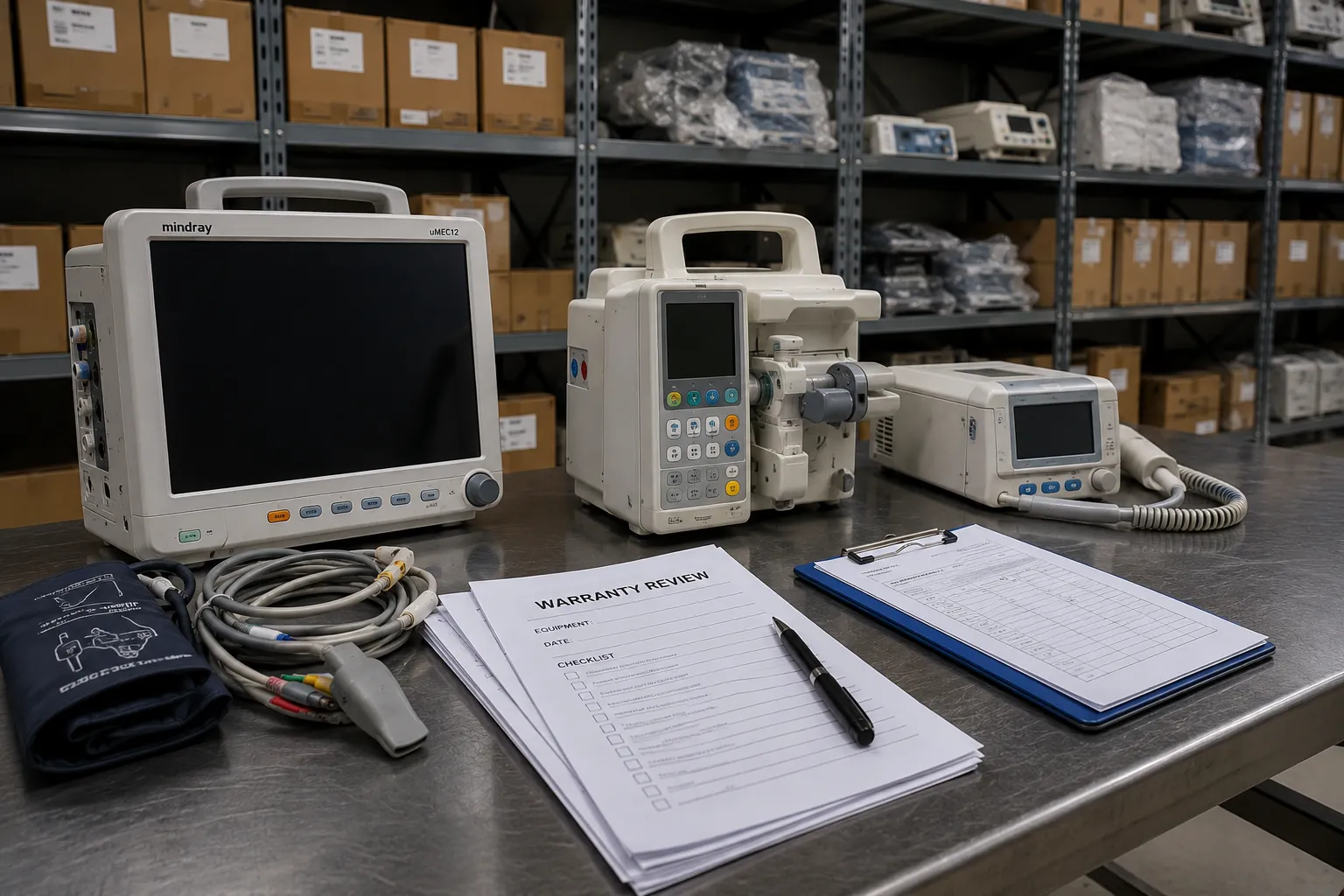
Hospitals comparing verified international medical equipment suppliers should request complete network, software and interface requirements for each exact configuration.
Mobile medical devices — portable equipment — require reliable wireless coverage across clinical rooms, corridors, lifts, and storage areas.
Shared departmental equipment — Devices moving between departments need consistent network access, user identification and location controls.
Supplier-managed systems — Remote maintenance, hosted services and external connections should be identified before approval.
Supporting computers — Workstations used for equipment control, reporting or configuration should be included in the readiness plan.
Integration gateways — Middleware and interface devices may require separate addresses, servers, licences and security rules.
Cloud-connected systems — Hospitals should review internet access, service availability, data flows and support responsibilities.
Experienced digital teams typically assess the complete connection pathway rather than only the medical device’s network port.
Check Infrastructure and Security Controls
The hospital should translate equipment requirements into measurable network and cybersecurity checks.
Wired capacity — Confirm that sufficient active network ports are available in the intended equipment locations.
Wireless coverage — Test signal quality, stability and roaming in all clinical and movement areas.
Bandwidth capacity — Estimate device traffic, image volumes, monitoring data and peak demand.
IP addressing — Define whether devices require fixed, reserved or automatically assigned addresses.
Network segmentation — Place equipment within approved zones according to clinical function, risk and communication requirements.
Firewall rules — Document the specific approved services, destinations and communication paths required.
Device authentication — Confirm how equipment, users and connected systems are identified and authorised.
Time synchronisation — Ensure devices use an approved time source to maintain consistent records, alarms, and reports.
Name resolution — Review any required hostnames, domains or supporting network services.
Cybersecurity monitoring — Define how unexpected connections, faults or unusual network behaviour will be identified.
Remote access — Require controlled authorisation, identity verification, access records and closure after use.
Technical documentation — Request network diagrams, communication requirements, software versions and known limitations.
One aspect that surprises first-time buyers is that strong wireless coverage alone does not confirm that authentication, routing or hospital applications are ready.
Infrastructure, security, and application requirements should be reviewed as a single, integrated system.
Compare Suppliers and Implementation Proposals
Supplier proposals should identify every connectivity component, licence and implementation responsibility.
Supplier capability — Assess experience with hospital networks, connected equipment, integration and technical support.
Quotation structure — Require separate details for hardware, software, connectivity options, licences and implementation services.
Accuracy of connectivity claims — Medical equipment companies advertising connected solutions to healthcare buyers should ensure that network and interface statements match their formal technical proposals.
Exact configuration — Record device models, software versions, network options and included communication components.
Interface requirements — Identify required gateways, middleware, servers, licences and receiving-system configuration.
Hospital responsibilities — Clarify required ports, wireless coverage, addresses, firewall rules, accounts and application changes.
Supplier responsibilities — Define who configures devices, installs software, activates interfaces and supports testing.
Remote-support conditions — Record the connection method, required tools, user controls and commercial terms.
Known limitations — Require disclosure of unsupported network methods, fixed settings or connectivity restrictions.
Implementation cost — Include configuration, integration, testing, travel, licences and recurring charges.
Support boundaries — Identify which supplier supports each component when several vendors are involved.
Change requirements — Confirm how later software, network or interface changes may affect the equipment.
Healthcare organisations coordinating connected equipment across several departments may benefit from structured international healthcare sourcing partnerships.
Each proposal should still identify its exact devices, network requirements, interfaces, licences and support responsibilities.
Test Network Readiness Before Deployment
Connected equipment should not enter routine service until the intended network pathway has been tested.
Location testing — Test each fixed location and every planned movement area for mobile equipment.
Connection stability — Confirm that devices remain connected during realistic operating periods.
Wireless roaming — Test whether mobile equipment reconnects correctly as it moves between access points.
Authentication testing — Verify that approved devices and users can connect while unauthorised access remains restricted.
Data exchange — Confirm that expected measurements, images, alarms or reports reach the correct system.
Time consistency — Check that timestamps remain aligned across devices and receiving applications.
Traffic testing — Assess performance under expected equipment numbers and peak data demand.
Failure recovery — Test reconnection after network interruption, device restart or temporary service loss.
Remote-support testing — Confirm that approved supplier access can be opened, monitored and closed correctly.
Cybersecurity checks — Verify network placement, permissions, logging and required communication rules.
Acceptance records — Document expected results, actual outcomes, faults and corrective actions.
Operational handover — Release equipment only after outstanding connectivity risks and training actions are closed.
A successful supplier demonstration should not replace testing within the hospital’s actual network environment.
Maintain Network Readiness Across the Lifecycle
Network readiness should remain under control after installation because devices, software,e and hospital infrastructure continue to change.
Configuration records — Maintain current addresses, locations, software versions, interfaces and network zones.
Connection monitoring — Track repeated disconnections, delayed data, roaming failures and communication errors.
Capacity review — Compare available bandwidth and wireless performance with actual device demand.
Access review — Periodically check device accounts, administrative access and supplier permissions.
Change control — Assess network, software, interface and location changes before implementation.
Supplier coordination — Require vendors to participate when faults cross equipment, network or application boundaries.
Software updates — Review network and interface compatibility before firmware or application changes.
Support-status monitoring — Identify equipment approaching unsupported software or connectivity configurations.
Business continuity — Define approved workflows for periods when network-connected equipment becomes unavailable.
Replacement planning — Consider connectivity, security support and migration needs when prioritising future purchases.
Healthcare organisations seeking connected medical equipment, supplier comparisons or network-planning assistance can contact the Medigear.uk sourcing and export team. Enquiries should include the equipment category, quantities, intended locations, connection requirements and destination.
The network-readiness checklist should be updated whenever equipment, software, hospital infrastructure or clinical workflows change.
Final thoughts
Medical equipment network readiness should be assessed before connected devices are ordered, installed or accepted.
Healthcare teams should map equipment locations, connection methods, bandwidth needs, network zones, interfaces, and remote support requirements. Fixed and mobile devices should be tested within realistic clinical workflows.
Supplier quotations should clearly separate equipment, software, licences, interfaces, implementation services and hospital infrastructure responsibilities.
A structured readiness process helps hospitals reduce installation delays, connection failures and avoidable disruption to connected clinical services.
Disclaimer
Medigear.uk is a global medical equipment supplier, exporter, and distributor. The content published on this site is intended for educational and product awareness purposes only. Nothing on this page constitutes medical advice, clinical guidance, or treatment recommendations. All healthcare procurement and clinical decisions should be made by qualified medical professionals and compliant procurement teams operating within the regulatory frameworks of their respective countries.