
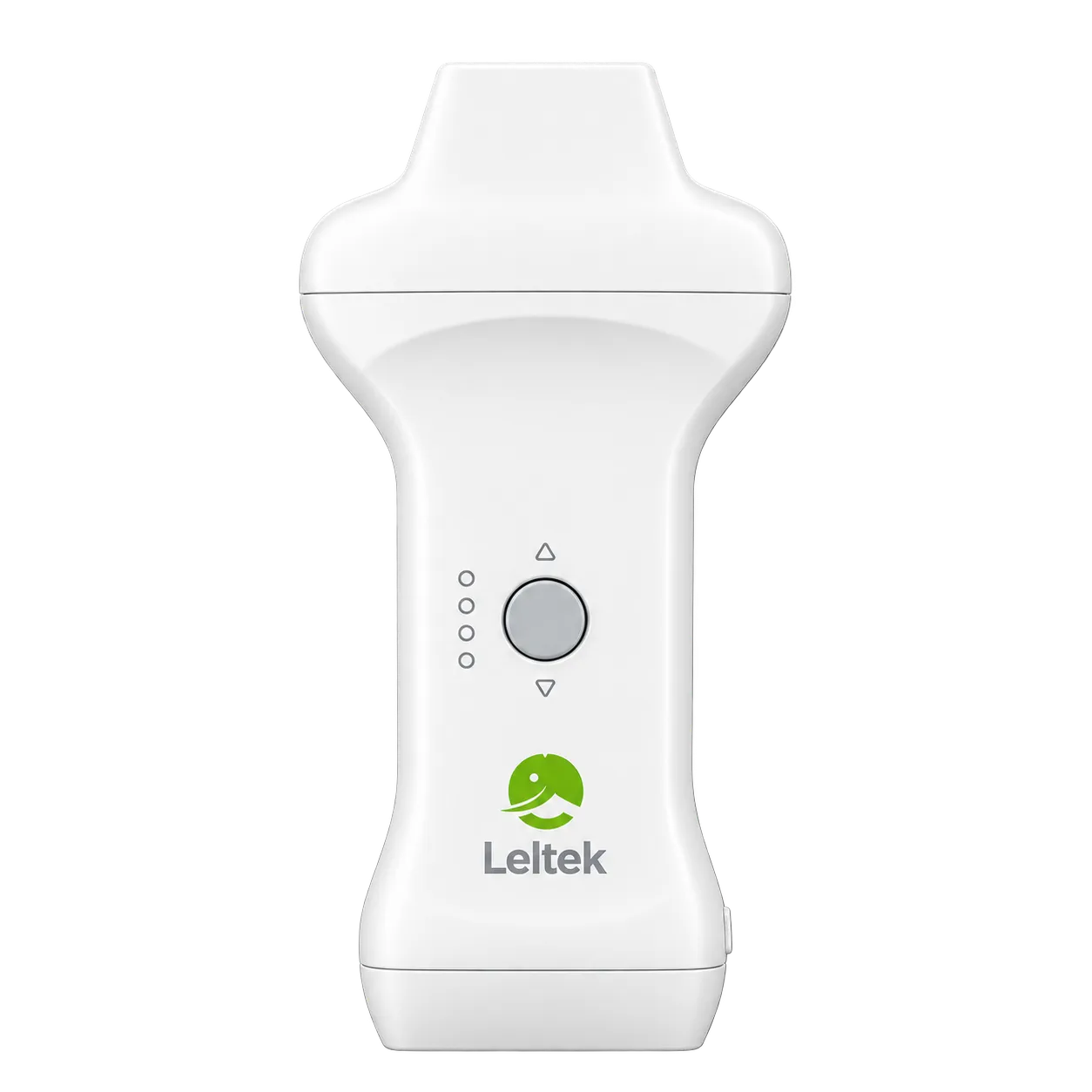
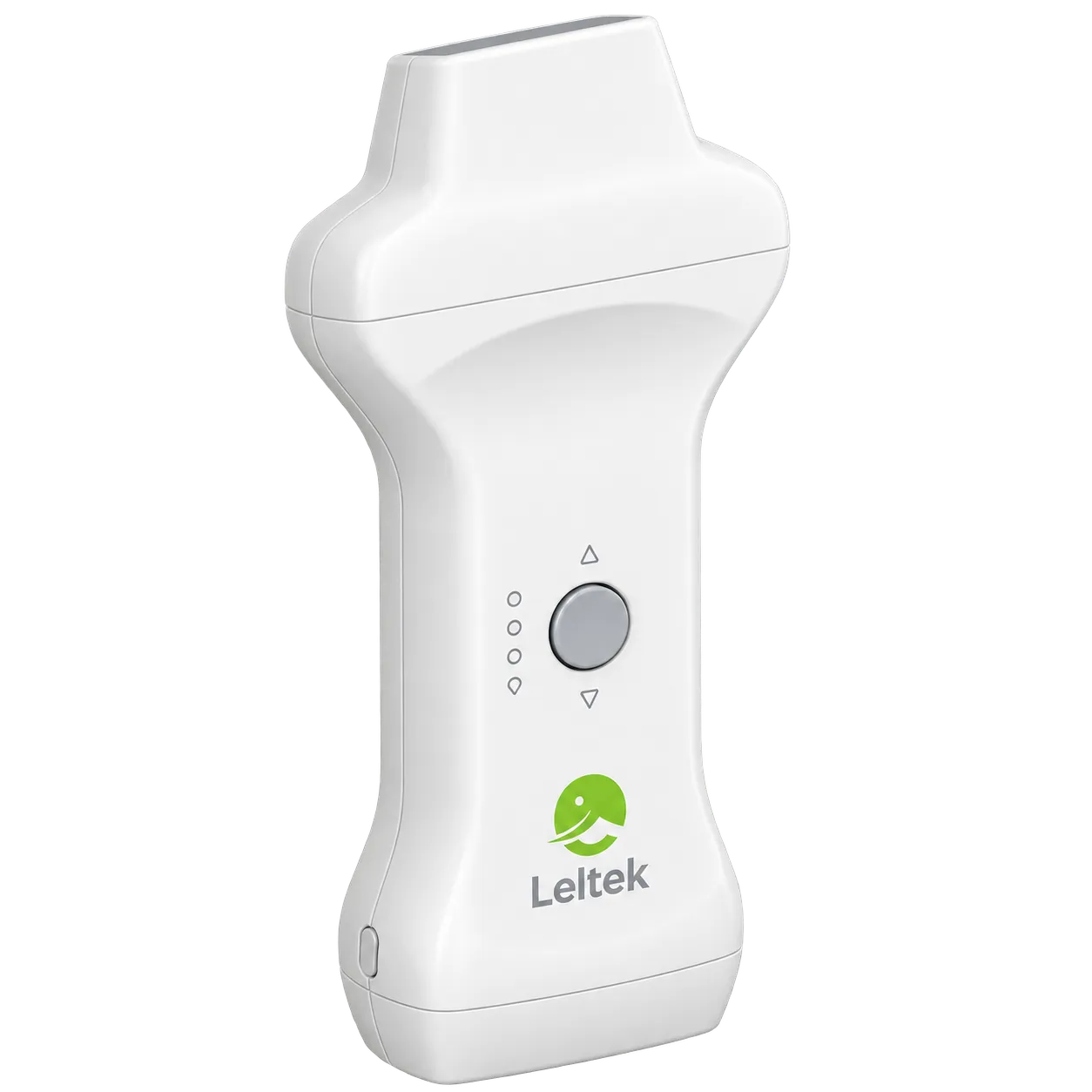
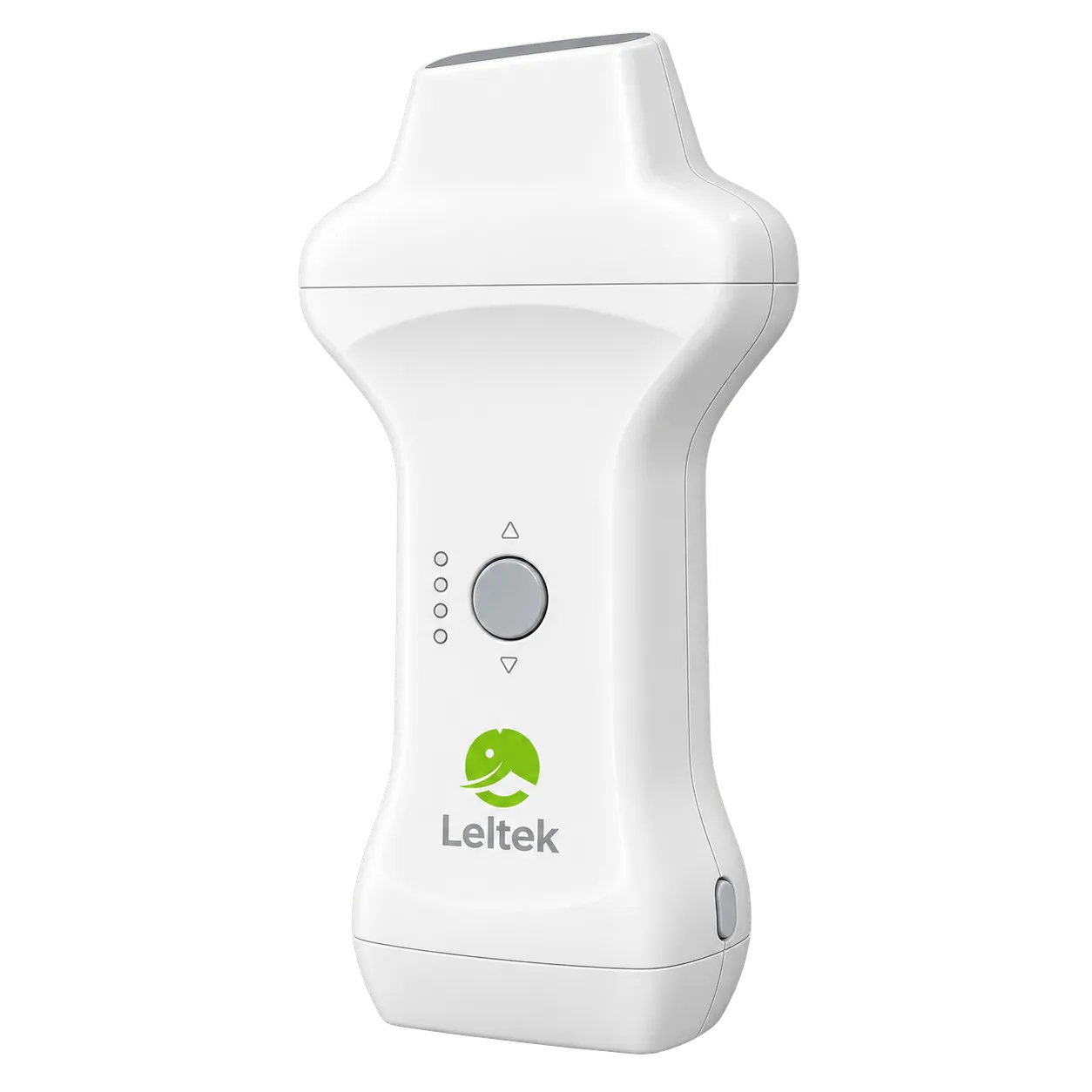
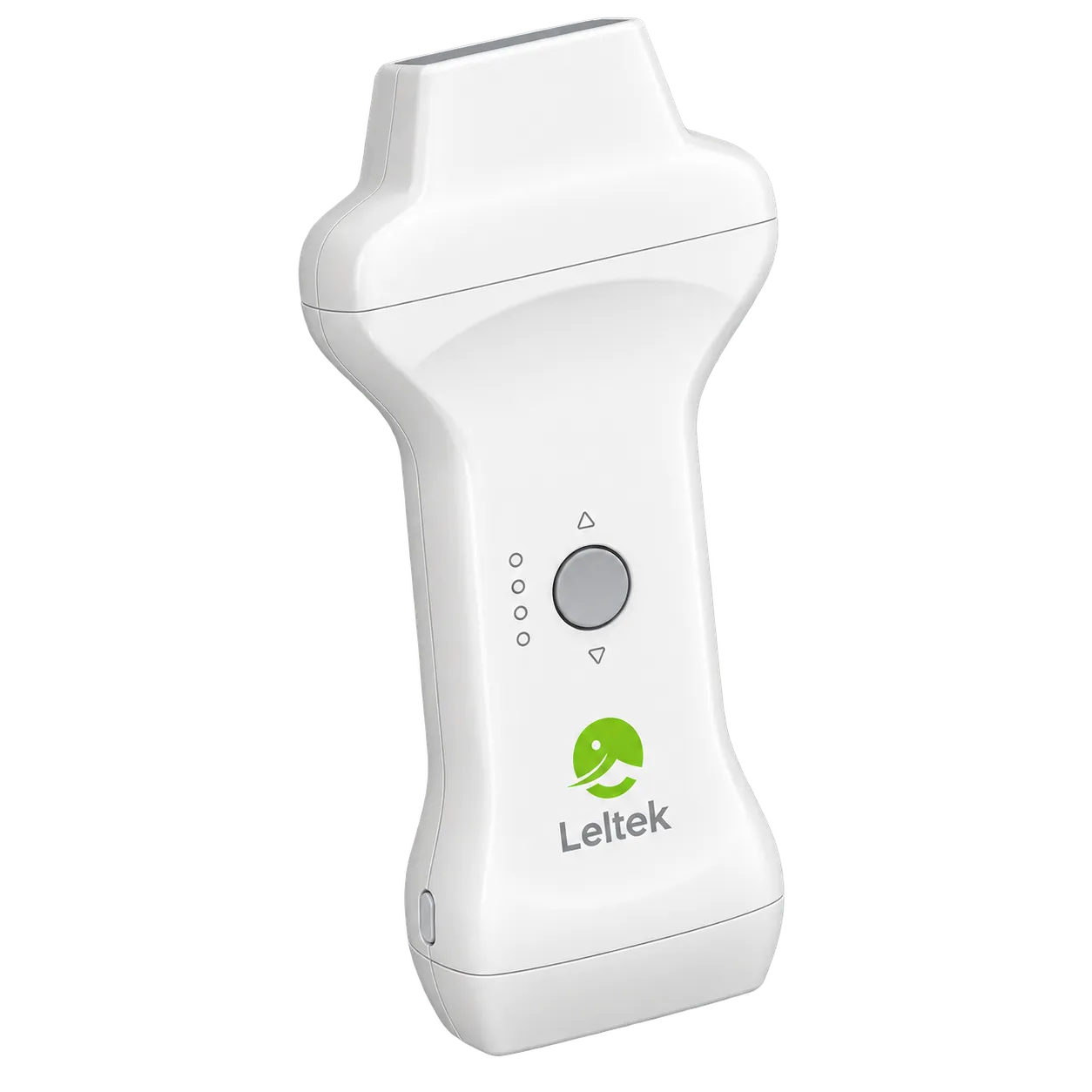
Emergency departments put both ends of the LX128LP to work. In a trauma bay, the phased array runs a FAST or EFAST examination of the abdomen, pericardium and chest. The same handset then turns to its linear end to assess lung sliding or to guide a nerve block before a fracture is reduced. The tablet stays on the trolley throughout.
On intensive care units, a cardiac and lung review on the phased end leads straight into vascular access, with free-hand needle and catheter guidance on the linear end at the same bedside. Anaesthetists take the linear array to regional nerve blocks in theatre and on the wards.
Cardiology and paediatric services use the phased array for adult and paediatric hearts, with M-mode tracing of valve and wall motion over time. Its fetal and general abdominal indications extend to maternity and abdominal work.
In general practice and community care, the linear end covers the thyroid, the carotid, peripheral vessels and musculoskeletal complaints. IEC 60601-1-11 certification, the collateral standard for the home healthcare environment, supports home visits using a phone or tablet as the display. Sports medicine and musculoskeletal clinics apply the same array to tendons, muscles and joints.
Its users are emergency physicians, intensivists, anaesthetists, cardiologists, paediatricians, GPs, sonographers and other qualified healthcare professionals. In each of these settings, the work follows the patient: deep structures on one end, superficial ones on the other, and the image on a phone or tablet within reach. A whole sequence of cardiac, lung, vascular and nerve imaging takes place in one position at the bedside, with the probe turned end to end as the examination moves on.