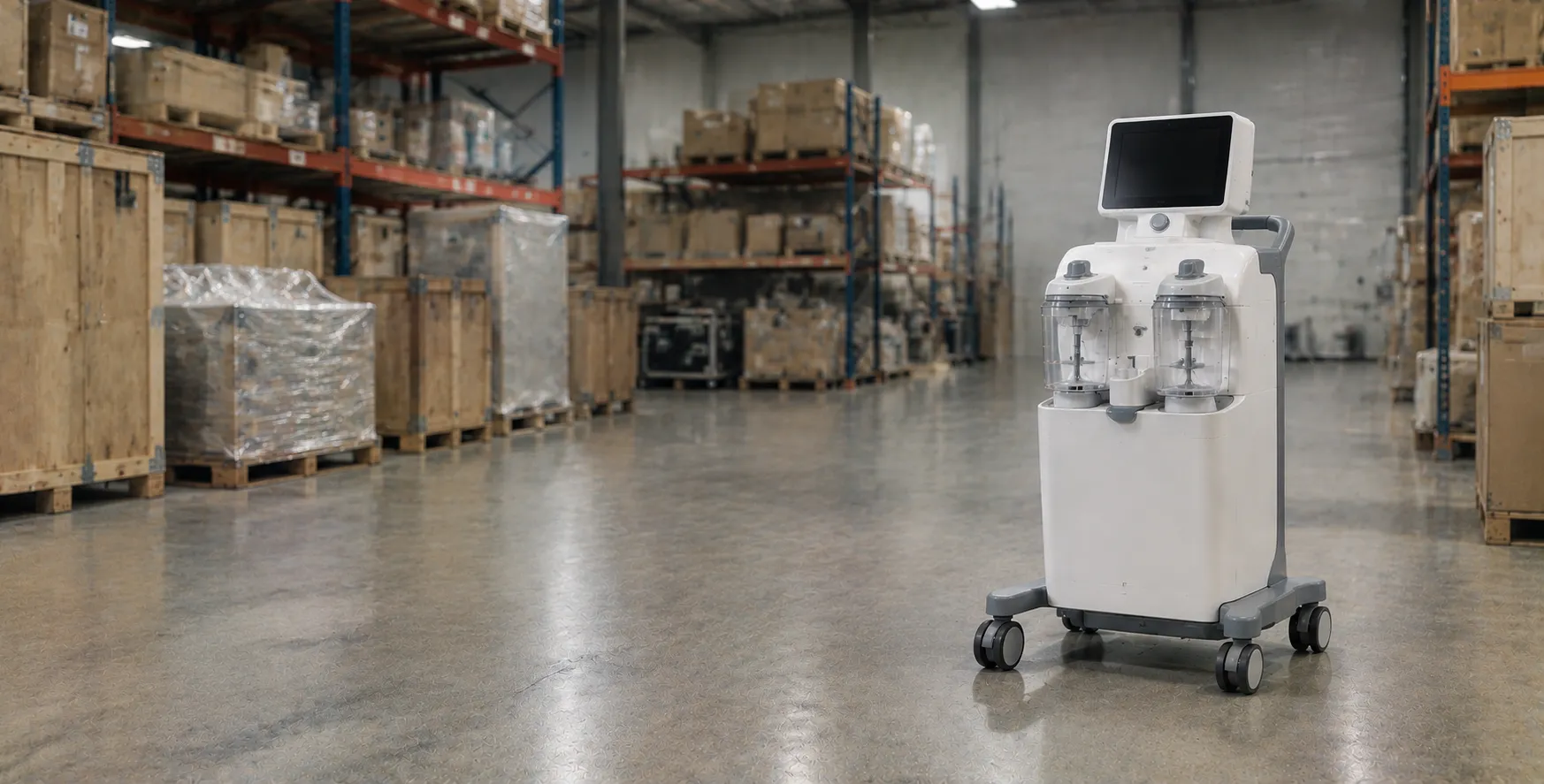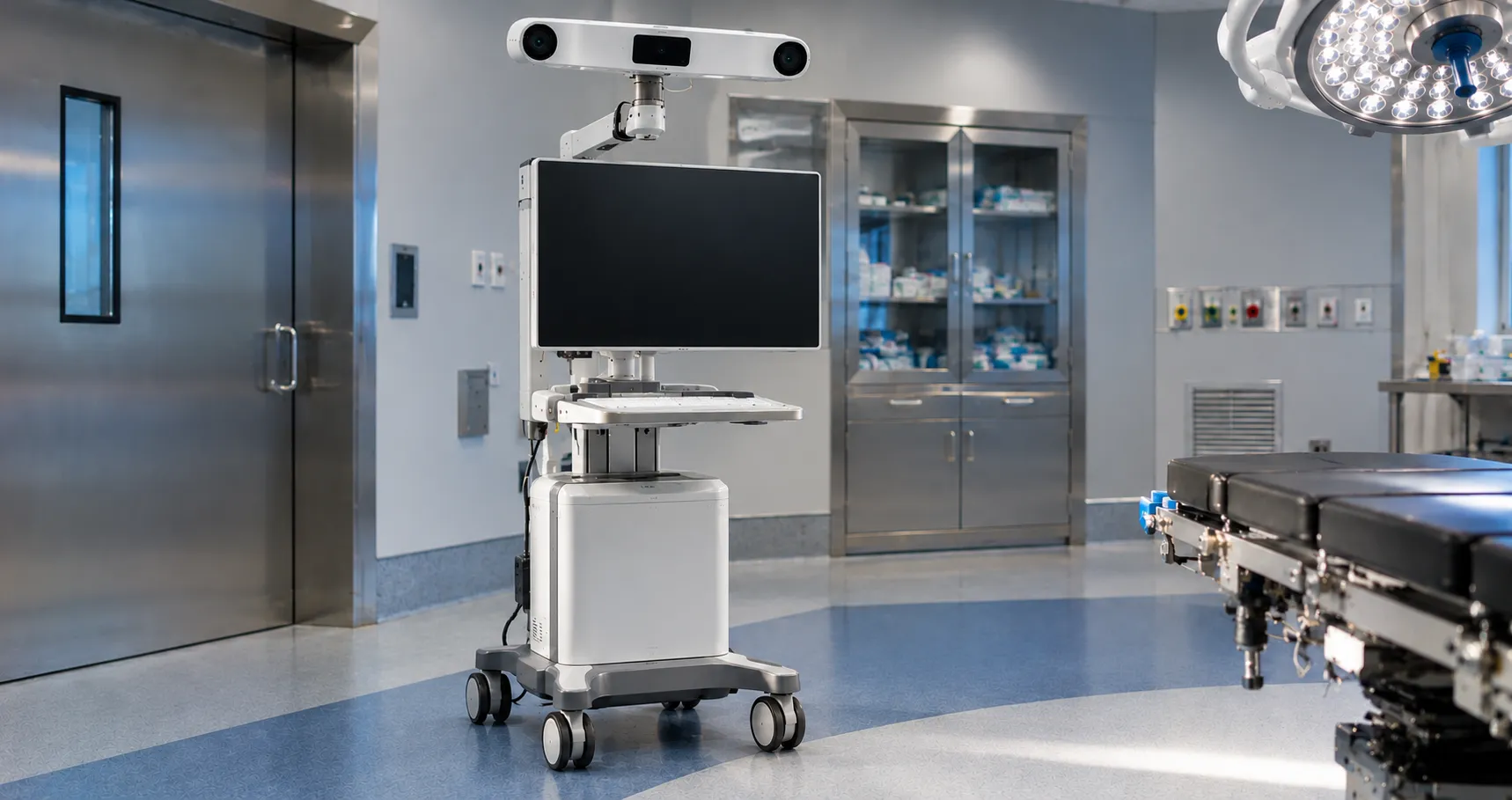
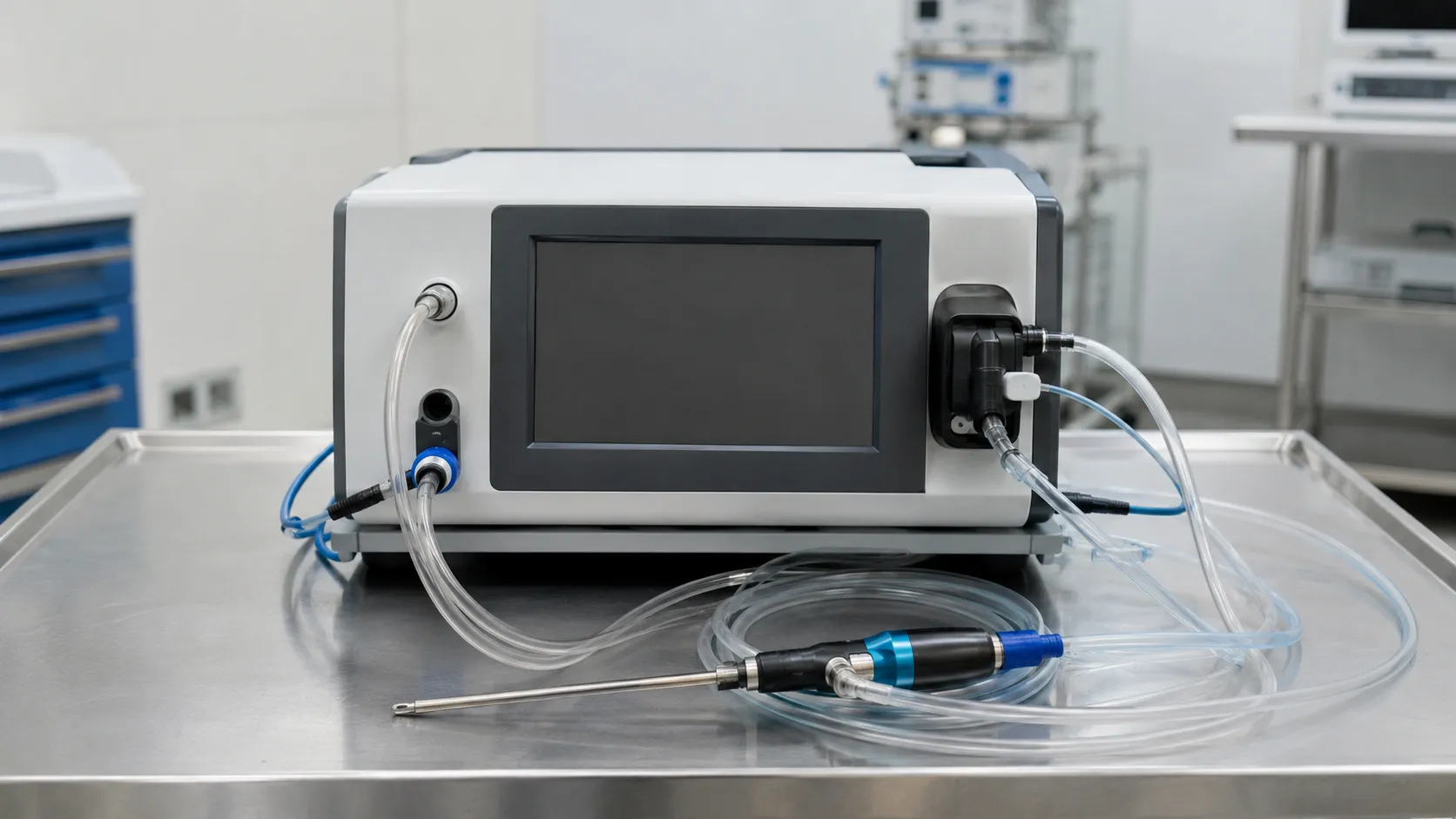
A microdebrider is a powered surgical instrument that simultaneously cuts and suctions soft tissue, using a rotating or oscillating blade inside a hollow tube within the instrument to suction. In endoscopic sinus surgery, the surgeon guides the tip against diseased tissue, polyps, or bone; the blade shaves the tissue, while suction draws the debris through the shaft, providing clean, controlled removal under endoscopic vision. It replaces the pull-and-tear action of hand instruments with precise, continuous excision.
For a theatre or ENT procurement lead, the microdebrider is a capital handpiece plus a stream of single-use blades and a console, making it a buying decision sp. Hence, the system, its consumables, and its servicing. This guide explains how it works and what to compare it to.
How a microdebrider removes tissue
The instrument has three parts working together: a console that drives and controls the blade, a reusable handpiece that holds the blade and connects to suction, and a disposable blade or burr at the working end. The blade is an inner rotating tube with a cutting window that sits inside a fixed outer tube with a matching aperture. As the inner tube spins or oscillates, tissue drawn into the window by suction is sheared against the window edge and removed. Because cutting and clearance occur simultaneously, the surgeon works in a clear field without repeatedly withdrawing the instrument, which is a major reason surgery became faster and more precise.
Control of speed and mode matters. Soft polypoid tissue is removed at a moderate rotation, while firmer tissue or bone requires a burr at high speed. Oscillation, where the blade rapidly reverses direction, grabs tissue efficiently while reducing the risk of pulling in and damaging tissue that should be preserved. Irrigation is often integrated to keep the window clear and cool the cutting edge.
Blades, burrs and tip geometry
The consumable blade defines the cut. Soft-tissue blades have serrated or smooth cutting windows for polyps and mucosa, while burrs are toothed rotary tips for removing bone, for example during a frontal or sphenoid dissection. Tips come in a range of diameters, commonly around 3 to 4 mm for adult sinus work with finer sizes for tight spaces and paediatric anatomy, and in angled forms, from straight through curved and highly angled shapes, so the surgeon can reach the frontal recess, maxillary sinus and other recesses that a straight tip cannot. The length and transition of the cutting window also vary. Matching the blade range to your case mix and confirming it fits your handpiece is integral to specifying the control and integration
Suction is integral, so the handpiece connects to theatre suction, and debris passes through the shaft into a trap. Buyers should check the suction fitting, the ease of clearing a blockage mid-case, and whether irrigation is supported. Control is via foot pedal or handpiece controls for speed, direction, and oscillation, and many consoles are shared platforms that also run ENT drill, so that a single console can support several handpieces. Some systems integrate with image-guided navigation, which matters where surgery approaches the skull base or orbit. Consider how the console fits your existing tower and whether footprint and connectivity suit your theatre layout.
Key specifications a buyer must check
Confirm the console and piece compatibility and whether the platform also runs drills and supports the other ENT tools you use. Check the speed range, mode (oscillation and continuous rotation), and the control method. Review the full blade portfolio: diameters, angles, soft-tissue versus burr options, and paediatric sizes, and confirm they are readily available and reasonably priced, since blades are the running cost. Look at irrigation and suction handling, and how easily blockages clear. Assess the handpiece sterilisation method and cycle life, its weight and balance in the hand, and the availability of navigation integration if your service does skull-base work. Finally, confirm servicing, warranty and spares for the console and handpiece.
Sterilisation and single-use considerations
The microdebrider splits neatly into reusable and single-use parts, and reprocessing is a real cost driver. Blades and burrs are single-use: they must not be reused because a dulled blade cuts poorly, and reliable cleaning is not feasible. The handpiece is reusable and must be decontaminated and sterilised between patients following the manufacturer's validated instructions, usually including thorough cleaning of the suction channel and steam sterilisation. Buyers should check the handpiece's stated reprocessing cycles and lifespan, because a handpiece that tolerates more cycles lasts longer in a busy department. Confirm that decontamination fits your sterile-services capability and that the instructions for use are followed exactly.
Use across care settings.s
Microdebriders are core to endoscopic sinus surgery in ENT, and the same platforms are used in other airway and head-and-neck work, adenoidectomy, and some laryngeal procedures, and in a modified form in arthroscopy and other specialities. A busy ENT unit's specialities volume in functional endoscopic sinus surgery justifies a full platform with a broad blade range and image-guidance integration. A smaller district service may share a console across ENT and other specialities as a lower-blade set. Paediatric service needs finer blades and appropriate sizing. Matching the platform and blade range to the volume and complexity of your lists prevents both under-equipping a skull-base service and over-buying for occasional use.
Consumables and total cost of ownership
The dominant recurring cost is the single-use blade, so model annual blade use across your ENT lists by procedure and blade type. A console is a one-off with periodic servicing, and reusable handpieces are replaced over time as their cycle life is reached, so budget for handpiece renewal as well as blades. Reprocessing labour and consumables add to the total. Standardising on one platform simplifies training, stock, and servicing, and prevents cases from being delayed by a missing angle or size. Reliable blade supply and clear lead times matter as much as unit price for a high-frequency consumable. We can help you scope a platform and blades in touch.
Regulation and safe use
Microdebrider systems are active surgical medical devices and must carryaa valid Aor CE markingwith instructions forr use. The MHRA regulates medical devices in the UK and issues safety information and general guidance. Because the instrument cuts close to the orbit, skull base, and major vessels, safe use depends on trained surgeons, correct blade selection, and, where indicated, navigation. The ravigation tteam's roleis to ensure tverything is in place. The team should instruct users to follow validated handpiece reprocessing procedures and never reuse single-use blades.
Procurement checklist
-
Confirm console-and-handpiece compatibility and whether the platform also runs drills.
-
Check speed range, oscillation and continuous modes, and the control method.
-
Review the full blade range: diameters, angles, soft-tissue and burr options, paediatric sizes.
-
Confirm blade supply, unit pricing and delivery lead times, since single-use blades are this system's recurring cost.
-
Assess irrigation, suction handling and how easily blockages clear.
-
Check handpiece sterilisation method, cycle life and fit with your sterile-services capability.
-
Confirm navigation integration if you do skull-base work, plus warranty, servicing and spares.
Conclusion
A microdebrider removes sinus and soft tissue by shaving and suctioning at the same point, giving controlled excision under endoscopic vision. The buying decision spans the console, the reusable handpiece and, above all, the single-use blade range that must match your case mix and fit your platform. Weigh compatibility, speed and modes, blade availability, reprocessing and navigation integration, then budget realistically for blades and handpiece renewal. MediGear can supply microdebrider platforms and blades matched to your ENsetupta, tailor-made to run smoothly and post-effectively.
Disclaimer
This article is for informational purposes only. It is published by MediGear (medigear.uk) for general information and procurement guidance, and not clinical diagnostic guidance. It is not medical, diagnostic, technical, engineering, legal or regulatory advice, nor a product endorsement, guarantee or substitute for professional assessment. MediGear does not provide medical consultations. Buyers should consult their clinical, biomedical, estates and regulatory contacts, and the manufacturer's documentation, and independently verify all specifications, certifications, compatibility and suitability before purchase. Specifications, certifications and availability are correct at the time of publication and may change without notice. MediGear is a medical-equipment distributor and does not sell medicines or pharmaceutical products.