Sustainability has become a key priority in modern healthcare. As hospitals, clinics, laboratories, and healthcare organizations work to reduce their environmental impact while maintaining high standards of patient care, sustainable medical equipment solutions are playing an increasingly important role.
Healthcare facilities consume significant amounts of energy, water, medical supplies, and equipment throughout their daily operations. By investing in environmentally responsible medical technologies, improving equipment lifecycle management, and adopting sustainable procurement practices, healthcare organizations can reduce waste, optimize operational efficiency, and support long-term environmental goals.
This guide explores sustainable medical equipment solutions and how they contribute to the future of healthcare.
What Are Sustainable Medical Equipment Solutions?
Sustainable medical equipment solutions are medical technologies, procurement practices, and asset management strategies designed to reduce environmental impact while maintaining reliable healthcare operations.
Sustainability may involve:
-
Energy-efficient medical equipment.
-
Longer-lasting devices.
-
Reusable components where appropriate.
-
Responsible manufacturing practices.
-
Reduced packaging waste.
-
Equipment refurbishment.
-
Digital healthcare technologies.
-
Lifecycle management.
The objective is to maximize equipment value while minimizing resource consumption and environmental impact.
Why Sustainability Matters in Healthcare
Healthcare organizations worldwide are increasingly integrating sustainability into procurement and operational planning.
Key benefits include:
Lower Environmental Impact – Reduced energy consumption and waste generation.
Improved Operational Efficiency – Modern equipment often operates more efficiently.
Long-Term Cost Savings – Efficient equipment may reduce operating expenses over time.
Support for Organizational Sustainability Goals – Helping healthcare providers align with environmental initiatives.
Sustainable procurement has become an important consideration alongside equipment quality and clinical performance.
Energy-Efficient Medical Equipment
Energy-efficient equipment is one of the simplest ways to improve sustainability.
Examples include:
-
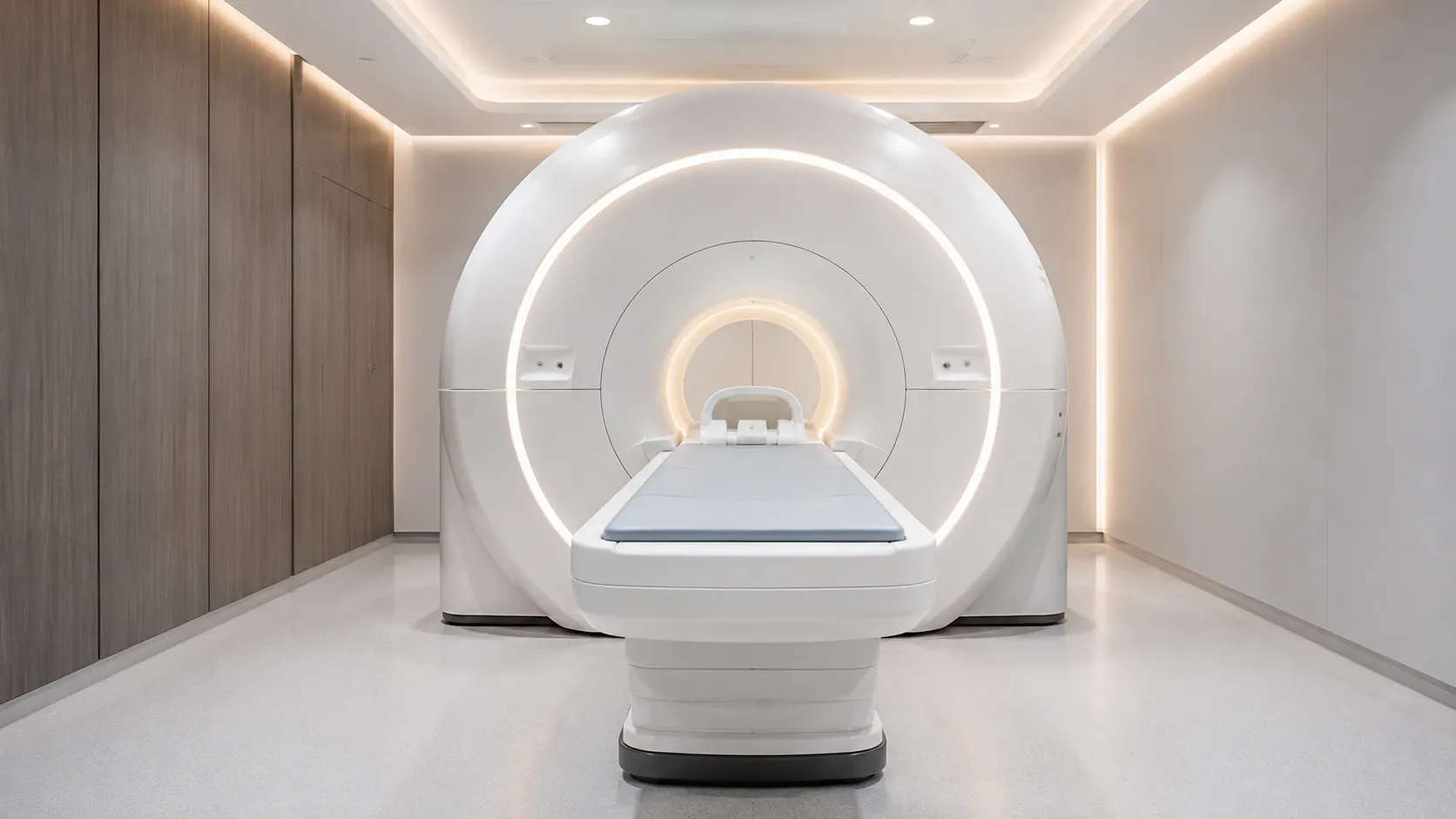
Digital imaging systems with energy-saving modes.
-
Modern laboratory analyzers.
-
LED surgical lighting.
-
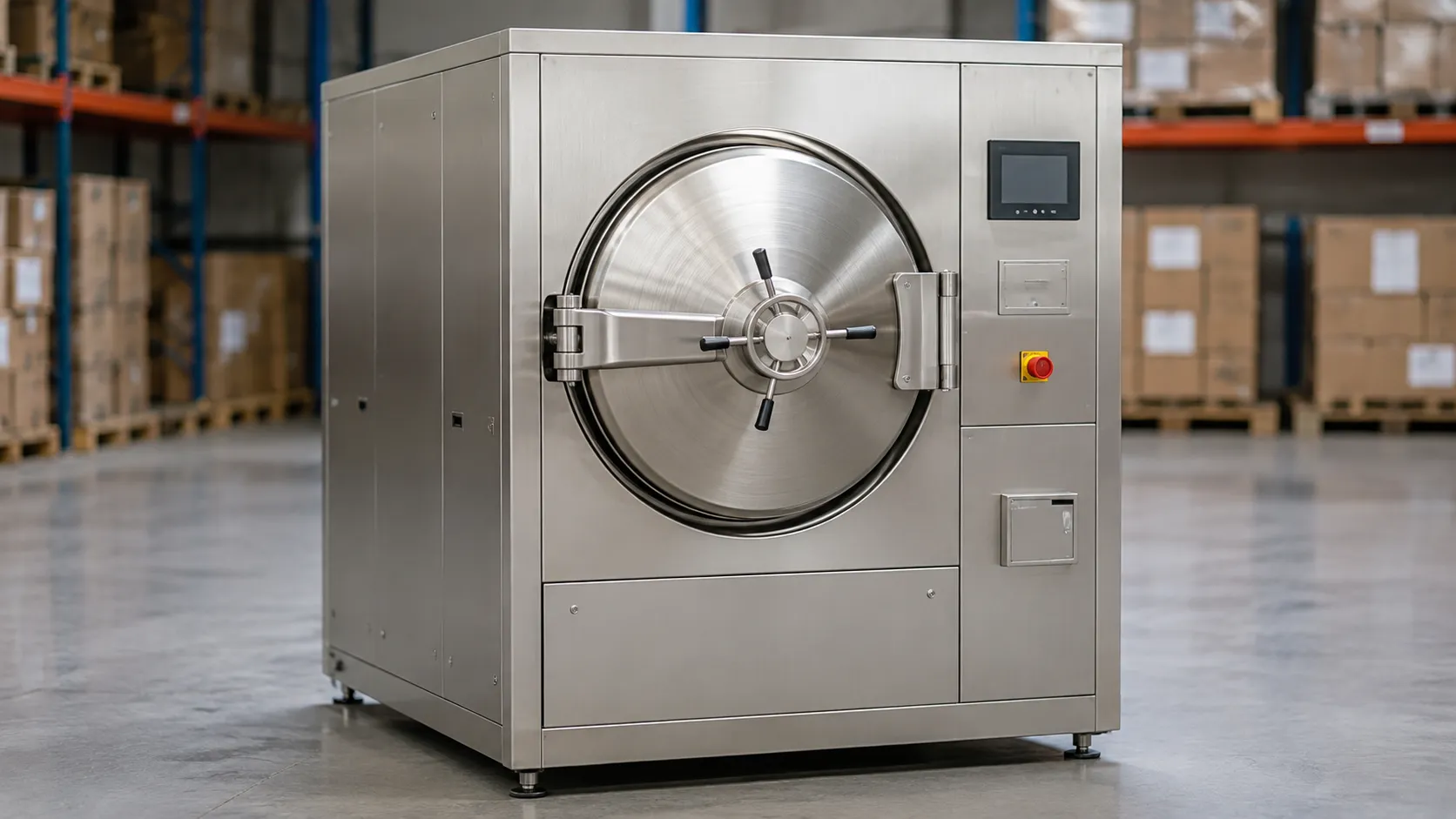
Energy-efficient sterilization systems.
-
Smart HVAC-compatible medical equipment.
Lower energy consumption can reduce operational costs while supporting environmental objectives.
Healthcare organizations exploring sustainable equipment solutions can discover sourcing opportunities through: buyers services
Extend Equipment Lifecycles
Maximizing equipment lifespan reduces unnecessary replacement and manufacturing demand.
Best practices include:
-
Preventive maintenance.
-
Regular inspections.
-
Software updates.
-
Timely component replacement.
-
Proper user training.
-
Performance monitoring.
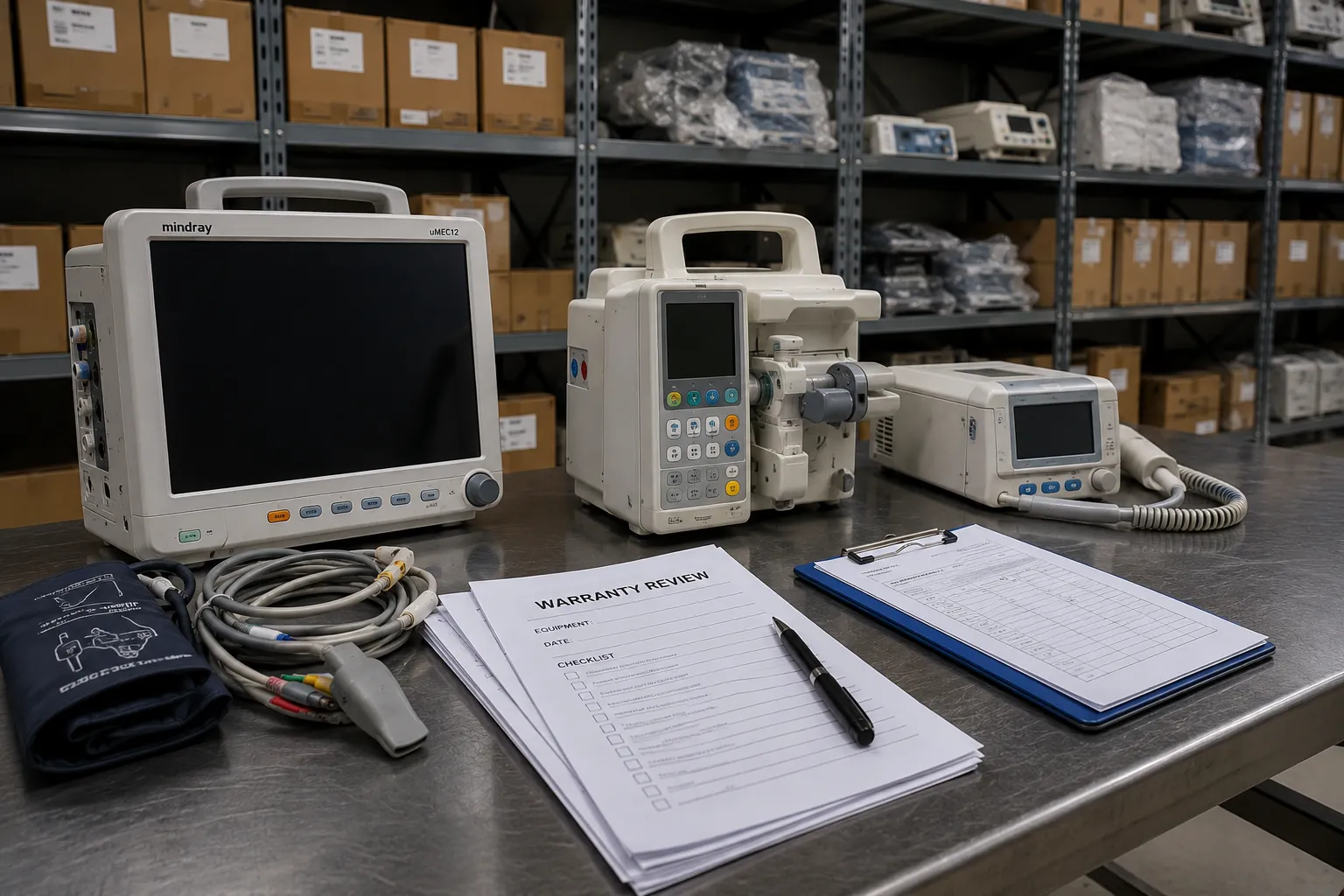
Effective lifecycle management helps healthcare organizations maximize equipment value while reducing waste.
Preventive Maintenance Supports Sustainability
Routine maintenance improves equipment reliability while extending service life.
Maintenance activities include:
-
Cleaning.
-
Calibration where applicable.
-
Functional testing.
-
Component inspection.
-
Software maintenance.
-
Performance verification.
Well-maintained equipment often operates more efficiently and requires fewer emergency repairs.
Refurbished Medical Equipment
Professionally refurbished equipment can contribute to sustainable healthcare procurement.
Potential benefits include:
-
Extending equipment life.
-
Reducing electronic waste.
-
Lower resource consumption.
-
Cost-effective procurement.
-
Supporting circular economy principles.
Healthcare organizations should always purchase refurbished equipment from reputable suppliers that provide proper testing, documentation, and support.
Healthcare suppliers interested in promoting sustainable healthcare technologies can explore: business suppliers
Digital Transformation Reduces Resource Consumption
Digital healthcare technologies support sustainability by reducing paper usage and improving operational efficiency.
Examples include:
-
Electronic Medical Records (EMR).
-
Hospital Information Systems (HIS).
-
Cloud-based equipment management.
-
Digital maintenance records.
-
Remote equipment monitoring.
-
Electronic procurement systems.
Digital workflows simplify administration while reducing paper-based processes.
Smart Asset Management
Healthcare organizations can improve sustainability by managing equipment more effectively.
Asset management systems help:
-
Monitor equipment utilization.
-
Track maintenance schedules.
-
Reduce unnecessary purchases.
-
Improve equipment sharing.
-
Plan replacements efficiently.
Better asset visibility helps maximize equipment use before replacement becomes necessary.
Sustainable Procurement Practices
Procurement teams increasingly evaluate environmental factors alongside traditional purchasing criteria.
Considerations include:
-
Energy efficiency.
-
Equipment durability.
-
Upgradeability.
-
Packaging materials.
-
Spare parts availability.
-
Manufacturer sustainability initiatives.
Sustainable procurement supports responsible long-term investment.
Responsible Waste Management
Medical equipment eventually reaches the end of its operational life.
Healthcare organizations should establish procedures for:
-
Responsible equipment disposal.
-
Recycling electronic components where appropriate.
-
Safe disposal of hazardous materials.
-
Data removal from digital equipment.
-
Compliance with local environmental regulations.
Responsible disposal helps reduce environmental impact while protecting sensitive information.
Healthcare organizations interested in strategic partnerships can explore: business partners
Emerging Sustainable Technologies
Innovation continues to improve the environmental performance of medical equipment.
Emerging developments include:
-
Low-power electronic components.
-
Smart energy management systems.
-
Modular equipment designs.
-
Recyclable materials.
-
Cloud-based maintenance platforms.
-
AI-assisted equipment optimization.
Manufacturers continue investing in technologies that balance performance with environmental responsibility.
Building a Sustainable Equipment Strategy
Healthcare organizations can strengthen sustainability by:
-
Purchasing durable, energy-efficient equipment.
-
Implementing preventive maintenance programs.
-
Monitoring equipment performance.
-
Extending equipment lifecycles.
-
Considering professionally refurbished equipment where appropriate.
-
Digitizing equipment management.
-
Training staff on efficient equipment use.
-
Planning responsible equipment replacement and disposal.
These practices help create a more sustainable healthcare environment while supporting operational excellence.
Businesses seeking greater visibility within the healthcare industry can discover opportunities through: business advertise
For sourcing assistance, procurement guidance, and product enquiries, support is available through: Contact Team
Conclusion
Sustainable medical equipment solutions are becoming an essential part of modern healthcare. By investing in energy-efficient technologies, extending equipment lifecycles, implementing preventive maintenance, adopting digital asset management, and integrating sustainable procurement practices, healthcare organizations can reduce environmental impact while improving operational efficiency.
As sustainability continues to influence healthcare strategy worldwide, organizations that prioritize responsible equipment management will be better positioned to reduce costs, improve resource utilization, and support a greener future for healthcare.
Disclaimer
Medigear.uk is a medical equipment supplier and distributor. We do not provide environmental, legal, regulatory, or medical advice. This article is for general educational and informational purposes only. Sustainability practices, environmental regulations, and equipment capabilities vary by manufacturer and region. Healthcare organizations should consult qualified professionals and applicable regulations when developing sustainable procurement and equipment management strategies.