Robotics is transforming the healthcare industry by improving precision, efficiency, automation, and operational workflows. Once limited to highly specialized surgical procedures, robotic technologies are now being integrated into hospitals, diagnostic centres, laboratories, rehabilitation facilities, pharmacies, and even home healthcare environments.
Modern medical equipment increasingly integrates robotics, artificial intelligence (AI), machine vision, automation, and connected healthcare technologies to assist healthcare professionals and improve equipment performance. While robots are not replacing clinicians, they are becoming valuable tools that help reduce repetitive tasks, support complex procedures, and optimize healthcare operations.
This guide explores how robotics is changing medical equipment and shaping the future of healthcare.
What Is Medical Robotics?
Medical robotics refers to robotic systems and automated technologies designed to assist healthcare professionals in performing clinical, diagnostic, laboratory, rehabilitation, and operational tasks.
Medical robots can range from robotic-assisted surgical platforms to automated laboratory analyzers and rehabilitation devices.
Common robotic applications include:
-
Surgical robotics.
-
Laboratory automation.
-
Rehabilitation robotics.
-
Pharmacy automation.
-
Hospital logistics.
-
Diagnostic assistance.
-
Patient support technologies.
These systems improve efficiency while supporting healthcare professionals in delivering high-quality care.
Robotic-Assisted Surgery
One of the most recognized applications of medical robotics is robotic-assisted surgery.
Modern robotic surgical systems help surgeons perform minimally invasive procedures with enhanced precision and control.
Potential benefits include:
-
Improved instrument control.
-
Enhanced visualization.
-
Greater surgical precision.
-
Better access to complex anatomical areas.
-
Increased procedural consistency.
Robotic systems remain under the control of trained surgeons and are designed to assist—not replace—clinical expertise.
Healthcare organizations exploring advanced surgical technologies can discover sourcing opportunities through buyer services.
Robotics in Diagnostic Imaging
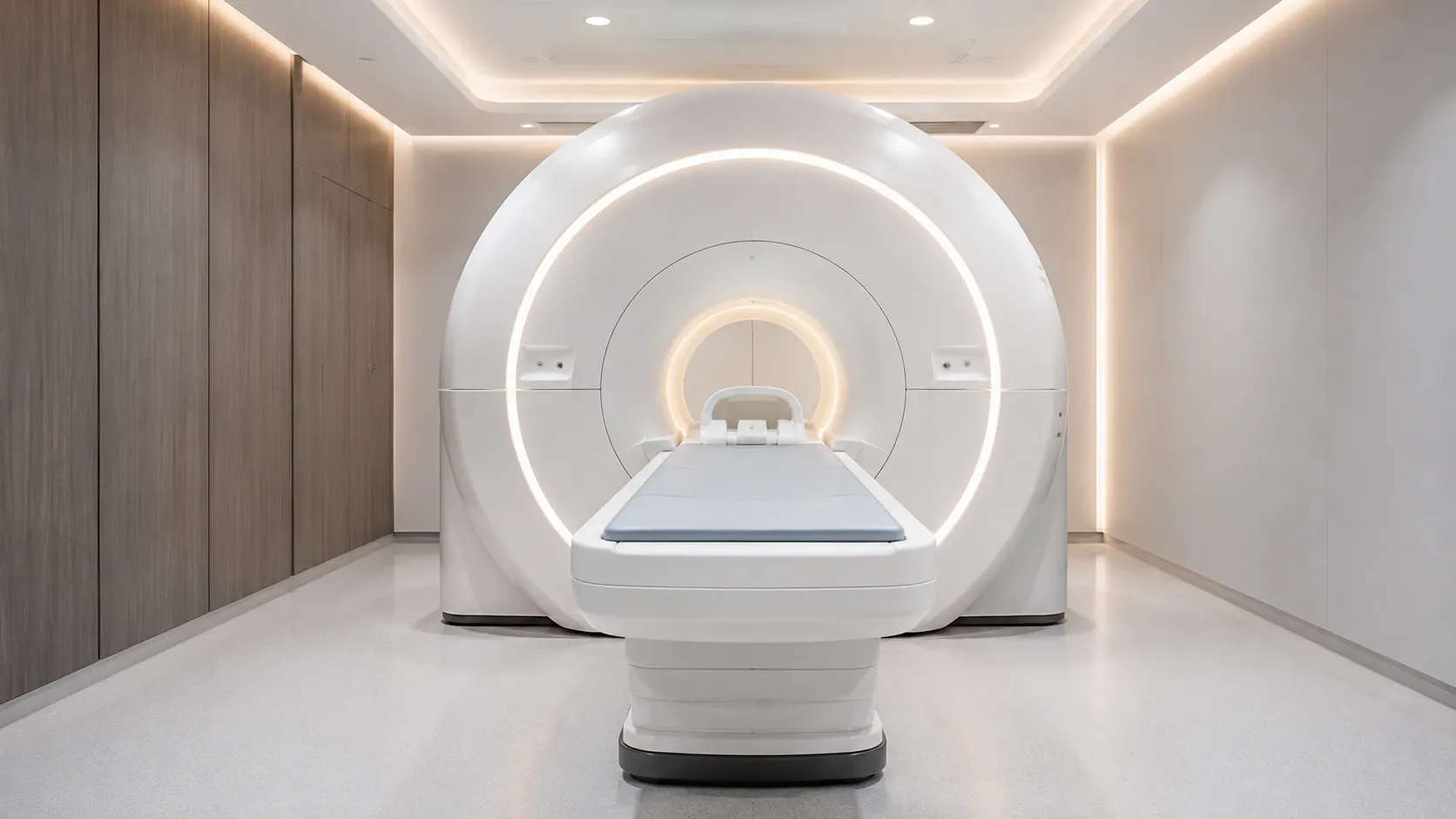
Robotic technologies are increasingly supporting diagnostic imaging departments.
Applications include:
-
Automated patient positioning.
-
Precision imaging workflows.
-
Robotic movement systems.
-
Imaging equipment automation.
-
Integrated workflow management.
These innovations help improve efficiency while supporting consistent imaging procedures.
Laboratory Automation
Clinical laboratories are among the largest adopters of robotic technologies.
Automated laboratory systems can assist with:
-
Sample handling.
-
Specimen sorting.
-
Automated testing.
-
Result processing.
-
Workflow coordination.
-
Quality control support.
Laboratory robotics improves operational efficiency while helping reduce repetitive manual tasks.
Rehabilitation Robotics
Rehabilitation technologies continue evolving through robotic innovation.
Examples include:
-
Robotic gait training systems.
-
Upper limb rehabilitation devices.
-
Robotic physiotherapy equipment.
-
Balance training systems.
-
Mobility assistance technologies.
These systems support rehabilitation programs under the supervision of qualified healthcare professionals.
Pharmacy Automation
Hospital pharmacies increasingly use robotic technologies to improve medication management.
Applications include:
-
Medication dispensing.
-
Inventory management.
-
Prescription preparation.
-
Storage organization.
-
Workflow automation.
Automation helps improve operational efficiency while reducing repetitive manual processes.
Healthcare suppliers interested in expanding their robotics portfolio can explore: business suppliers.
Smart Hospital Logistics
Hospitals are also using robotics beyond direct patient care.
Examples include:
-
Automated transport systems.
-
Supply delivery robots.
-
Inventory movement.
-
Sterile supply transportation.
-
Waste collection support.
These technologies allow healthcare staff to focus more on patient care by automating routine logistical tasks.
Artificial Intelligence and Robotics
Modern robotic medical equipment increasingly incorporates artificial intelligence.
AI supports robotic systems through:
-
Image recognition.
-
Workflow optimization.
-
Predictive maintenance.
-
Equipment diagnostics.
-
Operational analytics.
-
Intelligent automation.
Together, robotics and AI create more adaptive and efficient healthcare technologies.
Connected Robotic Systems
Many robotic devices now integrate with digital hospital infrastructure.
Connected technologies include:
-
Hospital Information Systems (HIS).
-
Electronic Medical Records (EMR).
-
Picture Archiving and Communication Systems (PACS).
-
Cloud-based equipment management.
-
Asset monitoring platforms.
Integration allows healthcare organizations to manage robotic equipment more effectively across departments.
Benefits of Robotics in Medical Equipment
Healthcare facilities adopting robotic technologies may experience several operational benefits.
Improved Precision - Robotic systems enable highly controlled, repeatable movements for appropriate clinical applications.
Increased Efficiency - Automation reduces repetitive manual tasks and streamlines workflows.
Better Equipment Utilisation - Integrated robotic systems help optimise workflows and equipment scheduling.
Enhanced Data Collection - Digital robotic systems generate valuable operational data to support maintenance planning and performance monitoring.
Workflow Standardization - Automation promotes greater consistency across healthcare processes.
Healthcare organizations interested in strategic partnerships can learn more through business partners.
Challenges of Robotic Medical Equipment
Healthcare organizations should also evaluate potential implementation challenges.
Common considerations include:
-
Initial investment costs.
-
Infrastructure requirements.
-
Staff training.
-
Maintenance planning.
-
Software updates.
-
System integration.
-
Cybersecurity considerations.
Careful planning helps maximize the benefits of robotic technologies.
Future of Medical Robotics
Medical robotics continues to advance rapidly.
Emerging innovations include:
-
AI-powered robotic assistants.
-
Autonomous laboratory automation.
-
Intelligent rehabilitation systems.
-
Remote robotic technologies.
-
Cloud-connected robotic platforms.
-
Predictive maintenance systems.
-
Advanced collaborative robotics.
As healthcare continues embracing digital transformation, robotics is expected to play an increasingly important role across hospitals, clinics, laboratories, and healthcare networks worldwide.
Businesses seeking greater visibility within the healthcare industry can discover opportunities through business advertising.
For sourcing assistance, procurement guidance, and product enquiries, support is available through the contact team.
Conclusion
Robotics is reshaping the future of medical equipment by improving precision, automation, efficiency, and digital integration across healthcare environments. From robotic-assisted surgery and laboratory automation to rehabilitation technologies and smart hospital logistics, robotic systems are helping healthcare organizations streamline operations and support healthcare professionals.
As artificial intelligence, connected healthcare, and automation continue evolving, robotics will become an even more important component of modern medical equipment, enabling healthcare facilities to build smarter, more efficient, and future-ready healthcare systems.
Disclaimer
Medigear.uk is a medical equipment supplier and distributor. We do not provide medical, legal, regulatory, or technology implementation advice. This article is for general educational and informational purposes only. Robotic medical equipment features and capabilities vary by manufacturer and intended use. Healthcare organizations should consult qualified healthcare professionals, biomedical engineers, and manufacturers before selecting or implementing robotic medical technologies.