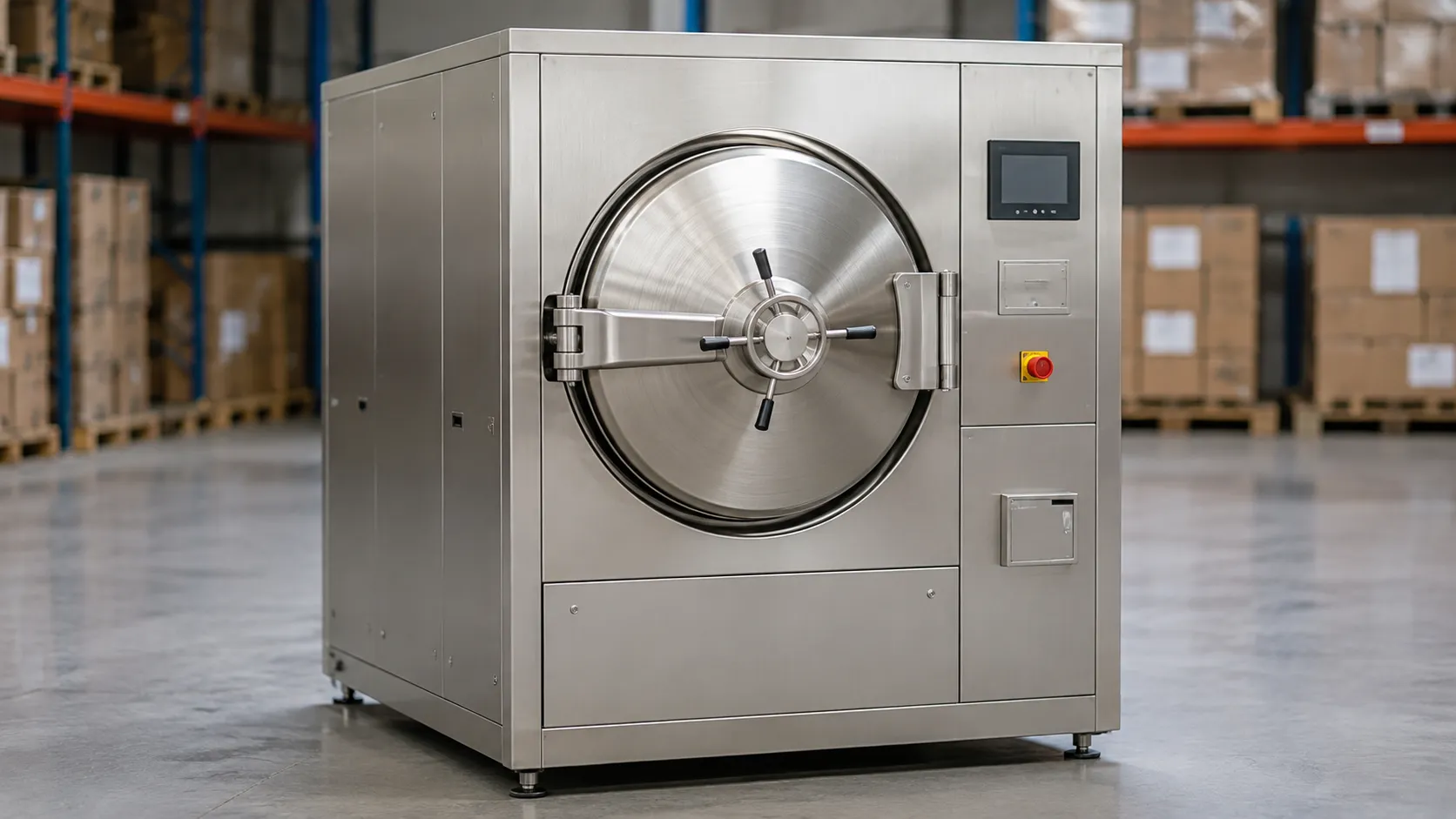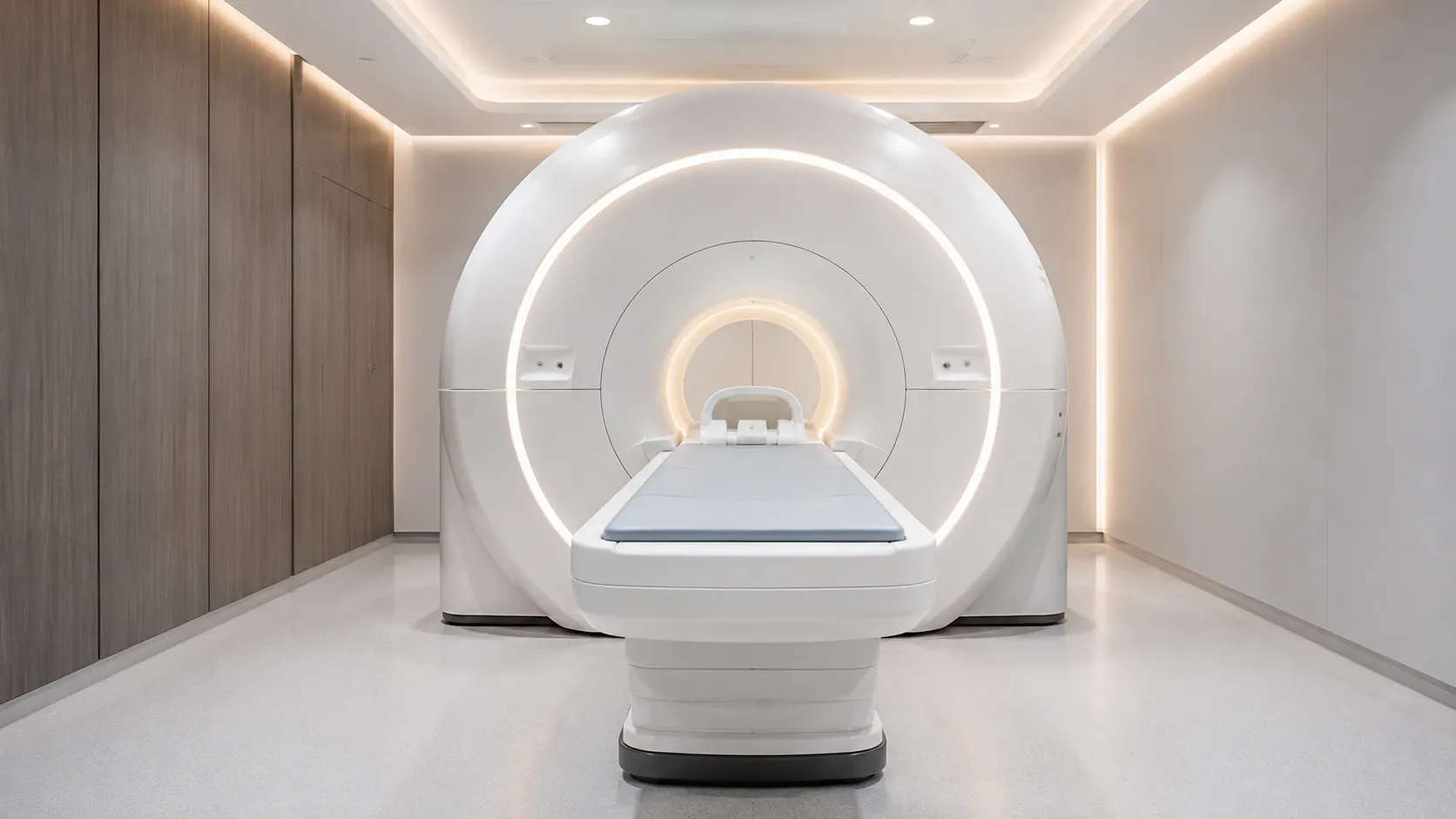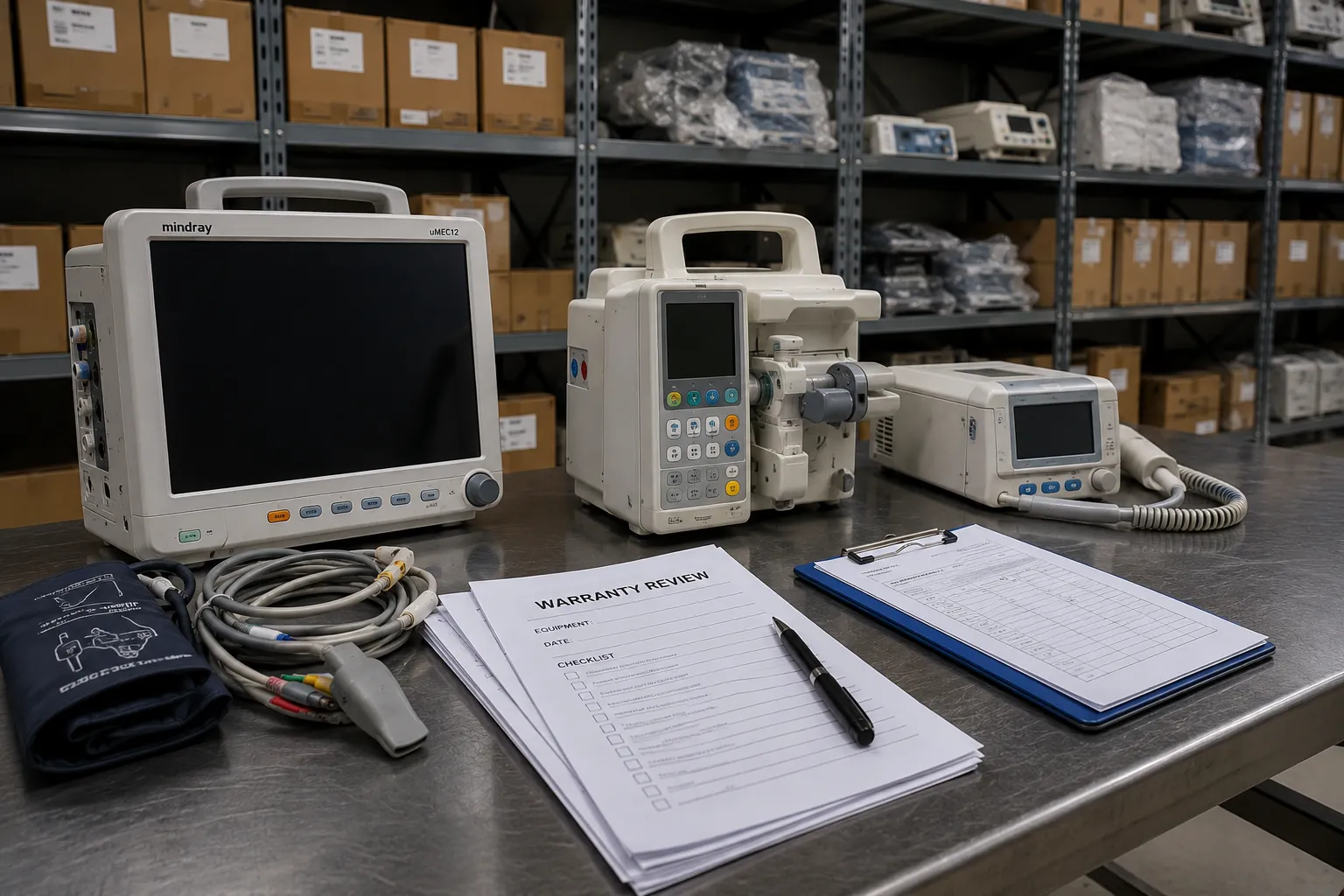
The medical equipment industry is undergoing rapid transformation as healthcare providers embrace digital technologies, automation, artificial intelligence (AI), and connected healthcare systems. Hospitals, clinics, diagnostic centres, laboratories, and home healthcare providers are investing in innovative medical equipment that improves efficiency, supports healthcare professionals, and enhances patient care.
Growing healthcare demands, ageing populations, technological advancements, and the need for more efficient healthcare delivery are driving continuous innovation across the industry. Understanding these emerging trends helps healthcare organizations, distributors, and procurement teams make informed investment decisions and prepare for the future.
This guide explores the key trends expected to shape the medical equipment industry in the coming years.
Artificial Intelligence Will Continue to Expand
Artificial intelligence is becoming a standard feature in modern medical equipment.
AI applications include:
-
Diagnostic image analysis.
-
Clinical decision support.
-
Predictive maintenance.
-
Workflow automation.
-
Data analysis.
-
Resource optimization.
AI helps healthcare professionals process information more efficiently while supporting better operational decision-making.
Smart Medical Equipment Will Become More Common
Medical equipment is becoming increasingly intelligent through embedded sensors, automation, and digital connectivity.
Examples include:
-
Smart patient monitors.
-
Intelligent infusion pumps.
-
Connected ventilators.
-
Digital imaging systems.
-
Smart hospital beds.
-
Automated laboratory analyzers.
These technologies improve equipment performance while supporting more efficient healthcare operations.
Healthcare organizations exploring advanced medical technologies can discover sourcing opportunities through buyer services.
Connected Healthcare Will Continue Growing
Connected medical devices allow hospitals to build integrated healthcare environments.
Growth areas include:
-
Internet of Medical Things (IoMT).
-
Wireless patient monitoring.
-
Connected diagnostic equipment.
-
Remote equipment management.
-
Centralized monitoring systems.
-
Digital healthcare platforms.
Connected technologies improve communication between devices while simplifying healthcare workflows.
Cloud-Based Healthcare Solutions
Cloud technology is changing how healthcare organizations manage medical equipment.
Benefits include:
-
Remote equipment monitoring.
-
Digital maintenance records.
-
Asset management.
-
Centralized reporting.
-
Predictive maintenance.
-
Multi-site equipment management.
Cloud-based platforms improve visibility across healthcare organisations and support more efficient equipment management.
Robotics Will Expand Across Healthcare
Medical robotics continues to evolve beyond surgical applications.
Growing areas include:
-
Robotic-assisted surgery.
-
Laboratory automation.
-
Rehabilitation robotics.
-
Pharmacy automation.
-
Hospital logistics.
-
Equipment transport systems.
Automation helps healthcare facilities improve efficiency while reducing repetitive manual tasks.
Healthcare suppliers interested in expanding their product portfolio can explore: business suppliers.
Home Healthcare Equipment Will See Strong Growth
Demand for home healthcare equipment continues to increase worldwide.
Popular categories include:
-
Oxygen concentrators.
-
Portable patient monitors.
-
Home care beds.
-
Mobility equipment.
-
Rehabilitation devices.
-
Remote monitoring systems.
Ageing populations and growing interest in home-based healthcare continue driving this market.
Wearable Medical Technology
Medical-grade wearable devices continue expanding across healthcare.
Examples include:
-
Continuous ECG monitors.
-
Wearable cardiac monitors.
-
Smart biosensors.
-
Continuous glucose monitoring systems.
-
Portable physiological monitoring devices.
Wearables support long-term health monitoring while improving patient mobility.
Sustainability Will Influence Procurement
Environmental responsibility is becoming an important consideration for healthcare organizations.
Future procurement priorities include:
-
Energy-efficient medical equipment.
-
Longer equipment lifecycles.
-
Sustainable manufacturing.
-
Reduced packaging waste.
-
Equipment refurbishment.
-
Responsible recycling.
Sustainable healthcare practices help organizations reduce environmental impact while improving long-term operational efficiency.
Cybersecurity Will Become a Higher Priority
As more medical devices become connected, cybersecurity will remain a critical focus.
Healthcare organizations are investing in:
-
Secure healthcare networks.
-
Device authentication.
-
Data encryption.
-
Cloud security.
-
Software updates.
-
Continuous cybersecurity monitoring.
Protecting connected medical equipment helps ensure operational continuity and the security of healthcare environments.
Predictive Maintenance Using AI
Traditional maintenance is evolving toward predictive maintenance.
Modern systems can help:
-
Monitor equipment performance.
-
Detect early warning signs.
-
Schedule maintenance automatically.
-
Reduce unexpected downtime.
-
Extend equipment lifespan.
Predictive maintenance improves equipment reliability while reducing long-term operating costs.
Healthcare organisations interested in strategic partnerships can explore business partners.
Digital Hospital Infrastructure
Hospitals continue investing in integrated digital ecosystems.
Important technologies include:
-
Hospital Information Systems (HIS).
-
Electronic Medical Records (EMR).
-
Picture Archiving and Communication Systems (PACS).
-
Laboratory Information Systems (LIS).
-
Digital asset management.
-
Cloud-based healthcare platforms.
Integrated digital infrastructure improves communication, workflow efficiency, and equipment management across healthcare facilities. Personalized Healthcare Technologies
Medical equipment is increasingly supporting personalized healthcare approaches.
Emerging developments include:
-
Precision diagnostics.
-
Patient-specific monitoring.
-
AI-supported treatment planning.
-
Personalized rehabilitation technologies.
-
Advanced wearable devices.
These innovations aim to provide more individualized healthcare solutions.
Future Market Opportunities
Several factors are expected to continue driving medical equipment demand worldwide.
These include:
-
Expanding healthcare infrastructure.
-
Population ageing.
-
Rising healthcare investments.
-
Growth in emerging markets.
-
Digital transformation.
-
Increased demand for preventive healthcare.
-
Advances in artificial intelligence.
-
Continuous innovation in connected medical devices.
Healthcare providers who embrace these trends will be better positioned to meet future healthcare challenges.
Businesses seeking greater visibility within the healthcare industry can discover opportunities through:
For sourcing assistance, procurement guidance, and product enquiries, support is available through the Contact Team.
Conclusion
The future of the medical equipment industry will be shaped by artificial intelligence, robotics, connected healthcare, cloud computing, wearable technologies, sustainability, predictive maintenance, and digital hospital infrastructure. These innovations are helping healthcare organisations improve efficiency, optimise equipment management, and prepare for a more connected and technology-driven healthcare environment.
Organisations that invest in modern medical technologies while planning for long-term scalability and sustainability will be well positioned to succeed in the evolving global healthcare market.
Disclaimer
Medigear.uk is a medical equipment supplier and distributor. We do not provide medical, legal, regulatory, or technology implementation advice. This article is for general educational and informational purposes only. Technology availability, product features, and market trends may vary by manufacturer, region, and regulatory requirements. Healthcare organizations should consult qualified professionals and manufacturers before making procurement or technology investment decisions.