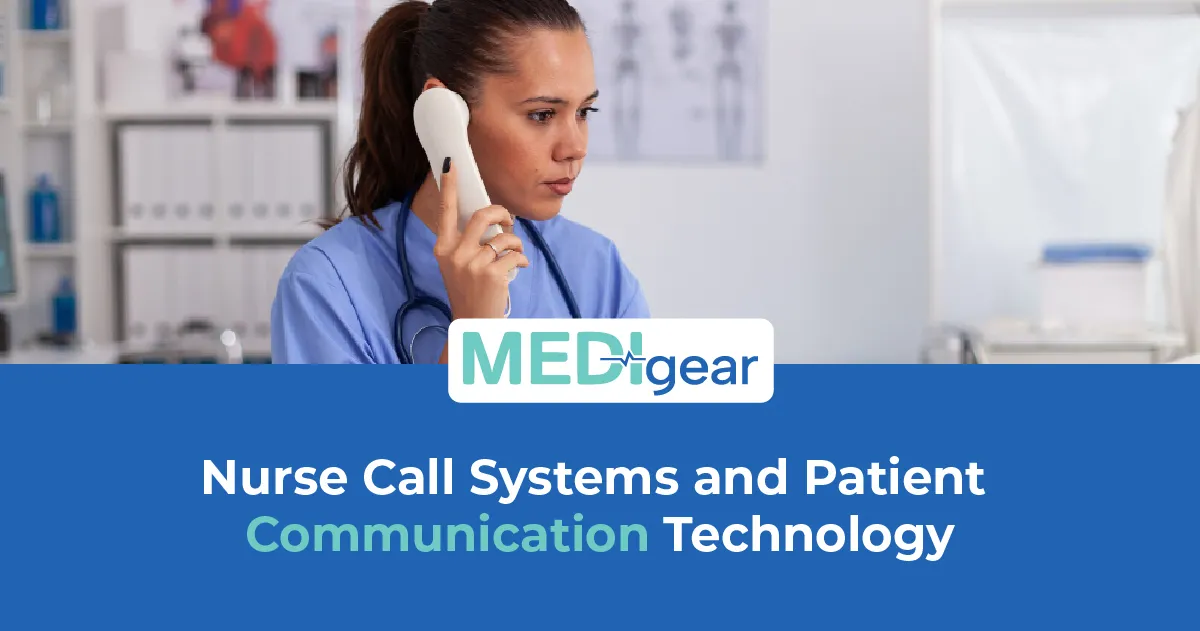
A delayed response to a patient request can affect workflow efficiency, patient satisfaction, and staff coordination. In busy healthcare environments, communication gaps often create operational challenges that extend beyond individual patient rooms. This is where nurse call systems and patient communication technology play a critical role.
Modern healthcare facilities rely on connected communication platforms that help staff receive alerts, prioritise requests, coordinate responses, and improve patient engagement. What was once a simple bedside call button has evolved into an integrated communication ecosystem designed to support clinical efficiency and patient-centred care.
As healthcare providers continue investing in digital infrastructure, nurse call technology has become an essential component of safer and more responsive care environments.
Understanding the Role of Nurse Call Technology
A nurse call system is a communication platform that allows patients to alert healthcare staff when assistance is required. The system typically connects patient rooms, nursing stations, mobile devices, and central monitoring platforms.
Rather than functioning as a standalone alert mechanism, many modern systems now integrate with broader healthcare communication networks.
Supporting Timely Staff Response – Patient requests can be routed directly to designated caregivers, reducing delays and helping staff prioritise urgent situations.
Creating Clear Communication Pathways – Alerts, notifications, and escalation protocols help ensure that patient needs reach the appropriate team member without unnecessary confusion.
Improving Operational Visibility – Real-time monitoring dashboards provide management teams with insights into response times, workflow patterns, and communication performance.
Why Communication Technology Matters in Healthcare Settings
Healthcare environments depend on accurate and immediate communication. Every interaction between patients and caregivers contributes to the overall quality of care delivery.
Patient communication technology supports both clinical and non-clinical interactions by creating reliable channels for information exchange.
Reducing Uncertainty for Patients – Accessible communication tools help patients request assistance without feeling isolated or overlooked.
Supporting Staff Coordination – Communication platforms can streamline interactions between nursing teams, support services, and administrative personnel.
Enhancing Patient Experience Metrics – Faster response times and improved communication often contribute to higher patient satisfaction scores and stronger perceptions of the quality of care.
Components Commonly Found in Modern Systems
Today's communication infrastructure often includes multiple interconnected technologies.
Bedside Communication Devices – Allow patients to request assistance, report needs, or communicate with staff directly from their room.
Mobile Alert Integration – Notifications can be sent to handheld devices carried by healthcare professionals, reducing dependency on centralised nursing stations.
Visual and Audio Notification Systems – Alerts may be displayed through corridor indicators, workstations, mobile applications, or integrated messaging systems.
Workflow Management Tools – Advanced platforms can assign tasks, track acknowledgements, and escalate requests when responses exceed predetermined thresholds.
Data Reporting Capabilities – Administrators can analyse communication trends to identify opportunities for operational improvement.
How Smart Communication Systems Improve Daily Operations
Healthcare organisations increasingly evaluate technology investments based on measurable operational outcomes.
Minimising Response Delays – Automated routing allows requests to reach available staff members more quickly.
Supporting Better Resource Allocation – Communication analytics can reveal staffing patterns and workload distribution across departments.
Reducing Unnecessary Interruptions – Intelligent call categorisation helps teams distinguish routine requests from higher-priority situations.
Improving Accountability – Digital records create visibility into response timelines and communication workflows.
Organisations exploring procurement options can review healthcare purchasing opportunities through Medigear. UK's Buyer Services, which helps connect healthcare decision-makers with relevant equipment categories.
What Procurement Teams Should Evaluate Before Investing
Selecting a communication platform requires more than comparing hardware specifications.
Buyer Insights
Scalability for Future Growth – Facilities should assess whether the system can support future expansions, additional departments, or increased patient capacity.
Integration Compatibility – Communication systems often perform best when they can connect with existing clinical technologies and operational software.
Ease of Staff Adoption – Complex interfaces can slow implementation. User-friendly platforms typically achieve stronger adoption rates.
Reporting and Analytics Functionality – Data-driven insights help organisations measure communication efficiency over time.
Infrastructure Requirements – Understanding installation, networking, and maintenance demands can prevent unexpected costs.
Healthcare suppliers seeking to showcase communication technologies can explore opportunities through Medigear.uk's business supplier, which actively promotes healthcare equipment categories to industry buyers.
Communication Workflows That Influence Patient Satisfaction
Patient satisfaction is often shaped by small interactions throughout a healthcare journey.
Providing Immediate Acknowledgement – Even when direct assistance is not available immediately, confirming receipt of a request can reassure patients.
Reducing Repeated Call Attempts – Effective communication systems help minimise situations in which patients feel compelled to make multiple requests for assistance.
Supporting Personalised Communication – Some platforms enable tailored messaging to improve patient engagement and understanding.
Facilitating Family Communication Support – Integrated systems may assist with communication needs involving caregivers and family members.
Maintenance and Operational Insights
Technology investments deliver greater value when supported by consistent maintenance strategies.
Maintaining Reliable Performance
Routine System Testing – Scheduled testing helps identify communication failures before they affect operations.
Software Update Management – Keeping platforms up to date supports security, stability, and performance improvements.
Staff Training Refreshers – Ongoing education ensures employees remain familiar with system capabilities and workflow protocols.
Monitoring Network Reliability – Communication technology depends heavily on network performance and infrastructure resilience.
Documenting Performance Metrics – Tracking response data helps organisations measure effectiveness and identify areas for improvement.
Facilities requiring technical guidance or assistance with equipment sourcing can connect with the Medigear.uk contact team for additional information.
The Growing Influence of Connected Healthcare Communication
Healthcare communication technology continues evolving alongside broader digital transformation initiatives.
Industry Trends
Expanding Mobile-First Communication Models – Healthcare staff increasingly rely on mobile devices to receive alerts and coordinate tasks.
Integrating Workflow Intelligence – Communication systems are becoming more capable of prioritising requests based on urgency and operational context.
Leveraging Real-Time Performance Data – Administrators can use communication analytics to improve staffing decisions and workflow efficiency.
Supporting Interdepartmental Collaboration – Connected platforms help bridge communication gaps between care teams, support services, and facility operations.
Organisations interested in collaborative healthcare technology initiatives can explore business partner opportunities through Medigear UK's Business Partners.
Healthcare businesses looking to increase visibility for communication technologies may also benefit from Medigear.uk's business Advertise solution.
Disclaimer
Medigear.uk is a medical equipment supplier and distributor. We do not provide medical advice, diagnosis, or treatment recommendations. All information is for educational and product awareness purposes only. Qualified medical professionals should always make healthcare decisions.