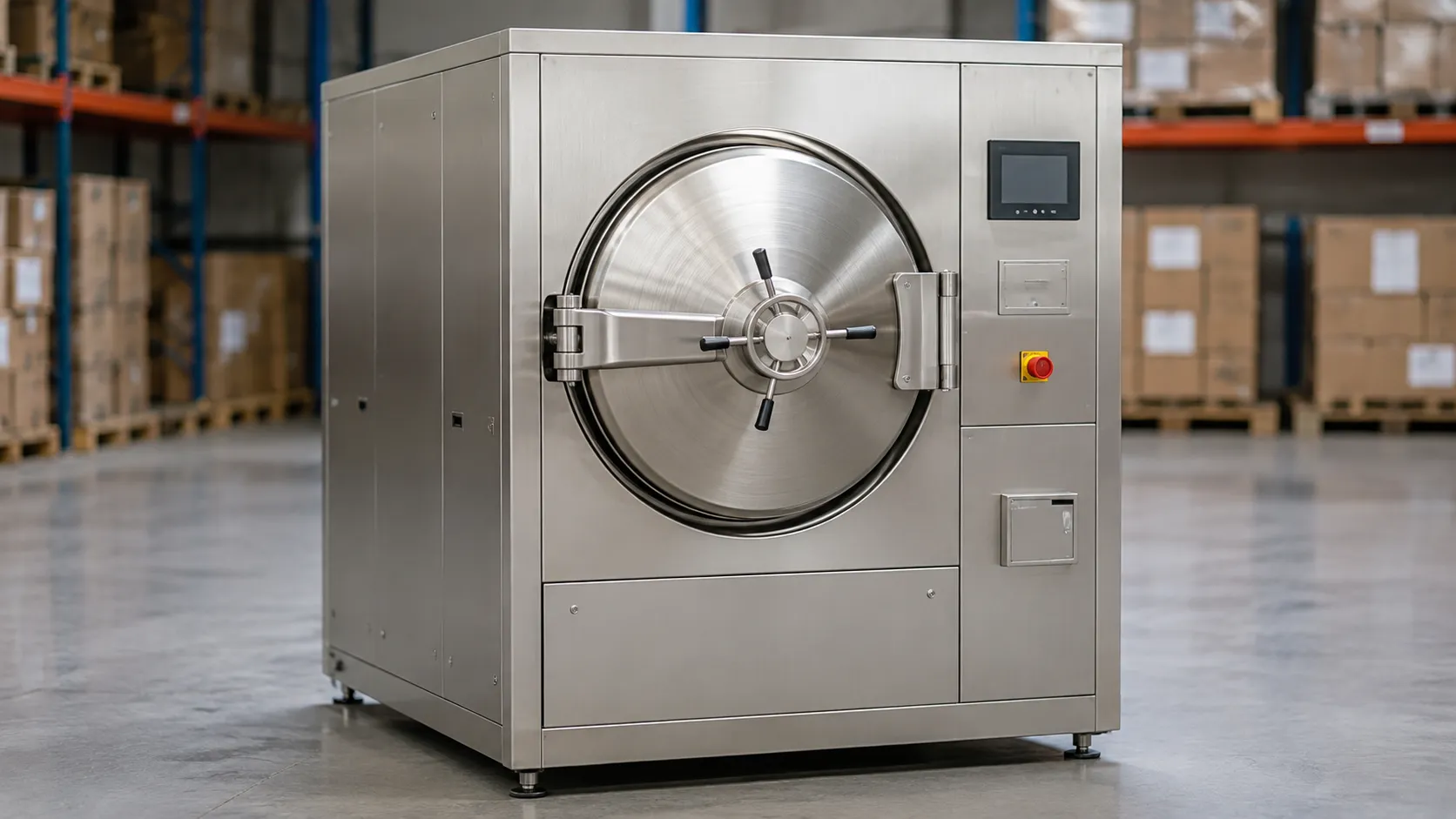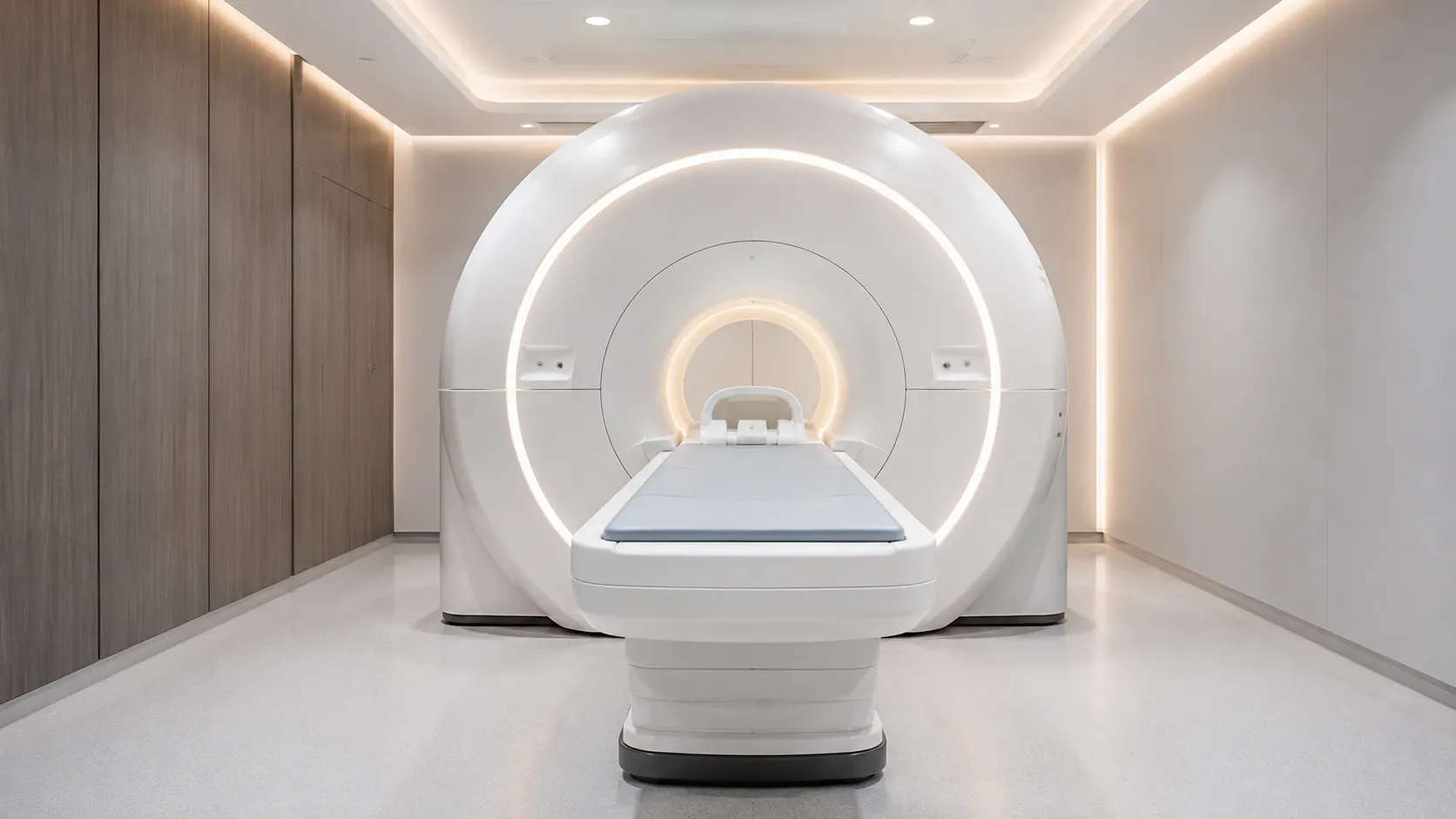
Modern healthcare facilities rely on many hidden infrastructure systems that support patient care and clinical operations. Among these, medical vacuum systems play a critical role in operating theatres, intensive care units, emergency departments, dental clinics, and patient wards. Although patients rarely notice them, these centralised systems help healthcare professionals remove fluids, maintain clear surgical fields, and support various medical procedures safely and efficiently.
Unlike portable suction devices, a centralised medical vacuum system distributes negative pressure throughout a healthcare facility using a dedicated pipeline network. This approach improves workflow, reduces equipment movement, and ensures that suction services are available wherever patient care is delivered.
Healthcare planners often integrate vacuum infrastructure planning with procurement strategies through Medigear.uk's buyer services solutions.
Why Healthcare Facilities Need Medical Vacuum Systems
Medical vacuum systems support a wide range of clinical activities across hospitals and healthcare environments.
Supporting Surgical Procedures – Continuous suction helps remove blood and fluids during operations, improving visibility for surgical teams.
Improving Emergency Care – Vacuum outlets assist in airway management and emergency interventions.
Enhancing Intensive Care Services – Critical care patients often require suction support for respiratory management.
Reducing Equipment Handling – Centralised systems reduce reliance on portable suction units and streamline clinical workflows.
Healthcare facilities planning infrastructure projects may also benefit from Medigear.uk's article,
How Medical Vacuum Systems Work
A hospital vacuum system consists of several interconnected components.
Vacuum Pumps – Generate the negative pressure needed throughout the network.
Receiver Tanks – Store vacuum capacity to maintain stable operation.
Pipeline Network – Distributes suction throughout clinical departments.
Bacterial Filters – Protect equipment and maintain system hygiene.
Control Panels – Monitor system performance and operational status.
Terminal Outlets – Provide healthcare professionals with convenient access to suction at patient care locations.
The entire network operates continuously to ensure reliable suction availability throughout the facility.
Hospital Departments That Depend on Vacuum Systems
Operating Theatres- Surgical environments require dependable suction infrastructure.
Maintaining Clear Surgical Fields – Continuous fluid removal supports procedural efficiency.
Intensive Care Units (ICUs frequently rely on suction for airway management.
Supporting Respiratory Care – Vacuum systems assist with the removal of secretions and patient management.
Emergency Departments- Rapid-response situations often require immediate access to suction.
Improving Emergency Readiness – Centralised outlets help support critical interventions.
Patient Wards- Bedhead units commonly include vacuum, oxygen, and medical air.
Supporting Routine Care – Convenient access to suction improves patient management.
Dental and Procedure Rooms- Various outpatient procedures depend on vacuum technology.
Maintaining Clinical Efficiency – Reliable suction supports smooth procedural workflows.
Healthcare providers reviewing supplier options often explore Medigear.uk's network of business suppliers for infrastructure planning.
Planning Vacuum Systems During Hospital Construction
Vacuum infrastructure should be incorporated during the earliest planning stages.
Matching Department Requirements – Outlet numbers should reflect expected patient demand.
Preparing for Future Growth – Additional capacity supports facility expansion.
Integrating Building Services – Vacuum systems should coordinate with electrical and medical gas infrastructure.
Allowing Maintenance Access – Equipment rooms and valves should remain easily accessible.
Healthcare organisations evaluating construction strategies may also find value in Medigear.uk's guide on
Safety and Reliability Considerations
Modern medical vacuum systems include several safety measures.
Maintaining Continuous Operation – Multiple pumps provide operational redundancy.
Monitoring System Performance – Alarm systems identify abnormal operating conditions.
Supporting Emergency Maintenance – Isolation valves allow servicing without affecting the entire facility.
Protecting Equipment Integrity – Filtration systems help prevent contamination.
Digital Technology Is Changing Vacuum Management
Healthcare infrastructure increasingly benefits from digital monitoring.
Tracking System Performance – Real-time monitoring supports maintenance planning.
Supporting Predictive Maintenance – Analytics can identify servicing requirements before failures occur.
Improving Operational Planning – Performance data helps optimise infrastructure management.
Healthcare organisations interested in collaborative healthcare development may also explore business partnership opportunities with Medigear.uk and the Contact Team at Medigear.uk for procurement guidance.
Building Healthcare Facilities for Future Demand
Medical vacuum systems should accommodate changing healthcare requirements.
Supporting Department Expansion – Flexible infrastructure simplifies future growth.
Reducing Operational Interruptions – Reliable systems help maintain continuous clinical services.
Protecting Long-Term Investments – Careful planning improves infrastructure lifespan.
Buyer Insights for Medical Vacuum Systems
Selecting a medical vacuum system requires long-term infrastructure planning rather than simply choosing suction equipment. Healthcare administrators should evaluate patient capacity, department requirements, expansion plans, maintenance accessibility, and integration with other medical gas services before making procurement decisions.
Assessing Clinical Demand – Operating theatres, intensive care units, emergency departments, recovery areas, and patient wards typically require the highest suction capacity and should guide system sizing.
Planning for Future Growth – Healthcare facilities should consider additional vacuum outlets and pump capacity to accommodate future expansions without major renovations.
Evaluating Installation Expertise – Experienced engineering and installation teams can improve commissioning efficiency and reduce long-term operational issues.
Looking Beyond Initial Costs – Procurement decisions should consider maintenance expenses, spare parts availability, digital monitoring capabilities, and lifecycle operating costs, rather than focusing solely on installation budgets.
Healthcare organisations evaluating procurement strategies may also find useful insights in Medigear.uk's previous article,
Maintenance and Operational Insights- Reliable vacuum systems depend on structured maintenance throughout their operational life.
Scheduling Preventive Maintenance – Routine inspections help identify leaks, pressure fluctuations, and component wear before service interruptions occur.
Maintaining Vacuum Pumps – Regular servicing supports stable suction performance and extends equipment lifespan.
Testing Alarm Systems – Monitoring systems should be checked periodically to ensure accurate fault detection.
Inspecting Filters and Pipelines – Proper filtration and pipeline inspections help maintain hygiene and operational reliability.
Training Healthcare and Technical Teams – Clinical and engineering staff should understand emergency procedures and basic system operation.
Hospitals that implement preventive maintenance programs often experience improved infrastructure reliability and fewer unexpected equipment failures.
Industry Trends Influencing Medical Vacuum Systems- Healthcare infrastructure continues to evolve with advances in technology and facility management.
Smart Monitoring Systems- Digital monitoring platforms provide real-time operational data.
Improving System Visibility – Continuous monitoring helps identify performance changes quickly.
Connected Hospital Infrastructure- Vacuum systems increasingly integrate with digital building management platforms.
Supporting Predictive Maintenance – Connected technologies help identify servicing requirements before failures develop.
Modular Healthcare Expansion- Modern hospitals increasingly adopt flexible infrastructure planning.
Simplifying Facility Growth – Expandable vacuum systems support department additions and future projects.
Sustainable Healthcare Engineering: Hospitals continue to focus on energy-efficient infrastructure.
Optimising Resource Utilisation – Efficient vacuum systems can reduce long-term operating costs.
Healthcare organisations seeking broader industry engagement may also explore advertising opportunities on Medigear.uk's business advertisement.
Disclaimer
Medigear.uk is a medical equipment supplier and distributor. We do not provide medical advice, diagnosis, or treatment recommendations. All information is for educational and product awareness purposes only. Qualified medical professionals should always make healthcare decisions.