Critical care has become one of the fastest-growing segments of healthcare investment across Asia. As healthcare systems expand and modernise, hospitals and healthcare providers are increasingly focusing on intensive care capabilities to support complex patient management, emergency preparedness, and advanced treatment services.
The demand for Intensive Care Unit (ICU) equipment continues to grow across both developed and emerging healthcare markets in Asia. Investments in healthcare infrastructure, population growth, ageing demographics, and advancements in medical technology are driving procurement activity throughout the region.
Understanding the factors behind this growth can help healthcare buyers, distributors, and suppliers identify opportunities while planning for future healthcare requirements.
Healthcare Infrastructure Expansion Is Fueling Growth
Many Asian countries continue to invest heavily in healthcare infrastructure development.
New Hospital Construction – Expanding healthcare networks require modern ICU facilities.
Facility Modernisation Projects – Existing healthcare providers are upgrading critical care departments.
Increased Bed Capacity – Growing patient volumes are creating demand for additional intensive care resources.
Regional Healthcare Development – Investments outside major cities are improving access to advanced care.
These developments continue to support strong demand for ICU-related equipment.
ICU Equipment Categories Experiencing Strong Demand
Critical care environments rely on multiple equipment categories working together to support patient management.
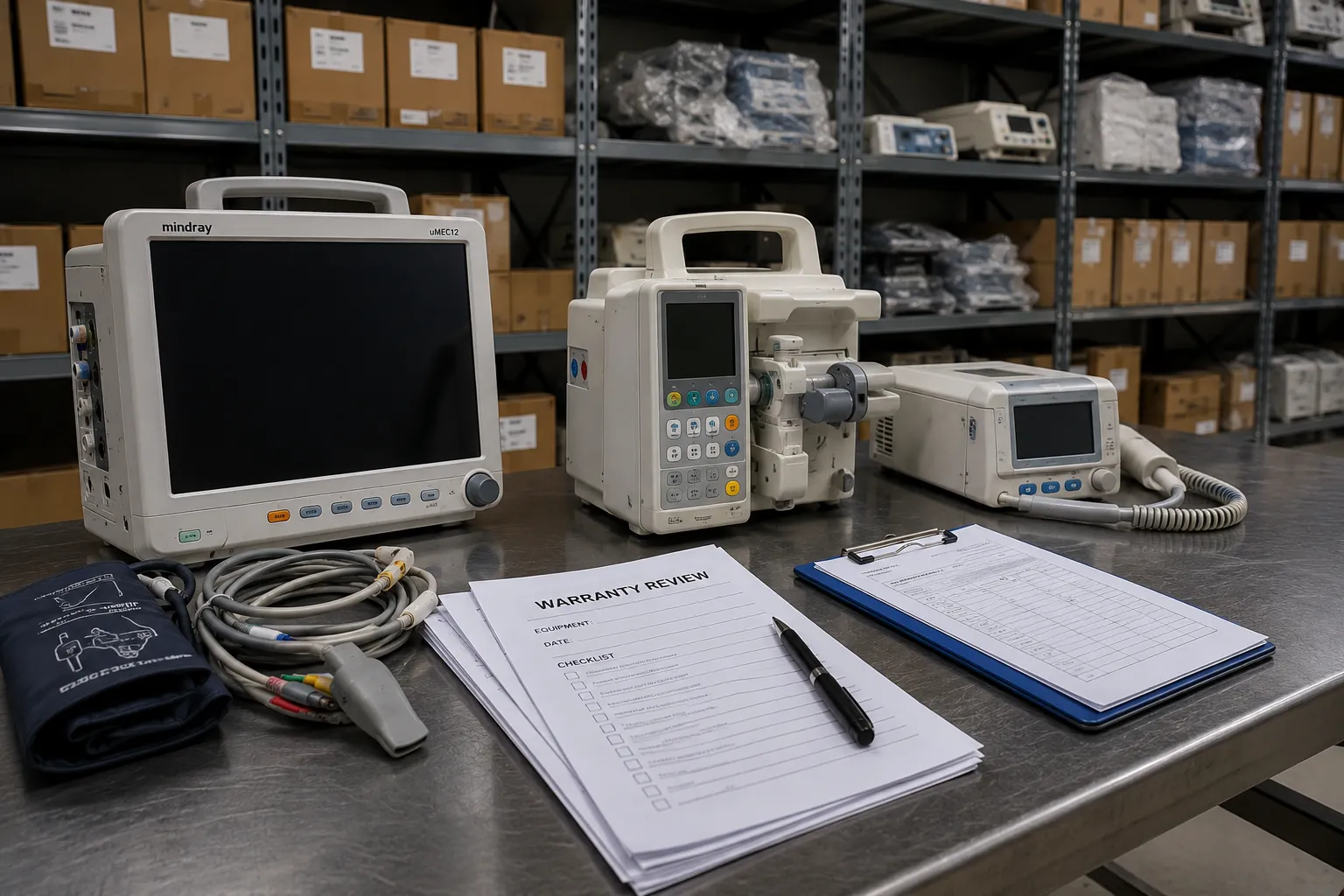
Commonly procured ICU technologies include:
-
Patient monitoring systems.
-
Ventilation equipment.
-
Infusion pumps.
-
Syringe pumps.
-
Defibrillators.
-
Hospital beds.
-
Medical pendants.
-
Respiratory support equipment.
As healthcare providers expand critical care services, demand for these technologies continues to rise.
Patient Monitoring Systems Remain a Core Investment
Monitoring technology is one of the most important components of modern intensive care environments.
Continuous Observation – Monitoring systems provide real-time physiological information.
Supporting Clinical Workflows – Centralised monitoring improves operational visibility.
Expanding Connectivity – Modern systems increasingly integrate with digital healthcare environments.
Healthcare organisations exploring equipment sourcing opportunities can discover solutions through buyer services.
Ventilation Equipment Continues to Drive Procurement
Ventilation systems remain among the most important ICU investments.
Factors contributing to demand include:
Critical Care Expansion – More intensive care units require respiratory support equipment.
Technology Upgrades – Healthcare facilities are replacing ageing systems.
Operational Flexibility – Modern ventilators support diverse care environments.
Ventilation equipment continues to account for a significant share of ICU procurement budgets.
Advanced ICU Beds Are Becoming More Sophisticated
Hospital beds designed for critical care settings continue to evolve.
Common features include:
Electronic Positioning Systems – Supporting patient management.
Integrated Safety Features – Improving operational efficiency.
Enhanced Mobility Functions – Simplifying patient movement.
Caregiver Accessibility – Supporting healthcare workflows.
Modern ICU beds are increasingly viewed as integrated care platforms rather than simple furniture.
Digital Healthcare Is Transforming Critical Care
Technology integration is reshaping ICU equipment purchasing decisions.
Emerging trends include:
Central Monitoring Networks – Supporting equipment connectivity.
Cloud-Based Data Management – Improving information accessibility.
Remote Monitoring Capabilities – Enhancing operational flexibility.
Artificial Intelligence Applications – Supporting workflow optimisation and data analysis.
Digital healthcare technologies are becoming important considerations in procurement.
Healthcare suppliers interested in expanding their regional market presence can explore: business suppliers.
Ageing Populations Are Influencing Demand
Several Asian countries are experiencing demographic changes that affect healthcare requirements.
Increasing Healthcare Utilisation – Growing demand for advanced care services.
Long-Term Critical Care Requirements – Expanding need for specialised equipment.
Healthcare Capacity Planning – Supporting future patient volumes.
These trends continue to influence investments in ICU infrastructure and equipment.
Procurement Teams Are Focusing on Long-Term Value
Healthcare buyers increasingly evaluate ICU equipment using broader investment criteria.
Important considerations include:
Equipment Reliability – Supporting uninterrupted operation.
Maintenance Support – Improving long-term equipment availability.
Staff Training Requirements – Supporting effective implementation.
Future Scalability – Accommodating healthcare expansion plans.
Total Cost of Ownership – Considering long-term operational expenses.
Strategic procurement planning helps maximise the value of investment.
Supply Chain and Distribution Considerations
As demand for ICU equipment grows, efficient distribution networks become increasingly important.
Key challenges include:
Equipment Availability – Maintaining reliable supply chains.
Technical Support Requirements – Supporting equipment deployment.
Spare Parts Management – Reducing downtime.
Cross-Border Logistics – Facilitating equipment movement across diverse markets.
Strong distribution capabilities help support healthcare expansion throughout Asia.
Healthcare organisations interested in strategic collaboration opportunities can explore: business partners.
Future Trends Shaping ICU Equipment Demand
Several developments are expected to influence future procurement activity.
Smart ICU Technologies – Increasing equipment connectivity.
Portable Critical Care Equipment – Supporting flexible deployment.
Integrated Patient Monitoring Platforms – Improving workflow efficiency.
Advanced Respiratory Support Solutions – Expanding critical care capabilities.
Predictive Maintenance Systems – Supporting equipment management.
Healthcare facilities continue to seek technologies that improve efficiency while supporting future healthcare demands.
Businesses looking to increase visibility within the healthcare industry can discover opportunities through business advertise
For sourcing assistance, procurement guidance, and equipment enquiries, support is available through contact.
Conclusion
The rising demand for ICU equipment across Asia reflects broader healthcare transformation throughout the region. Investments in healthcare infrastructure, critical care expansion, digital healthcare technologies, and advanced patient management systems continue to drive procurement activity.
As healthcare providers strengthen intensive care capabilities, demand for monitoring systems, ventilators, ICU beds, infusion devices, and connected healthcare technologies is expected to remain strong. Organisations that understand these evolving trends will be better positioned to support future healthcare requirements and long-term operational success.
Disclaimer
Medigear.uk is a medical equipment supplier and distributor. We do not provide medical advice, diagnosis, or treatment recommendations. All information is for educational and product awareness purposes only. Qualified medical professionals should always make healthcare decisions.