A hospital ward serves as the operational centre for patient care. Every piece of equipment within that space influences patient comfort, staff efficiency, safety standards, and overall healthcare delivery.
Modern wards are no longer built around beds alone. Today's healthcare environments require a carefully coordinated combination of furniture, mobility solutions, monitoring devices, storage systems, and support equipment. The goal is simple: create a setting where healthcare professionals can deliver effective care while maintaining patient safety and comfort.
This guide explores the essential equipment commonly found in modern hospital wards and highlights what healthcare buyers should consider when planning upgrades or new facility projects.
Building a Functional Patient Care Environment
A well-equipped ward supports both patients and caregivers throughout every stage of care.
Creating Efficient Workflows – Equipment should help healthcare teams perform daily tasks with minimal delays and unnecessary movement.
Supporting Patient Recovery – Comfortable and accessible ward environments contribute to better patient experiences and smoother care delivery.
Preparing for Changing Demands – Modern healthcare facilities increasingly seek flexible solutions that adapt to evolving patient needs.
Patient Beds Remain the Foundation of Every Ward
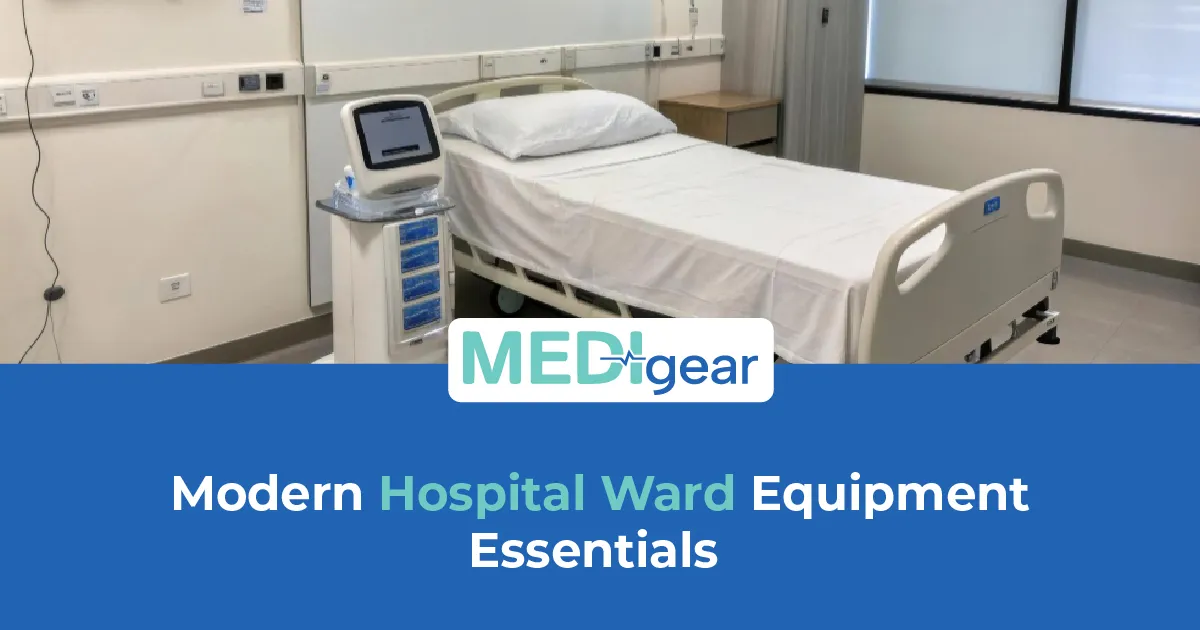
Hospital beds remain among the most important investments in any healthcare environment.
Supporting Safe Patient Positioning – Adjustable bed systems help accommodate patient comfort, mobility requirements, and caregiver accessibility.
Improving Daily Care Activities – Height adjustment and positioning capabilities assist healthcare professionals during examinations, treatment, and routine patient care.
Healthcare facilities frequently evaluate bed selection alongside broader infrastructure planning to ensure consistency throughout patient care areas.
Bedside Furniture That Supports Daily Operations
Furniture remains an essential component of ward functionality.
Bedside Cabinets Keeping Personal Items Accessible – Bedside storage supports patient convenience and helps maintain an organized care environment.
Overbed Tables Supporting Flexible Patient Use – Overbed tables assist with meals, reading, and personal activities while patients remain in bed.
Visitor Seating Improving Patient Experience – Comfortable visitor seating contributes to a more supportive environment for patients and families.
Healthcare teams planning furniture investments often reference procurement considerations similar to those discussed in Medigear.uk's hospital furniture buying guide.
Patient Monitoring Equipment and Observation Tools
Modern wards increasingly rely on technology to support patient observation.
Providing Continuous Clinical Visibility – Monitoring systems help healthcare professionals track patient status more efficiently.
Supporting Early Intervention Strategies – Accessible monitoring equipment contributes to timely decision-making and improved workflow coordination.
The complexity of monitoring systems varies with ward specialization and patient acuity.
Mobility Equipment for Safe Patient Movement
Patient movement remains a daily requirement in healthcare environments.
Reducing Physical Strain on Staff – Transfer equipment and mobility aids support safer patient handling processes.
Enhancing Patient Comfort During Movement – Appropriate mobility solutions help improve transportation and repositioning experiences.
Common ward mobility equipment may include:
-
Transfer chairs
-
Wheelchairs
-
Patient transfer aids
-
Mobility assistance devices
-
Transport equipment
Medical Trolleys and Mobile Storage Solutions
Efficient access to equipment is essential within busy wards.
Keeping Supplies Organized – Mobile storage systems help healthcare teams quickly locate equipment when needed.
Supporting Flexible Workspaces – Trolleys allow supplies and instruments to move where patient care is taking place.
Medical trolley planning often complements broader ward workflow optimization initiatives.
Equipment That Supports Infection Prevention
Infection prevention remains a priority across healthcare environments.
Facilitating Effective Cleaning Procedures – Equipment should support regular cleaning without compromising durability.
Reducing Contamination Risks – Materials and designs that simplify sanitation contribute to safer ward environments.
Healthcare procurement teams increasingly evaluate infection-control compatibility alongside performance and durability.
Procurement Considerations for Healthcare Buyers
Ward equipment planning involves balancing clinical needs, budgets, and long-term operational goals.
Evaluating Ward Requirements
Before making purchasing decisions, facilities should assess:
-
Patient volume
-
Ward specialization
-
Available space
-
Equipment utilization rates
-
Maintenance capabilities
-
Future expansion plans
Healthcare buyers seeking equipment sourcing opportunities can explore the Medigear.uk marketplace for procurement support and buyer services.
Prioritising Long-Term Value Looking Beyond Initial Costs – Durable equipment often delivers greater value over its service life.
Supporting Operational Reliability – Consistent performance helps reduce disruptions and maintenance challenges.
Organizations seeking trusted equipment providers can review supplier opportunities via Business Suppliers.
Maintaining Equipment Reliability Across the Ward
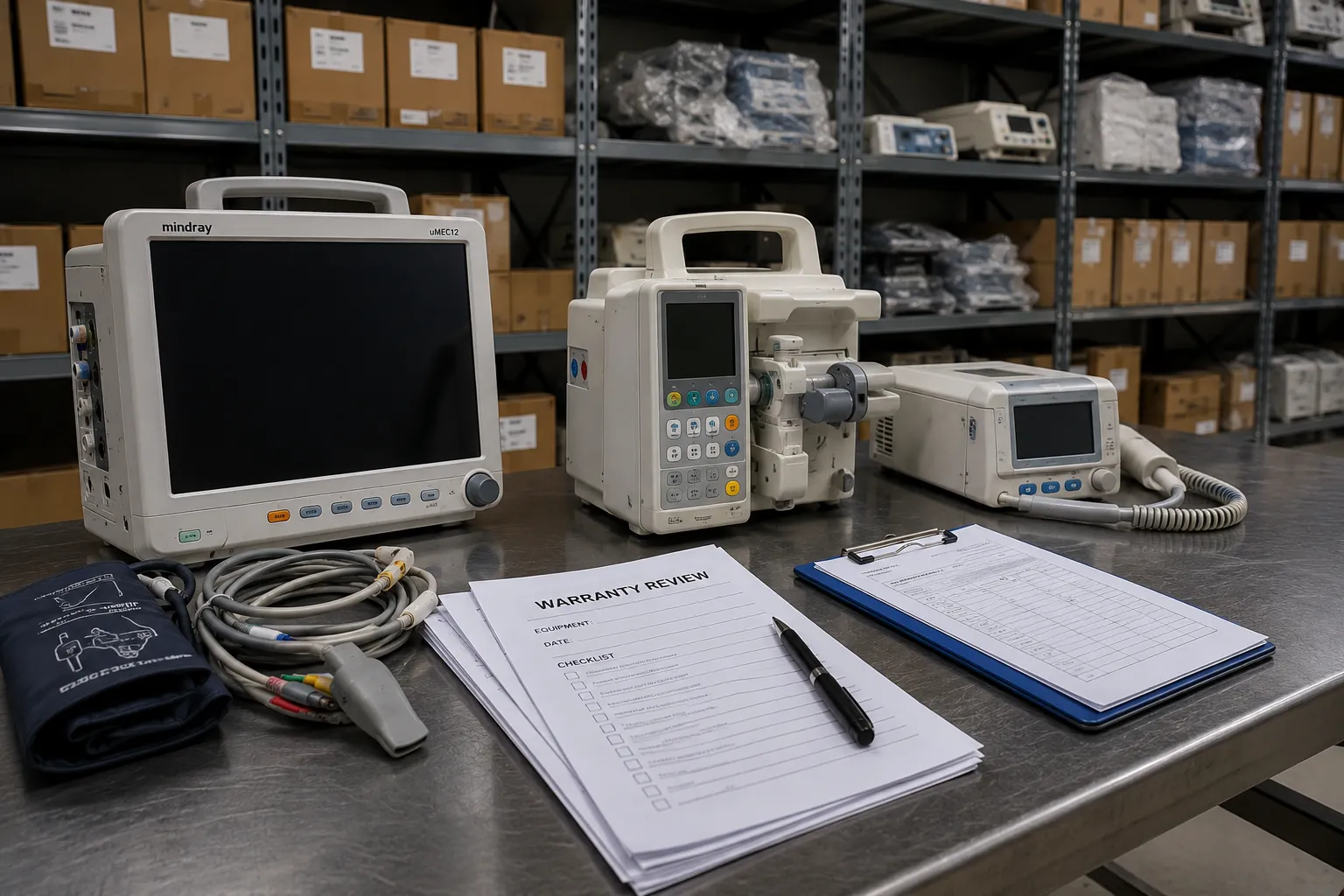
Equipment performance depends heavily on ongoing maintenance practices.
Establishing a Routine Inspection Program.s Regular checks should include:
-
Mechanical systems
-
Wheels and casters
-
Safety components
-
Electrical functions
-
Structural integrity
Supporting Equipment Longevity
Preventing Unexpected Downtime – Scheduled maintenance helps identify issues before they affect patient care.
Protecting Capital Investments – Proper servicing extends equipment lifespans.
Cleaning and Environmental Management - Routine cleaning supports both equipment preservation and healthcare hygiene standards.
Future Trends Shaping Hospital Ward Design
Healthcare facilities continue to invest in modernisation initiatives that improve patient experiences and operational performance.
Connected Equipment Ecosystems – Equipment integration is becoming increasingly important as healthcare environments adopt digital infrastructure.
Greater Focus on Patient-Centred Design – Modern wards prioritise comfort, accessibility, and ease of use.
Flexible Infrastructure Planning – Facilities increasingly seek equipment that can adapt to changing operational requirements.
Data-Driven Asset Management – Technology-assisted equipment monitoring may help improve maintenance planning and resource utilisation. Organisations interested in industry collaboration opportunities can learn more through business partners.
Healthcare suppliers looking to increase visibility within the healthcare equipment sector can explore promotional opportunities in business advertising.
For procurement assistance, supplier inquiries, or equipment-related questions, visit the contact team.
Disclaimer
Medigear.uk is a medical equipment supplier and distributor. We do not provide medical advice, diagnosis, or treatment recommendations. All information is for educational and product awareness purposes only. Qualified medical professionals should always make healthcare decisions.