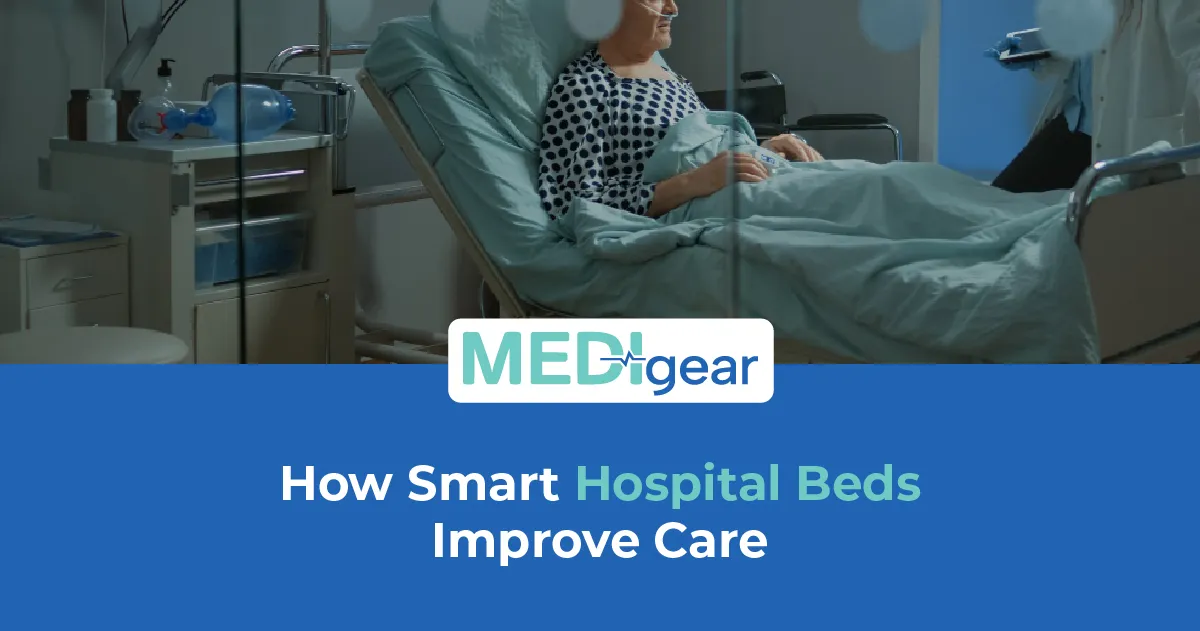
Hospital beds have evolved far beyond simple patient support furniture. In many modern healthcare facilities, they are becoming active contributors to patient care, safety management, workflow efficiency, and clinical decision-making.
As healthcare organisations invest in digital infrastructure, smart hospital beds are emerging as a valuable component of connected care environments. These advanced systems integrate monitoring capabilities, automated functions, and data-sharing features that help healthcare professionals manage patient care more effectively.
This guide explores how smart hospital beds improve care, what technologies they incorporate, and why healthcare buyers are increasingly considering them during procurement planning.
Why Healthcare Facilities Are Investing in Smarter Bed Technology
Healthcare environments face growing demands related to patient safety, staffing efficiency, and operational performance.
Traditional hospital beds provide essential positioning and mobility functions. Smart hospital beds expand these capabilities by introducing digital features that support both patients and caregivers.
Supporting More Informed Care Decisions – Connected technologies provide healthcare professionals with better visibility into patient conditions and equipment status.
Reducing Workflow Interruptions – Automated functions and monitoring systems help streamline routine care activities.
Improving Resource Management – Smart infrastructure can support equipment tracking, maintenance planning, and operational oversight.
What Makes a Hospital Bed "Smart"?
A smart hospital bed combines traditional patient support features with integrated digital technology.
Common capabilities may include:
-
Patient movement monitoring
-
Bed exit detection
-
Occupancy sensing
-
Position tracking
-
Automated adjustment functions
-
Data connectivity
-
Maintenance alerts
-
Integration with healthcare systems
The specific features vary depending on the intended clinical application and facility requirements.
Enhancing Patient Safety Through Intelligent Monitoring
Patient safety remains one of the strongest drivers behind smart bed adoption.
Detecting Patient Movement Earlier
Supporting Fall Prevention Efforts – Smart beds can help detect when patients attempt to leave the bed unexpectedly.
These systems may provide alerts that enable healthcare professionals to respond more quickly.
Monitoring Bed Positioning
Encouraging Appropriate Patient Positioning – Position tracking capabilities can help caregivers verify that beds remain configured according to care requirements.
Proper positioning supports comfort and assists with daily care activities.
Improving Visibility Across Patient Wards
Providing Real-Time Status Information – Connected beds can help staff monitor bed conditions and occupancy levels more efficiently.
Healthcare facilities increasingly view these capabilities as valuable additions to patient safety strategies.
Supporting Better Caregiver Workflows
Technology should simplify work rather than create additional administrative burden.
Reducing Manual Checks
Automating Routine Monitoring Tasks – Smart beds can provide automated notifications regarding bed status, positioning, and patient activity.
This helps staff focus more attention on direct patient care activities.
Improving Equipment Accessibility
Making Information Accessible – Digital interfaces can simplify equipment operation and provide useful operational data.
Supporting Faster Response Times
Helping Staff Prioritise Care Activities – Real-time alerts may enable quicker decision-making and more efficient workload management.
Helping Manage Pressure Care and Patient Comfort
Long-term patient positioning remains an important aspect of healthcare operations.
Supporting Pressure Management Strategies – Some smart beds incorporate features that assist with patient repositioning schedules and monitoring.
Improving Comfort During Extended Stays – Advanced adjustment systems help accommodate individual patient needs while supporting caregiver accessibility.
Facilities comparing patient support solutions often evaluate smart beds alongside resources that discuss ICU beds versus standard hospital beds, as well as broader hospital ward equipment planning.
Advantages for Healthcare Operations and Asset Management
The benefits of smart technology extend beyond direct patient care.
Equipment Performance Monitoring
Reducing Unexpected Downtime – Some systems provide maintenance notifications that help facilities identify issues before failures occur.
Supporting Data-Driven Decisions
Improving Operational Visibility – Equipment usage information may help procurement teams make more informed purchasing and replacement decisions.
Enhancing Resource Allocation
Understanding Equipment Utilisation Patterns – Connected systems can help facilities manage healthcare assets more efficiently.
Procurement Considerations Before Investing
Smart hospital beds often represent a larger investment than traditional bed systems.
Healthcare buyers should evaluate:
-
Clinical requirements
-
Integration capabilities
-
Staff training needs
-
Maintenance expectations
-
Infrastructure compatibility
-
Long-term operational goals
Healthcare organisations exploring sourcing options can review available solutions through the Medigear.uk buyer marketplace: buyer services.
When assessing suppliers and equipment providers, organisations can also explore opportunities through business suppliers.
Maintaining Smart Hospital Beds
Advanced technology requires structured maintenance planning.
Routine System Inspection:s Healthcare facilities should regularly assess:
-
Sensor functionality
-
Electrical systems
-
Connectivity performance
-
Bed adjustment mechanisms
-
Safety components
-
Software updates
Staff Training Remains Essential
Maximising Technology Value – Even advanced systems require appropriate user training to achieve their intended benefits.
Balancing Reliability and Complexity: Smart beds have more components than conventional models, making preventive maintenance especially important.
The Future of Connected Patient Care
Healthcare technology continues evolving toward greater connectivity and automation.
Expanding Integration Across Healthcare Systems – Future smart beds may become increasingly connected with broader digital healthcare ecosystems.
Supporting Predictive Maintenance Models – Advanced analytics could help identify service needs before equipment issues develop.
Improving Patient-Centred Care Environments – Smart technologies are increasingly designed to enhance both patient experiences and healthcare workflows.
Organisations interested in healthcare innovation partnerships can learn more through business partners.
Healthcare suppliers seeking greater industry visibility can explore promotional opportunities through business advertising.
For procurement assistance, equipment inquiries, or healthcare technology discussions, visit: Contact Team
Disclaimer
Medigear.uk is a medical equipment supplier and distributor. We do not provide medical advice, diagnosis, or treatment recommendations. All Information is for educational and product awareness purposes only. Qualified medical professionals should always make healthcare decisions.