Emerging healthcare markets are playing an increasingly important role in the global healthcare industry. Rapid population growth, expanding healthcare infrastructure, rising healthcare investments, and increasing demand for modern medical services are creating significant opportunities for healthcare providers, suppliers, and distributors.
As healthcare systems continue to evolve, selecting the right medical equipment is essential to supporting operational efficiency, improving accessibility, and preparing for future growth. The most valuable equipment often combines reliability, scalability, ease of maintenance, and practical functionality.
This guide explores the medical equipment categories that are helping shape healthcare development across emerging markets worldwide.
Diagnostic Imaging Equipment Remains a Top Priority
Diagnostic services are often among the first areas targeted for healthcare modernisation.
Commonly adopted technologies include:
-
Digital X-ray systems.
-
Ultrasound equipment.
-
Computed tomography systems.
-
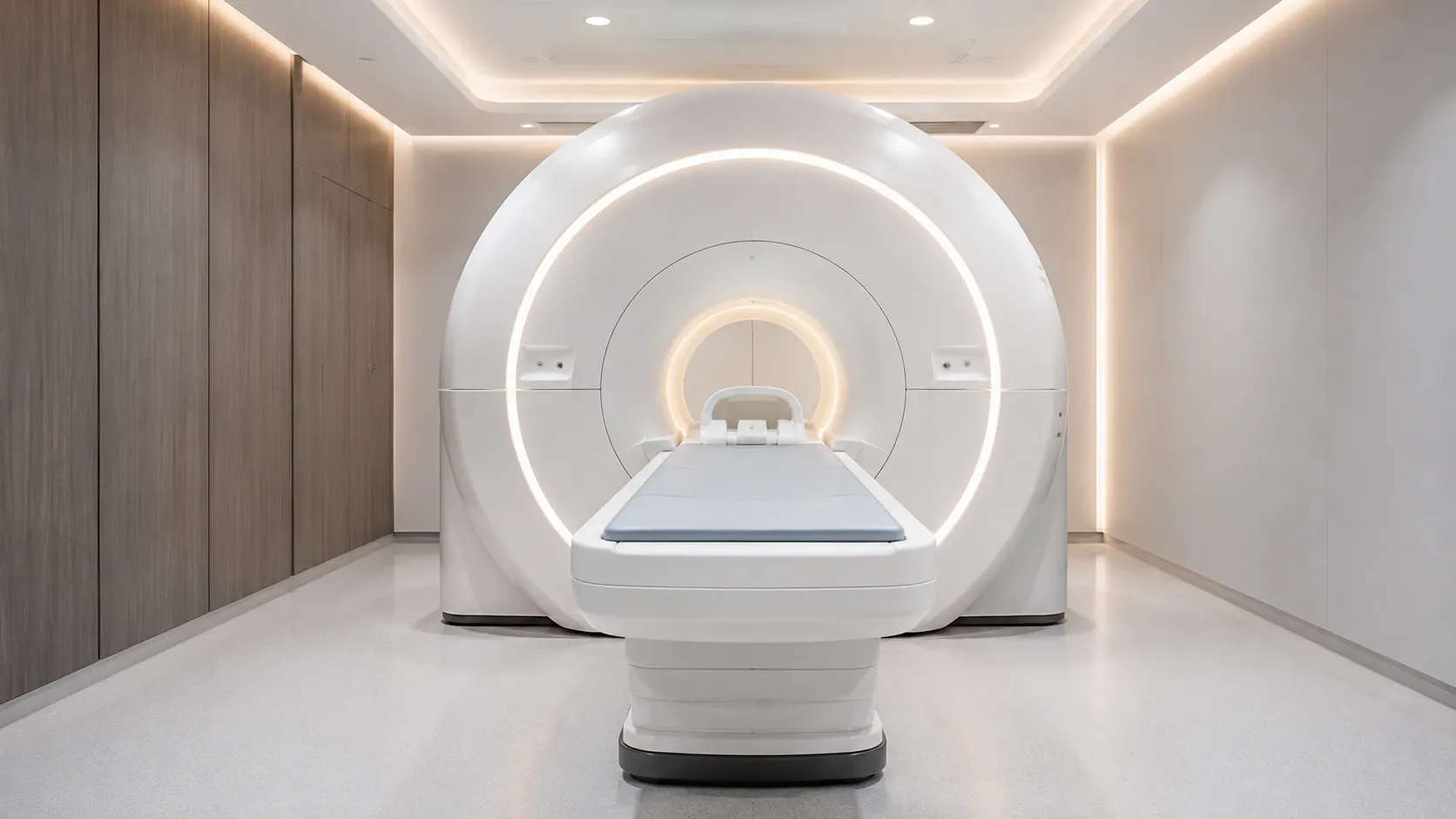
Magnetic resonance imaging systems.
-
Mobile imaging solutions.
Supporting Faster Clinical Workflows – Modern imaging technologies improve examination efficiency.
Expanding Diagnostic Capabilities – Advanced imaging supports a wider range of healthcare services.
Improving Equipment Accessibility – Portable systems can reach underserved locations.
Diagnostic imaging continues to represent a major investment category in developing healthcare systems.
Patient Monitoring Equipment Supports Healthcare Expansion
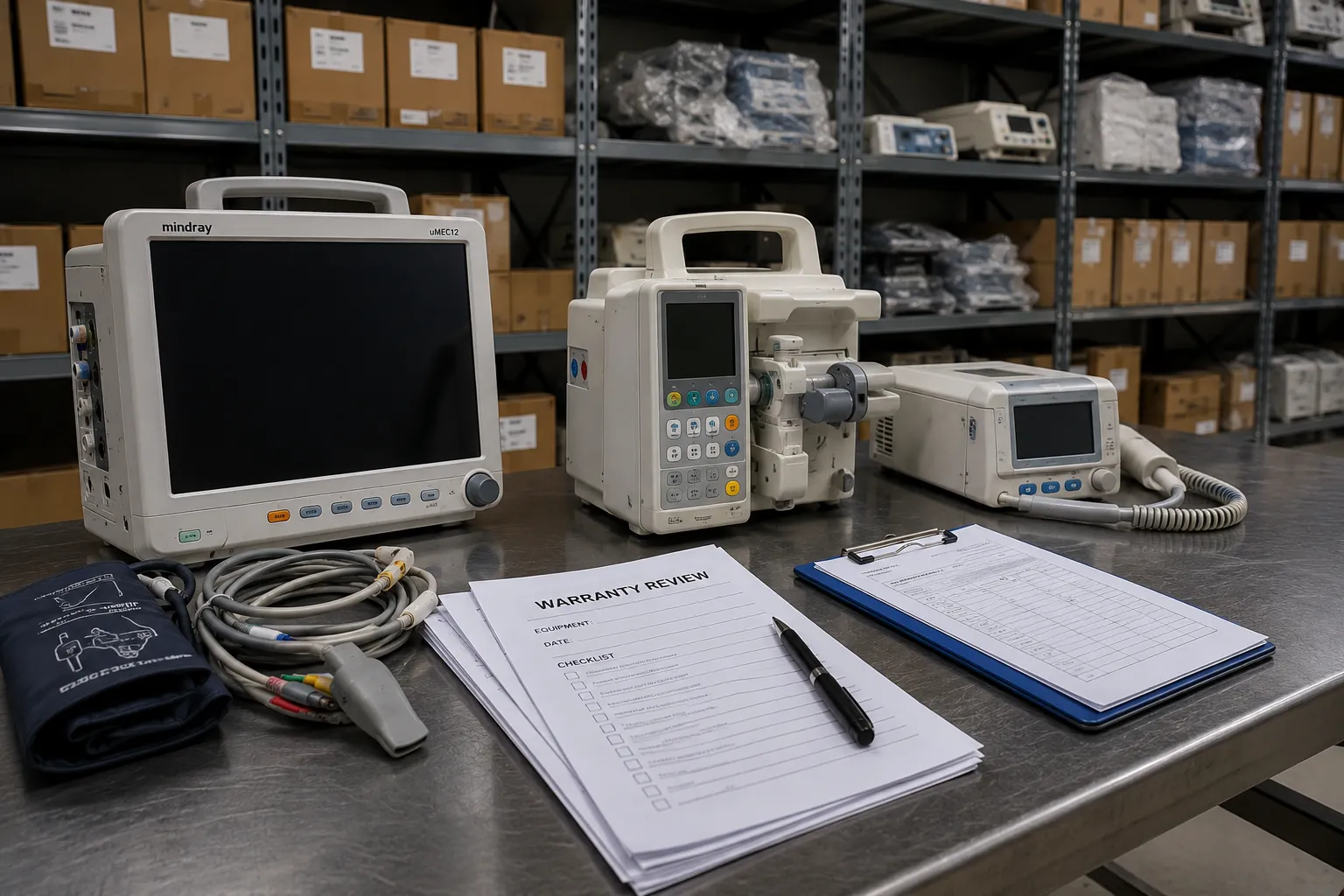
Patient monitoring technologies help healthcare providers observe physiological conditions across various care environments.
Frequently used equipment includes:
-
Multiparameter monitors.
-
Portable patient monitors.
-
Vital signs monitors.
-
Pulse oximeters.
-
Cardiac monitoring systems.
Enhancing Operational Visibility – Continuous monitoring supports informed decision-making.
Supporting Critical Care Development – Monitoring systems remain essential in intensive care environments.
Healthcare organisations exploring sourcing opportunities can discover solutions through buyer services.
Laboratory Equipment Drives Diagnostic Growth
Laboratory diagnostics are becoming increasingly important as healthcare systems expand.
Key equipment categories include:
Clinical Chemistry Analysers – Supporting routine laboratory testing.
Haematology Systems – Assisting blood analysis workflows.
Immunoassay Equipment – Expanding diagnostic capabilities.
Molecular Diagnostic Platforms – Supporting advanced laboratory services.
Laboratory modernisation often plays a central role in healthcare infrastructure development.
Portable Medical Devices Offer Flexibility
Healthcare providers in emerging markets frequently value equipment that can operate across different environments.
Popular portable solutions include:
-
Portable ultrasound systems.
-
Mobile X-ray equipment.
-
Handheld diagnostic devices.
-
Portable monitoring systems.
-
Battery-powered healthcare equipment.
Supporting Rural Healthcare Access – Mobile technologies improve equipment reach.
Reducing Infrastructure Constraints – Portable devices often require less permanent installation.
Flexibility remains a major advantage in rapidly developing healthcare environments.
Oxygen Delivery Equipment Continues to See Strong Demand
Respiratory support technologies remain important across many healthcare settings.
Common products include:
-
Oxygen concentrators.
-
Portable oxygen systems.
-
Respiratory support devices.
-
Nebuliser systems.
Simplifying Oxygen Availability – Concentrator technologies reduce dependence on cylinder logistics.
Supporting Diverse Healthcare Environments – Portable solutions improve accessibility.
Healthcare suppliers interested in expanding their market reach can explore opportunities through business suppliers
Hospital Furniture Supports Infrastructure Development
Furniture is often a foundational investment in expanding healthcare facilities.
Important categories include:
-
Hospital beds.
-
Examination tables.
-
Patient stretchers.
-
Overbed tables.
-
Medical carts.
Improving Operational Organisation – Proper furniture supports efficient workflows.
Supporting Patient Comfort – Well-designed furniture contributes to healthcare environments.
Healthcare infrastructure growth continues to drive demand for these essential products.
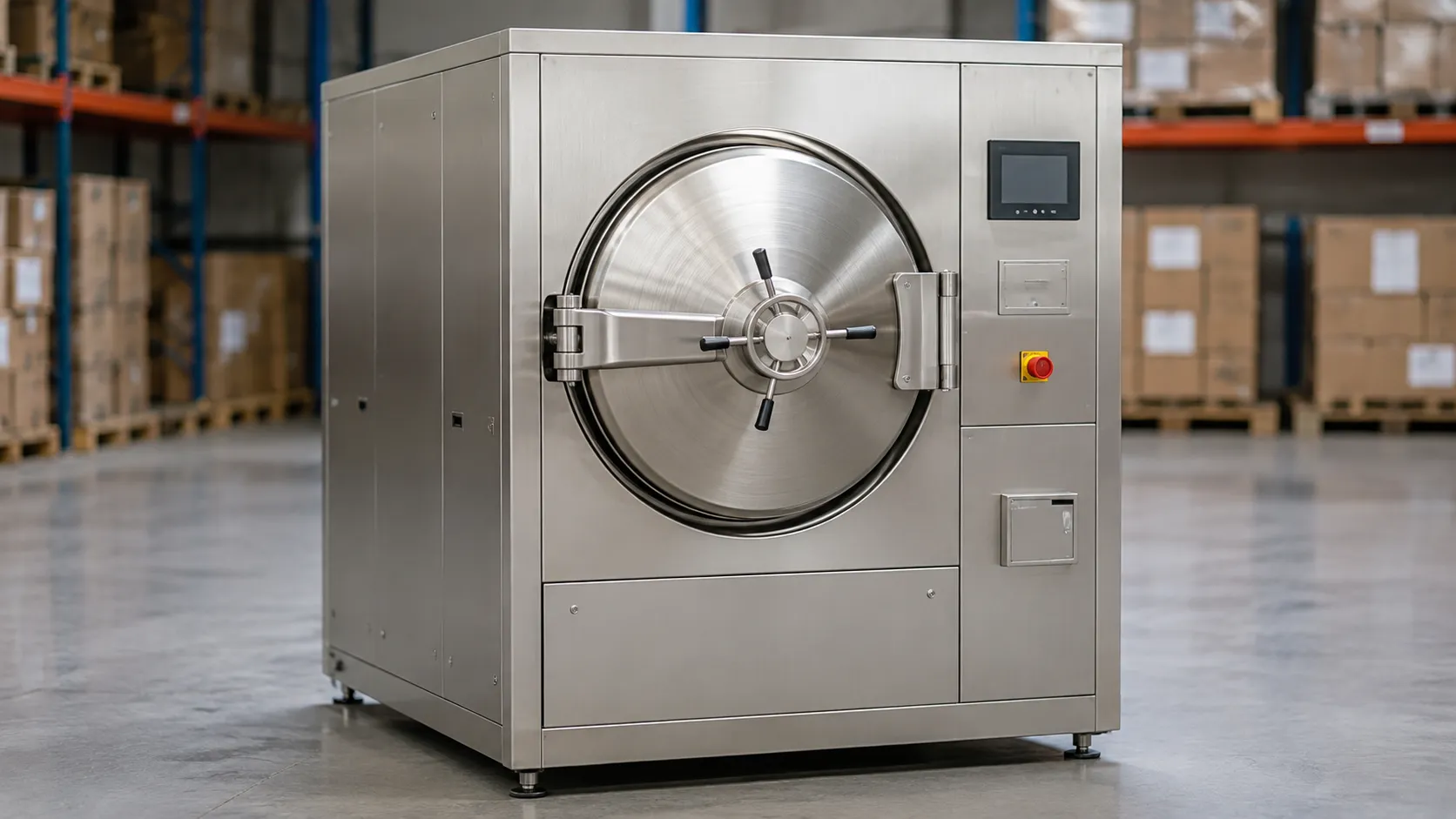
Sterilisation Equipment Remains Essential
Reliable sterilisation processes support healthcare operations across multiple departments.
Common procurement categories include:
-
Steam sterilisers.
-
Low-temperature sterilisation systems.
-
Instrument processing equipment.
-
Sterilisation accessories.
Supporting Equipment Readiness – Effective sterilisation helps maintain operational continuity.
Improving Workflow Efficiency – Organised processing systems support daily healthcare activities.
Home Healthcare Equipment Is Expanding Rapidly
Many emerging markets are experiencing growing demand for home healthcare solutions.
Popular products include:
-
Mobility aids.
-
Home care beds.
-
Patient monitoring devices.
-
Oxygen concentrators.
-
Rehabilitation equipment.
Supporting Community-Based Care – Home healthcare helps extend healthcare services beyond traditional facilities.
Encouraging Independent Living – Practical equipment improves accessibility and convenience.
Healthcare organisations interested in collaborative opportunities can explore: business partners.
What Procurement Teams Should Prioritise
Successful equipment investments often focus on long-term value rather than initial cost alone.
Important considerations include:
Equipment Reliability – Consistent performance supports operational continuity.
Maintenance Accessibility – Long-term servicing helps maximise equipment lifespan.
Scalability – Equipment should support future expansion.
Training Requirements – User readiness improves implementation success.
Total Cost of Ownership – Long-term operational costs influence investment value.
A strategic procurement approach helps improve the sustainability of healthcare infrastructure.
Technology Trends Shaping Future Demand
Several innovations are expected to influence future healthcare investments.
Artificial Intelligence Integration – Supporting workflow optimisation.
Remote Patient Monitoring Solutions – Expanding healthcare accessibility.
Wireless Medical Devices – Simplifying deployment.
Cloud-Based Equipment Management – Improving operational visibility.
Portable Multi-Function Devices – Increasing flexibility and efficiency.
These technologies are helping healthcare systems adapt to growing service demands.
Businesses seeking greater visibility within the healthcare industry can discover opportunities through business advertising
For sourcing assistance, procurement guidance, and equipment enquiries, support is available through: Contact Team
Conclusion
Emerging healthcare markets present significant opportunities for investment in medical equipment and infrastructure development. Diagnostic imaging systems, laboratory technologies, patient monitoring equipment, oxygen delivery solutions, sterilisation systems, and home healthcare products continue to play critical roles in healthcare expansion.
Organisations that focus on reliability, scalability, maintenance support, and future technological compatibility will be better positioned to meet evolving healthcare demands while maximising the long-term value of their equipment.
Disclaimer
Medigear.uk is a medical equipment supplier and distributor. We do not provide medical advice, diagnosis, or treatment recommendations. All information is for educational and product awareness purposes only. Qualified medical professionals should always make healthcare decisions.**