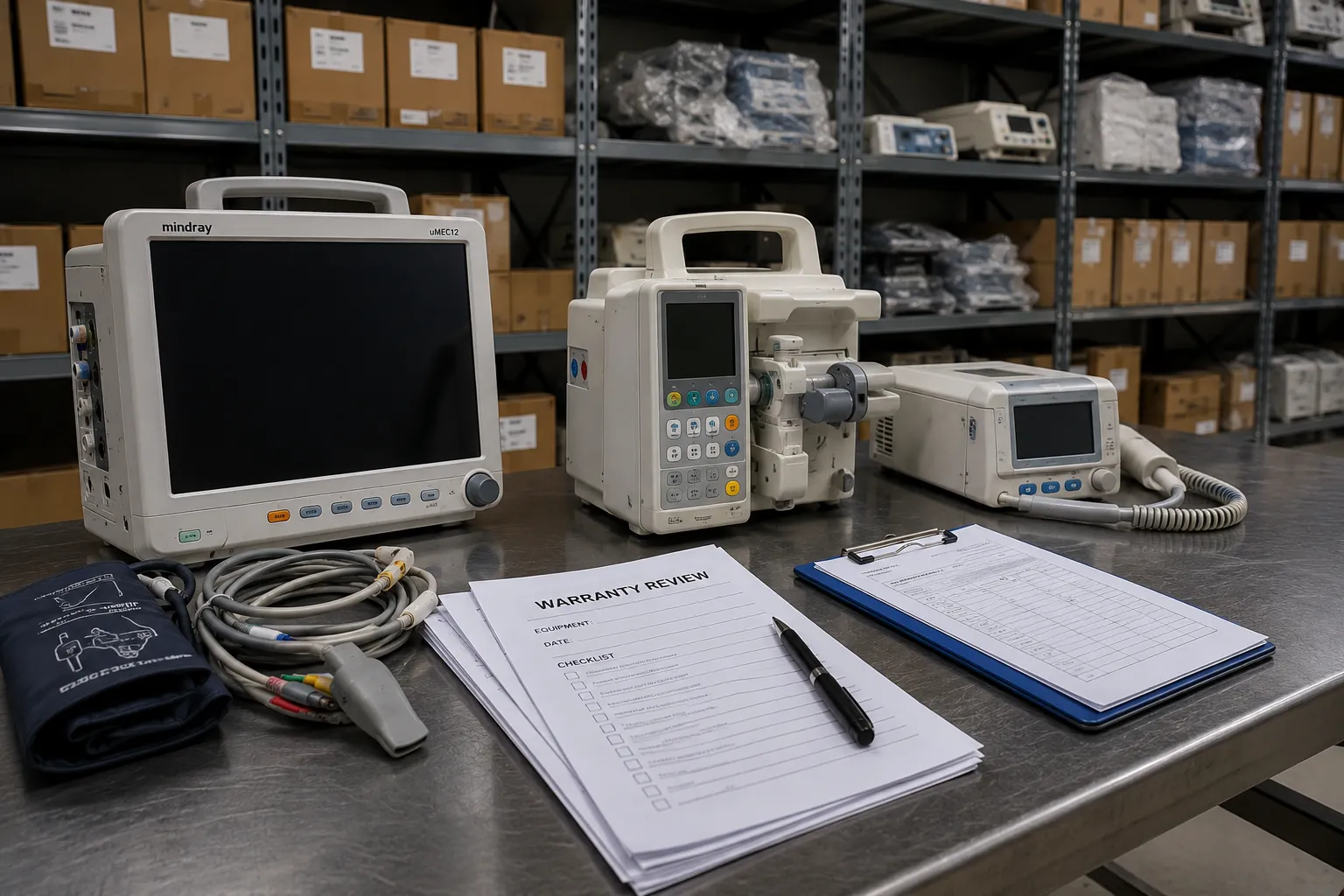
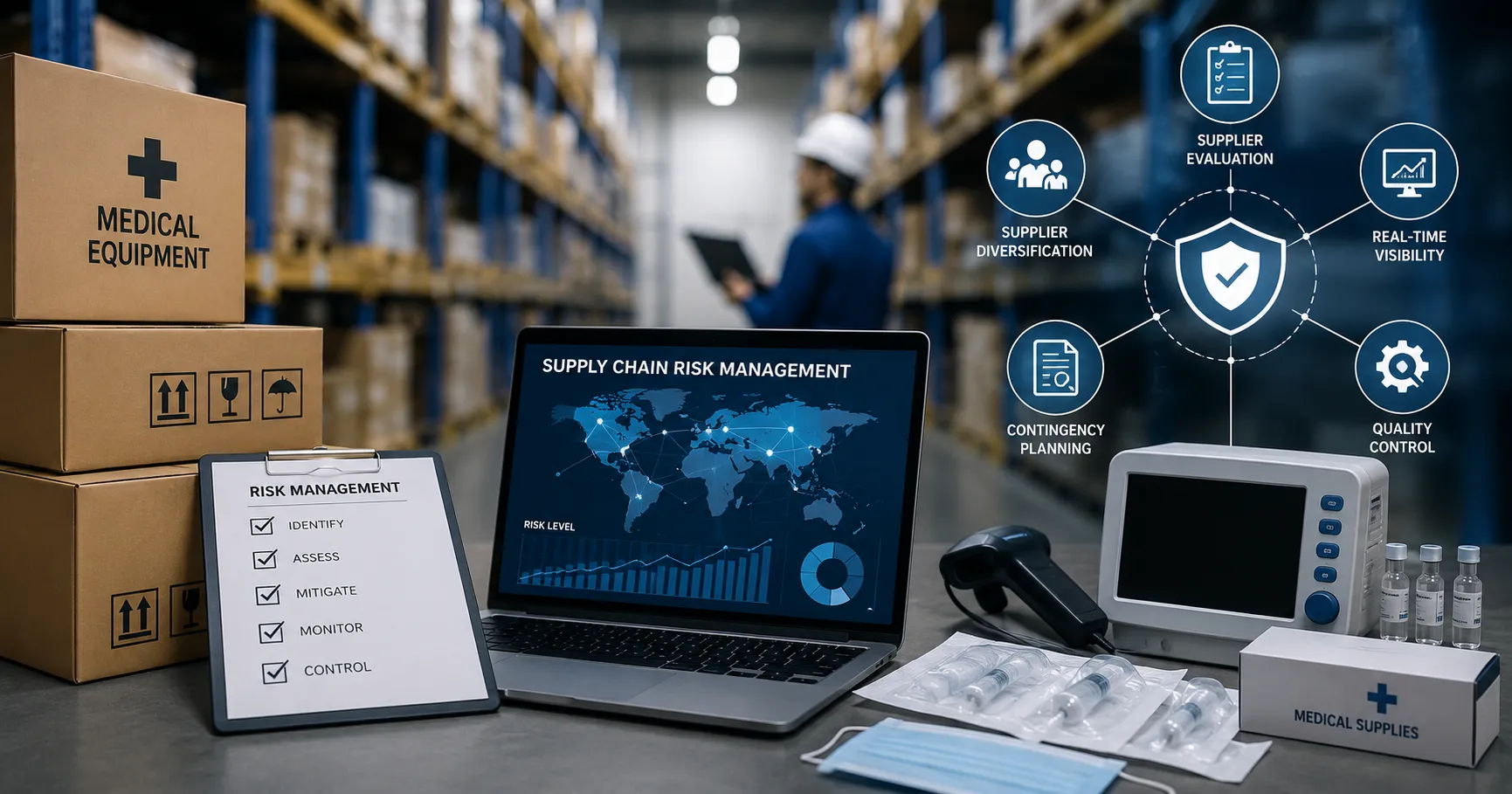
Healthcare organisations rely on dependable supply chains to ensure medical equipment, diagnostic devices, laboratory products, pharmaceuticals, and essential healthcare supplies are available when needed. Even minor disruptions can affect procurement schedules, equipment availability, operational efficiency, and healthcare delivery.
Global healthcare supply chains have become increasingly complex due to international sourcing, changing regulations, transportation challenges, and growing demand for advanced medical technologies. As a result, hospitals, clinics, laboratories, distributors, and procurement teams are placing greater emphasis on supply chain resilience and risk management.
This guide explains the common risks affecting healthcare supply chains and outlines practical strategies to strengthen procurement and logistics operations.
Understanding Healthcare Supply Chain Risks
Healthcare supply chain risks are events or conditions that disrupt the movement, storage, or availability of medical equipment and healthcare products.
Common risks include:
-
Transportation delays.
-
Supplier shortages.
-
Customs clearance issues.
-
Regulatory changes.
-
Inventory shortages.
-
Natural disasters.
-
Cybersecurity incidents.
-
Rising logistics costs.
Understanding these risks allows healthcare organisations to build stronger procurement strategies.
Diversify Supplier Networks
Depending on a single supplier or manufacturing region can increase operational risk.
Healthcare organisations should consider:
-
Multiple approved suppliers.
-
Regional sourcing options.
-
Alternative product availability.
-
Backup procurement plans.
-
Long-term supplier relationships.
Supplier diversification improves flexibility during unexpected disruptions.
Healthcare organisations looking to expand sourcing options can explore: buyer services.
Strengthen Inventory Management
Effective inventory planning helps reduce supply interruptions.
Best practices include:
-
Monitoring stock levels.
-
Forecasting future demand.
-
Maintaining safety stock.
-
Reviewing inventory regularly.
-
Tracking product movement.
-
Reducing excess inventory.
Balanced inventory management supports both product availability and cost control.
Improve Demand Forecasting
Accurate forecasting allows procurement teams to prepare for future requirements.
Forecasting may consider:
-
Historical purchasing trends.
-
Seasonal demand.
-
Population growth.
-
Hospital expansion.
-
Equipment replacement schedules.
-
Healthcare service growth.
Data-driven planning reduces the likelihood of emergency purchasing.
Build Strong Supplier Relationships
Reliable supplier partnerships improve communication and procurement efficiency.
Benefits include:
-
Better product availability.
-
Faster quotation responses.
-
Improved technical support.
-
More effective logistics coordination.
-
Long-term collaboration.
Strong partnerships help organisations respond more effectively to supply chain challenges.
Healthcare suppliers interested in expanding their global distribution can explore: business suppliers.
Use Digital Supply Chain Technologies
Technology is transforming healthcare logistics.
Modern solutions include:
-
Cloud-based inventory management.
-
Digital procurement platforms.
-
Shipment tracking systems.
-
Asset management software.
-
Warehouse management systems.
-
Predictive analytics.
These technologies improve visibility across the supply chain while supporting faster decision-making.
Strengthen Logistics Planning
Efficient logistics reduce transportation-related risks.
Healthcare organisations should evaluate:
-
Shipping routes.
-
Freight providers.
-
Delivery schedules.
-
Customs procedures.
-
Warehouse capacity.
-
Local distribution networks.
Well-planned logistics improve supply chain reliability.
Monitor Supplier Performance
Regular supplier evaluations support continuous improvement.
Performance indicators may include:
-
Delivery reliability.
-
Product quality.
-
Response times.
-
Documentation accuracy.
-
Service support.
-
Inventory availability.
Monitoring supplier performance helps identify opportunities for improvement.
Prepare for Regulatory Changes
Healthcare regulations may change over time.
Organisations should monitor:
-
Import requirements.
-
Product registration procedures.
-
Medical device regulations.
-
Customs documentation.
-
Quality standards.
Staying informed helps reduce compliance-related delays.
Develop Emergency Procurement Plans
Unexpected disruptions can occur without warning.
Healthcare organisations should prepare:
-
Emergency supplier lists.
-
Alternative logistics providers.
-
Inventory contingency plans.
-
Equipment replacement strategies.
-
Communication procedures.
Preparedness improves resilience during supply chain interruptions.
Healthcare organisations interested in strategic partnerships can explore: business partners.
Strengthen Cybersecurity
Digital healthcare supply chains increasingly depend on connected technologies.
Healthcare organisations should consider:
-
Secure procurement platforms.
-
Data encryption.
-
User authentication.
-
Software updates.
-
Network monitoring.
-
Vendor cybersecurity practices.
Strong cybersecurity supports operational continuity while protecting sensitive information.
Improve Warehouse Operations
Warehouse efficiency contributes to supply chain resilience.
Best practices include:
-
Organised storage systems.
-
Barcode tracking.
-
Inventory rotation.
-
Temperature monitoring is required.
-
Routine inspections.
-
Equipment maintenance.
Efficient warehouse management supports accurate inventory control and faster order fulfilment.
Invest in Supply Chain Visibility
Real-time visibility improves operational decision-making.
Modern monitoring systems provide information about:
-
Shipment locations.
-
Inventory levels.
-
Equipment availability.
-
Supplier performance.
-
Delivery timelines.
-
Warehouse operations.
Improved visibility enables healthcare organisations to respond quickly to potential disruptions.
Future Trends in Healthcare Supply Chains
Healthcare logistics continues to evolve through technological and innovative advances.
Emerging developments include:
-
Artificial intelligence demand forecasting.
-
Internet of Medical Things (IoMT).
-
Blockchain-based traceability.
-
Automated warehouses.
-
Predictive logistics.
-
Cloud-based supply chain platforms.
-
Sustainable logistics solutions.
These innovations are helping create more resilient and efficient healthcare supply chains.
Businesses seeking greater visibility within the healthcare industry can discover opportunities through business advertise.
For procurement guidance, sourcing assistance, and product enquiries, support is available through the Contact Team.
Conclusion
Reducing supply chain risks in healthcare requires strategic planning, diversified sourcing, reliable logistics, strong supplier partnerships, digital technologies, and effective inventory management. By identifying potential risks early and implementing proactive mitigation strategies, healthcare organisations can improve resilience while ensuring the continuous availability of essential medical equipment and healthcare supplies.
As global healthcare continues to evolve, resilient supply chains will remain a critical foundation for delivering efficient, reliable, and high-quality healthcare services.
Disclaimer
Medigear.uk is a medical equipment supplier and distributor. We do not provide legal, logistics, regulatory, or supply chain consulting services. This article is for general educational and informational purposes only. Healthcare organisations should evaluate their operational requirements and consult qualified logistics providers, procurement professionals, manufacturers, and relevant regulatory authorities when developing healthcare supply chain strategies.