
Cross-border delivery of medical equipment is a critical part of the global healthcare supply chain. Hospitals, clinics, laboratories, distributors, and healthcare procurement teams regularly source medical equipment from international manufacturers to access advanced technologies, competitive pricing, and specialised products. Successfully managing these deliveries requires careful planning, accurate documentation, reliable logistics, and compliance with import regulations.
Unlike standard commercial shipments, medical equipment often requires specialised handling, secure packaging, customs coordination, and post-delivery installation planning. A well-managed delivery process helps minimise delays, reduce transportation risks, and ensure equipment arrives safely and on schedule.
This guide explains the key steps for managing cross-border medical equipment deliveries and best practices for improving international healthcare logistics.
Understanding Cross-Border Medical Equipment Deliveries
Cross-border medical equipment deliveries involve transporting medical devices from one country to another through coordinated international logistics networks.
Products commonly shipped internationally include:
-
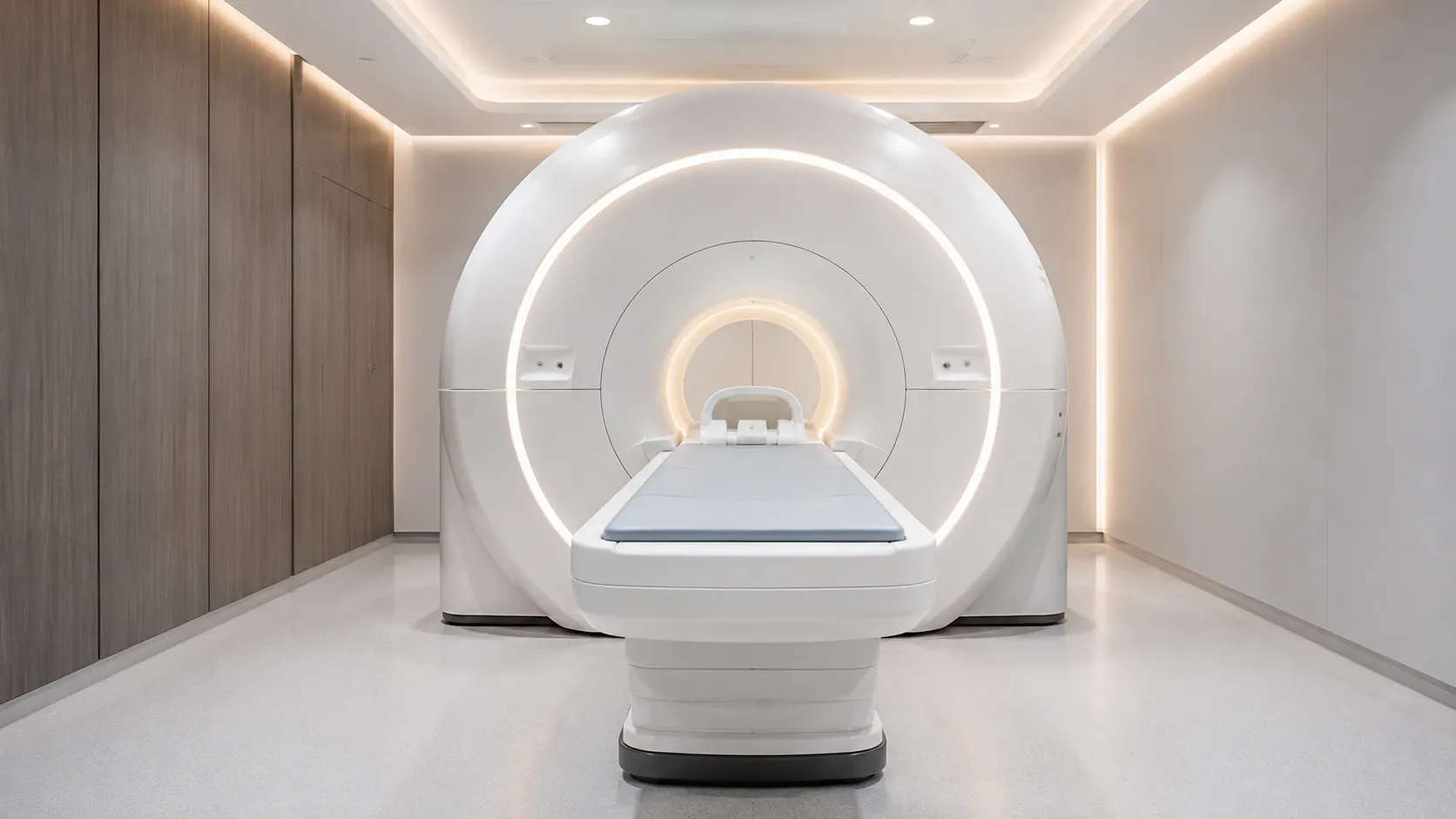
Diagnostic imaging systems.
-
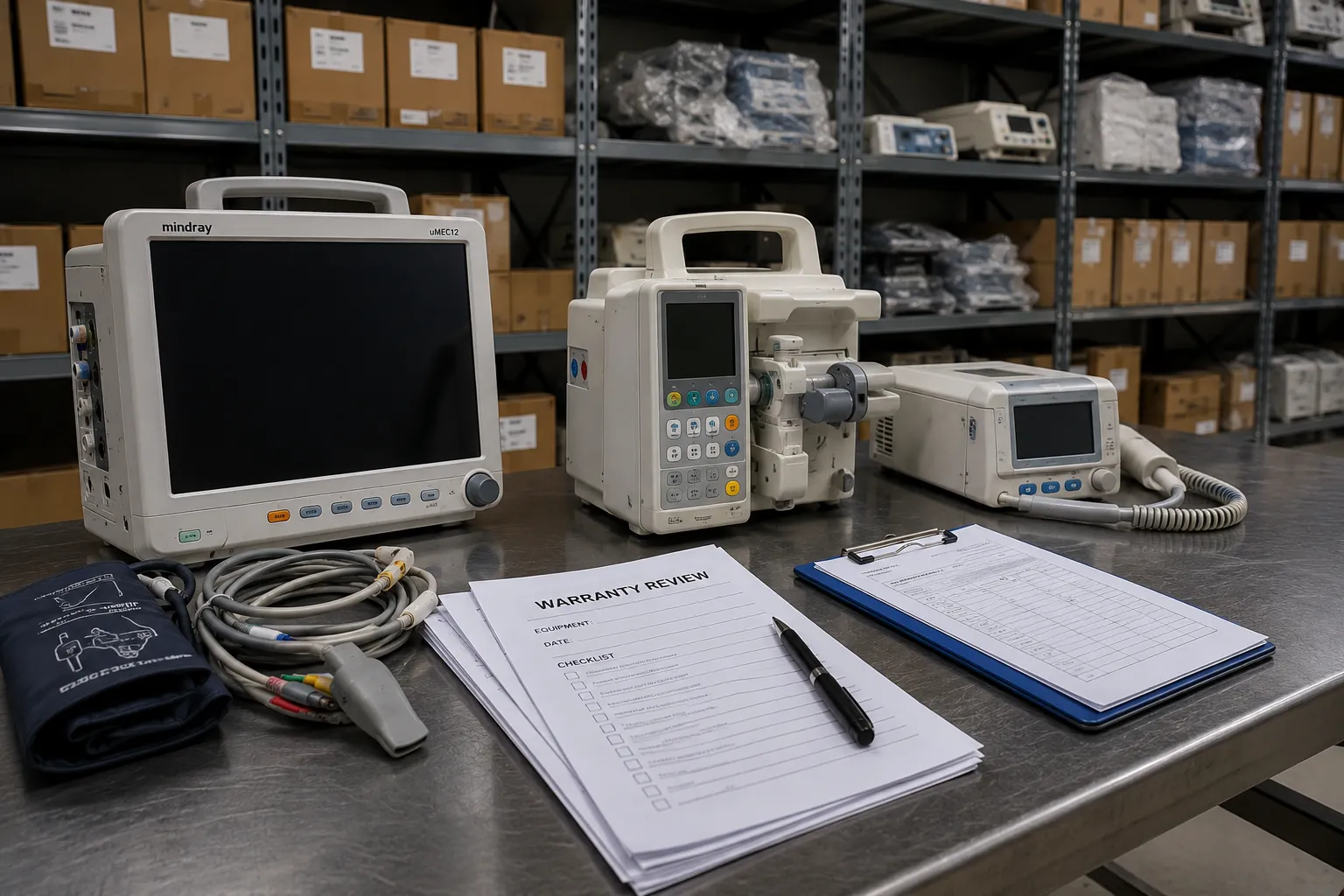
Patient monitoring equipment.
-
Ventilators.
-
Laboratory analysers.
-
Surgical equipment.
-
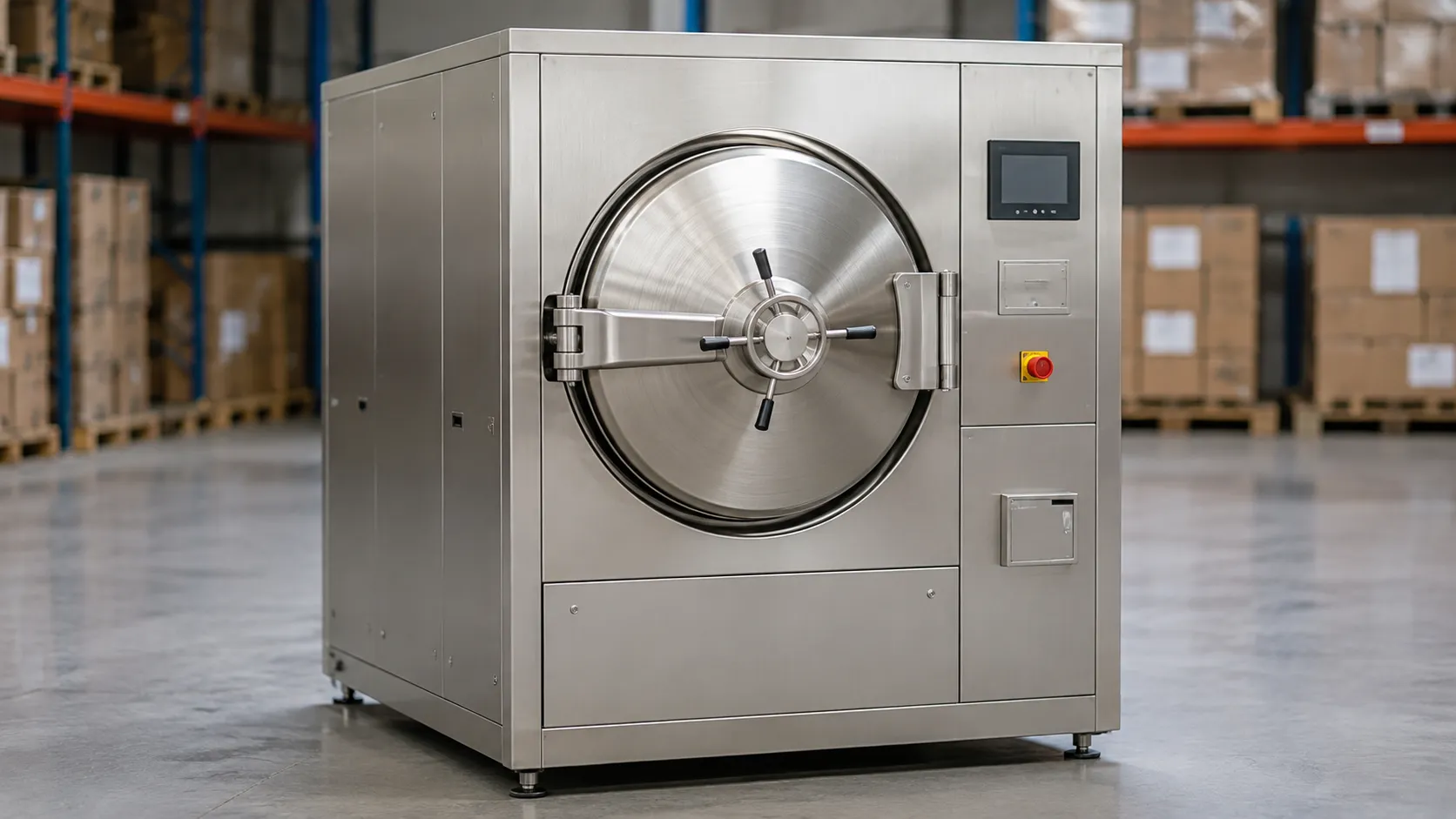
Sterilisation systems.
-
Hospital furniture.
-
Rehabilitation equipment.
Each shipment requires coordination between manufacturers, freight providers, customs authorities, distributors, and healthcare buyers.
Plan Procurement Early
Successful international deliveries begin with careful procurement planning.
Healthcare organisations should evaluate:
-
Equipment specifications.
-
Supplier capabilities.
-
Production timelines.
-
Shipping methods.
-
Delivery schedules.
-
Installation requirements.
-
Budget allocation.
Early planning helps reduce unexpected delays later in the process.
Healthcare organisations sourcing medical equipment internationally can explore procurement solutions through buyer services.
Prepare Accurate Documentation
Documentation is one of the most important aspects of international shipping.
Common documents include:
-
Commercial invoice.
-
Packing list.
-
Bill of lading or airway bill.
-
Certificate of origin where required.
-
Import permits where applicable.
-
Product specifications.
-
Equipment manuals.
-
Warranty documentation.
Accurate documentation supports efficient customs clearance while reducing shipment delays.
Choose the Right Shipping Method
The most suitable transportation method depends on the equipment type, urgency, and shipment size.
Air Freight - Air freight is commonly selected for:
-
Urgent deliveries.
-
High-value medical equipment.
-
Small shipments.
-
Time-sensitive healthcare projects.
Sea Freight - Sea freight is often preferred for:
-
Large imaging equipment.
-
Hospital furniture.
-
Bulk medical equipment.
-
Cost-efficient international transport.
Road Transport - Road transport supports regional distribution after customs clearance and connects warehouses with healthcare facilities.
Selecting the appropriate shipping method helps balance delivery speed and transportation costs.
Protect Equipment with Proper Packaging
Medical equipment requires packaging that protects against transportation hazards.
Packaging should protect from:
-
Shock.
-
Vibration.
-
Moisture.
-
Dust.
-
Temperature variations.
-
Handling impacts.
Large medical systems often require reinforced export crates, internal restraints, and protective cushioning to minimise transport risks.
Navigate Customs Efficiently
Every international shipment must comply with customs procedures in the destination country.
Healthcare organisations should verify:
-
Import requirements.
-
Customs declarations.
-
Applicable duties and taxes.
-
Product classifications.
-
Required permits.
-
Supporting documentation.
Preparing documentation before shipment helps reduce customs delays.
Healthcare suppliers expanding into international markets can discover opportunities through business suppliers.
Verify Regulatory Requirements
Medical equipment regulations vary between countries.
Healthcare buyers should confirm:
-
Product registration requirements.
-
Equipment approvals.
-
Labelling requirements.
-
Language requirements were applicable.
-
Import licensing.
-
Electrical compatibility.
-
Local standards.
Understanding destination-country regulations before shipment helps prevent clearance issues.
Monitor Shipments Throughout Transit
Shipment visibility improves supply chain efficiency.
Modern logistics platforms provide:
-
Real-time shipment tracking.
-
Delivery updates.
-
Customs status.
-
Estimated arrival times.
-
Exception notifications.
Tracking systems help procurement teams coordinate installation schedules and warehouse planning.
Arrange Insurance Coverage
Medical equipment often represents a significant financial investment.
Insurance considerations include:
-
Transit protection.
-
Loading and unloading coverage.
-
Storage coverage.
-
Damage protection.
-
Loss protection.
Appropriate insurance helps reduce financial risk during international transportation.
Prepare the Delivery Site
Successful delivery requires that the destination facility be ready before the equipment arrives.
Preparation may include:
-
Delivery route inspections.
-
Loading dock access.
-
Equipment unloading arrangements.
-
Electrical infrastructure.
-
Installation space.
-
Utility connections.
Site readiness helps avoid delays during installation.
Healthcare organisations interested in strategic partnerships can explore: business partners.
Inspect Equipment Upon Arrival
Healthcare organisations should inspect shipments immediately after delivery.
Inspection should verify:
-
Packaging condition.
-
Equipment appearance.
-
Accessories.
-
Serial numbers.
-
Product quantities.
-
Shipping documentation.
-
Signs of damage.
Prompt inspection allows issues to be reported quickly if necessary.
Coordinate Installation and Commissioning
Many medical devices require professional installation.
Typical commissioning activities include:
-
Equipment assembly.
-
Functional testing.
-
System configuration.
-
User orientation.
-
Documentation review.
-
Operational verification.
Proper installation helps prepare equipment for clinical use.
Maintain Clear Communication
International deliveries involve multiple stakeholders.
Communication should be maintained between:
-
Manufacturers.
-
Suppliers.
-
Freight forwarders.
-
Customs brokers.
-
Warehouses.
-
Installation teams.
-
Healthcare procurement departments.
Effective communication reduces misunderstandings and improves delivery coordination.
Future Trends in Cross-Border Healthcare Logistics
Healthcare logistics continues to evolve through digital technologies.
Emerging trends include:
-
Artificial intelligence logistics planning.
-
Cloud-based shipment management.
-
Blockchain traceability.
-
Smart warehouse automation.
-
Internet of Medical Things (IoMT).
-
Predictive logistics.
-
Sustainable transportation solutions.
These technologies improve supply chain visibility while supporting more reliable international deliveries.
Businesses seeking greater visibility within the healthcare industry can discover opportunities through business advertising
For sourcing assistance, procurement guidance, and international delivery support, contact: Contact Team
Conclusion
Managing cross-border medical equipment deliveries requires careful planning, accurate documentation, reliable logistics, regulatory compliance, and effective communication throughout the supply chain. From procurement and packaging to customs clearance, transportation, installation, and after-sales support, every stage contributes to successful international healthcare deliveries.
By adopting structured logistics processes and working with experienced supply chain partners, healthcare organisations can improve delivery reliability, reduce operational risks, and ensure timely access to essential medical equipment.
Disclaimer
Medigear.uk is a medical equipment supplier and distributor. We do not provide legal, customs, logistics, or regulatory advice. This article is for general educational and informational purposes only. Import regulations, shipping procedures, customs requirements, and transportation standards vary by country. Healthcare organisations should consult qualified logistics providers, customs authorities, manufacturers, and relevant regulatory agencies before arranging cross-border deliveries of medical equipment.