Medical equipment packaging is an essential part of the global healthcare supply chain. Proper packaging protects medical devices from physical damage, contamination, moisture, vibration, and environmental conditions during storage, transportation, and handling. Whether shipping diagnostic imaging systems, laboratory analysers, patient monitors, surgical instruments, or home healthcare devices, appropriate packaging helps ensure that products arrive at healthcare facilities in suitable condition.
Packaging standards involve more than simply placing equipment inside a box. They include protective materials, labelling, handling instructions, environmental controls, and transportation planning. Manufacturers, distributors, logistics providers, and healthcare buyers all play an important role in maintaining packaging quality throughout the supply chain.
This guide explains the importance of medical equipment packaging standards and the key practices for protecting healthcare products during international distribution.
Why Medical Equipment Packaging Matters
Medical devices often contain sensitive electronics, optical components, precision sensors, and delicate mechanical parts.
Proper packaging helps:
-
Protect equipment during transportation.
-
Reduce the risk of physical damage.
-
Minimise exposure to moisture and dust.
-
Support product traceability.
-
Improve warehouse handling.
-
Simplify international shipping.
Reliable packaging contributes to efficient healthcare logistics while reducing replacement and repair costs.
Primary Packaging
Primary packaging comes into direct contact with the medical device or its immediate protective covering.
Its purpose includes:
-
Protecting the product.
-
Preventing contamination where applicable.
-
Supporting product identification.
-
Providing essential labelling information.
The design of primary packaging depends on the type of equipment and its intended use.
Secondary Packaging
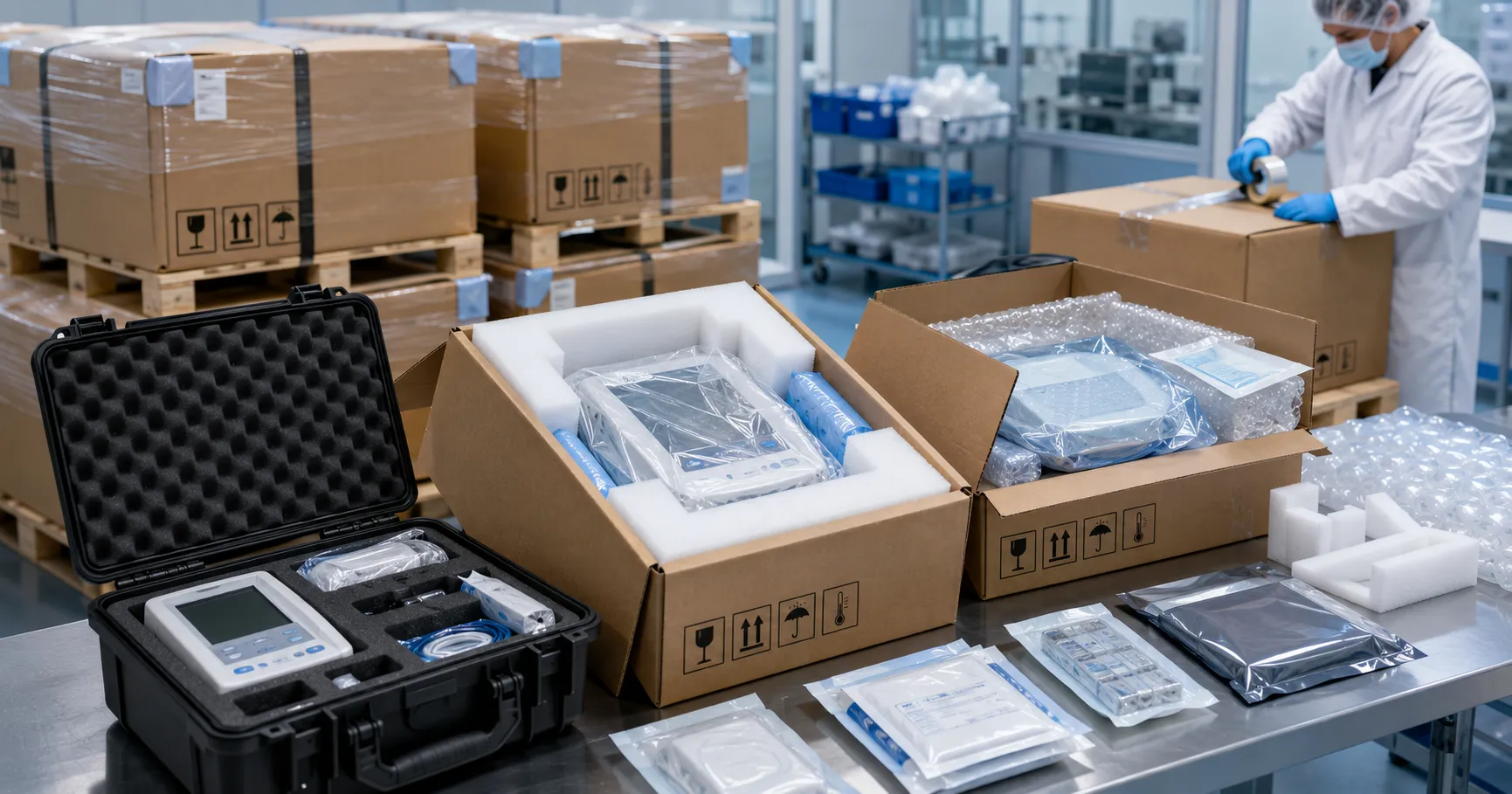
Secondary packaging provides additional protection during storage and transportation.
Examples include:
-
Protective cartons.
-
Foam inserts.
-
Cushioning materials.
-
Internal dividers.
-
Protective sleeves.
Secondary packaging helps absorb shocks while keeping products securely positioned.
Healthcare organisations sourcing medical equipment can explore procurement solutions through buyer services.
Transport Packaging
Transport packaging protects medical equipment throughout domestic and international logistics.
Common transport packaging includes:
-
Wooden crates.
-
Heavy-duty corrugated cartons.
-
Export pallets.
-
Protective wrapping.
-
Stretch film.
-
Corner protectors.
Large medical equipment often requires custom-built transport crates designed specifically for the product.
Shock and Vibration Protection
Medical equipment may experience movement throughout transportation.
Protective materials commonly include:
-
Foam cushioning.
-
Air cushions.
-
Shock-absorbing inserts.
-
Suspension packaging.
-
Vibration-resistant supports.
These materials help reduce mechanical stress during shipping.
Moisture Protection
Humidity and water exposure can damage sensitive medical equipment.
Protection methods may include:
-
Moisture-resistant packaging.
-
Sealed plastic liners.
-
Desiccant packs.
-
Waterproof wrapping.
-
Vapour barrier materials.
Moisture control is particularly important for electronic medical equipment and long-distance sea freight.
Temperature Protection
Some medical products require controlled environmental conditions.
Packaging solutions may include:
-
Insulated containers.
-
Thermal liners.
-
Cold chain packaging.
-
Refrigerated transport containers.
-
Temperature-controlled shipping systems.
Temperature protection is especially important for vaccines, laboratory reagents, biological products, and temperature-sensitive medical supplies.
Clear Product Labelling
Proper labelling supports safe handling throughout the supply chain.
Labels commonly include:
-
Product identification.
-
Serial numbers.
-
Batch or lot numbers, where applicable.
-
Handling instructions.
-
Orientation symbols.
-
Fragile warnings.
-
Weight information.
Clear labelling improves logistics efficiency while reducing handling errors.
Healthcare suppliers interested in strengthening international distribution can explore: business suppliers.
Handling Symbols
Internationally recognised handling symbols help logistics personnel transport equipment safely.
Common symbols indicate:
-
Fragile contents.
-
Keep dry.
-
This side up.
-
Temperature limitations.
-
Do not stack.
-
Handle with care.
-
Centre of gravity.
Using standardised symbols improves communication across international supply chains.
Protective Packaging for Large Medical Equipment
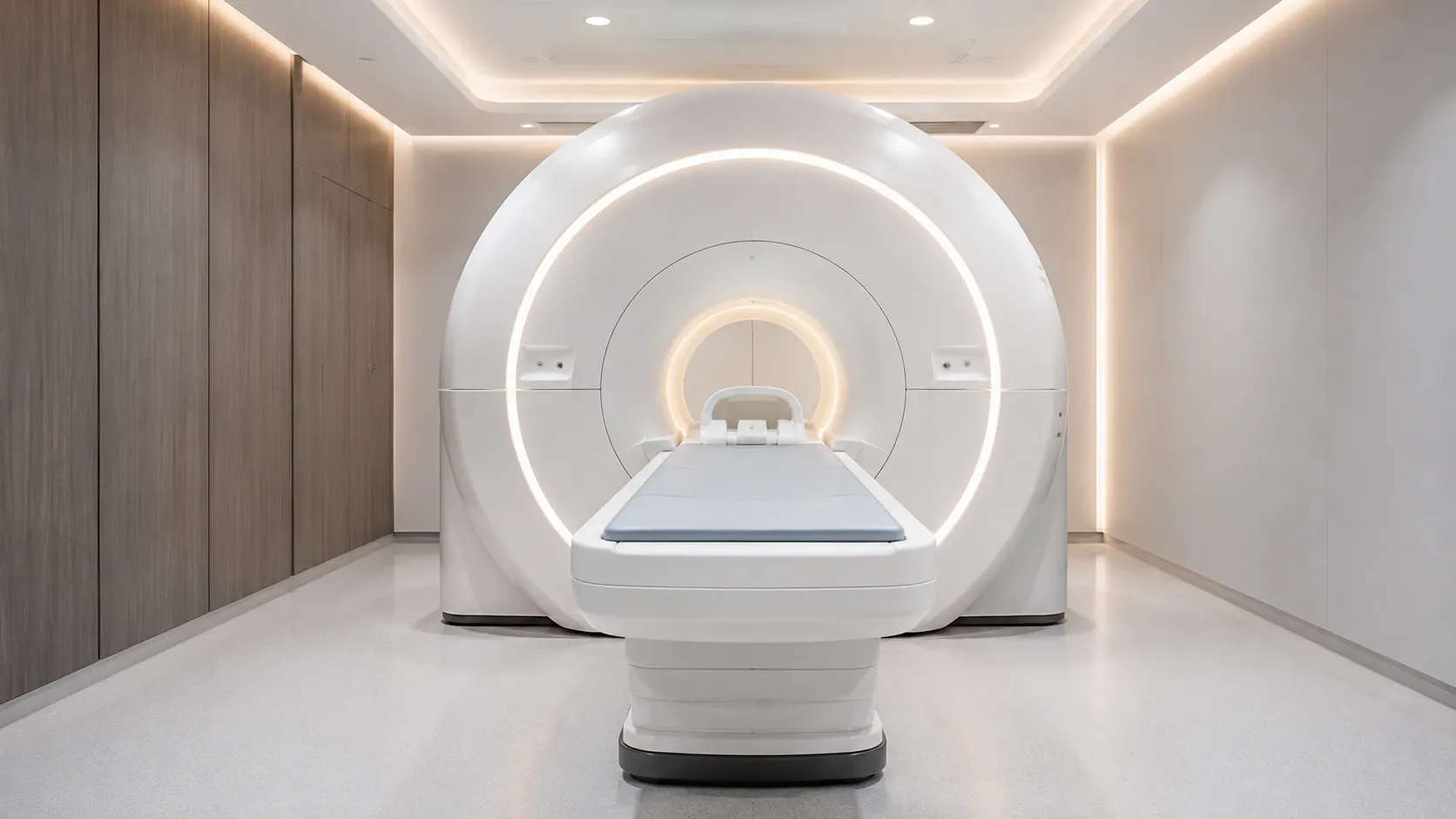
Heavy medical equipment requires specialised packaging solutions.
Examples include:
-
CT scanners.
-
MRI systems.
-
X-ray equipment.
-
Operating tables.
-
Hospital beds.
-
Laboratory automation systems.
Large equipment may require:
-
Reinforced crates.
-
Steel supports.
-
Internal restraints.
-
Shock indicators.
-
Tilt indicators.
-
Heavy-duty pallets.
Proper packaging helps reduce transportation risks.
Packaging Documentation
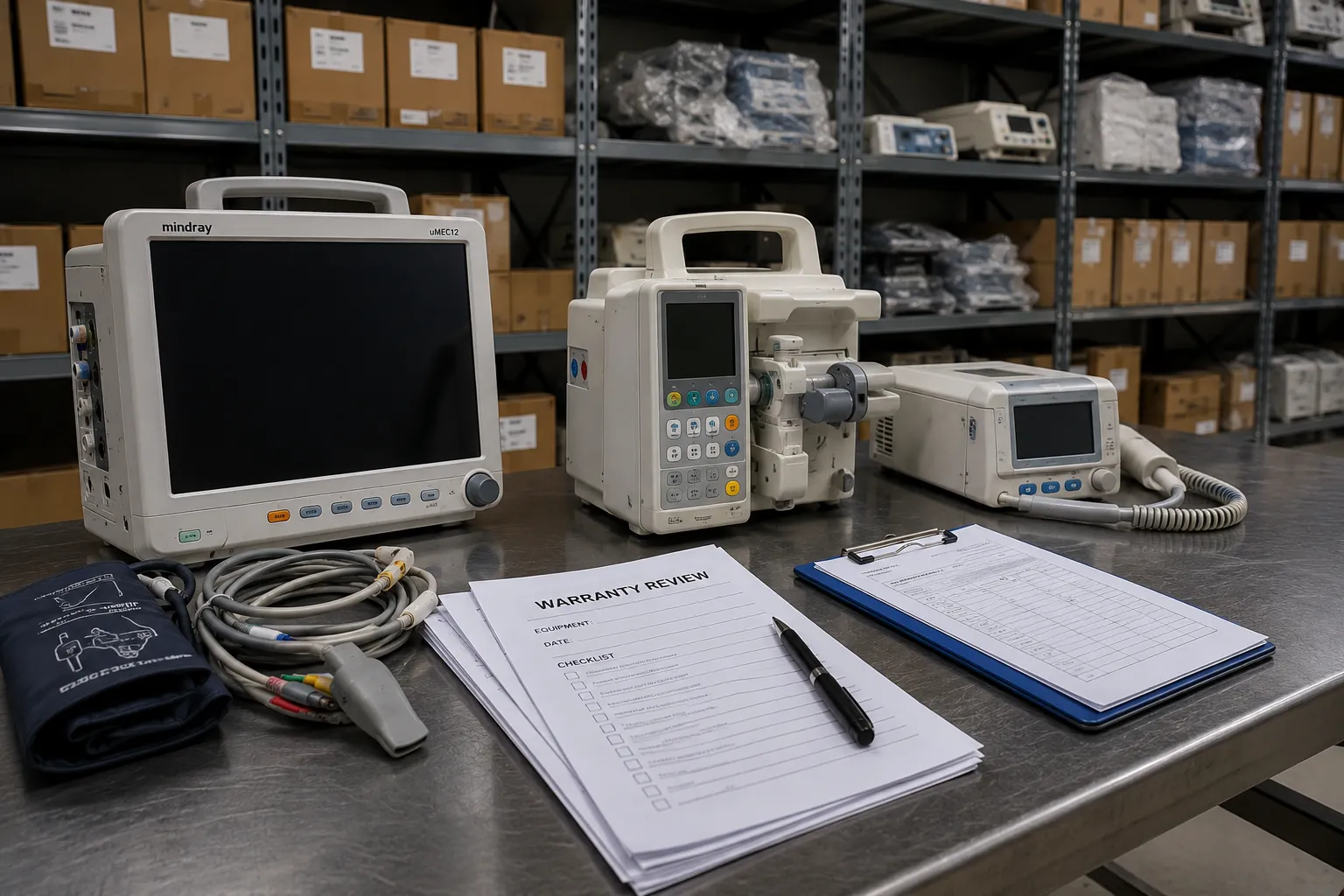
Medical equipment shipments should include accurate documentation.
Common documents include:
-
Packing lists.
-
Commercial invoices.
-
Equipment manuals.
-
Installation guides.
-
Warranty information.
-
Shipping documentation.
- Equipment identification records.
Accurate documentation supports customs clearance and product traceability.
Packaging Inspection
Packaging should be inspected before shipment.
Inspection may include:
-
Structural integrity.
-
Label verification.
-
Packaging seal checks.
-
Moisture protection.
-
Cushioning placement.
- Equipment stability.
Quality inspections help identify packaging issues before transportation begins.
Healthcare organisations interested in strategic partnerships can explore: business partners.
Sustainable Packaging
Healthcare organisations increasingly consider environmental sustainability during procurement.
Sustainable packaging practices include:
-
Recyclable materials.
-
Reduced packaging waste.
-
Reusable transport containers.
-
Lightweight packaging.
-
Environmentally responsible materials.
Sustainable packaging helps reduce environmental impact while supporting responsible logistics.
Best Practices for Medical Equipment Packaging
Healthcare organisations and suppliers should:
-
Use packaging designed specifically for each device.
-
Protect equipment from shock, vibration, moisture, and dust.
-
Apply clear handling labels.
-
Inspect packaging before shipment.
-
Maintain complete documentation.
-
Validate packaging for international transportation.
-
Train logistics personnel on proper handling procedures.
-
Review packaging performance regularly.
Following these practices helps improve equipment protection throughout the supply chain.
Businesses seeking greater visibility within the healthcare industry can discover opportunities through business advertising
For sourcing assistance, procurement guidance, and product enquiries, support is available through: contact team.
Conclusion
Medical equipment packaging standards play a critical role in protecting healthcare products throughout storage, transportation, and international distribution. From primary packaging and transport crates to moisture protection, shock absorption, labelling, and documentation, every element contributes to maintaining equipment integrity and reducing supply chain risks.
By following effective packaging practices and investing in high-quality protective materials, manufacturers, suppliers, distributors, and healthcare organisations can improve logistics efficiency while helping ensure medical equipment reaches its destination safely and is ready for installation.
Disclaimer
Medigear.uk is a medical equipment supplier and distributor. We do not provide packaging engineering, logistics, customs, or regulatory advice. This article is for general educational and informational purposes only. Packaging requirements vary depending on the medical device, transportation method, manufacturer specifications, and destination country. Healthcare organisations and logistics providers should follow applicable standards, manufacturer instructions, and regulatory requirements when packaging and transporting medical equipment.