Cold chain logistics is an essential part of the healthcare supply chain, ensuring that temperature-sensitive medical products remain safe, effective, and ready for use throughout transportation and storage. Many pharmaceuticals, vaccines, biological products, laboratory reagents, blood products, and certain medical devices require carefully controlled temperature conditions to maintain their quality.
A successful cold chain relies on more than refrigerated transport. It requires specialised equipment, continuous temperature monitoring, proper handling procedures, and coordinated logistics from manufacturers to healthcare facilities. Hospitals, clinics, laboratories, blood banks, pharmaceutical companies, and distributors all depend on reliable cold chain equipment to support healthcare delivery.
This guide explains the role of cold chain equipment in healthcare logistics, the essential equipment involved, and best practices for maintaining product integrity.
What Is Cold Chain Healthcare Logistics?
Cold chain healthcare logistics refers to the transportation, storage, and distribution of temperature-sensitive healthcare products under controlled environmental conditions.
Products commonly transported through cold chain systems include:
-
Vaccines.
-
Blood and blood components.
-
Biological products.
-
Laboratory reagents.
-
Diagnostic test kits.
-
Temperature-sensitive pharmaceuticals.
-
Certain medical devices.
-
Clinical research materials.
Maintaining the required temperature throughout the supply chain helps preserve product quality and effectiveness.
Why Cold Chain Equipment Is Important
Cold chain equipment helps healthcare organisations maintain consistent environmental conditions throughout storage and transportation.
Key benefits include:
Product Protection – Maintaining suitable storage conditions helps preserve product integrity.
Supply Chain Reliability – Controlled transportation reduces the risk of temperature-related damage.
Operational Efficiency – Reliable cold chain systems support timely healthcare delivery.
Inventory Management – Proper storage helps reduce unnecessary product loss.
Healthcare organisations handling temperature-sensitive products should incorporate cold chain planning into their procurement and logistics strategies.
Medical Refrigerators
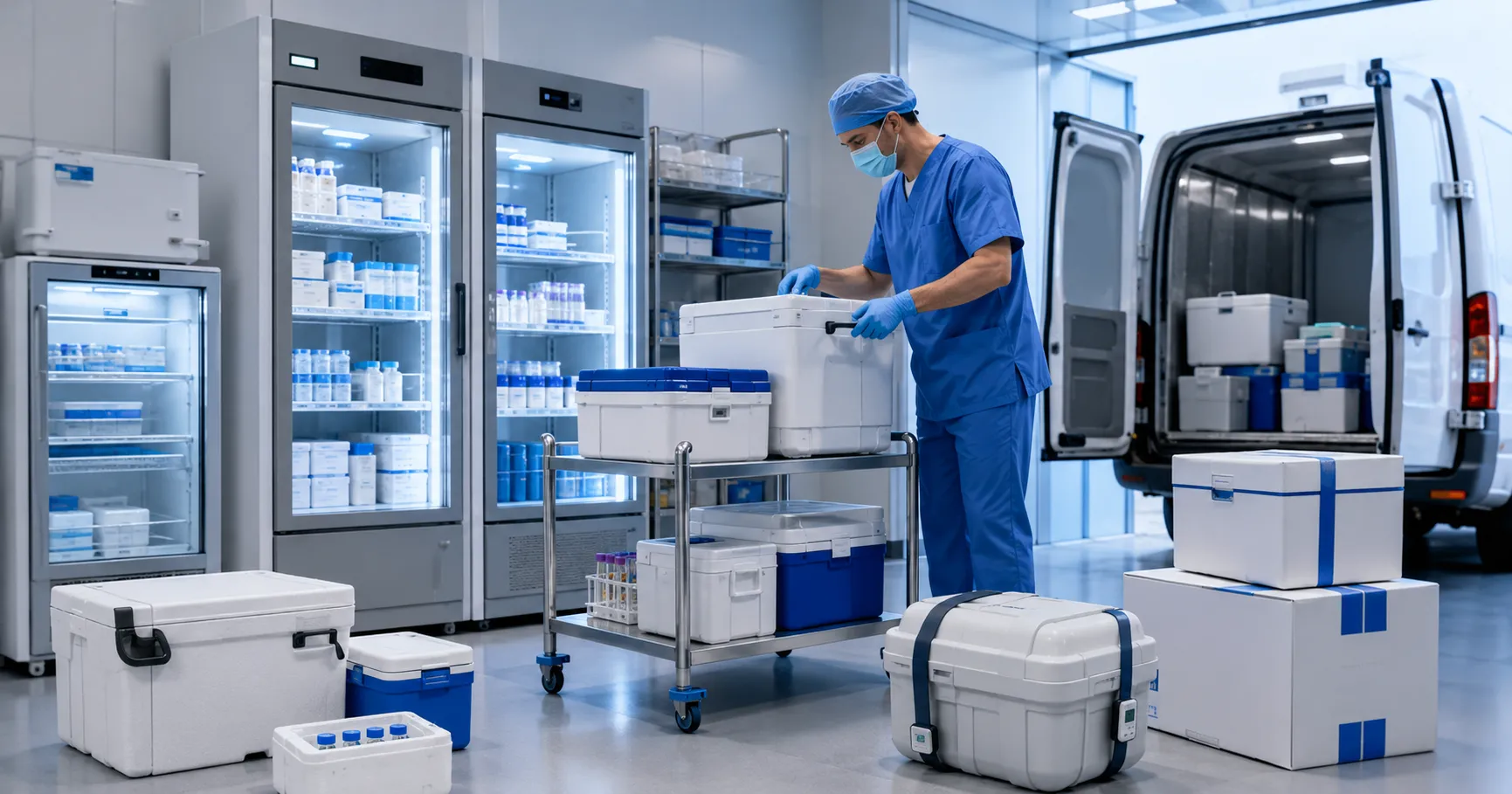
Medical refrigerators are among the most commonly used cold chain devices.
They are designed to store healthcare products within controlled temperature ranges while providing more consistent performance than standard domestic refrigerators.
Typical applications include:
-
Vaccine storage.
-
Pharmaceutical storage.
-
Laboratory reagents.
-
Diagnostic materials.
-
Clinical samples.
Many medical refrigerators include digital temperature displays, alarms, and monitoring capabilities.
Healthcare organisations sourcing cold chain equipment can explore solutions through buyer services.
Medical Freezers
Certain healthcare products require storage below standard refrigeration temperatures.
Medical freezers are commonly used for:
-
Biological specimens.
-
Plasma storage.
-
Laboratory materials.
-
Research applications.
-
Specialised pharmaceutical products.
Medical freezers are designed to provide stable low-temperature environments appropriate for healthcare use.
Vaccine Storage Equipment
Vaccination programs depend heavily on reliable cold chain systems.
Common equipment includes:
-
Vaccine refrigerators.
-
Portable vaccine carriers.
-
Cold boxes.
-
Temperature monitoring devices.
-
Ice pack conditioning equipment.
Proper vaccine storage supports effective immunisation programs and reduces the risk of temperature excursions.
Blood Bank Refrigeration Equipment
Blood products require specialised storage systems.
Equipment may include:
-
Blood bank refrigerators.
-
Plasma freezers.
-
Platelet storage units.
-
Blood transport containers.
-
Temperature monitoring systems.
These systems help maintain appropriate storage conditions throughout blood collection, storage, and distribution.
Refrigerated Transport Solutions
Transportation is a critical stage of the healthcare cold chain.
Common transport equipment includes:
-
Refrigerated vehicles.
-
Insulated transport containers.
-
Temperature-controlled shipping boxes.
-
Portable refrigeration systems.
-
Active cooling transport units.
These solutions help maintain product temperatures while products move between manufacturers, warehouses, and healthcare facilities.
Healthcare suppliers interested in expanding their distribution capabilities can explore: business suppliers.
Temperature Monitoring Systems
Continuous monitoring is one of the most important elements of cold chain management.
Monitoring technologies may include:
-
Digital temperature sensors.
-
Wireless monitoring systems.
-
Cloud-based monitoring platforms.
-
Alarm systems.
-
Data loggers.
-
Remote monitoring dashboards.
These systems provide visibility into storage conditions throughout the supply chain.
Data Loggers
Temperature data loggers record environmental conditions during storage and transport.
Benefits include:
-
Continuous temperature recording.
-
Historical data collection.
-
Shipment verification.
-
Compliance documentation.
-
Investigation of temperature excursions.
Data loggers help organisations maintain detailed records for quality management purposes.
Cold Storage Warehouses
Large healthcare distribution networks often use dedicated cold storage facilities.
These warehouses support:
-
Pharmaceutical inventory.
-
Vaccine distribution.
-
Laboratory supplies.
-
Medical consumables.
-
Regional healthcare logistics.
Modern facilities frequently include automated temperature monitoring, backup power systems, and inventory management technologies.
Backup Power Systems
Power interruptions can affect temperature-controlled healthcare products.
Many cold storage facilities use:
-
Backup generators.
-
Uninterruptible power supplies (UPS).
-
Automatic transfer systems.
-
Emergency monitoring alarms.
Reliable backup systems help reduce the risk of product loss during power outages.
Challenges in Cold Chain Logistics
Healthcare organisations managing cold chain operations may encounter challenges such as:
-
Transportation delays.
-
Equipment failures.
-
Power interruptions.
-
Temperature fluctuations.
-
Limited storage capacity.
-
Regulatory compliance.
-
Long-distance transportation.
Proactive planning helps minimise these risks while improving supply chain resilience.
Healthcare organisations interested in strategic partnerships can explore: business partners
Best Practices for Cold Chain Management
Healthcare organisations can strengthen cold chain performance by:
-
Using purpose-built medical refrigeration equipment.
-
Continuously monitoring temperatures.
-
Maintaining preventive maintenance schedules.
-
Training personnel in cold chain handling procedures.
-
Preparing backup power systems.
-
Validating transportation methods.
-
Reviewing storage conditions regularly.
-
Maintaining accurate temperature records.
These practices support reliable healthcare logistics and help protect valuable medical products.
Future Trends in Cold Chain Healthcare Logistics
Cold chain technology continues to evolve alongside healthcare innovation.
Emerging developments include:
-
Internet of Medical Things (IoMT) temperature sensors.
-
Artificial intelligence for predictive maintenance.
-
Cloud-based cold chain monitoring.
-
Smart refrigerated transport systems.
-
Automated warehouse management.
-
Digital inventory tracking.
-
Sustainable refrigeration technologies.
These innovations are expected to improve visibility, efficiency, and reliability across healthcare supply chains.
Businesses seeking greater visibility within the healthcare industry can discover opportunities through business advertise.
For sourcing assistance, procurement guidance, and product enquiries, support is available through: Contact Team.
Conclusion
Cold chain equipment plays a vital role in healthcare logistics by protecting temperature-sensitive medical products throughout storage and transportation. Medical refrigerators, freezers, blood bank storage systems, refrigerated transport, temperature-monitoring devices, and cloud-based management platforms work together to maintain product integrity throughout the healthcare supply chain.
As healthcare organisations continue expanding vaccination programs, pharmaceutical distribution, laboratory services, and biologics management, investment in reliable cold chain equipment and modern monitoring technologies will remain essential for efficient and dependable healthcare logistics.
Disclaimer
Medigear.uk is a medical equipment supplier and distributor. We do not provide medical, pharmaceutical, regulatory, or logistics advice. This article is for general educational and informational purposes only. Cold chain requirements vary depending on the product, manufacturer, and applicable regulations. Healthcare organisations should follow manufacturer instructions and relevant regulatory guidelines when storing, transporting, and handling temperature-sensitive healthcare products.