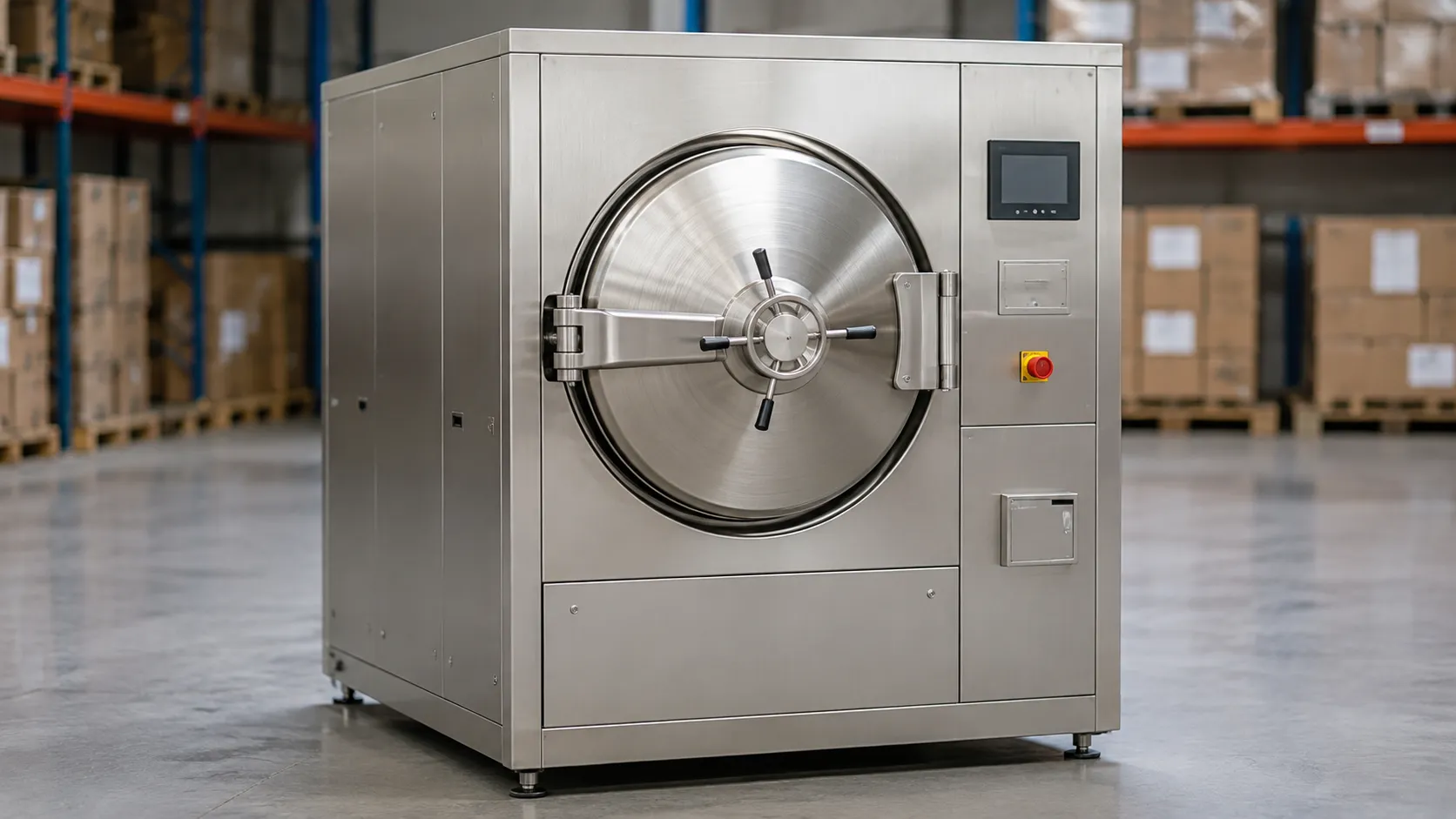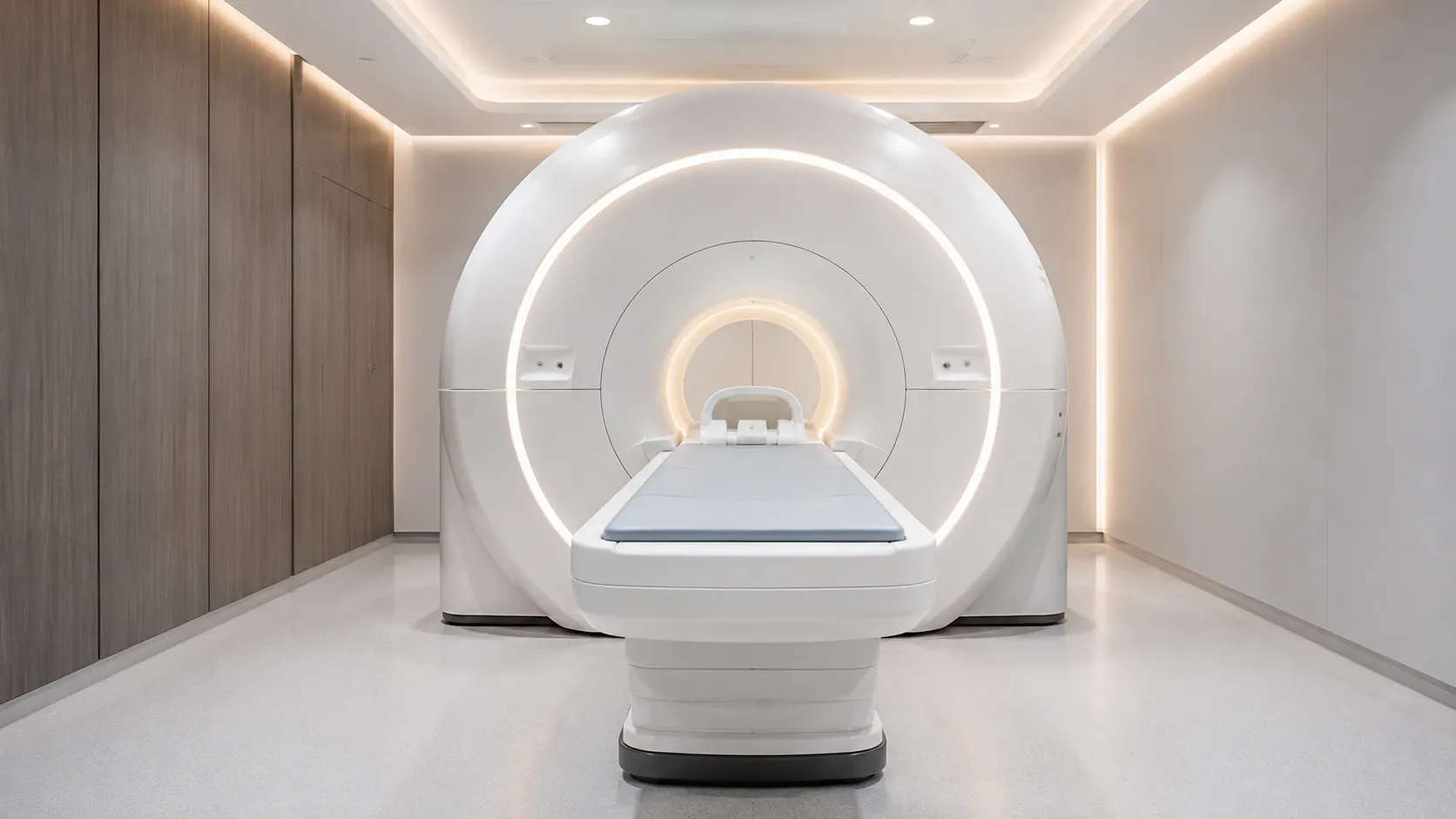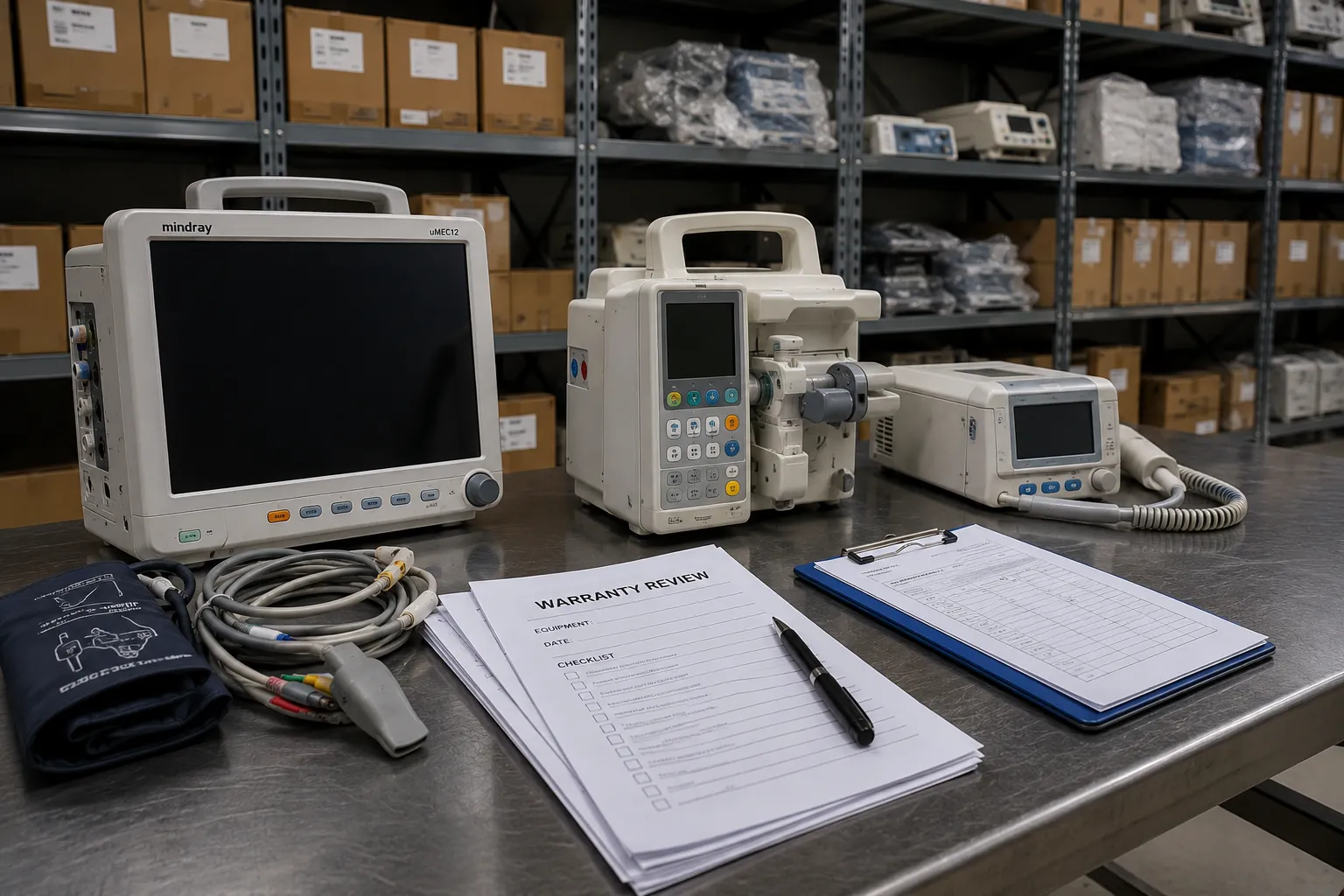
International medical equipment shipping is far more complex than moving ordinary commercial goods. A patient monitor, laboratory analyser, hospital bed, imaging system, or sterilisation unit may require specialist packaging, controlled handling, detailed documentation, customs clearance, insurance, installation planning, and regulatory checks before it reaches its final destination.
For healthcare buyers, distributors, and procurement teams, delays can affect more than a delivery schedule. They may disrupt hospital projects, equipment replacement plans, department openings, and clinical operations. Understanding the main risks helps organisations prepare more realistic timelines and build stronger international supply chains.
Why Medical Equipment Shipping Requires Careful Planning
Medical devices vary widely in size, value, construction, and sensitivity. A compact pulse oximeter can travel by air with relatively simple handling. At the same time, a CT scanner or operating table may require heavy-lift transport, reinforced packaging, site surveys, specialist unloading, and installation coordination.
Shipping plans should consider:
-
Equipment dimensions and weight
-
Fragile internal components
-
Temperature or humidity sensitivity
-
Electrical and battery restrictions
-
Import documentation
-
Destination infrastructure
-
Installation access
-
Local regulatory requirements
A shipping method that suits one device may be unsuitable for another.
Incomplete or Incorrect Documentation
Documentation errors are among the most common causes of international shipping delays.
Typical documents may include:
-
Commercial invoice
-
Packing list
-
Bill of lading or airway bill
-
Certificate of origin
-
Insurance certificate
-
Product specifications
-
Import permits were required
-
Regulatory or conformity documents
-
Serial number and equipment identification records
Incorrect product descriptions can lead to customs queries or classification disputes.
Missing serial numbers may create traceability problems.
Inconsistent values or quantities across documents may delay clearance.
Incomplete consignee details can prevent smooth delivery at the destination.
Procurement teams should review all paperwork before dispatch rather than waiting for customs authorities to identify errors.
Healthcare organisations sourcing equipment internationally can explore procurement support through buyer services.
Customs Classification and Import Duties
Medical equipment must usually be assigned an appropriate customs classification. The classification can influence duties, taxes, restrictions, and the documents required for import.
Challenges often arise when:
-
Equipment has multiple functions
-
Accessories are shipped separately
-
Refurbished devices require additional declarations
-
Spare parts are classified differently from complete equipment
-
Local authorities interpret categories differently
Buyers should calculate the total landed cost before confirming an order. This may include the equipment price, freight, insurance, import duty, taxes, customs brokerage, port charges, local delivery, and installation expenses.
Regulatory Differences Between Countries
Medical device regulations are not identical across international markets. A product accepted in one country may require additional registration, labelling, documentation, or local representation in other countries.
Buyers may need to verify:
-
Whether the device can legally be imported
-
Whether registration is required before shipment
-
Whether labels must use a local language
-
Whether local electrical or safety standards apply
-
Whether the importer needs a licence
-
Whether refurbished equipment is permitted
-
Whether specific technical files must be available
Regulatory checks should take place before the equipment leaves the supplier. Shipping first and resolving compliance later can result in storage charges, rejection, return shipment, or seizure.
Damage During Transit
Medical equipment often contains sensitive electronics, optical systems, sensors, moving assemblies, glass components, or precision-calibrated parts. Poor packaging or rough handling can cause damage that is not immediately visible.
Shock and vibration may affect internal alignment.
Moisture exposure can damage electronics and metal components.
Improper lifting may distort frames or housings.
Weak internal restraints can allow components to move inside crates.
Inadequate pallet construction may fail during handling at warehouses or ports.
Protective packaging should be designed around the equipment rather than treated as a standard shipping task. Heavy or fragile devices may require custom crates, shock indicators, moisture barriers, desiccants, anti-static protection, and clearly marked lifting points.
Temperature and Environmental Exposure
Some medical equipment, reagents, sensors, batteries, or accessories may require controlled environmental conditions.
Risks include:
-
Excessive heat inside containers
-
Freezing temperatures during air transport
-
High humidity during sea freight
-
Dust exposure in open storage areas
-
Sudden environmental changes during transfer
Where required, logistics teams may use insulated packaging, temperature monitors, sealed crates, humidity controls, or validated cold-chain services.
Environmental requirements should be confirmed with the equipment manufacturer or supplier before shipment.
Delays at Ports and Airports
Congestion, customs inspections, incomplete paperwork, labour shortages, security procedures, or transport disruptions can delay the delivery of medical equipment.
Delays may create additional costs, including:
-
Storage charges
-
Demurrage
-
Container detention
-
Rescheduled delivery
-
Installation team cancellation
-
Missed project deadlines
Procurement teams should build reasonable contingency time into the schedule. Highly optimistic delivery estimates can create unnecessary pressure across hospital construction and commissioning projects.
Suppliers developing international distribution networks can learn more through business suppliers.
Limited Delivery Access at the Final Site
Even when equipment clears customs successfully, final delivery can still fail if the destination is not prepared.
Common problems include:
-
Doorways that are too narrow
-
Lifts with insufficient capacity
-
Restricted vehicle access
-
Weak loading areas
-
Inadequate floor strength
-
Stairs or sharp internal turns
-
Construction work is blocking access
-
No suitable unloading equipment
Large devices may require a site survey before shipment. Delivery teams should confirm the route from the vehicle to the final installation area, including door dimensions, floor loading, ceiling height, lift capacity, and turning space.
Poor Coordination Between Multiple Parties
International shipments often involve several organisations:
-
Manufacturer
-
Supplier
-
Freight forwarder
-
Export agent
-
Customs broker
-
Importer
-
Local transporter
-
Installation engineer
-
Healthcare buyer
A delay in communication between any of these parties can affect the entire process.
Clear responsibility should be assigned for:
-
Documentation preparation
-
Export clearance
-
Insurance
-
Customs communication
-
Delivery scheduling
-
Equipment inspection
-
Installation
-
Damage reporting
A written shipping plan can reduce misunderstandings and improve accountability.
Insurance Gaps
High-value medical equipment should not be shipped without appropriate transit insurance. Basic carrier liability may not cover the full replacement value of the equipment.
Buyers should confirm:
-
Who arranges insurance
-
When risk transfers between parties
-
Whether loading and unloading are covered
-
Whether concealed damage is included
-
Whether storage delays are covered
-
How claims must be reported
-
Which documents are required for a claim
Photographs of the equipment, crate condition, seals, labels, and the loading process can provide useful evidence in the event of a dispute.
Battery and Hazardous Goods Restrictions
Some portable medical devices contain lithium batteries or other regulated components. These may be subject to special air or sea transport rules.
Potential requirements include:
-
Battery declarations
-
Specific packaging
-
Labelling
-
State-of-charge restrictions
-
Separation from other cargo
-
Carrier approval
-
Dangerous goods documentation
Failure to declare regulated components can lead to shipment rejection or penalties.
Shipping Refurbished Medical Equipment
Refurbished equipment may face additional scrutiny during international transport.
Authorities or buyers may request:
-
Refurbishment records
-
Functional testing reports
-
Equipment age
-
Serial numbers
-
Decontamination evidence
-
Maintenance history, where available
-
Condition photographs
-
Warranty information
Some countries restrict or prohibit certain categories of used or refurbished medical equipment. These requirements must be verified before booking transport.
Healthcare organisations interested in long-term commercial collaboration can explore business partners.
Managing Shipping Costs
International freight costs can vary significantly according to equipment size, urgency, route, fuel prices, packaging needs, and delivery conditions.
To control costs, buyers can:
-
Compare air and sea freight options
-
Consolidate compatible shipments
-
Confirm crate dimensions before quotation
-
Avoid unnecessary split deliveries
-
Plan purchases early
-
Review port and handling charges
-
Clarify delivery terms
-
Calculate the full landed cost
The cheapest freight quotation is not always the best choice. A low-cost service with weak handling, limited insurance, or poor tracking may create much greater losses later.
Tracking and Visibility
Modern logistics platforms can improve shipment visibility by providing:
-
Real-time location updates
-
Customs status alerts
-
Estimated arrival times
-
Delivery notifications
-
Temperature records
-
Proof of delivery
-
Exception reporting
Better tracking allows procurement teams to prepare installation areas, arrange engineers, notify internal departments, and respond quickly to disruptions.
Businesses wishing to reach healthcare buyers and industry decision-makers can explore business Advertise.
Inspection After Delivery
Equipment should be inspected immediately after arrival.
The receiving team should check:
-
Crate and packaging condition
-
Shock or tilt indicators
-
Equipment surfaces
-
Accessories and cables
-
Serial numbers
-
Delivered quantities
-
Signs of moisture
-
Missing components
-
Internal damage is where it is safely accessible
Any problem should be documented before the equipment is moved or installed. Delayed reporting may weaken an insurance or carrier claim.
Practical Ways to Reduce Shipping Risks
Confirm import requirements early – Regulatory and customs checks should happen before dispatch.
Use equipment-specific packaging – Packaging must reflect the device’s weight, fragility, and environmental sensitivity.
Work with experienced freight partners – Medical equipment logistics often requires more specialist knowledge than ordinary cargo.
Prepare the destination site – Delivery routes, utilities, unloading equipment, and installation access should be confirmed in advance.
Keep documentation consistent – Product details, values, quantities, and consignee information should match across all shipping documents.
Arrange suitable insurance – Coverage should reflect the full equipment value and transport route.
Build contingency time into the schedule – Customs, ports, inspections, and regional transport can all create delays.
For shipping-related sourcing enquiries or procurement assistance, healthcare organisations can contact Medigear.uk.
Final Thoughts
International medical equipment shipping requires coordination across compliance, logistics, packaging, customs, insurance, and site preparation. Problems often occur not because the equipment is unsuitable, but because one stage of the delivery process was overlooked.
Healthcare buyers can reduce risk by planning early, verifying regulations, selecting experienced logistics partners, preparing accurate documentation, and ensuring the receiving site is ready. A well-managed shipping process protects both the equipment investment and the wider healthcare project it supports.
Disclaimer
Medigear.uk is a medical equipment supplier and distributor. We do not provide legal, customs, logistics, regulatory, or medical advice. This article is intended for general educational and product-awareness purposes only. Shipping rules, import requirements, and transport regulations vary by product and destination. Buyers should consult qualified logistics providers, customs professionals, manufacturers, and relevant regulatory authorities before arranging international shipments of medical equipment.