How Medical Equipment Moves Across Global Markets
Medical equipment plays a vital role in healthcare systems around the world. From diagnostic imaging machines and laboratory analysers to surgical instruments and patient monitoring devices, hospitals and healthcare providers depend on reliable global supply chains to access the equipment they need. Behind every medical device is a complex international network involving manufacturers, suppliers, logistics providers, distributors, customs authorities, and healthcare procurement teams.
As healthcare demand continues to grow worldwide, understanding how medical equipment moves through global markets helps buyers, suppliers, and distributors make informed procurement decisions and improve supply chain efficiency.
This guide explains the journey of medical equipment from manufacturing facilities to healthcare organisations across international markets.
Manufacturing Begins the Global Journey
The movement of medical equipment starts with manufacturers producing devices for healthcare markets worldwide.
Common product categories include:
-
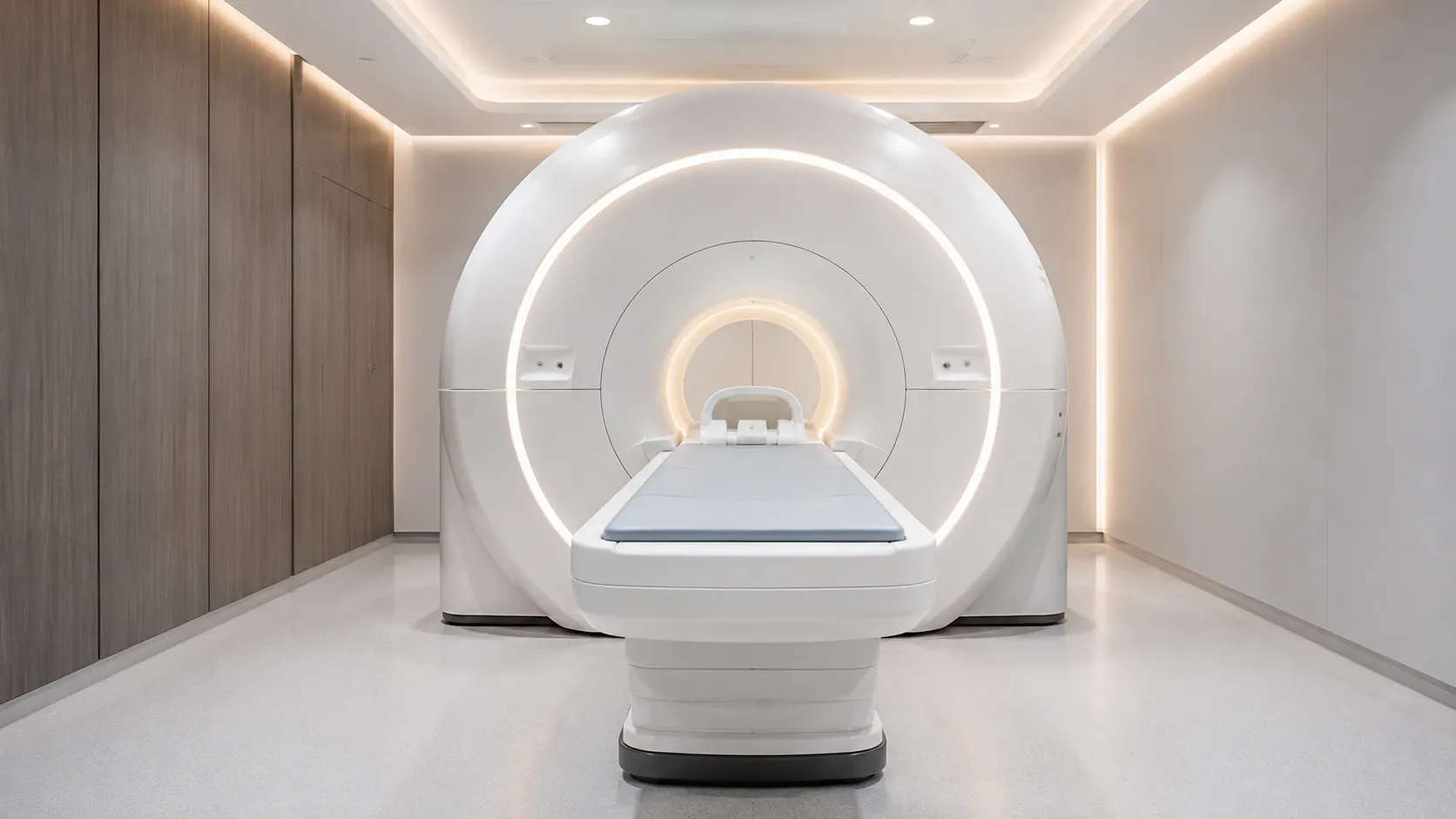
Diagnostic imaging equipment.
-
Patient monitoring systems.
-
Laboratory analysers.
-
Surgical equipment.
-
Hospital furniture.
-
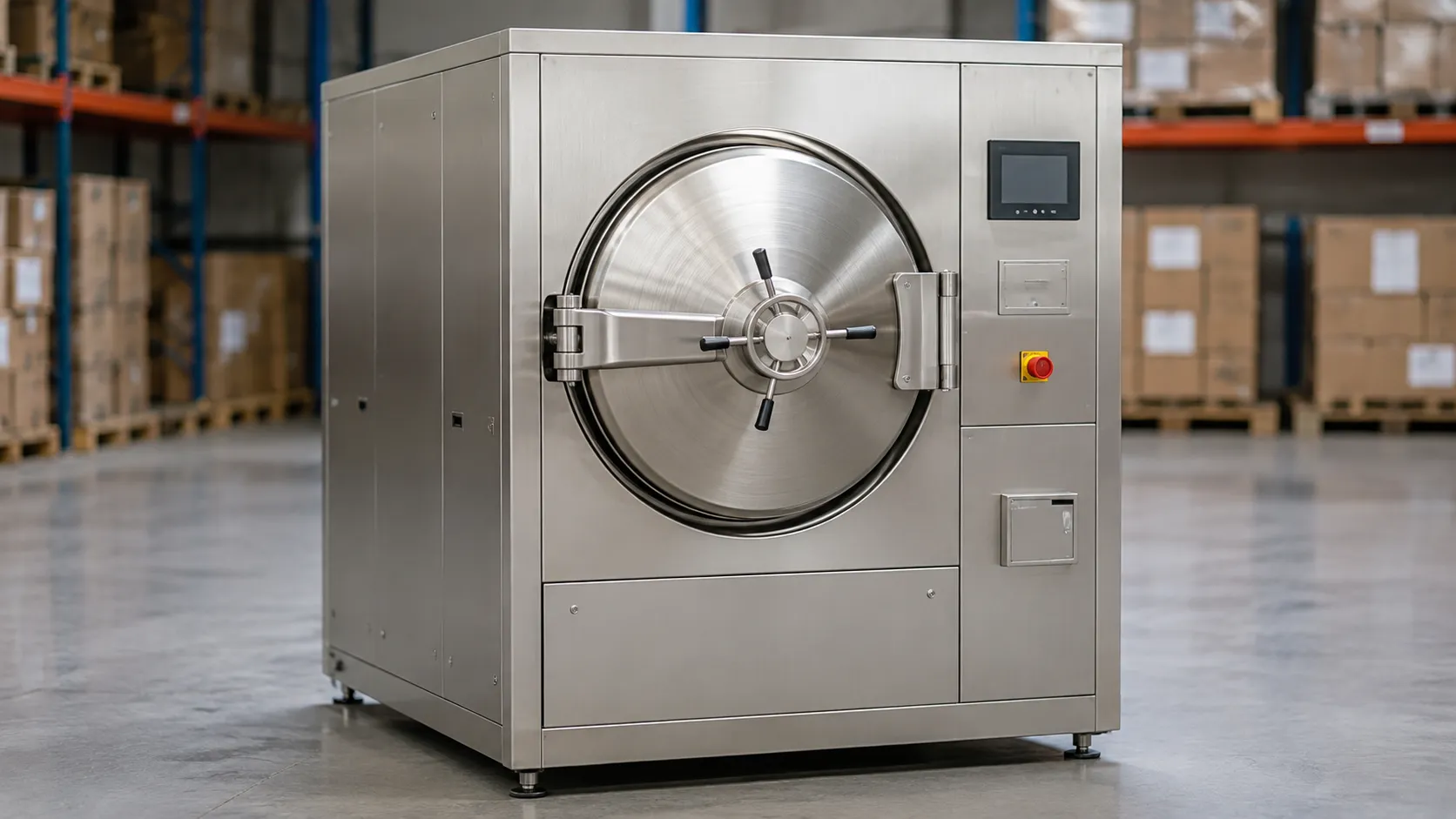
Sterilisation equipment.
-
Rehabilitation devices.
-
Home healthcare products.
Manufacturers focus on quality control, production planning, documentation, and packaging before products enter international distribution channels.
Product Inspection and Quality Assurance
Before shipment, medical equipment typically undergoes inspection and quality assurance procedures.
These processes may include:
-
Functional testing.
-
Performance verification.
-
Product inspection.
-
Packaging checks.
-
Documentation preparation.
-
Equipment identification.
Quality assurance helps ensure equipment is prepared for transportation and distribution.
International Packaging and Shipping Preparation
Medical equipment often requires specialised packaging to protect sensitive components during transport.
Packaging considerations include:
-
Shock protection.
-
Moisture resistance.
-
Temperature considerations were required.
-
Secure labeling.
-
Protective transport materials.
Proper packaging helps reduce the risk of damage during international shipping.
Healthcare organisations looking to source medical equipment globally can explore: buyer services.
International Transportation
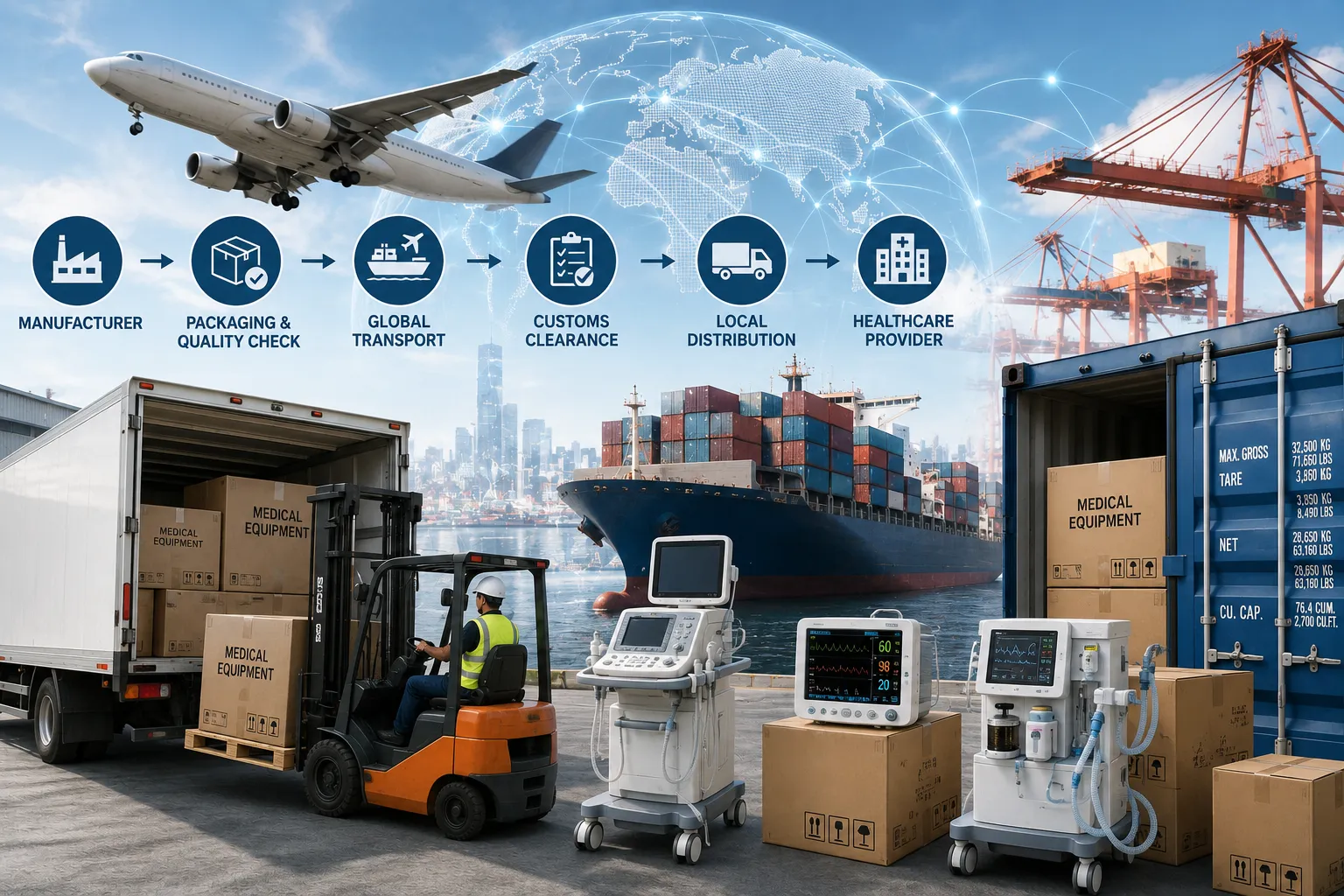
Medical equipment is transported worldwide using several logistics methods.
Air Freight - Air freight is commonly used for:
-
Urgent deliveries.
-
High-value equipment.
-
Smaller shipments.
-
Time-sensitive healthcare projects.
Its main advantage is faster delivery.
Sea Freight - Sea freight is suitable for:
-
Large medical equipment.
-
Bulk shipments.
-
Hospital construction projects.
-
Cost-efficient international transportation.
Large imaging systems, hospital furniture, and infrastructure equipment are often transported by sea.
Road and Rail Transport - Road and rail transportation support regional distribution after equipment arrives in the destination country.
These methods connect ports, warehouses, distribution centres, and healthcare facilities.
Customs and Border Procedures
International shipments must pass through customs before entering destination markets.
Common documentation includes:
-
Commercial invoices.
-
Packing lists.
-
Shipping documents.
-
Import permits where applicable.
- Customs declarations.
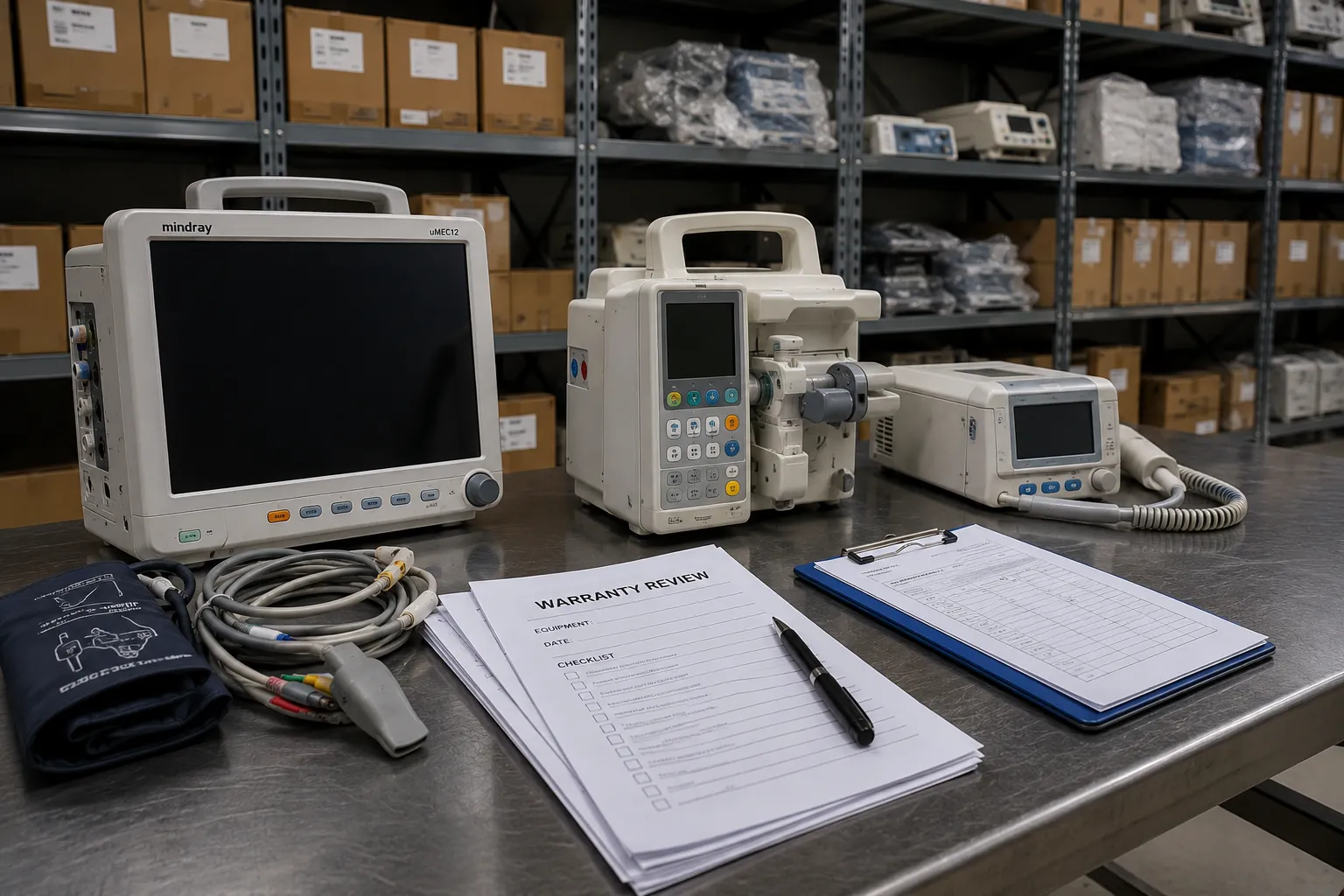
Accurate documentation helps reduce delays during customs clearance.
Regional Distribution Networks
Once customs clearance is complete, equipment enters regional distribution systems.
Distribution centres help:
-
Store inventory.
-
Manage order fulfilment.
-
Coordinate deliveries.
-
Support healthcare procurement.
-
Improve product availability.
Efficient distribution networks help ensure equipment reaches healthcare providers on schedule.
Healthcare suppliers interested in expanding their international reach can discover opportunities through business suppliers.
Medical Equipment Distributors
Distributors play an important role in global healthcare supply chains.
Their responsibilities often include:
-
Equipment sourcing.
-
Inventory management.
-
Customer support.
-
Logistics coordination.
-
Technical consultation.
-
After-sales assistance.
Distributors help bridge the gap between manufacturers and healthcare organisations.
Installation and Commissioning
After delivery, many medical devices require installation before entering service.
Installation may include:
-
Site preparation.
-
Equipment assembly.
-
Functional testing.
-
System configuration.
-
User orientation.
-
Documentation review.
Proper commissioning helps ensure equipment is ready for clinical use.
After-Sales Support
Medical equipment continues to require support after installation.
Common services include:
-
Preventive maintenance.
-
Technical assistance.
-
Spare parts supply.
-
Equipment servicing.
-
Software updates were applicable.
-
User training.
Long-term support helps maximise equipment performance and reliability.
Digital Supply Chain Technologies
Modern healthcare logistics increasingly rely on digital technologies.
Examples include:
-
Cloud-based inventory systems.
-
Digital shipment tracking.
-
Warehouse management software.
-
Asset management platforms.
-
Predictive logistics analytics.
-
Connected supply chain monitoring.
Digital tools improve visibility across the global supply chain while supporting more efficient procurement.
Healthcare organisations interested in strategic partnerships can learn more through business partners.
Challenges in Global Medical Equipment Distribution
International healthcare supply chains face several challenges.
Common considerations include:
-
Transportation delays.
-
Customs processing.
-
Regulatory differences.
-
Inventory management.
-
Supply chain disruptions.
-
Rising logistics costs.
-
Infrastructure limitations.Organisationss that plan proactively can better manage these challenges while maintaining reliable equipment availability.
The Future of Global Medical Equipment Movement
Global medical equipment distribution continues to evolve through technological innovation.
Emerging trends include:
-
Artificial intelligence in logistics.
-
Automated warehouses.
-
Internet of Medical Things (IoMT).
-
Smart inventory systems.
-
Sustainable packaging.
-
Predictive demand forecasting.
-
Cloud-based supply chain management.
These innovations are helping healthcare organisations improve procurement efficiency while strengthening global healthcare supply networks.
Businesses seeking greater visibility within the healthcare industry can discover opportunities through business Advertise
For international sourcing assistance, procurement guidance, and product enquiries, support is available through: Contact Team.
Conclusion
The movement of medical equipment across global markets is supported by a highly coordinated network of manufacturers, logistics providers, distributors, customs authorities, and healthcare organisations. Every stage—from manufacturing and quality assurance to international shipping, customs clearance, distribution, installation, and ongoing support—plays an important role in ensuring healthcare providers receive the equipment they need.
As digital technologies, automation, and connected supply chains continue to evolve, global medical equipment distribution will become even more efficient, helping hospitals and healthcare facilities improve access to advanced medical technologies worldwide.
Disclaimer
Medigear.uk is a medical equipment supplier and distributor. We do not provide legal, customs, logistics, or regulatory advice. This article is for general educational and informational purposes only. Import requirements, shipping procedures, and regulatory obligations vary by country. Healthcare organisations should consult qualified logistics providers, customs authorities, manufacturers, and relevant regulatory agencies before importing or exporting medical equipment.