Bangladesh has emerged as one of South Asia's fastest-growing healthcare markets. Economic development, population growth, expansion of healthcare infrastructure, and increasing investments in medical technology are creating significant opportunities for medical equipment suppliers, distributors, and healthcare buyers.
As healthcare providers continue to modernise their facilities and improve service delivery, demand for advanced medical equipment is rising across diagnostic imaging, laboratory services, critical care, rehabilitation, and home healthcare sectors. Understanding these market developments can help businesses identify opportunities and build long-term growth strategies.
Bangladesh's Expanding Healthcare Sector
Healthcare infrastructure development remains a major driver of equipment demand throughout Bangladesh.
New Healthcare Facilities – Ongoing construction projects are increasing the need for modern medical technologies.
Facility Upgrades – Existing healthcare providers are investing in newer equipment to improve operational efficiency.
Urban Healthcare Expansion – Growing cities are creating additional demand for healthcare services and supporting technologies.
Private Healthcare Growth – Increased investment in healthcare facilities continues to stimulate equipment procurement.
These factors are contributing to a steadily growing market for medical devices and healthcare technologies.
Diagnostic Equipment Presents Strong Opportunities
Diagnostic services remain one of the fastest-growing areas of healthcare investment in Bangladesh.
Common equipment categories include:
-
Digital X-ray systems.
-
Ultrasound equipment.
-
CT scanners.
-
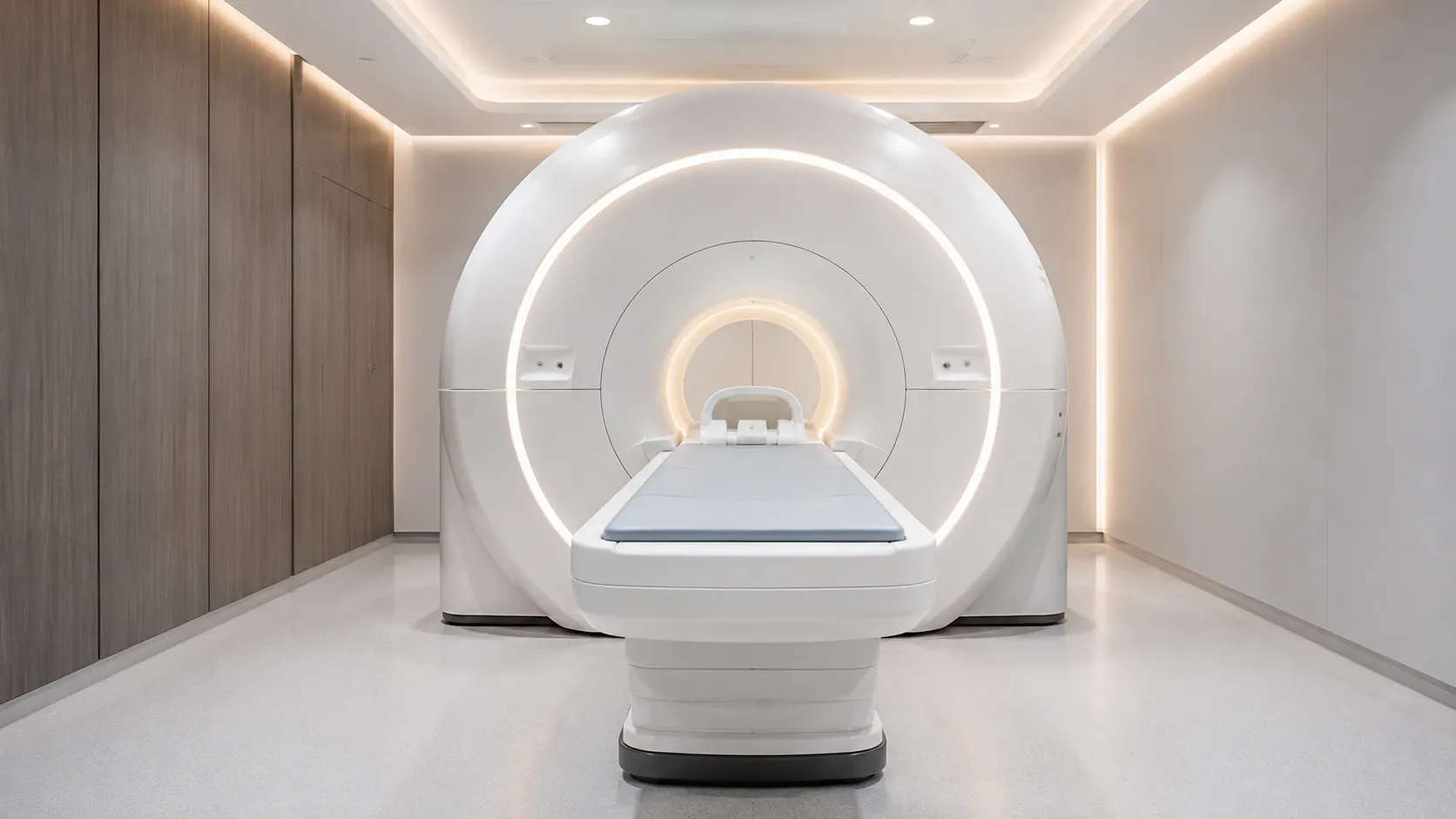
MRI systems.
-
Endoscopy equipment.
Supporting Early Detection – Diagnostic technologies help healthcare providers obtain timely clinical information.
Improving Operational Efficiency – Modern imaging systems can streamline healthcare workflows.
Healthcare organisations exploring sourcing opportunities can discover solutions through: buyers services
Laboratory Equipment Demand Continues to Increase
Laboratory diagnostics play an essential role in modern healthcare services.
Growing demand can be seen across:
Clinical Chemistry Systems – Supporting routine testing requirements.
Haematology Analysers – Assisting laboratory workflows.
Immunoassay Equipment – Expanding testing capabilities.
Molecular Diagnostic Platforms – Supporting advanced laboratory services.
Laboratory modernisation projects continue to create opportunities throughout the healthcare sector.
Critical Care Equipment Remains a Priority
Healthcare providers are increasingly investing in technologies that support intensive patient management.
Common procurement categories include:
-
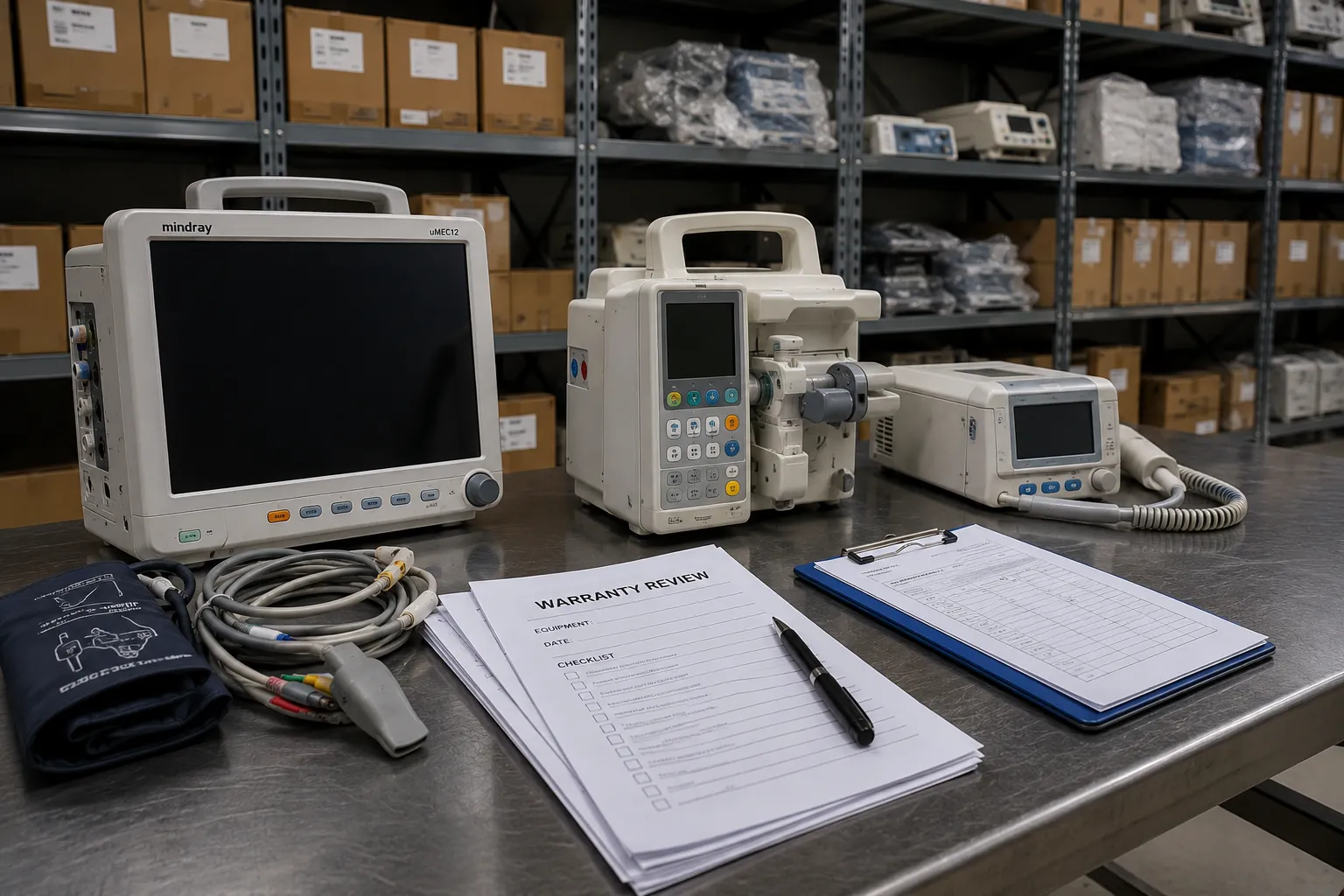
Patient monitoring systems.
-
Ventilation equipment.
-
Infusion systems.
-
Emergency response equipment.
-
Intensive care furniture.
The ongoing development of critical care capabilities continues to generate equipment demand.
Home Healthcare Equipment Is Gaining Momentum
The home healthcare segment is experiencing steady growth in Bangladesh.
Several factors are contributing to this trend:
Ageing Population Trends – Increasing demand for supportive care solutions.
Preference for Home-Based Care – Families often seek practical home healthcare options.
Portable Medical Technologies – Improved accessibility through compact equipment designs.
Popular categories include:
-
Oxygen concentrators.
-
Mobility aids.
-
Home care beds.
-
Portable monitoring devices.
-
Respiratory support equipment.
Healthcare suppliers interested in expanding their market presence can explore opportunities through business suppliers
Digital Health Is Creating New Possibilities
Technology adoption is influencing healthcare purchasing decisions.
Emerging trends include:
Remote Patient Monitoring Solutions – Supporting healthcare accessibility.
Wireless Medical Devices – Simplifying equipment deployment.
Cloud-Based Information Systems – Enhancing healthcare data management.
Digital Healthcare Platforms – Supporting operational efficiency.
Digital transformation continues to shape healthcare investment priorities.
Opportunities in Rehabilitation and Mobility Equipment
Demand for rehabilitation products is increasing as healthcare services expand.
Growth areas include:
-
Wheelchairs.
-
Walking aids.
-
Patient lifts.
-
Rehabilitation therapy equipment.
-
Mobility support solutions.
Healthcare providers are investing in equipment that supports patient recovery and long-term care.
Procurement Factors Influencing Purchasing Decisions
Healthcare buyers in Bangladesh often evaluate several important factors.
Equipment Reliability – Consistent performance supports operational continuity.
Maintenance Availability – Long-term servicing is an important consideration.
Training Requirements – Staff readiness supports successful implementation.
Scalability – Equipment should support future growth plans.
Total Cost of Ownership – Long-term operational costs influence purchasing decisions.
A strategic approach can help maximise procurement investments.
Distribution and Partnership Opportunities
As Bangladesh's healthcare market continues to develop, distribution networks are becoming increasingly important.
Regional Market Expansion – Growing demand creates opportunities for suppliers and distributors.
Healthcare Partnerships – Collaborative business models can improve market access.
Supply Chain Development – Efficient logistics support equipment availability.
Healthcare organisations interested in strategic collaboration opportunities can explore: business partners
Future Growth Areas
Several sectors are expected to drive future demand for medical equipment in Bangladesh.
Advanced Diagnostic Technologies – Supporting healthcare modernisation.
Smart Medical Devices – Expanding digital healthcare capabilities.
Portable Healthcare Equipment – Improving flexibility and accessibility.
Laboratory Automation Solutions – Increasing operational efficiency.
Home Healthcare Technologies – Supporting changing healthcare delivery models.
Businesses looking to strengthen their visibility within the healthcare sector can discover opportunities through business advertise.
For sourcing support, procurement guidance, and equipment enquiries, assistance is available through: Contact Team
Conclusion
Bangladesh's healthcare sector presents significant opportunities for medical equipment suppliers, distributors, and healthcare buyers. Continued investment in healthcare infrastructure, diagnostic services, laboratory modernisation, critical care capabilities, and digital health technologies is driving sustained market growth.
Organisations that understand evolving healthcare needs and emerging technology trends will be well-positioned to capitalise on opportunities in one of South Asia's most promising healthcare markets.
Disclaimer
Medigear.uk is a medical equipment supplier and distributor. We do not provide medical advice, diagnosis, or treatment recommendations. All information is for educational and product awareness purposes only. Qualified medical professionals should always make healthcare decisions.