India's healthcare sector continues to expand rapidly, driven by infrastructure development, technological advancements, growing healthcare awareness, and increasing demand for quality medical services. As healthcare facilities modernise and expand their capabilities, hospital equipment procurement has become a critical component of operational planning and long-term investment strategies.
From diagnostic imaging systems and laboratory analysers to patient monitoring devices and hospital furniture, procurement decisions directly influence healthcare efficiency, equipment utilisation, and future scalability. Understanding the procurement landscape can help healthcare buyers make informed purchasing decisions while maximising value and operational reliability.
The Growing Importance of Strategic Procurement
Hospital equipment procurement involves much more than selecting products based on specifications or pricing. Modern procurement strategies focus on balancing performance, long-term value, maintenance requirements, and future healthcare needs.
Supporting Operational Efficiency – Appropriate equipment helps streamline healthcare workflows.
Improving Resource Utilisation – Strategic purchasing reduces unnecessary expenditure.
Preparing for Future Expansion – Scalable procurement plans support long-term growth.
Managing Equipment Lifecycles – Careful planning helps maximise asset value.
As healthcare demands evolve, procurement decisions increasingly require a broader strategic perspective.
Equipment Categories Commonly Purchased by Hospitals
Healthcare facilities typically invest across multiple equipment categories.
Diagnostic Equipment - Diagnostic technologies remain among the most significant procurement priorities.
Common examples include:
-
Digital X-ray systems.
-
Ultrasound equipment.
-
CT scanners.
-
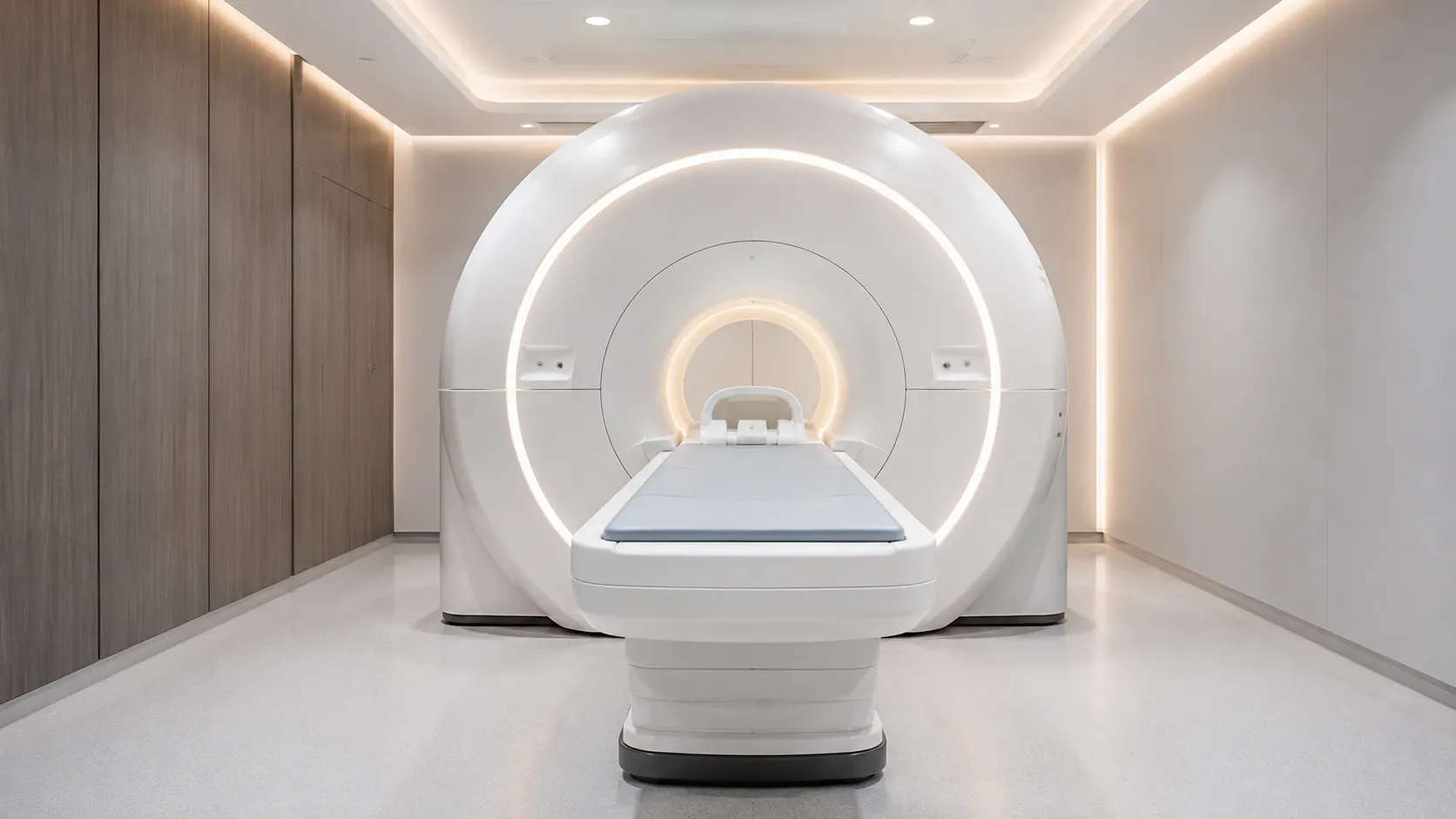
MRI systems.
-
Endoscopy equipment.
These technologies support healthcare operations across multiple specialities.
Critical Care Equipment - Critical care departments require specialised equipment designed for continuous patient management.
Frequently procured products include:
-
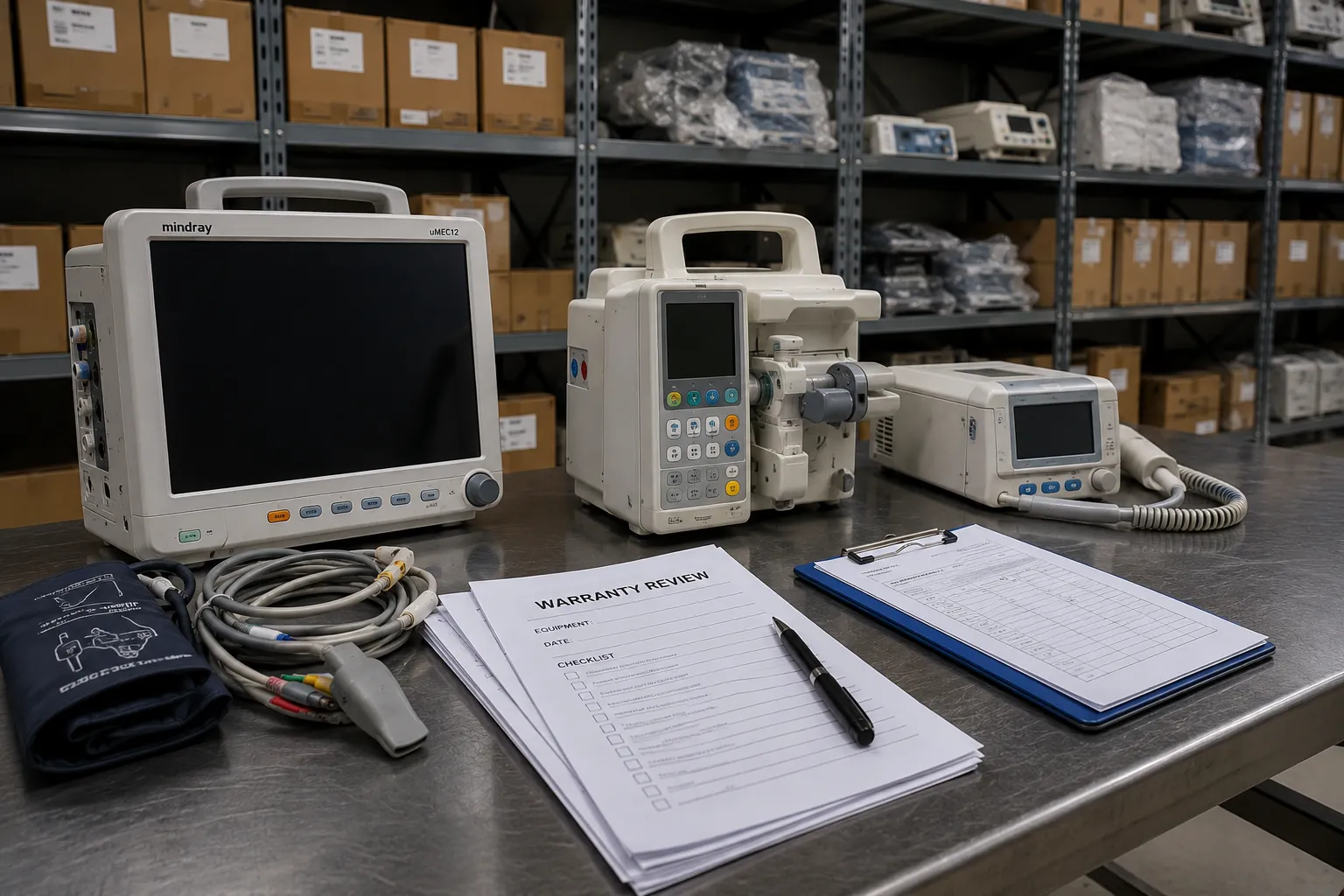
Patient monitoring systems.
-
Ventilation equipment.
-
Infusion systems.
-
Emergency response equipment.
-
Intensive care furniture.
Demand for critical care technologies continues to grow across India.
Laboratory Equipment - Laboratory diagnostics play an important role in healthcare delivery.
Common procurement categories include:
-
Haematology analysers.
-
Clinical chemistry systems.
-
Immunoassay equipment.
-
Molecular diagnostic platforms.
-
Laboratory automation solutions.
Healthcare organisations seeking equipment sourcing opportunities can explore: buyers services
Factors Influencing Procurement Decisions
Several practical considerations influence purchasing strategies.
Clinical Requirements – Equipment should align with intended operational applications.
Available Infrastructure – Space, utilities, and installation requirements must be evaluated.
Maintenance Support – Long-term servicing affects equipment reliability.
Staff Training Requirements – Proper implementation depends on user readiness.
Future Expansion Plans – Equipment should accommodate growing healthcare demands.
A balanced evaluation process helps support informed decision-making.
Budget Planning and Total Cost of Ownership
The purchase price is only one component of the overall equipment investment.
Healthcare buyers often assess:
-
Installation costs.
-
Maintenance expenses.
-
Energy consumption.
-
Replacement components.
-
Service contracts.
-
Equipment lifespan.
Evaluating the total cost of ownership provides a more comprehensive understanding of long-term value.
Supplier Evaluation Matters
Choosing a reliable supplier is an important part of procurement planning.
Product Availability – Consistent access to equipment supports operational continuity.
Technical Support – Service capabilities contribute to long-term reliability.
Documentation Assistance – Proper documentation can simplify procurement processes.
After-Sales Support – Ongoing support helps maximise equipment utilisation.
Healthcare suppliers interested in expanding their market reach can discover opportunities through: business suppliers
Technology Is Reshaping Procurement
Digital transformation is influencing how healthcare facilities evaluate and purchase equipment.
Current developments include:
Digital Procurement Platforms – Simplify sourcing activities.
Cloud-Based Asset Management – Improve equipment tracking.
Data-Driven Decision Making – Supports procurement planning.
Remote Equipment Monitoring – Enhances maintenance visibility.
Technology is helping procurement teams improve efficiency and transparency.
Challenges Facing Hospital Equipment Procurement
Procurement teams often encounter several challenges.
Supply Chain Disruptions – May affect delivery timelines.
Budget Constraints – Require careful prioritisation.
Rapid Technology Changes – Influence equipment selection.
Maintenance Planning – Impacts long-term ownership costs.
Infrastructure Limitations – Can affect installation and operation.
Addressing these challenges requires strategic planning and supplier collaboration.
Emerging Trends in India's Healthcare Equipment Market
Several developments are shaping procurement priorities.
Digital Healthcare Technologies – Expanding across healthcare environments.
Portable Medical Equipment – Supporting flexible healthcare delivery.
Home Healthcare Integration – Increasing demand for connected solutions.
Artificial Intelligence Applications – Enhancing healthcare workflows.
Smart Medical Devices – Supporting operational efficiency.
Healthcare organisations interested in strategic partnerships can explore: business partners
Building Sustainable Procurement Strategies
Sustainability is becoming an important consideration in healthcare purchasing.
Procurement teams increasingly evaluate:
Energy Efficiency – Reducing operational costs.
Equipment Durability – Extending service life.
Resource Optimisation – Improving utilisation rates.
Lifecycle Management – Supporting long-term asset planning.
These factors contribute to more sustainable healthcare operations.
Businesses looking to strengthen their visibility within the healthcare sector can discover opportunities through: business advertise
For sourcing assistance, procurement guidance, and equipment enquiries, support is available through: contact Team
Looking Ahead
Hospital equipment procurement in India continues to evolve as healthcare infrastructure expands and technology advances. Healthcare facilities are increasingly adopting strategic purchasing approaches that focus on long-term value, operational efficiency, and future readiness.
Organisations that carefully evaluate equipment performance, supplier support, maintenance requirements, and emerging technologies will be better positioned to meet growing healthcare demands while maximising the value of procurement investments.
Disclaimer
Medigear.uk is a medical equipment supplier and distributor. We do not provide medical advice, diagnosis, or treatment recommendations. All information is for educational and product awareness purposes only. Qualified medical professionals should always make healthcare decisions.