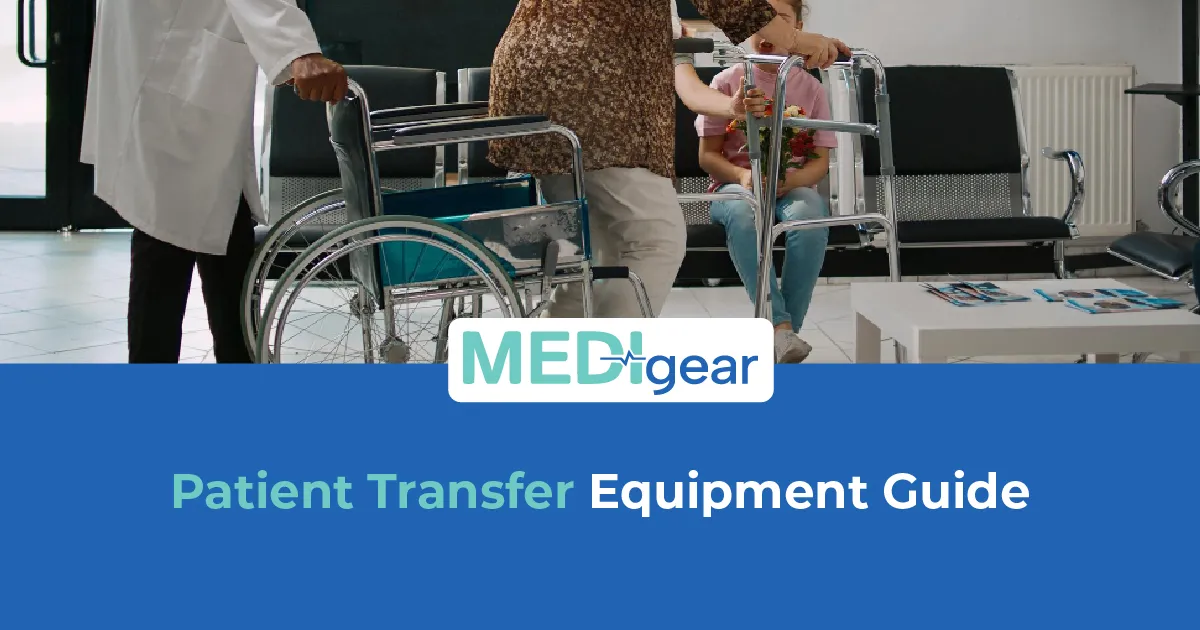
Moving patients safely is one of the most important daily responsibilities in healthcare environments. Whether transferring someone from a bed to a wheelchair, repositioning them for treatment, or transporting them between departments, the right equipment helps reduce risks for both patients and caregivers.
A well-planned patient-handling strategy improves comfort, minimises the risk of injury, and supports smoother healthcare operations. This patient transfer equipment guide explains the main equipment categories, selection considerations, maintenance requirements, and emerging trends that healthcare buyers should understand before making procurement decisions.
Why Patient Transfer Equipment Matters
Healthcare facilities manage hundreds of patient movements every day. Manual handling can place significant physical strain on caregivers and may increase the likelihood of patient falls or discomfort.
Modern transfer equipment helps organisations achieve several objectives:
-
Improve patient dignity and comfort
-
Reduce caregiver musculoskeletal injuries
-
Support safer patient movement
-
Increase workflow efficiency
-
Enhance compliance with workplace safety practices
-
Accommodate patients with varying mobility levels
Facilities that invest in appropriate transfer solutions often experience smoother operations and greater staff confidence during patient-handling tasks.
Understanding the Different Types of Transfer Solutions
Patient transfer equipment is available in several forms, each designed for specific movement scenarios.
Equipment Designed for Bed-to-Chair Transfers
Supporting Controlled Patient Movement – Transfer boards, transfer belts, and slide sheets help facilitate movement between beds, wheelchairs, examination tables, and treatment chairs. These tools are commonly used when patients retain partial mobility but require assistance.
Reducing Physical Strain on Caregivers – Friction-reducing materials allow smoother repositioning while minimising excessive pulling and lifting.
Mechanical and Powered Lifting Systems
Managing Higher-Dependency Patients – Mechanical lifts are valuable for patients with limited mobility or those unable to bear weight independently. These systems help healthcare teams move patients safely while reducing the risk of injury.
Accommodating Diverse Patient Needs – Different sling designs support varying body types, mobility levels, and clinical requirements.
Transfer Chairs and Transport Devices
Improving Internal Patient Movement – Transfer chairs and transport systems support movement between departments, diagnostic areas, and treatment rooms.
Enhancing Operational Efficiency – Facilities often rely on these devices to streamline patient flow and reduce delays during busy periods.
Bariatric Transfer Equipment
Providing Specialised Mobility Support – Bariatric transfer systems are designed to accommodate higher weight capacities while maintaining stability, safety, and caregiver confidence.
Healthcare organisations increasingly consider bariatric capabilities when evaluating long-term equipment investments.
Key Factors to Consider Before Purchasing
Choosing transfer equipment involves more than comparing specifications. Buyers should assess operational needs, patient demographics, and staff workflows.
Patient Population Requirements
A facility serving rehabilitation patients may require different solutions than those for a long-term care centre or an acute care environment.
Consider:
-
Average patient mobility levels
-
Bariatric care requirements
-
Frequency of transfers
-
Clinical specialties
-
Space limitations
Healthcare organisations exploring supplier options can connect with industry networks through the Buyers Marketplace at Buyers Services.
Staff Training and Ease of Use
Encouraging Consistent Equipment Adoption – Even advanced systems provide limited value if staff find them difficult to operate. Equipment should support intuitive workflows and practical daily use.
Reducing Training Burden – User-friendly controls and straightforward maintenance procedures often improve long-term adoption rates.
Facility Layout Considerations
Corridor widths, patient room sizes, elevator access, and storage space all influence equipment selection.
Transfer solutions should fit seamlessly into existing healthcare environments without creating workflow obstacles.
Procurement Insights for Healthcare Decision Makers
Healthcare procurement teams frequently focus on purchase price alone. However, long-term value often depends on broader operational factors.
Evaluating Total Ownership Costs – Maintenance requirements, replacement components, staff training, and equipment lifespan contribute significantly to overall costs.
Balancing Durability with Flexibility – Equipment that supports multiple transfer scenarios may offer greater long-term value than highly specialised solutions.
Organisations seeking qualified equipment providers can review available supplier opportunities at Business Suppliers.
Keeping Equipment Reliable Over Time
Transfer equipment performs best when supported by structured maintenance programs.
Daily Operational Checks
Before use, staff should inspect:
-
Wheels and casters
-
Sling attachment points
-
Braking systems
-
Control panels
-
Battery indicators
-
Structural integrity
Routine inspections help identify wear before it affects performance.
Scheduled Preventive Maintenance
Preventing Unexpected Downtime – Planned servicing reduces equipment failures and supports uninterrupted patient care.
Extending Equipment Lifespan – Regular inspections and manufacturer-recommended servicing help protect long-term investments.
Healthcare teams interested in broader equipment care practices may also benefit from reading Medigear.uk's article on maintaining laboratory equipment for accurate results.
Cleaning and Infection Prevention
Transfer equipment frequently comes into contact with multiple patients throughout the day.
Consistent cleaning protocols help:
-
Reduce contamination risks
-
Extend equipment life
-
Maintain appearance
-
Support regulatory compliance
Industry Developments Shaping Patient Handling
Patient transfer technology continues evolving to address workforce challenges and patient safety priorities.
Smarter Mobility Systems Manufacturers increasingly integrate:
-
Battery monitoring
-
Usage tracking
-
Digital diagnostics
-
Preventive maintenance alerts
These capabilities help facilities manage equipment fleets more effectively.
Greater Focus on Caregiver Safety - Healthcare organisations are placing a stronger emphasis on reducing workplace injuries through ergonomic transfer solutions.
Supporting Workforce Retention – Safer equipment may contribute to improved staff satisfaction and reduced physical strain.
Expanding Demand for Flexible Solutions - Facilities increasingly seek equipment that can support multiple patient populations rather than single-purpose systems.
This trend encourages procurement teams to prioritise adaptability and scalability.
Organisations interested in collaborative healthcare opportunities can explore partnership options with business partners.
Similarly, companies looking to increase visibility within the healthcare equipment sector can learn more about promotional opportunities through business advertising.
Questions regarding transfer equipment solutions or procurement requirements can be directed to the contact team via the Medigear.uk contact page.
Disclaimer
Medigear.uk is a medical equipment supplier and distributor. We do not provide medical advice, diagnosis, or treatment recommendations. All information is for educational and product awareness purposes only. Qualified medical professionals should always make healthcare decisions.