Healthcare organisations manage thousands of assets across departments, facilities, and clinical environments. Maintaining visibility into equipment utilisation, maintenance schedules, service histories, and operational performance can be challenging, particularly as healthcare systems become increasingly complex and technology-driven.
For buyers' services, data analytics has become a valuable tool for improving equipment management decisions. Rather than relying solely on manual reporting or reactive maintenance, healthcare providers can use real-time data to monitor performance, predict failures, optimise asset deployment, and improve operational efficiency.
Facilities that effectively use data analytics often gain greater control over equipment lifecycles, reduce downtime, and support more informed procurement strategies. Understanding how analytics supports equipment management helps healthcare leaders make smarter operational and investment decisions.
Why Data Visibility Has Become Essential for Modern Equipment Management
Real-Time Asset Tracking — Modern analytics platforms provide continuous visibility into equipment location, status, and utilisation. Healthcare facilities can quickly identify the locations of critical devices and whether they are actively supporting patient care. This visibility reduces search times and improves resource allocation.
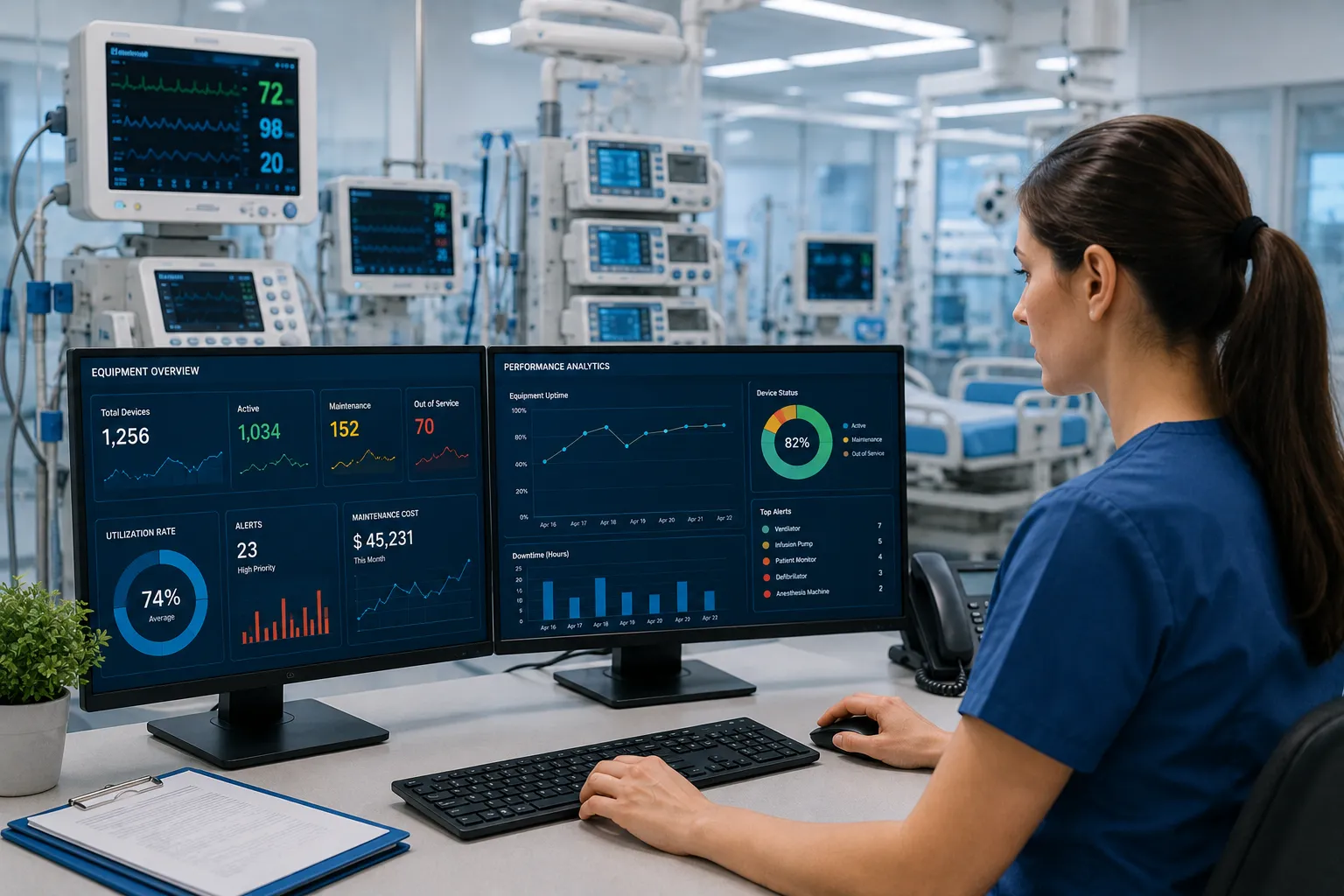
Equipment Utilisation Monitoring — Data analytics helps organisations understand how frequently equipment is used and whether assets are underutilised or overburdened. Facilities that have deployed analytics systems at scale often discover opportunities to improve equipment distribution and reduce unnecessary purchases.
Centralised Equipment Intelligence — Analytics platforms consolidate information from multiple systems into a single dashboard. Biomedical engineering teams can review maintenance records, utilisation trends, and service histories without relying on fragmented data sources.
Operational Decision Support — One aspect that surprises first-time users is how quickly analytics can reveal inefficiencies affecting equipment availability. Data-driven insights help healthcare organisations make more informed operational and procurement decisions.
Where Data Analytics Is Delivering Value Across Healthcare Facilities
Large teaching hospitals frequently use analytics platforms to manage extensive equipment inventories spread across multiple departments. These facilities rely on data insights to support maintenance planning, equipment tracking, and capital investment decisions.
District hospitals increasingly deploy analytics solutions to maximise operational efficiency with limited resources. Data visibility helps teams identify utilisation trends and improve equipment availability without increasing inventory levels.
Facilities sourcing equipment through business suppliers often seek technologies that support analytics integration. Connected devices capable of generating performance data are becoming increasingly valuable within modern healthcare environments.
Community healthcare centres use analytics to monitor equipment performance, track maintenance requirements, and support operational planning. Data-driven visibility improves resource allocation across geographically dispersed services.
Mobile healthcare providers benefit from analytics via remote equipment monitoring and performance tracking. In practice, procurement teams often find that analytics-enabled equipment delivers greater long-term operational value than systems lacking connectivity and reporting capabilities.
Technical Capabilities That Power Equipment Analytics
Connected Device Infrastructure — Data analytics depends on equipment capable of generating and transmitting operational information. Connected medical devices provide the foundation for advanced asset management strategies.
Predictive Maintenance Algorithms — Analytics systems analyse performance trends and identify patterns that may indicate developing equipment issues. Predictive insights help engineering teams schedule maintenance proactively and reduce downtime.
Performance Benchmarking Tools — Healthcare organisations can compare equipment performance across departments, facilities, or service lines. These benchmarks support strategic planning and help identify opportunities for operational improvement.
Cloud-Based Analytics Platforms — Centralised cloud systems allow organisations to access equipment data from multiple locations. This improves visibility and supports coordinated asset management strategies across healthcare networks.
Interoperability and Data Integration — Effective analytics platforms integrate information from maintenance systems, asset management tools, monitoring devices, and healthcare information systems. Strong integration capabilities improve data accuracy and decision-making effectiveness.
Making Smarter Procurement Decisions Through Analytics Insights
Total Cost of Ownership Analysis — Data analytics provides visibility into maintenance expenses, utilisation rates, downtime events, and lifecycle performance. Procurement teams can evaluate the true operational cost of equipment rather than focusing solely on acquisition price. Facilities that use ownership analytics often make more informed investment decisions.
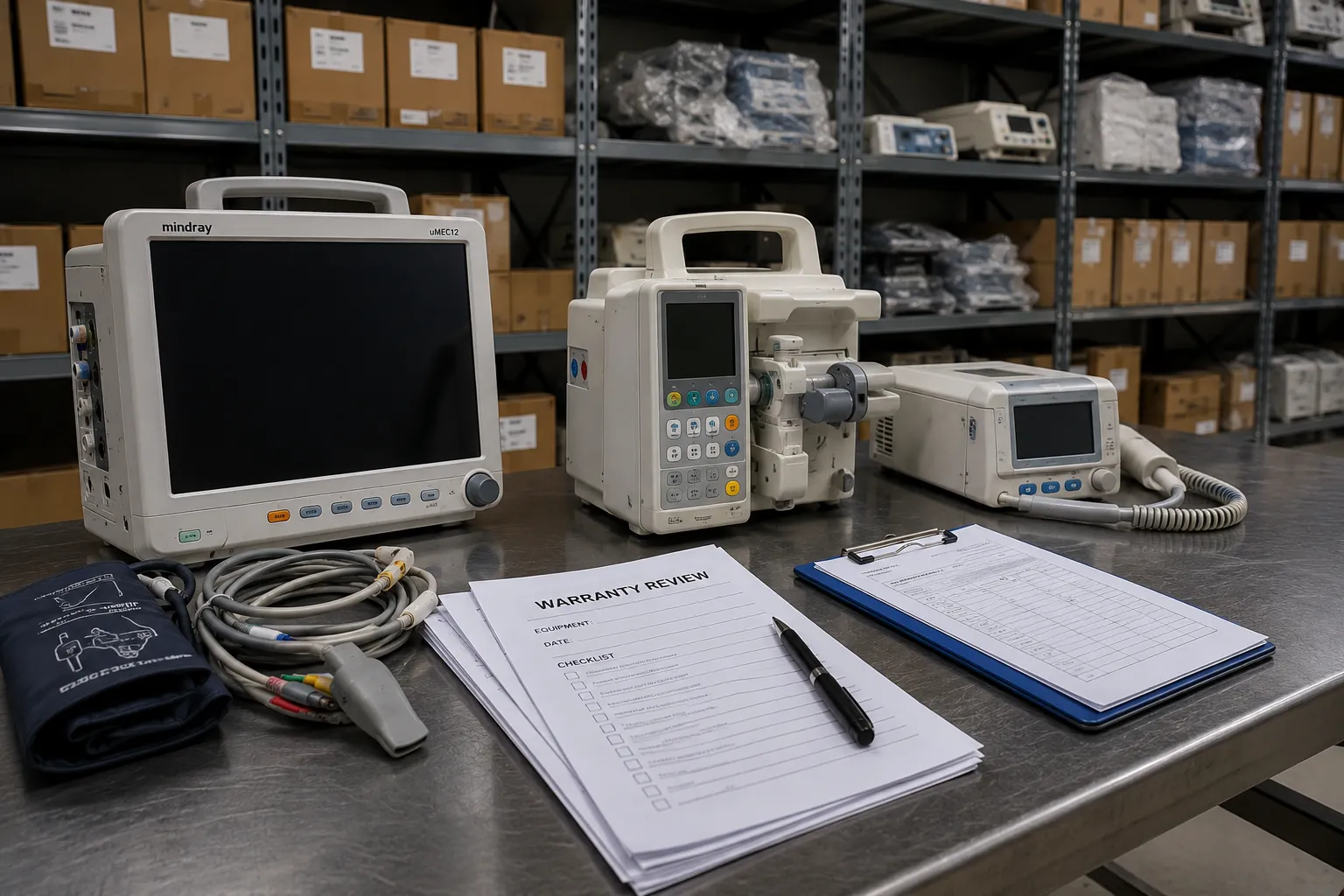
Vendor Performance Measurement — Analytics platforms help organisations compare service response times, equipment reliability, maintenance frequency, and warranty outcomes across suppliers. This information supports evidence-based vendor selection processes. Many business advertise increasingly provide performance data because procurement teams demand measurable outcomes.
Compliance and Reporting Visibility — Healthcare facilities must maintain accurate records for maintenance, inspections, and regulatory requirements. Analytics systems simplify reporting by consolidating equipment information and supporting compliance management processes.
Future Capacity Planning — Analytics helps organisations identify utilisation trends and forecast future equipment requirements. Procurement teams can align purchasing strategies with projected clinical demand rather than relying on assumptions.
Healthcare organisations managing multiple facilities often benefit from business partners that support standardised reporting, consistent monitoring of equipment performance, and long-term asset management strategies.
Extending Equipment Service Life Through Data-Driven Maintenance
Predictive Maintenance Scheduling — Analytics platforms monitor equipment performance and identify signs of developing issues before failures occur. Predictive maintenance reduces unexpected downtime and improves operational continuity. Facilities that deploy predictive maintenance often experience better equipment availability.
Service History Intelligence — Analytics systems maintain comprehensive records of maintenance activities, repairs, inspections, and performance trends. Biomedical engineering teams can use historical data to support maintenance planning and replacement decisions.
Lifecycle Performance Monitoring — Data-driven insights help organisations understand how equipment performs throughout its operational lifecycle. Healthcare facilities can identify declining performance and plan upgrades before reliability becomes a concern.
Cost Management in Limited-Service Regions — One aspect that experienced procurement teams often evaluate is the availability of local technical support. In markets with limited service infrastructure, maintenance analytics can significantly influence total ownership costs and long-term equipment reliability.
Global Demand for Analytics-Driven Equipment Management
Healthcare Digital Transformation Initiatives — Healthcare providers worldwide are investing in analytics technologies to improve operational visibility, resource utilisation, and equipment performance. Data-driven management strategies are becoming central to modernisation efforts.
Growing Interest in Connected Equipment Ecosystems — Hospitals increasingly prioritise equipment that generates actionable data. Connected ecosystems support maintenance planning, utilisation monitoring, and strategic decision-making across healthcare organisations.
Balancing New and Existing Asset Investments — Analytics helps organisations determine whether equipment should be upgraded, maintained, replaced, or redeployed. These insights improve capital planning and reduce unnecessary expenditures.
International Procurement and Asset Planning — Global healthcare buyers use analytics to evaluate equipment performance, forecast demand, and optimise procurement strategies. Data visibility supports more effective planning across diverse healthcare environments.
Final Thoughts
Data analytics is transforming medical equipment management by providing healthcare organisations with actionable insights into equipment performance, utilisation, maintenance needs, and lifecycle costs. By leveraging real-time data and predictive analytics, hospitals and clinics can reduce downtime, improve asset utilisation, optimise maintenance schedules, and make more informed purchasing decisions. As healthcare becomes increasingly data-driven, analytics will continue to play a crucial role in improving operational efficiency, reducing costs, and ensuring reliable patient care.
Disclaimer
Medigear.uk is a global medical equipment supplier, exporter, and distributor. The content published on this site is intended for educational and product awareness purposes only. Nothing on this page constitutes medical advice, clinical guidance, or treatment recommendations. All healthcare procurement and clinical decisions should be made by qualified medical professionals and compliant procurement teams operating within the regulatory frameworks of their respective countries.