Healthcare providers worldwide face mounting pressure to improve patient outcomes while managing rising operational costs, workforce shortages, equipment utilisation challenges, and increasingly complex clinical environments. Medical technology investments are no longer evaluated solely on performance specifications. Procurement decisions now focus heavily on connectivity, automation capabilities, interoperability, and long-term operational efficiency.
For buyer services, automation has become a strategic priority rather than an optional enhancement. Hospitals, diagnostic centres, and healthcare networks are deploying intelligent systems that automate routine processes, improve visibility across equipment fleets, and support clinical decision-making through real-time data insights.
Automation is influencing every stage of the healthcare equipment lifecycle, from procurement and deployment to maintenance and replacement planning. Understanding these developments helps healthcare leaders make informed technology investments while preparing for future operational demands.
How Intelligent Automation Is Supporting Clinical Care Delivery
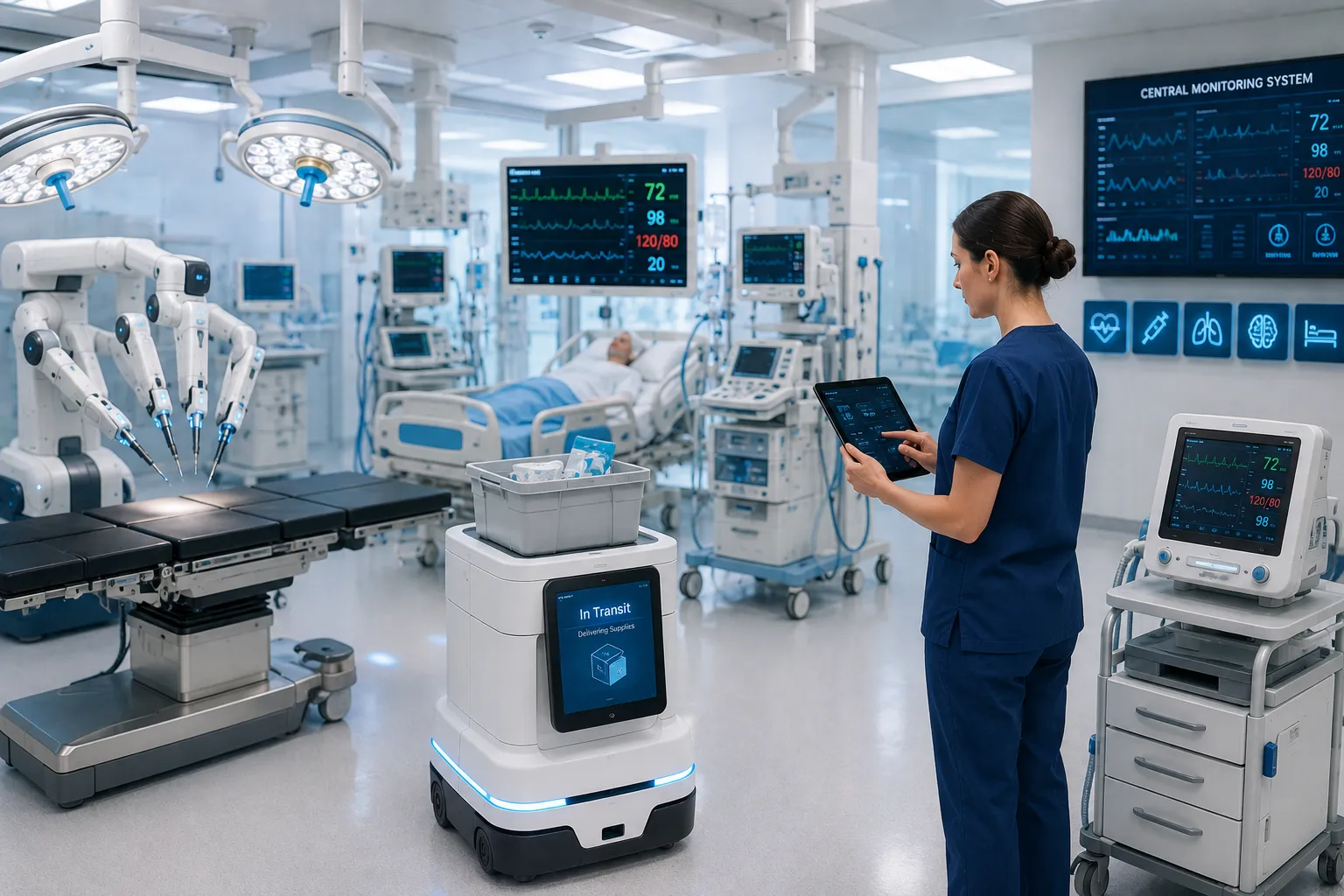
Real-Time Patient Monitoring Integration — Automated monitoring systems continuously collect patient data and transmit information directly to centralised clinical platforms. This reduces reliance on manual observations while improving visibility across critical care environments. Facilities that have deployed automated monitoring at scale tend to report faster identification of clinical deterioration and improved workflow efficiency.
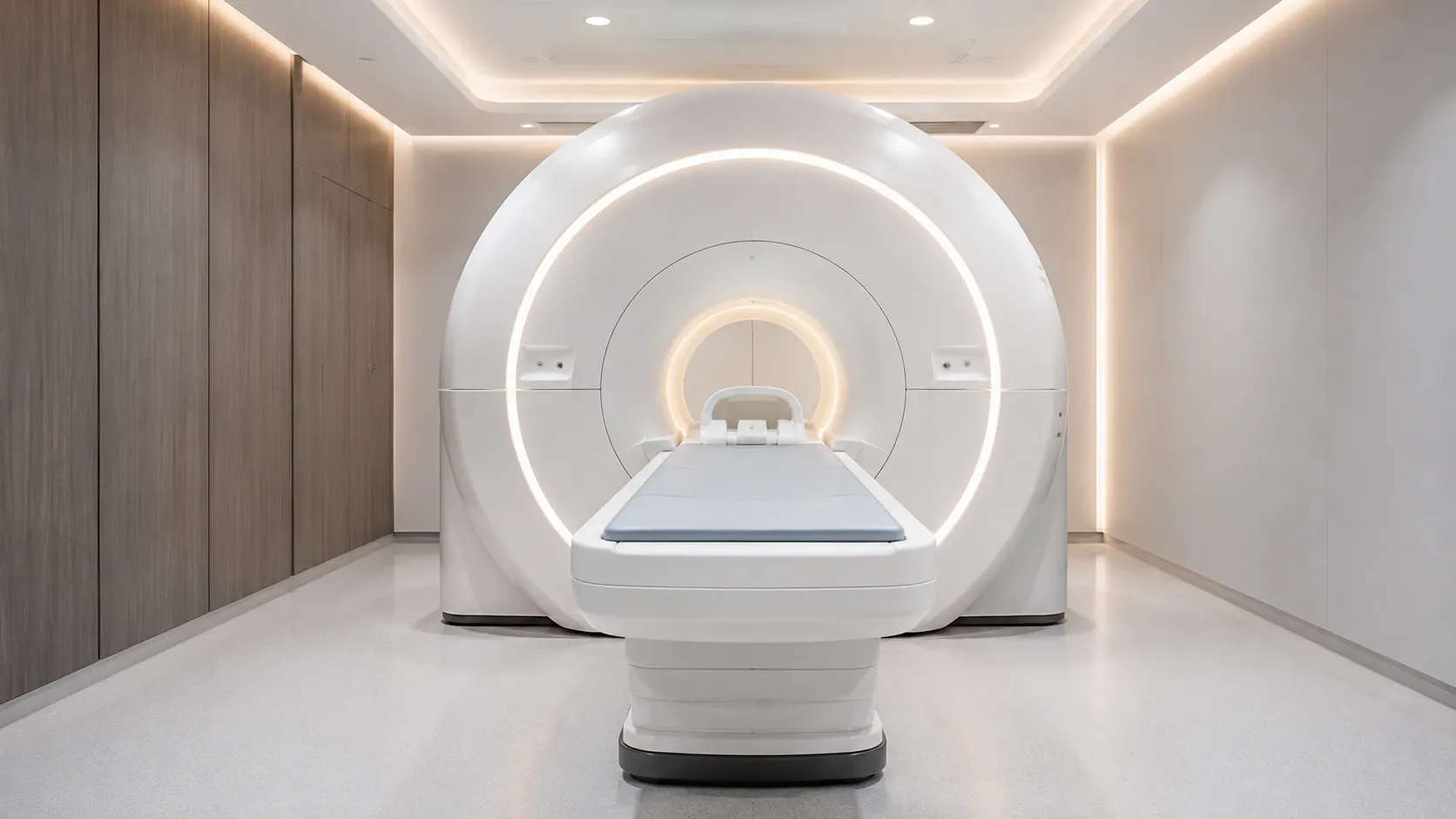
AI-Assisted Diagnostic Support — Artificial intelligence is increasingly embedded within diagnostic imaging, laboratory equipment, and patient assessment tools. Rather than replacing clinical expertise, these systems help prioritise cases, identify patterns, and support decision-making processes. Experienced clinical supply managers typically evaluate the quality of algorithm validation and workflow integration before approving procurement decisions.
Automated Clinical Documentation — Connected medical devices can automatically capture and transfer clinical information into healthcare management systems. This reduces manual data entry requirements and minimises transcription errors. One aspect that surprises first-time buyers is the significant administrative time savings created through automated documentation workflows.
Equipment Utilisation Optimisation — Automation platforms provide real-time visibility into equipment location, status, and utilisation patterns. Healthcare organisations can identify underused assets, improve deployment decisions, and support more effective resource allocation across departments.
Where Automation Technologies Are Being Deployed Across Healthcare Systems
Large teaching hospitals often lead automation adoption because they manage extensive equipment inventories and highly complex workflows. These facilities frequently deploy automated monitoring, intelligent imaging systems, predictive maintenance platforms, and centralised asset management solutions to improve operational performance.
District hospitals increasingly use automation to maximise efficiency with limited staffing resources. Connected healthcare technologies help clinical teams monitor patients, manage equipment fleets, and streamline administrative activities without increasing workforce demands.
Facilities that source equipment through business suppliers often prioritise interoperability and automation during procurement evaluations. Automated reporting capabilities, predictive service alerts, and cloud-based management tools are now commonly included in purchasing requirements.
Community healthcare centres benefit from automation through remote monitoring systems, connected diagnostic platforms, and workflow optimisation technologies. These solutions improve service delivery while supporting geographically dispersed patient populations.
Mobile healthcare units and point-of-care environments increasingly rely on automated systems to maintain operational continuity. Remote diagnostics, automated calibration functions, and cloud connectivity help ensure consistent performance even when technical support resources are limited.
In practice, procurement teams often find that successful automation deployment depends as much on workflow integration and staff training as it does on technology selection.
Technical Capabilities Influencing Hospital Automation Investments
Artificial Intelligence Functionality — AI-powered systems can support image analysis, predictive diagnostics, anomaly detection, workflow prioritisation, and equipment performance monitoring. Procurement teams should assess how AI functionality contributes to measurable operational improvements rather than focusing solely on marketing claims.
Predictive Maintenance Intelligence — Modern automated equipment continuously monitors internal operating conditions and performance indicators. Predictive maintenance capabilities help identify developing issues before failures occur, reducing downtime and supporting proactive service planning. Operationally, this translates into improved equipment availability and fewer unexpected disruptions.
Interoperability and Data Exchange — Connectivity remains one of the most important specifications influencing healthcare technology investments. Equipment capable of exchanging information across clinical systems, monitoring platforms, and asset management solutions delivers greater long-term value than isolated technologies. Requirements differ considerably across healthcare systems, making interoperability assessment essential.
Cloud-Based Equipment Management — Centralised management platforms provide visibility into equipment performance, maintenance schedules, utilisation metrics, and compliance records. Healthcare organisations managing large equipment inventories increasingly depend on cloud-based solutions to support strategic asset management initiatives.
Cybersecurity and Compliance Architecture — Automated medical devices operate within increasingly connected healthcare ecosystems. Buyers should evaluate cybersecurity frameworks, software update processes, user access controls, and compliance documentation alongside traditional performance specifications. Strong cybersecurity protections help safeguard both clinical operations and sensitive healthcare information.
Automation is no longer confined to premium healthcare environments. Intelligent functionality is increasingly integrated into mainstream medical equipment categories, making automation readiness a critical consideration for healthcare procurement strategies worldwide.
Evaluating Automation Investments Beyond Initial Purchase Costs
Lifecycle Cost Visibility — Healthcare facilities should evaluate automation projects using the total cost of ownership rather than the purchase price alone. Software subscriptions, cybersecurity management, infrastructure upgrades, training programs, and service agreements can significantly influence long-term costs. Facilities that assess lifecycle expenses early often make more sustainable procurement decisions.
Vendor Capability Assessment — Automated healthcare technologies require ongoing support, software maintenance, and technical expertise. Procurement teams should review vendor response times, support coverage, product update roadmaps, and implementation experience. Many business advertise report that procurement teams increasingly request documented evidence of post-installation support before considering new technology investments.
Compliance Across Multiple Healthcare Markets — Automated systems frequently operate across different regulatory environments. Buyers should verify conformity with applicable local regulatory standards and assess documentation covering cybersecurity, interoperability, safety requirements, and software validation. Experienced procurement professionals understand that compliance planning reduces operational risk during deployment.
System Integration Readiness — Automation generates the greatest value when integrated into broader healthcare ecosystems. Equipment should communicate effectively with electronic health records, asset management software, monitoring platforms, and clinical information systems. Poor integration can limit the benefits of automation regardless of equipment performance.
Healthcare organisations managing multi-site operations often achieve stronger procurement outcomes through business partners that support standardisation, service continuity, technical expertise, and long-term technology planning.
Maintaining Automated Equipment Throughout Its Operational Lifecycle
Predictive Service Management — Automated medical equipment increasingly incorporates self-monitoring capabilities to continuously track performance indicators. Predictive maintenance tools identify developing issues before failures occur, allowing engineering teams to schedule interventions proactively. Facilities that implement predictive maintenance programs frequently reduce downtime and improve equipment reliability.
Software Updates and Security Oversight — Automated technologies depend on software functionality and secure connectivity. Regular updates improve performance, maintain compatibility, and address cybersecurity vulnerabilities. Healthcare organisations should establish structured update procedures to avoid disrupting clinical workflows.
Calibration and Performance Verification — Automated systems still require routine verification to ensure operational accuracy. Calibration schedules, compliance inspections, and functional testing remain essential components of equipment management. In practice, procurement teams often underestimate the long-term value of preventive service planning when evaluating automation investments.
Maintenance Costs in Limited-Service Regions — Facilities operating in areas with limited technical support may experience higher maintenance expenses. Service accessibility can significantly affect total ownership costs. Buyers should assess the availability of local support before deploying highly specialised automation technologies.
Why Global Demand for Hospital Automation Continues to Grow
Digital Healthcare Transformation Strategies — Healthcare systems worldwide are investing in automation to improve operational efficiency, patient safety, workforce productivity, and resource utilisation. Intelligent technologies are increasingly viewed as foundational components of modern healthcare infrastructure rather than optional enhancements.
Growing Preference for Connected Equipment Ecosystems — Hospitals increasingly prioritise technologies that share information across departments and platforms. Connected ecosystems support better decision-making, improve operational visibility, and reduce manual administrative tasks. Procurement teams frequently rank interoperability among their most important purchasing criteria.
Balancing New and Refurbished Automation Solutions — Healthcare organisations often evaluate both new and refurbished automated equipment. New systems generally provide advanced software capabilities and longer support lifecycles, while refurbished technologies may offer financial advantages. The optimal choice depends on operational objectives, available budgets, and technology strategies.
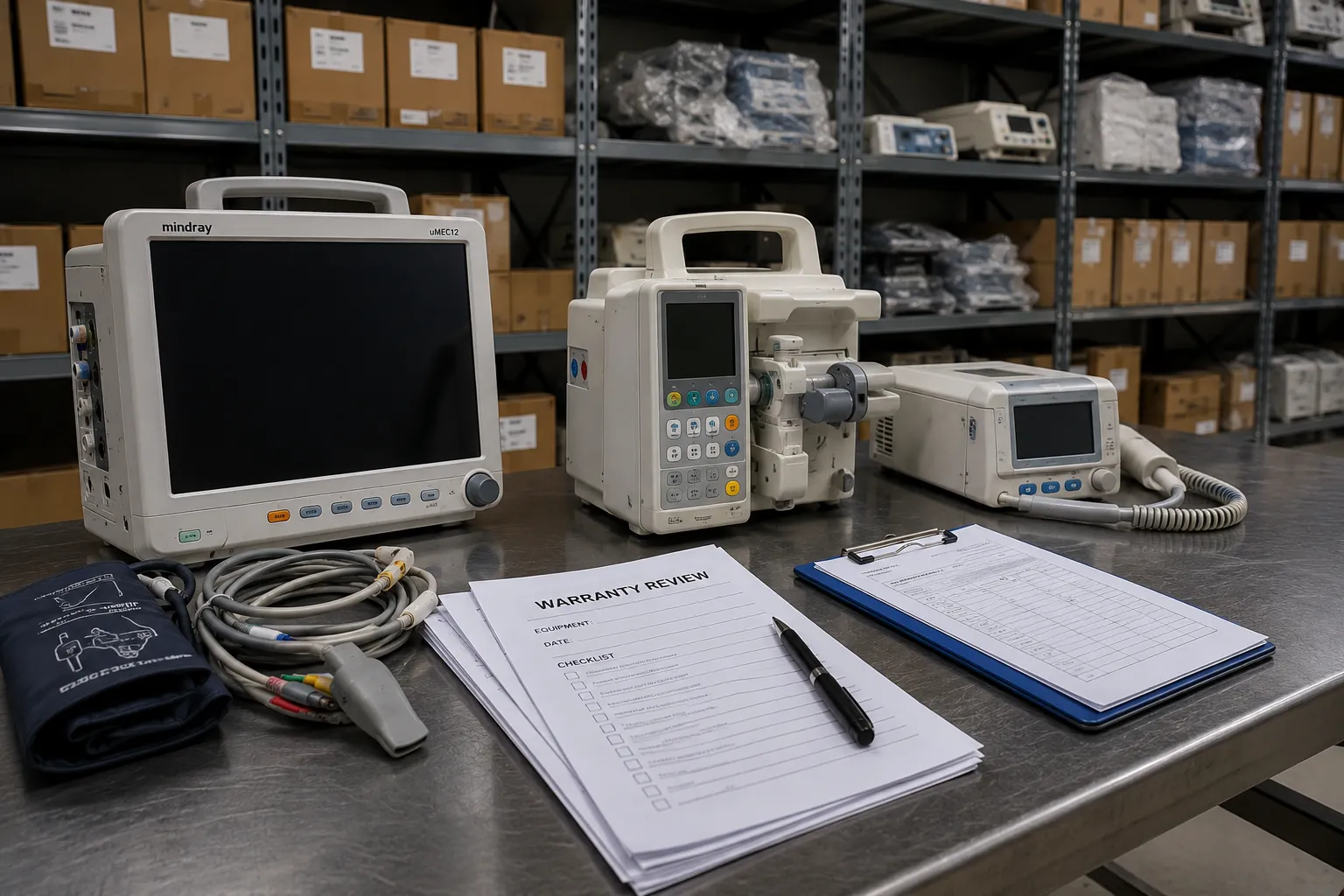
International Sourcing and Supply Chain Planning — Global procurement requires careful consideration of lead times, documentation requirements, installation support, warranty coverage, and service availability. Facilities that conduct comprehensive supplier assessments typically experience smoother implementation processes and stronger long-term outcomes.
Final Thoughts
Automation is reshaping hospital equipment by improving efficiency, accuracy, and reliability across healthcare operations. From automated diagnostics and smart monitoring systems to robotic assistance and predictive maintenance, automation helps reduce manual workloads, streamline clinical workflows, and enhance patient safety. As hospitals continue to adopt advanced technologies, automated medical equipment will play an increasingly important role in delivering high-quality, efficient, and future-ready healthcare services.
Disclaimer
Medigear.uk is a global medical equipment supplier, exporter, and distributor. The content published on this site is intended for educational and product awareness purposes only. Nothing on this page constitutes medical advice, clinical guidance, or treatment recommendations. All healthcare procurement and clinical decisions should be made by qualified medical professionals and compliant procurement teams operating within the regulatory frameworks of their respective countries.