Hospitals across Asia are undergoing a significant technological transformation. From advanced diagnostic systems and digital patient records to artificial intelligence and connected medical devices, healthcare technology is reshaping how hospitals deliver care, manage resources, and improve operational efficiency.
Driven by growing patient populations, expanding healthcare infrastructure, and increasing investment in modern medical technologies, hospitals throughout Asia are accelerating their adoption of technology to meet evolving healthcare demands. This shift is creating new opportunities for healthcare providers, equipment suppliers, and procurement teams while improving the overall healthcare ecosystem.
Digital Transformation Is Becoming a Strategic Priority
Many hospitals across Asia are moving away from traditional paper-based processes and adopting digital systems to improve efficiency.
Electronic Medical Records – Digital patient information systems improve accessibility and organisation.
Integrated Hospital Management Platforms – Supporting administrative and operational workflows.
Digital Scheduling Systems – Helping optimise resource utilisation.
Data-Driven Decision Making – Providing insights for healthcare management.
Digital transformation initiatives continue to influence equipment procurement and technology investments.
Smart Medical Devices Are Gaining Momentum
Modern hospitals increasingly rely on connected medical equipment to improve workflow visibility and operational control.
Common technologies include:
-
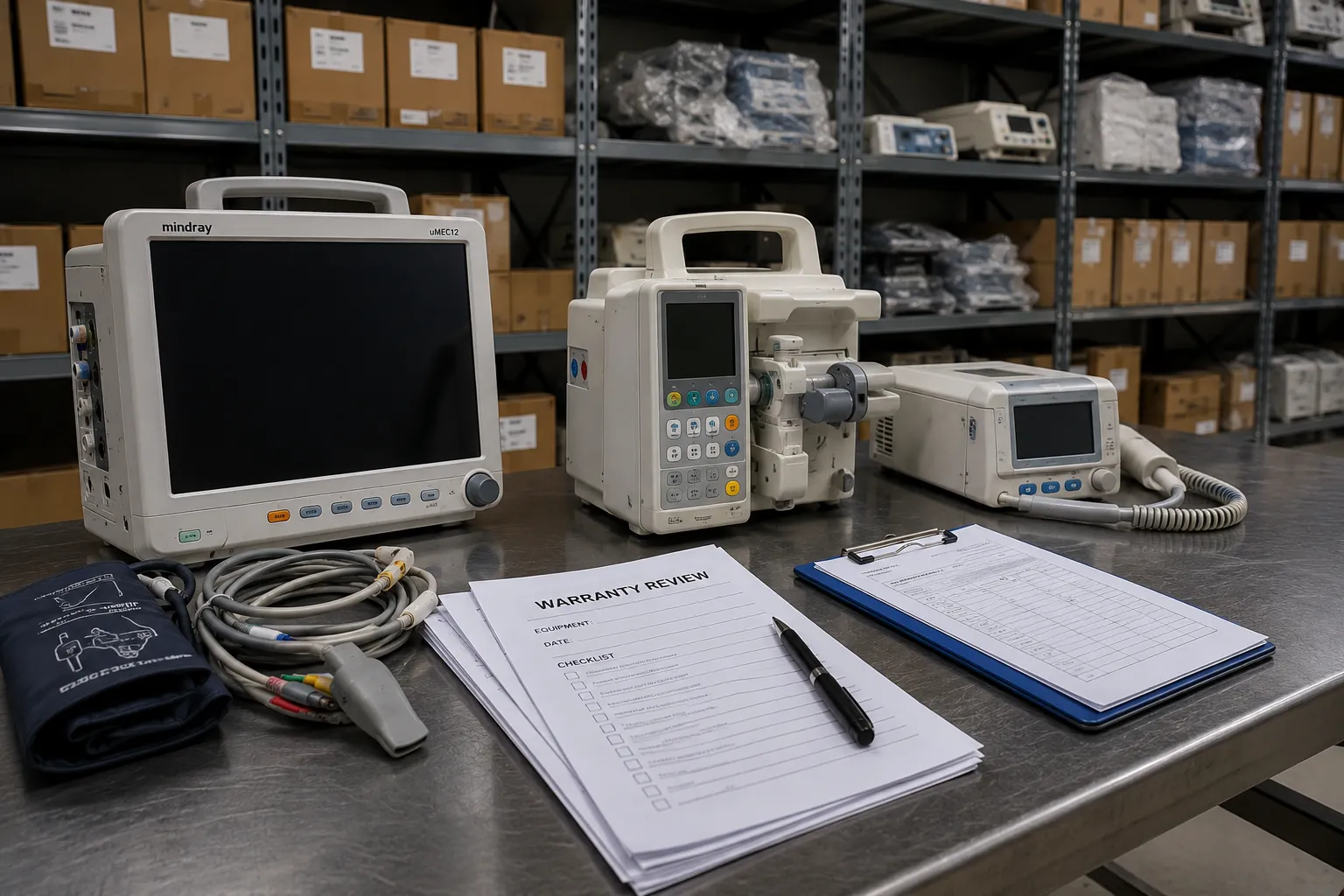
Patient monitoring systems.
-
Smart infusion pumps.
-
Connected ventilators.
-
Digital diagnostic devices.
-
Wireless medical equipment.
Improving Information Flow – Connected devices support faster access to healthcare data.
Enhancing Operational Efficiency – Automation reduces manual processes.
Hospitals are increasingly prioritising equipment that integrates with broader healthcare technology environments.
Artificial Intelligence Is Expanding Across Healthcare
Artificial intelligence (AI) is becoming an important component of healthcare technology strategies throughout Asia.
Current applications include:
Diagnostic Support Systems – Assisting healthcare professionals with data analysis.
Workflow Optimisation Tools – Improving operational efficiency.
Predictive Maintenance Solutions – Helping manage medical equipment.
Resource Planning Systems – Supporting healthcare administration.
AI technologies continue to evolve as healthcare organisations seek greater efficiency and improved decision-making capabilities.
Healthcare organisations exploring equipment sourcing opportunities can discover solutions through buyer services.
Advanced Diagnostic Technologies Are Driving Investment
Diagnostic equipment remains a major focus area for hospital modernisation projects.
Popular investment categories include:
-
Digital radiography systems.
-
Ultrasound equipment.
-
CT scanners.
-
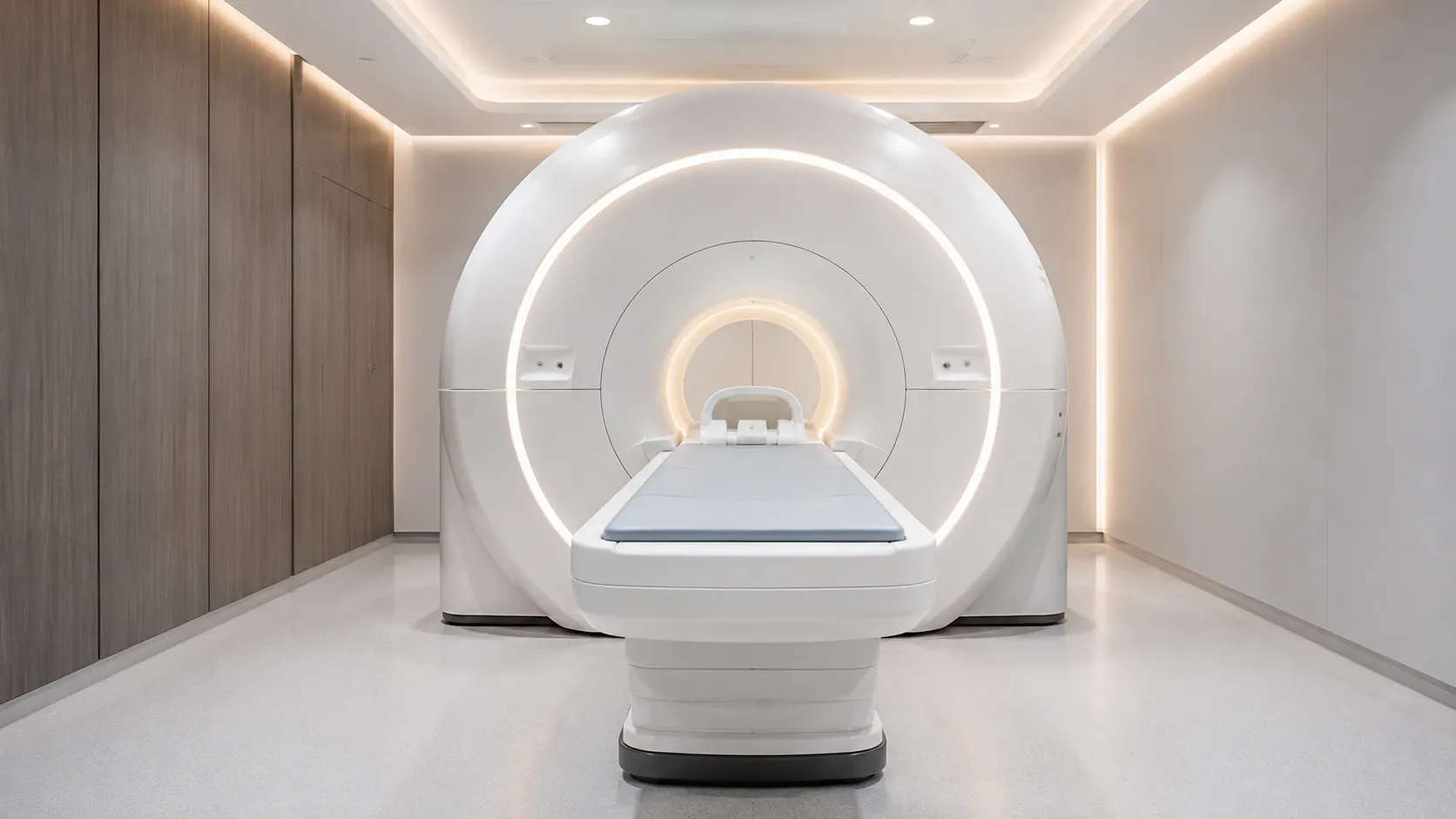
MRI systems.
-
Laboratory automation platforms.
Faster Diagnostic Workflows – Modern systems improve examination efficiency.
Enhanced Data Management – Digital imaging supports information sharing.
Technology adoption in diagnostics continues to be a key driver of healthcare modernisation across Asia.
Remote Monitoring Solutions Are Expanding
Hospitals are increasingly incorporating remote monitoring technologies into healthcare operations.
Benefits include:
Improved Operational Visibility – Supporting patient observation.
Flexible Healthcare Delivery Models – Extending healthcare services beyond traditional settings.
Enhanced Information Accessibility – Supporting healthcare coordination.
Remote monitoring technologies are expected to play a growing role in future healthcare systems.
Automation Is Improving Hospital Efficiency
Automation technologies are helping hospitals manage resources more effectively.
Common areas of adoption include:
Laboratory Automation – Streamlining testing workflows.
Inventory Management Systems – Improving stock control.
Equipment Tracking Solutions – Supporting asset management.
Administrative Automation – Reducing manual processes.
Automation helps healthcare organisations optimise operations while improving resource utilisation.
Healthcare suppliers interested in expanding their market reach can explore: business suppliers.
Cybersecurity Is Becoming Increasingly Important
As hospitals adopt more connected technologies, protecting digital systems has become a critical priority.
Important considerations include:
Data Protection Strategies – Safeguarding healthcare information.
Network Security Measures – Protecting connected devices.
System Monitoring Tools – Supporting risk management.
Access Control Solutions – Managing user permissions.
Cybersecurity planning is becoming an essential component of healthcare technology adoption.
Healthcare Technology Procurement Considerations
Hospitals evaluating new technologies often consider several factors.
System Compatibility – Ensuring integration with existing infrastructure.
Staff Training Requirements – Supporting successful implementation.
Maintenance Support – Improving long-term reliability.
Scalability – Accommodating future growth.
Total Cost of Ownership – Evaluating long-term investment value.
Strategic procurement planning helps maximise technology investments.
Challenges Affecting Technology Adoption
Despite strong growth, hospitals may encounter several challenges during implementation.
Common obstacles include:
-
Budget constraints.
-
Infrastructure limitations.
-
Integration complexity.
-
Staff training requirements.
-
Maintenance planning.
Successful adoption often requires careful planning and long-term commitment.
Healthcare organisations interested in strategic collaboration opportunities can explore: business partners.
Emerging Trends Shaping the Future
Several technologies are expected to influence the development of healthcare across Asia.
Artificial Intelligence Expansion – Supporting healthcare workflows.
Internet of Medical Things (IoMT) – Connecting healthcare devices.
Cloud-Based Healthcare Platforms – Improving information accessibility.
Smart Hospitals – Integrating multiple digital technologies.
Predictive Analytics Systems – Supporting operational planning.
These innovations are expected further to accelerate the adoption of healthcare technology across the region.
Businesses looking to increase visibility within the healthcare industry can discover opportunities through business advertise
For sourcing assistance, procurement guidance, and equipment enquiries, support is available through: Contact Team.
Conclusion
Healthcare technology adoption in Asian hospitals continues to accelerate as healthcare providers invest in digital transformation, smart medical devices, automation, artificial intelligence, and connected healthcare systems. These technologies are helping improve operational efficiency, resource management, and healthcare accessibility across diverse healthcare environments.
As hospitals continue modernising their infrastructure, technology adoption will remain a central part of healthcare development strategies throughout Asia, creating opportunities for innovation, investment, and improved healthcare delivery.
Disclaimer
Medigear.uk is a medical equipment supplier and distributor. We do not provide medical advice, diagnosis, or treatment recommendations. All information is for educational and product awareness purposes only. Qualified medical professionals should always make healthcare decisions.