Asia remains one of the most important regions in the global medical equipment industry. Rapid healthcare infrastructure development, growing populations, increasing healthcare investments, and rising demand for advanced medical technologies continue to drive equipment imports across the continent.
As healthcare systems modernize and patient expectations evolve, countries throughout Asia are expanding access to diagnostic technologies, critical care solutions, laboratory equipment, and digital healthcare systems. These trends are expected to shape the future of medical equipment imports over the coming decade.
Understanding the factors influencing import demand can help healthcare buyers, suppliers, distributors, and investors prepare for future opportunities in one of the world's fastest-growing healthcare markets.
Healthcare Infrastructure Expansion Will Continue to Drive Imports
Many Asian countries are investing heavily in healthcare modernization and expansion projects.
New Healthcare Facilities – Construction of healthcare centers creates demand for medical technologies.
Facility Upgrades – Existing providers continue replacing aging equipment with newer systems.
Specialized Care Expansion – Growth in diagnostic, critical care, and laboratory services increases equipment requirements.
Regional Healthcare Development – Expanding healthcare access beyond major cities supports additional procurement activity.
These developments are expected to maintain strong import demand across multiple equipment categories.
Diagnostic Equipment Will Remain a Major Import Category
Diagnostic technologies continue to play a central role in healthcare modernization.
Commonly imported categories include:
-
Digital radiography systems.
-
Ultrasound equipment.
-
CT scanners.
-
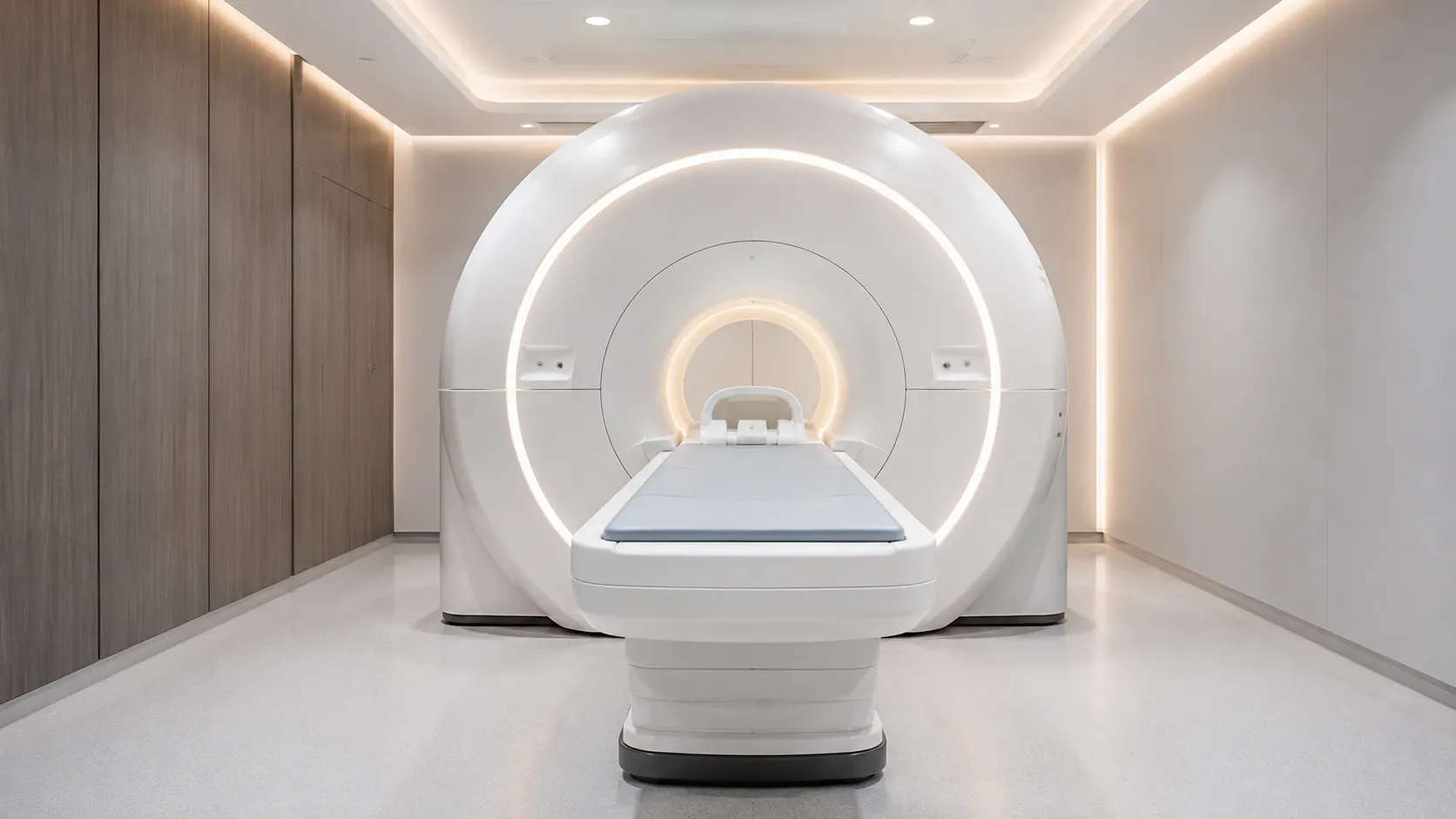
MRI systems.
-
Endoscopy equipment.
Supporting Early Detection Programs – Advanced diagnostics improve healthcare capabilities.
Improving Operational Efficiency – Modern imaging systems streamline healthcare workflows.
Demand for diagnostic equipment is expected to remain strong as healthcare providers continue investing in advanced technologies.
Growing Demand for Critical Care Equipment
Critical care capacity expansion remains a priority across many Asian healthcare systems.
Important equipment categories include:
-
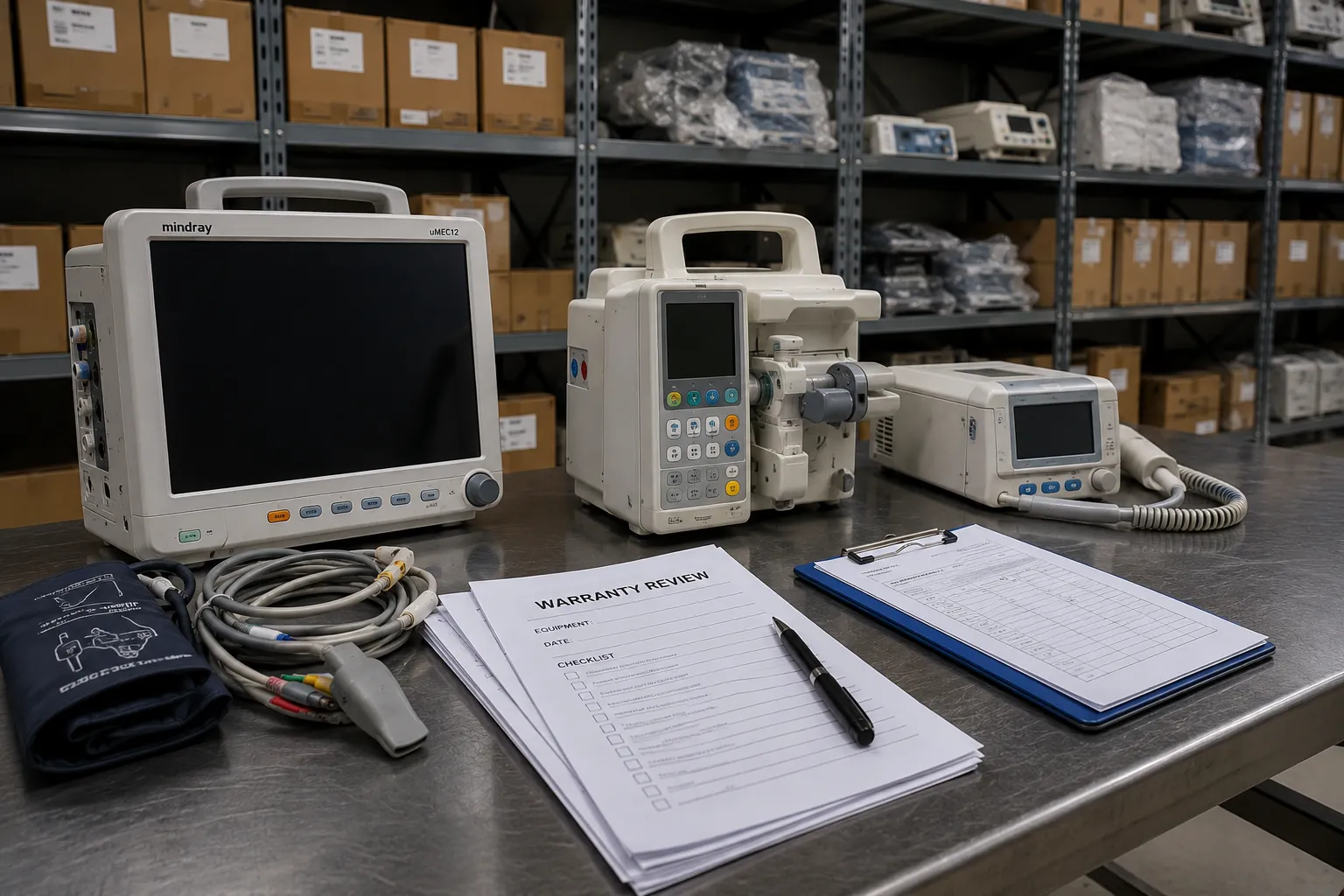
Patient monitoring systems.
-
Ventilation equipment.
-
Infusion pumps.
-
Defibrillators.
-
ICU beds.
-
Respiratory support technologies.
As healthcare facilities increase intensive care capabilities, imports of advanced critical care equipment are likely to grow.
Healthcare organizations exploring equipment sourcing opportunities can discover solutions through: buyers services
Digital Healthcare Technologies Will Influence Future Imports
Healthcare providers are increasingly adopting connected and digitally enabled equipment.
Emerging import trends include:
Remote Patient Monitoring Systems – Supporting healthcare accessibility.
Wireless Medical Devices – Simplifying deployment and integration.
Cloud-Connected Equipment – Enhancing information management.
Artificial Intelligence-Enabled Technologies – Supporting workflow optimization.
Digital healthcare solutions are expected to represent an increasingly important segment of future imports.
Home Healthcare Equipment Is Creating New Opportunities
The home healthcare sector is expanding throughout Asia.
Growing demand can be seen in:
-
Oxygen concentrators.
-
Home care beds.
-
Portable monitoring devices.
-
Mobility aids.
-
Rehabilitation equipment.
Ageing Populations – Increasing demand for supportive healthcare solutions.
Preference for Home-Based Care – Encouraging investment in portable medical technologies.
Home healthcare products are expected to become a larger component of import activity in the coming years.
Supply Chain Diversification Is Reshaping Import Strategies
Healthcare organizations are increasingly focused on supply chain resilience.
Current priorities include:
Multiple Sourcing Channels – Reducing dependence on single supply routes.
Regional Distribution Networks – Improving equipment availability.
Inventory Optimization – Supporting operational continuity.
Logistics Flexibility – Adapting to changing market conditions.
Diversified sourcing strategies are expected to influence future import patterns throughout Asia.
Healthcare suppliers interested in expanding their market reach can explore: business suppliers
Regulatory Harmonization May Improve Market Access
Many healthcare markets are working toward more efficient regulatory frameworks.
Potential benefits include:
Simplified Approval Processes – Supporting faster equipment availability.
Improved Trade Efficiency – Facilitating cross-border movement.
Greater Market Accessibility – Expanding opportunities for suppliers and distributors.
Enhanced Compliance Standards – Supporting product quality and consistency.
Regulatory developments will continue influencing import activity across the region.
Sustainability Will Become More Important
Environmental considerations are increasingly influencing healthcare procurement decisions.
Emerging trends include:
Energy-Efficient Equipment – Supporting operational savings.
Durable Product Design – Extending equipment lifespan.
Resource Optimization – Improving equipment utilization.
Sustainable Supply Chains – Supporting environmental goals.
Healthcare buyers are expected to place greater emphasis on sustainability as procurement strategies evolve.
Procurement Teams Will Focus on Total Value
Future purchasing decisions are likely to prioritize long-term value rather than initial acquisition costs alone.
Important considerations include:
Equipment Reliability – Supporting operational continuity.
Maintenance Availability – Improving long-term performance.
Technology Compatibility – Supporting future digital integration.
Training Requirements – Ensuring successful implementation.
Lifecycle Costs – Evaluating long-term ownership expenses.
Strategic procurement planning will continue shaping import demand across healthcare markets.
Healthcare organizations interested in strategic collaboration opportunities can explore: business partners
Emerging Technologies Shaping Future Imports
Several innovations are expected to influence future equipment procurement.
Artificial Intelligence Applications – Supporting diagnostics and workflow management.
Internet of Medical Things (IoMT) – Connecting healthcare devices.
Portable Multi-Function Equipment – Improving operational flexibility.
Advanced Laboratory Automation – Supporting diagnostic services.
Smart Healthcare Infrastructure – Integrating digital healthcare technologies.
These developments are expected to generate new import opportunities across multiple healthcare sectors.
Businesses looking to strengthen their visibility within the healthcare industry can discover opportunities through: business advertise
For sourcing assistance, procurement guidance, and equipment enquiries, support is available through: Contact Team
Conclusion
The future of medical equipment imports in Asia remains highly promising. Healthcare infrastructure expansion, growing demand for advanced diagnostics, critical care modernization, digital healthcare adoption, and home healthcare growth are expected to drive sustained import activity across the region.
Organizations that understand evolving healthcare requirements, emerging technologies, and supply chain trends will be better positioned to capitalize on future opportunities while supporting the continued modernization of healthcare systems throughout Asia.
Disclaimer
Medigear.uk is a medical equipment supplier and distributor. We do not provide medical advice, diagnosis, or treatment recommendations. All information is for educational and product awareness purposes only. Healthcare decisions should always be made by qualified medical professionals.