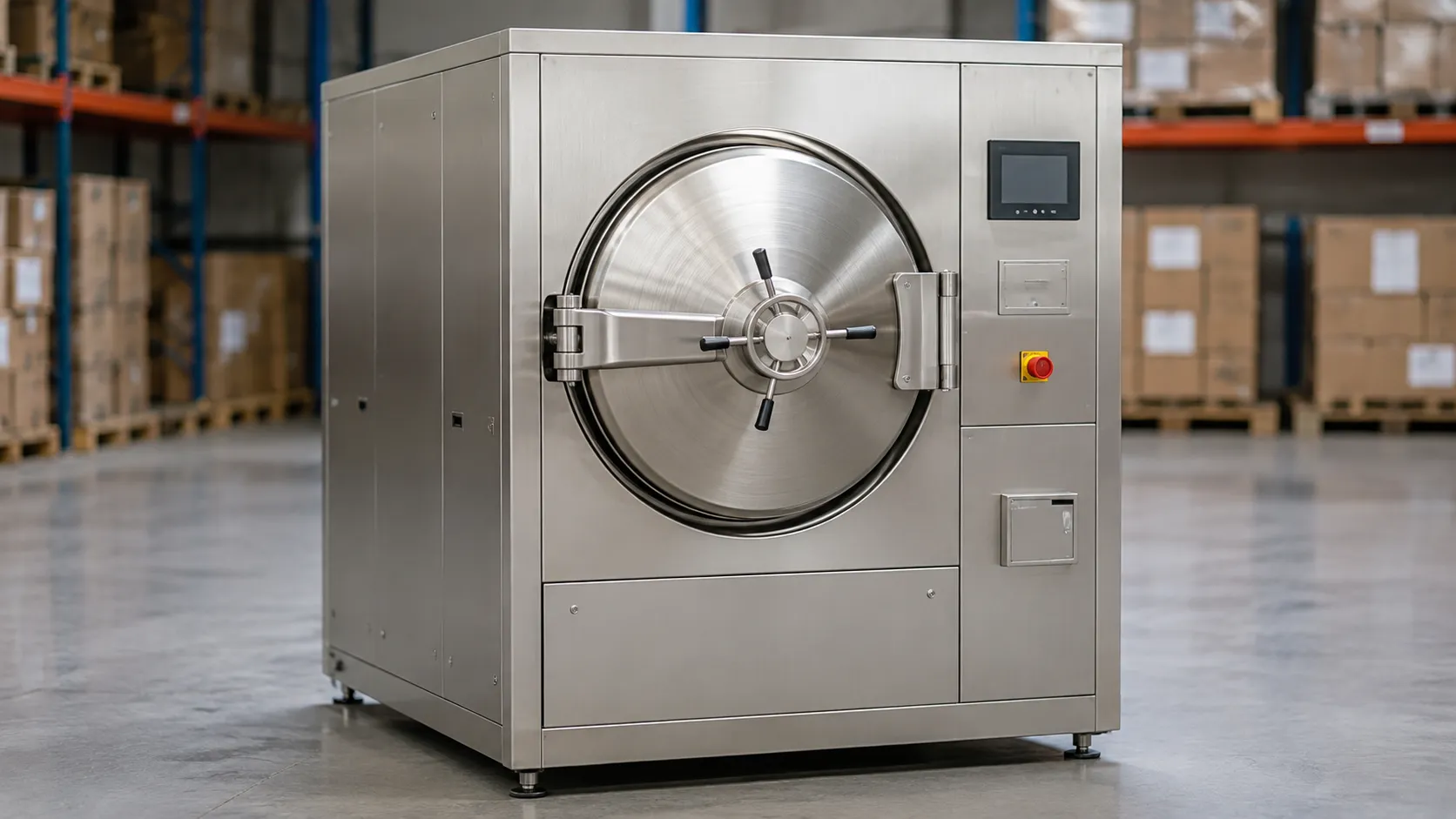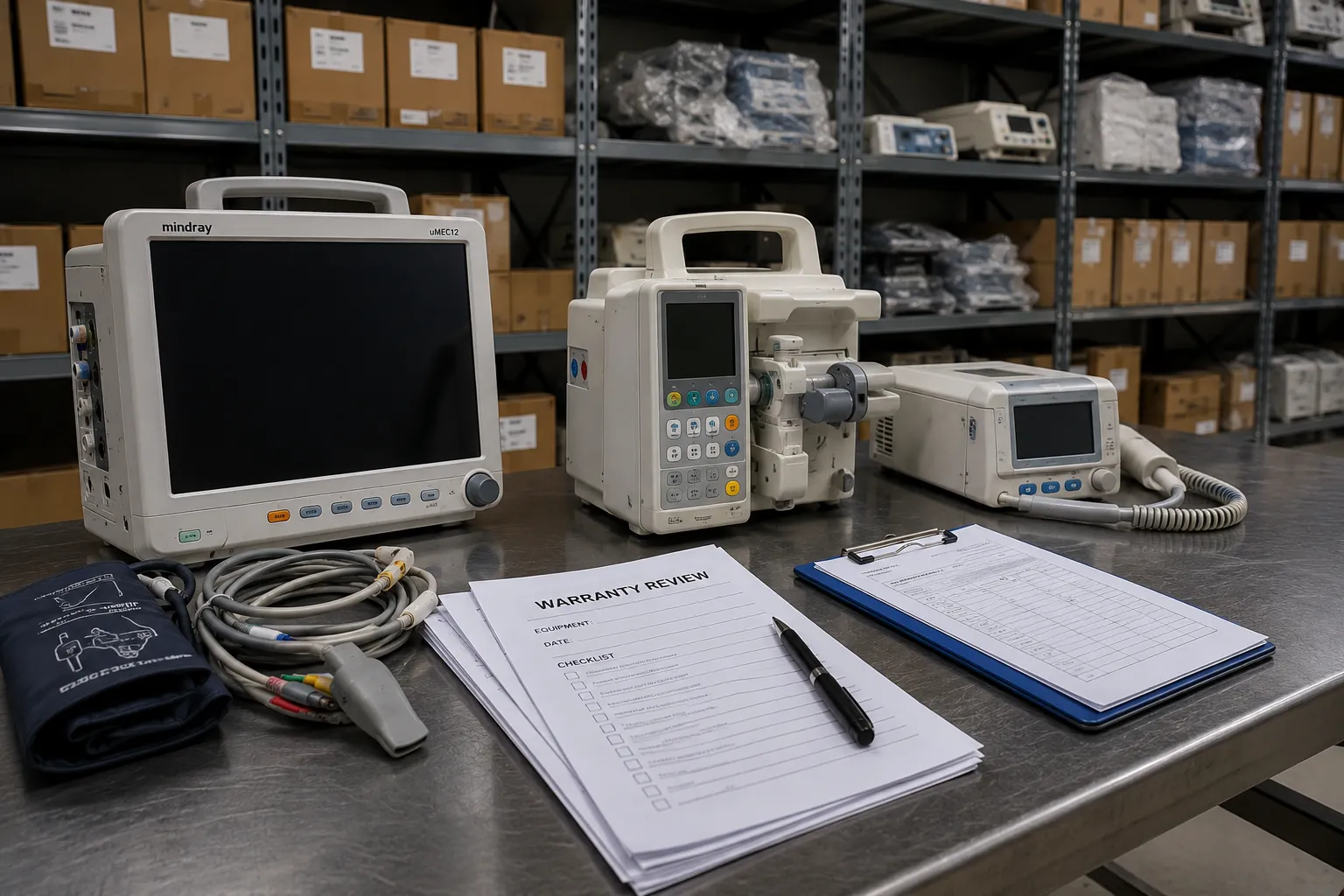
A hospital may invest in advanced equipment, recruit experienced healthcare professionals, and expand clinical services, but none of those efforts can achieve their full potential without a dependable supply chain. Medical equipment must arrive when needed, remain available throughout its lifecycle, and be supported by reliable sourcing and logistics networks.
In healthcare, supply chain reliability is more than an operational objective. It directly affects project timelines, procurement efficiency, equipment availability, and long-term infrastructure planning.
As healthcare systems expand in both developed and emerging markets, organisations are increasingly prioritising supply chain resilience as a strategic priority rather than a purely logistical function.
Why Supply Chain Reliability Matters
Healthcare procurement teams face growing pressure to maintain equipment availability while controlling costs and managing risks.
A reliable supply chain helps organisations:
Maintain Operational Readiness – Equipment availability supports uninterrupted healthcare services and facility operations.
Reduce Procurement Delays – Strong sourcing networks help minimise disruptions from inventory shortages or delivery challenges.
Improve Budget Predictability – Consistent supply performance allows healthcare organisations to plan investments more effectively.
Support Infrastructure Growth – New facilities and expansion projects depend on dependable equipment sourcing and logistics capabilities.
Without a structured supply chain strategy, even well-funded healthcare projects can encounter significant delays and operational challenges.
Establishing a Strong Supplier Foundation
Reliable supply chains begin with supplier selection.
Looking Beyond Product Availability- Healthcare organisations increasingly evaluate suppliers on a broad range of criteria.
Assessing Long-Term Capability – Suppliers should demonstrate the ability to support ongoing procurement requirements.
Reviewing Service Infrastructure – Technical support, maintenance resources, and spare parts availability often influence supply chain performance.
Evaluating Delivery Consistency – A reliable fulfilment history can provide valuable insight into future performance.
Organisations seeking qualified sourcing partners frequently use resources such as Medigear. The UK's buyer network is to connect with suppliers capable of supporting healthcare procurement objectives.
Diversifying Supplier Relationships- Relying on a single sourcing channel can increase risk.
Improving Procurement Flexibility – Multiple supplier relationships provide alternative options when disruptions occur.
Strengthening Supply Continuity – Diversification can reduce vulnerability to regional, logistical, or manufacturing challenges.
Many healthcare organisations now prioritise balanced supplier portfolios as part of broader risk management strategies.
Inventory Management as a Strategic Function
Inventory planning plays a central role in supply chain reliability.
Balancing Availability and Cost- Healthcare facilities must maintain sufficient inventory while avoiding unnecessary storage expenses.
Preventing Critical Shortages – Effective planning reduces the likelihood of operational disruptions.
Avoiding Excess Stock – Over-purchasing can increase carrying costs and reduce procurement efficiency.
Improving Demand Forecasting- Accurate forecasting helps procurement teams align purchasing decisions with operational requirements.
Important forecasting considerations often include:
-
Equipment replacement schedules
-
Facility expansion plans
-
Historical purchasing patterns
-
Infrastructure development projects
-
Maintenance requirements
Organisations that combine forecasting with regular procurement reviews often achieve stronger inventory performance.
Strengthening Logistics and Distribution Networks
Even well-planned procurement strategies depend on effective logistics execution.
Enhancing Delivery Coordination- Healthcare equipment often requires specialised transportation, handling, and scheduling.
Supporting Project Timelines – Coordinated logistics reduces implementation delays.
Protecting Equipment Integrity – Proper transportation procedures help maintain product quality during transit.
Building Regional Distribution Capacity- Strategically positioned inventory can improve responsiveness and reduce delivery lead times.
Healthcare providers frequently evaluate logistics capabilities when reviewing vendors through Medigear. UK's supplier marketplace.
Strong distribution infrastructure often provides a competitive advantage in healthcare procurement environments.
Technology's Growing Role in Supply Chain Performance
Digital tools are increasingly supporting healthcare supply chain management.
Improving Visibility- Modern supply chains rely on accurate information.
Tracking Inventory Movement – Greater visibility helps organisations identify potential shortages before they affect operations.
Monitoring Procurement Activity – Digital systems can improve purchasing transparency and planning accuracy.
Supporting Data-Driven Decisions
Technology enables procurement teams to analyse:
-
Inventory trends
-
Supplier performance
-
Delivery reliability
-
Demand forecasts
-
Procurement efficiency
Access to actionable data supports more informed decision-making across healthcare operations.
Managing Risks Before They Become Problems
Supply chain disruptions can originate from numerous sources.
Common Risk Factors
Healthcare organisations frequently monitor:
-
Transportation disruptions
-
Regulatory changes
-
Supplier performance issues
-
Inventory shortages
-
Demand fluctuations
-
Infrastructure limitations
Developing Contingency Plans
Preparing for Disruptions – Backup sourcing strategies can help maintain continuity in the event of unexpected disruptions.
Reducing Recovery Time – Well-defined contingency plans enable faster operational responses.
Risk management has become a central component of modern healthcare supply chain planning.
Procurement Practices That Support Reliability
Supply chain strength is closely connected to procurement strategy.
Focusing on Lifecycle Value- Healthcare buyers increasingly consider more than initial purchase costs.
Evaluating Long-Term Support – Maintenance, service, and spare parts availability influence operational outcomes.
Considering Ownership Costs – Lifecycle expenses often provide a more accurate measure of value than acquisition costs alone.
Readers interested in procurement planning may also benefit from related Medigear.uk resources, including Medical Equipment Tender Process Explained and How Hospitals Evaluate Medical Equipment and Suppliers.
Encouraging Supplier Collaboration- Strong supplier relationships can improve communication, responsiveness, and procurement efficiency.
Organisations that foster collaborative partnerships often gain better visibility into supply chain risks and opportunities.
Emerging Trends Shaping Healthcare Supply Chains
Several developments are influencing future supply chain strategies.
Regional Sourcing Expansion – Organisations are increasingly exploring diversified sourcing approaches.
Greater Supply Chain Transparency – Visibility tools are becoming more common across procurement operations.
Warehouse Modernisation – Digital inventory management systems are improving operational efficiency.
Resilience-Focused Planning – Risk mitigation strategies are receiving greater attention across healthcare sectors.
Businesses interested in expanding industry visibility can explore opportunities through Medigear.uk's advertising platform.
Building Sustainable Supply Chain Partnerships
Long-term supply chain performance depends on strong relationships throughout the healthcare ecosystem.
Supporting Shared Objectives – Collaboration helps align supplier capabilities with healthcare needs.
Strengthening operational agility: effective partnerships improve responsiveness during periods of change.
Organisations seeking strategic collaboration opportunities may benefit from Medigear.uk's partnership network.
Looking Ahead
Healthcare organisations face increasingly complex procurement environments. Growing demand, infrastructure expansion, technology adoption, and evolving operational requirements all place additional pressure on supply chain performance.
Building a reliable medical equipment supply chain requires a combination of strong supplier relationships, proactive inventory management, resilient logistics networks, effective risk planning, and data-driven decision-making. Organisations that invest in these capabilities are often better positioned to maintain equipment availability and support long-term healthcare growth.
If you need help with equipment sourcing, supplier discovery, or healthcare marketplace opportunities, please get in touch with the Medigear.uk team on the contact page.
Disclaimer
Medigear.uk is a medical equipment supplier and distributor. We do not provide medical advice, diagnosis, or treatment recommendations. All information is for educational and product awareness purposes only. Qualified medical professionals should always make healthcare decisions.