
Medical equipment category planning helps healthcare organisations organise related devices into manageable procurement and lifecycle groups. Without a clear structure, similar equipment may be purchased through separate processes, resulting in duplicated specifications, inconsistent models and fragmented supplier arrangements.
For healthcare buyers planning medical equipment categories, classification should begin before annual budgets and sourcing exercises are finalised. Existing assets, clinical requirements, replacement needs, accessories and service responsibilities should all contribute to the category structure.
Clinical users, biomedical engineers, procurement specialists, facilities teams, digital personnel and finance managers may view equipment differently. A coordinated process helps the organisation create categories that support both clinical operation and commercial planning.
A practical category plan improves purchasing visibility, supports equipment standardisation and gives buyers a clearer basis for managing suppliers, budgets and replacement programmes.
Define the Category Structure and Ownership
The first stage is to establish how medical equipment will be grouped and who will manage each category.
Category purpose — Decide whether the structure will support procurement, budgeting, asset reporting, maintenance or a combination of these activities.
Clinical-function grouping — Equipment may be grouped by monitoring, imaging, surgery, laboratory, rehabilitation, sterilisation or another clinical function.
Department grouping — Some organisations classify equipment by theatre, critical care, emergency, outpatient, diagnostic or ward requirements.
Technology grouping — Connected devices, electromechanical equipment, optical systems and laboratory analysers may require different sourcing and support strategies.
Value and risk grouping — High-value or clinically critical equipment may require stronger approval, supplier and lifecycle controls.
Category owner — Assign a procurement or healthcare manager responsible for the commercial plan and category performance.
Technical owner — Identify the biomedical or technical representative responsible for specifications, support and maintenance requirements.
Clinical owner — Assign users who can confirm workflow, capacity and operational requirements.
Category boundaries — Define which equipment, accessories, software and services belong within each group.
In practice, healthcare buyers often find that category confusion begins when similar products are classified differently by procurement, finance and biomedical teams.
One controlled category dictionary can improve reporting and reduce duplication.
Align Categories with Healthcare Services
Equipment categories should reflect how devices are used across different healthcare environments.
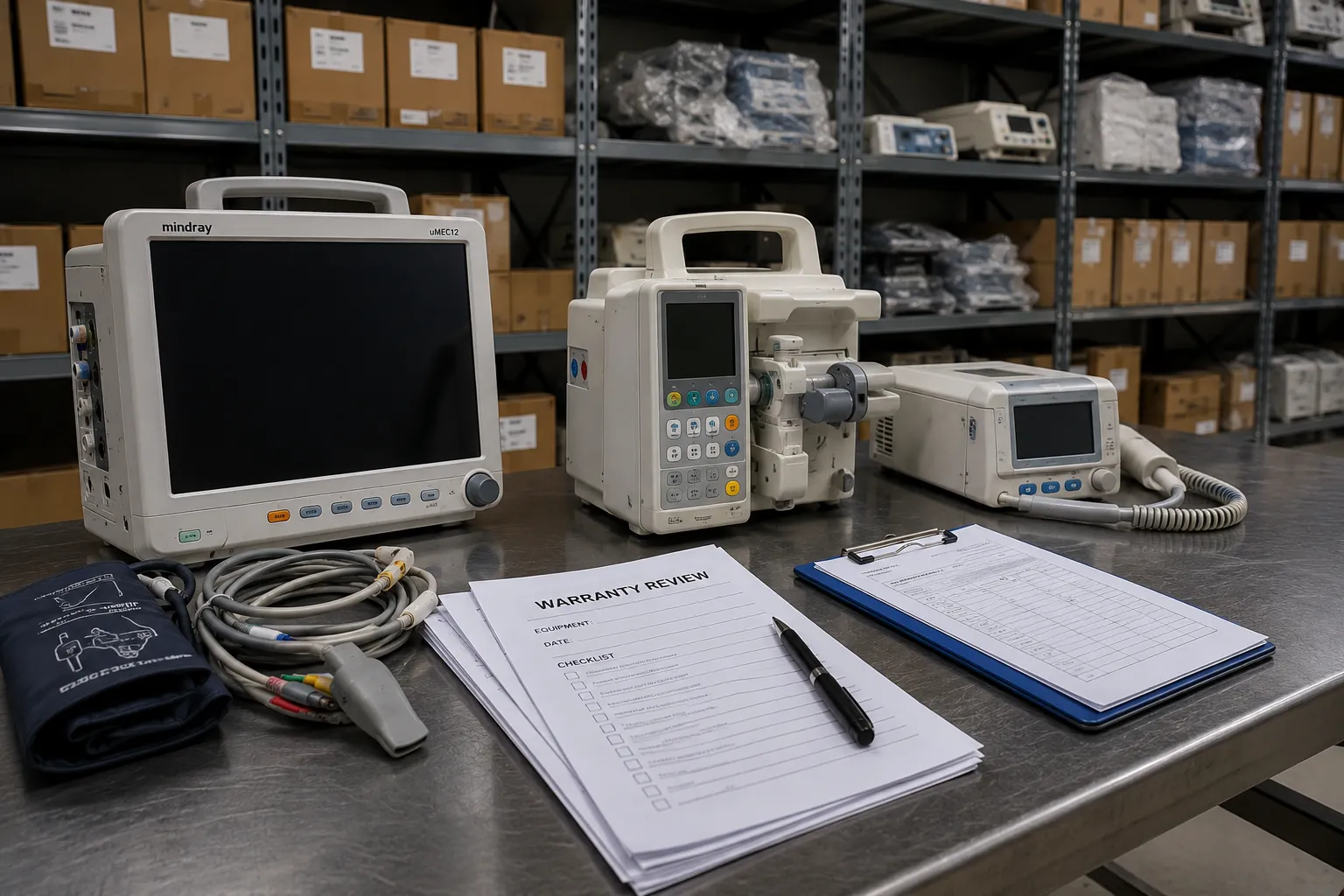
Patient monitoring — This category may include bedside monitors, central stations, telemetry devices, modules and compatible accessories.
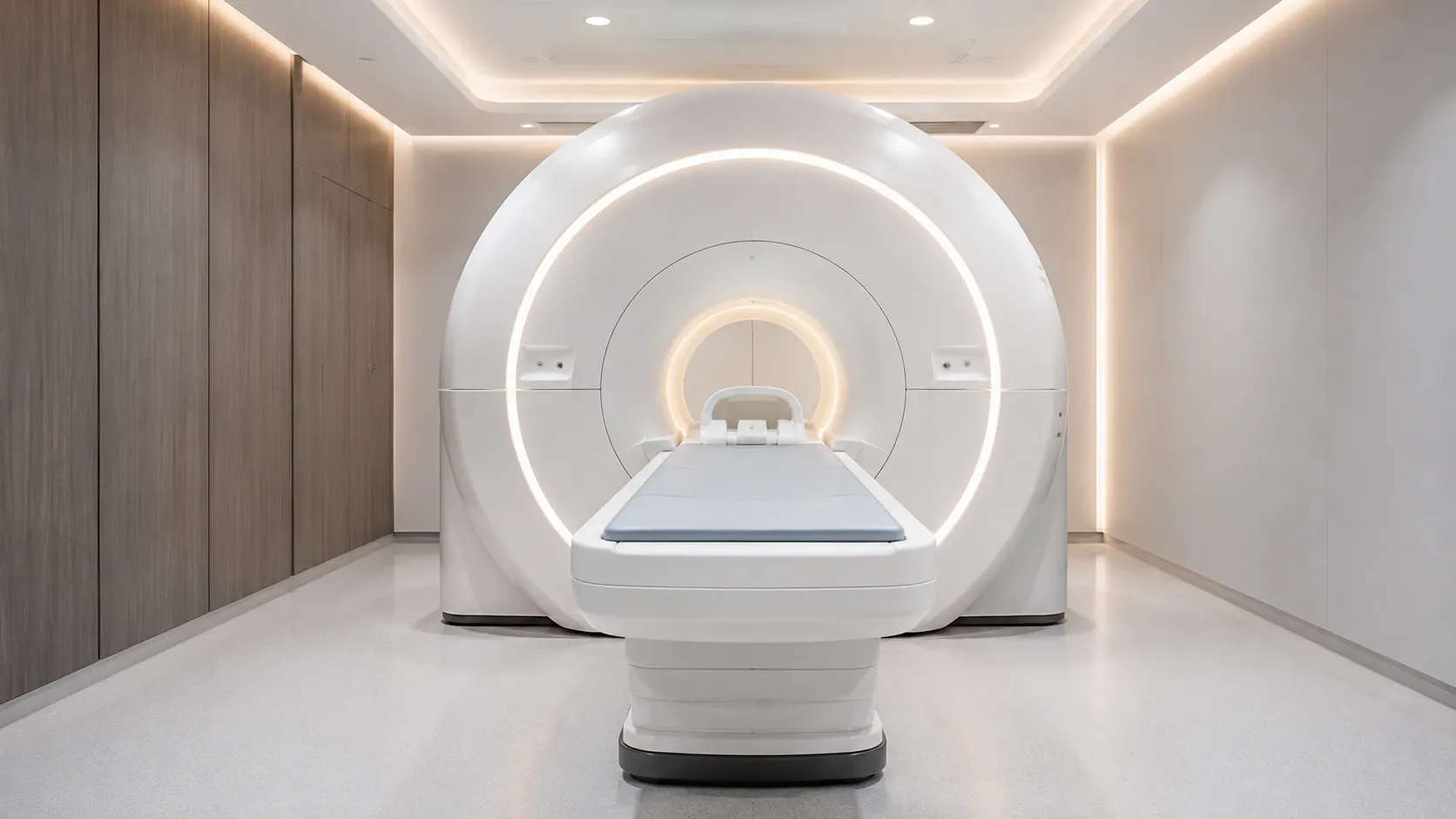
Diagnostic imaging — Imaging categories may be divided into fixed, mobile and portable systems according to technical and infrastructure requirements.
When evaluating specialist medical equipment supply networks, buyers should confirm that suppliers can support the required equipment group, configuration and destination.
Critical care equipment — ventilation, infusion, monitoring, and emergency-support devices — may require coordinated compatibility and backup planning.
Surgical equipment — Buyers may group operating tables, lights, electrosurgical systems, anaesthesia equipment and surgical accessories separately.
Laboratory equipment — Categories may reflect testing disciplines, analyser types, sample volumes and recurring consumable requirements.
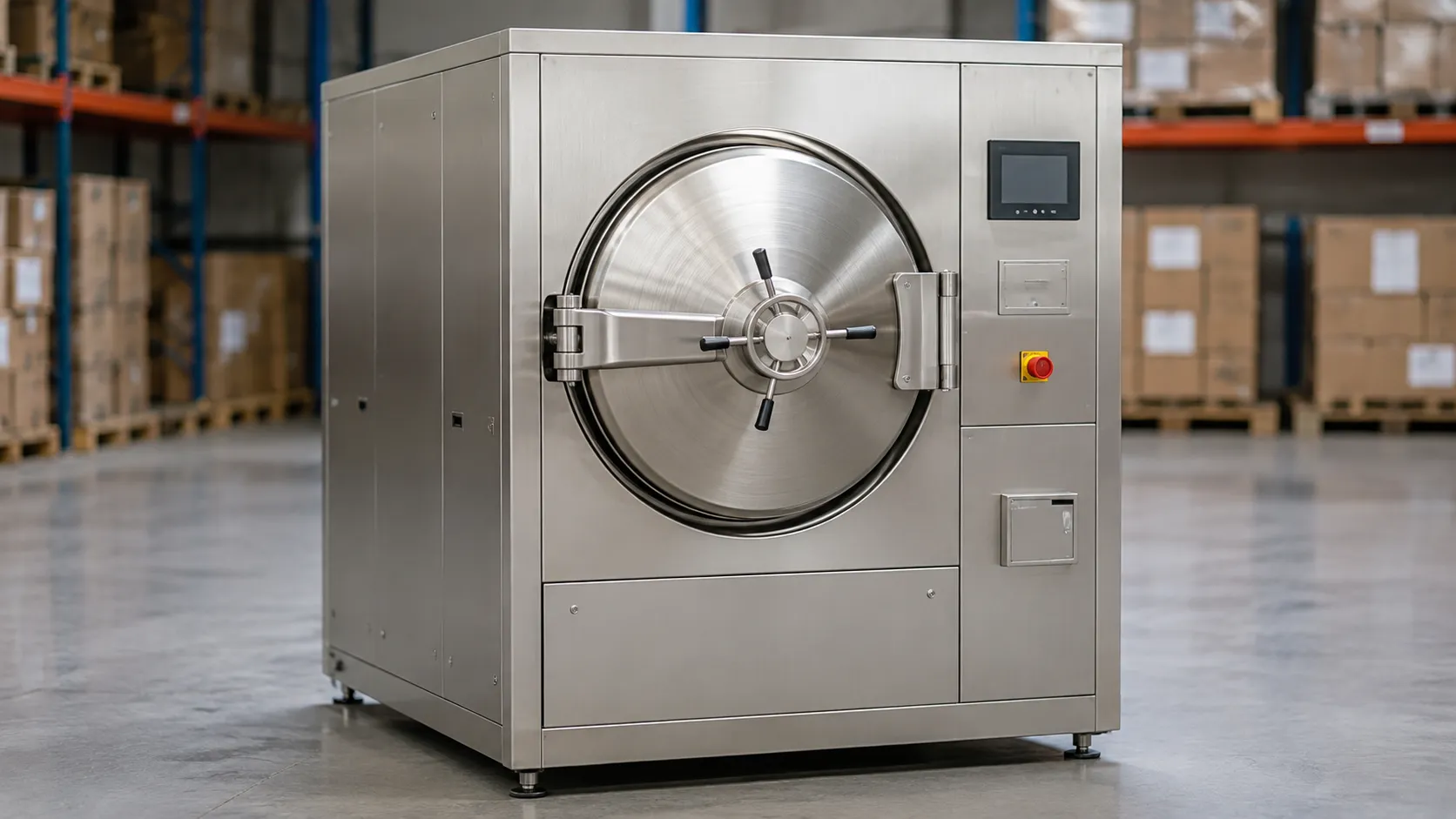
Sterilisation equipment — Autoclaves, washer-disinfectors, sealing devices and associated monitoring products may require common infrastructure planning.
Hospital furniture — beds, examination couches, bedside units, trolleys, and storage furniture — may be organised by department or by functional purpose.
Rehabilitation equipment — mobility aids, therapy systems, patient lifts, and support devices — may require separate user and maintenance considerations.
Digital and connected systems — Networked equipment may need common integration, software, licensing and cybersecurity requirements.
Experienced clinical supply managers typically classify equipment around practical purchasing and support needs rather than creating highly detailed categories that are difficult to maintain.
Build Category Requirements and Approved Specifications
Each equipment category should have a defined requirement and specification framework.
Clinical need — Describe the services, procedures or workflows supported by the category.
Existing asset base — Record current models, quantities, locations, conditions and remaining support life.
Demand forecast — Estimate new capacity, replacement quantities and contingency requirements.
Core specification — Define the mandatory performance, capacity and safety requirements for equipment within the category.
Department variations — Identify justified differences required for specialist clinical settings.
Accessory requirements — Record standard probes, cables, batteries, trolleys, modules and reusable components.
Consumable requirements — Identify recurring items, estimated usage, storage conditions and compatibility controls.
Software and connectivity — Define approved interfaces, licences, network requirements and update responsibilities.
Documentation requirements — Include manuals, applicable compliance records, warranty terms and maintenance information.
New and refurbished conditions — State the inspection, testing, warranty and support requirements for each accepted equipment condition.
Approved model list — Record models that meet the category specification and remain suitable for procurement.
Exception process — Require documented approval where a department requests equipment outside the category standard.
One aspect that surprises first-time category managers is that accessories and software can create more product variation than the main equipment itself.
The category specification should therefore describe the complete operational configuration.
Develop Supplier and Commercial Strategies
Each category should have a sourcing approach suited to its market, value and technical complexity.
Supplier segmentation — Identify manufacturers, authorised distributors, specialist suppliers and service providers operating within the category.
Supplier capability — Assess product knowledge, delivery experience, engineer access, documentation and after-sales support.
Accuracy of market information — Medical equipment companies advertising products to healthcare buyers should ensure that category, configuration and support claims match formal quotations.
Competitive structure — Determine whether multiple suppliers can meet the requirement or whether the category relies on a limited number of manufacturers.
Quotation format — Use one controlled request structure covering equipment, accessories, software, delivery, installation and training.
Volume consolidation — Combine compatible requirements across departments where this improves purchasing efficiency without creating excessive stock.
Warranty alignment — Standardise coverage periods, activation points, parts, labour and response expectations where practical.
Service strategy — Decide whether maintenance will be completed internally, by manufacturers or through external contracts.
Spare-parts commitment — Request expected support periods, critical component references and delivery lead times.
Commercial risk — Review advance payments, quotation validity, delivery responsibilities and cancellation conditions.
Healthcare organisations managing recurring category purchases may benefit from structured international medical equipment sourcing partnerships.
Each category agreement should still define approved models, quantities, delivery phases and equipment-specific support responsibilities.
Connect Category Plans with Budgets and Lifecycles
Category management should link annual procurement with existing assets and future replacement requirements.
Asset condition — Use inspection and maintenance data to identify equipment approaching replacement.
Utilisation levels — Compare available equipment with department workload before approving additional purchases.
Replacement forecast — Group expected replacements by category, priority and implementation period.
Capital budget — Record the estimated cost of equipment, accessories, delivery, installation and commissioning.
Operational budget — Include consumables, licences, maintenance, calibration and spare parts.
Procurement schedule — Identify when specifications, quotations, approvals and orders must be completed.
Infrastructure dependencies — Connect the category plan with room, utility, network and storage requirements.
Training demand — Estimate initial, refresher and technical training across departments.
Supplier lead times — Include manufacturing, international shipping, customs and installation periods.
Standardisation opportunities — Use replacement cycles to reduce unnecessary variation between departments.
End-of-support risks — Monitor discontinued models, unavailable parts and unsupported software.
Decommissioning requirements — Plan asset withdrawal, data management, accessory reconciliation and final disposal or resale.
Category budgets should reflect the complete lifecycle cost rather than only the main equipment price.
Monitor Category Performance and Update Priorities
Medical equipment categories should be reviewed as clinical services, assets and supplier markets change.
Purchase compliance — Check whether departments are purchasing in accordance with approved specifications and supplier arrangements.
Supplier performance — Review delivery accuracy, response times, warranty outcomes and parts availability.
Equipment reliability — Compare fault frequency, downtime and repair costs across models within the category.
User feedback — Gather information about workflow, capacity, alarms, accessories and practical usability.
Maintenance efficiency — Assess engineer training, service time, test-tool requirements and spare-parts complexity.
Budget performance — Compare planned category expenditure with approved and actual purchasing.
Demand changes — Update quantities after changes in patient volumes, departments or clinical services.
Model changes — Review specifications when products are discontinued, replaced or materially updated.
Exception trends — Repeated requests outside the approved category may indicate that the specification no longer meets department needs.
Category review date — Assign a formal review schedule based on equipment risk, value and market change.
Corrective actions — Record responsible owners and completion dates for category gaps.
Healthcare teams seeking category-based quotations, model comparisons or international equipment support can contact the Medigear.uk team for medical equipment sourcing assistance. Enquiries should include the equipment category, departments, required quantities, preferred condition and destination.
Category planning should remain a working management process rather than a fixed classification exercise.
Final thoughts
Medical equipment category planning provides healthcare buyers with a structured way to organise related devices, specifications, and supplier requirements.
Categories should reflect clinical functions, equipment technologies, purchasing markets and lifecycle responsibilities. The structure should remain detailed enough to support decision-making but simple enough for consistent use.
Approved specifications, model lists and category budgets can reduce duplication and support more coordinated purchasing across departments.
A regularly reviewed category plan improves supplier management, equipment standardisation and long-term healthcare asset planning.
Disclaimer
Medigear.uk is a global medical equipment supplier, exporter, and distributor. The content published on this site is intended for educational and product awareness purposes only. Nothing on this page constitutes medical advice, clinical guidance, or treatment recommendations. All healthcare procurement and clinical decisions should be made by qualified medical professionals and compliant procurement teams operating within the regulatory frameworks of their respective countries.