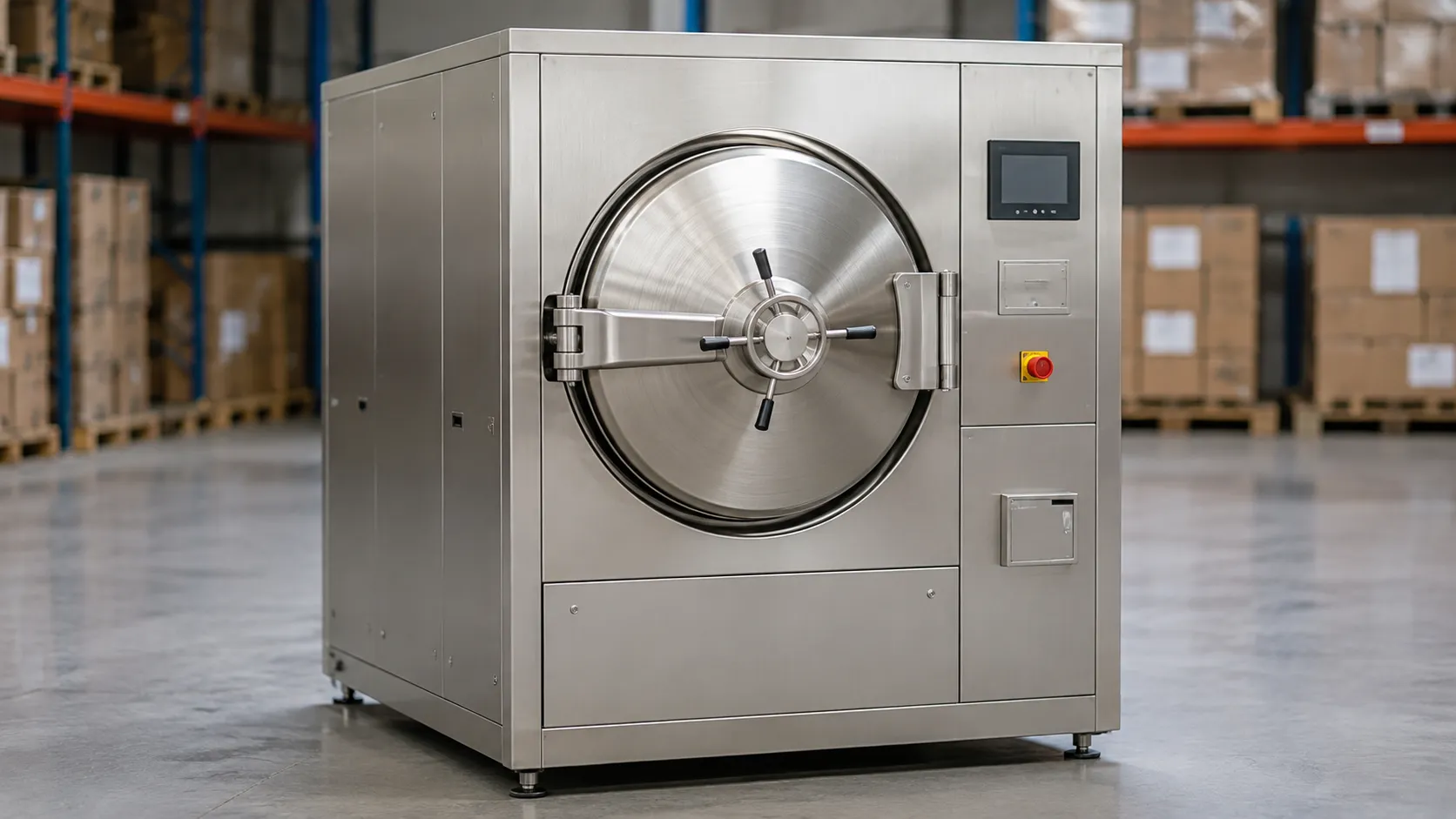
Choosing an autoclave that fits the workflow of a central sterile services department is about far more than the machine itself, because the autoclave must slot into the flow of instruments through decontamination, inspection, packing and sterilisation. The right autoclave keeps that flow smooth; the wrong one becomes a bottleneck. Some departments review autoclaves and sterilisers for buyers on Medigear.uk when planning.
Autoclaves differ in capacity, cycle types, throughput, and integration, so the best choice depends on the department's instrument load, layout, and workflow. Understanding the workflow first, and then the autoclave, leads to a machine that fits rather than one the department must reorganise around.
This guide explainsguide explains how to choose an autoclave that fits your CSSD workflow, from capacity and cycles to throughput, integration, and traceability, so a department can keep sterile instruments flowing reliably.
Why fitting the autoclave to the workflow matters
A central sterile services department runs on flow, moving instruments continuously from used to clean, packed and sterile, and the autoclave sits at the heart of that flow. An autoclave matched to the department's throughput and layout keeps instruments moving and theatres supplied, while a mismatched one creates queues, delays and pressure. Choosing an autoclave that fits the workflow means keeping the whole department running smoothly.
What to weigh when choosing an autoclave
Capacity and load size
Match the autoclave's chamber capacity to the department's instrument load, since a machine too small creates queues and one too large wastes cycles. The right capacity keeps instruments moving at the department's real pace. Sizing the autoclave to the load is the first consideration. Buyers can also ask the Medigear.uk team about autoclaves and sterilisers.
Cycle types
Consider the cycles the autoclave offers, since different instruments and loads need different sterilisation cycles, and a machine with the right cycles handles the department's full range. Appropriate cycles ensure everything is processed correctly. The range of cycles must match the instruments handled.
Throughput and speed
Weigh how quickly the autoclave completes cycles and how many it can run in a working day, since throughput determines whether the department keeps up with demand. Faster, well-matched throughput prevents bottlenecks. Cycle time and daily capacity shape the department's flow.
Layout and door design
Consider whether a single- or double-door pass-through autoclave suits the department's layout, since pass-through machines separate clean and dirty sides and support a one-way flow. Door design shapes how instruments move through the department. Matching the machine to the layout supports a clean workflow.
Loading and ergonomics
Consider how the autoclave is loaded and unloaded, since easy, safe loading with suitable trolleys and racks speeds work and protects staff. Good ergonomics keep the flow moving without strain. Practical loading is a real workflow factor.
Traceability and records
Weigh the autoclave's cycle recording and traceability, because a CSSD must prove that every load was correctly sterilised, and integrated records support this. Reliable traceability underpins both safety and audit. Record-keeping is essential in sterile services.
Integration with the department
Consider how the autoclave links with the department's tracking and management systems, since integration keeps the whole flow visible and controlled. A machine that connects to the department's systems supports smooth, accountable working. Integration ties the autoclave into the workflow.
Reliability and support
Examine the autoclave's reliability and the support behind it, since a CSSD cannot afford prolonged downtime, and dependable machines with responsive servicing keep instruments flowing. Reliability and support protect the department's output. Dependable performance is central to the choice.
Start from the workflow, not the machine.e
The most important principle is to understand the department's workflow first and then choose an autoclave that fits it, rather than buying a machine and reshaping the department around it. Mapping how instruments actually flow reveals the capacity, cycles and door design that will keep them moving. Starting from the workflow leads to a machine that truly fits.
Avoiding bottlenecks
An autoclave that cannot keep pace becomes the bottleneck of the whole department, delaying instruments and pressuring theatres, so matching throughput to demand is central. Building in a little headroom protects against busy periods and machine downtime. Preventing bottlenecks keeps the department flowing.
Supporting a clean flow
Sterile services depend on a clear separation between dirty and clean, and the autoclave's design, particularly pass-through machines, supports this one-way flow. Choosing an autoclave that supports a clean workflow helps protect sterility. The machine should help maintain the clean-to-dirty discipline, not undermine it.
Planning for the future
A CSSD's demand may grow, so choosing an autoclave with a little room to spare and one that is well supported protects against being outgrown too soon. Planning for future demand avoids a premature replacement. A machine chosen with the future in mind serves the department longer.
A checklist before you choose
-
Capacity. Match chamber size to your instrument load
-
Cycles. Confirm the cycles your instruments require
-
Throughput. Check speed and daily capacity meet demand
-
Layout. Consider pass-through design for a clean flow
-
Traceability. Confirm reliable cycle records
-
Support. Weigh reliability and responsive servicing support
Planning an autoclave purchase
A department planning an autoclave purchase starts by mapping its workflow and instrument load, then matches the autoclave's capacity, cycles, throughput and door design to that flow, weighing traceability and reliability throughout. Because the autoclave sits at the heart of the department, the choice starts with the workflow and works outward.
It also allows a little headroom for busy periods and future growth, and helps ensure dependable servicing, so the autoclave keeps instruments flowing over the long term. An autoclave chosen to fit the workflow keeps a CSSD running smoothly for years.
An autoclave that keeps instruments flowing
Choosing an autoclave that fits your CSSD workflow starts with understanding instrument flow. Match the autoclave's capacity, cycles, throughput, and design to your needs, with traceability and reliability weighed throughout. A department that starts from its workflow and plans for demand chooses an autoclave that keeps sterile instruments flowing reliably.
Water, steam and utilities
An autoclave depends on suitable water and steam supplies, so a department must confirm its utilities can support the machine it chooses, since water quality in particular affects both sterilisation and the machine's life. Checking utility requirements early avoids avoidable surprises during installation. Matching the autoclave to the available water and steam is a practical necessity, not a detail. Confirming utilities is part of choosing an autoclave that will actually fit.
Validation and compliance
Sterile services work to demanding validation and compliance requirements, so an autoclave must support the testing and documentation these demand. A machine designed with validation in mind makes routine testing and compliance far easier. Considering validation when choosing an autoclave ensures the department can prove its sterilisation is sound. Compliance is central to sterile services, and the autoclave must support it.
Staff safety around the autoclave
An autoclave involves heat, steam and heavy loads, so staff safety, from loading ergonomics to safe handling of hot loads, is part of choosing well. A machine designed for safe, comfortable operation protects the team who use it many times a day. Weighing staff safety alongside throughput and traceability leads to a better everyday choice. A safe autoclave is one staff can operate confidently shift after shift.
Planning installation and downtime
Installing an autoclave is a significant undertaking, so departments plan the installation and any downtime carefully, arranging alternative capacity if a machine is being replaced. Thinking through the changeover keeps sterile instruments flowing even as the new machine is commissioned, and planning installation as thoroughly as the purchase avoids disrupting the department. A well-planned installation brings a new autoclave into service smoothly.
Consumables and loading equipment
An autoclave works within a system of trays, baskets and loading trolleys, so choosing a machine whose loading equipment suits the department's instruments and flow matters as much as the chamber itself. Well-matched loading equipment speeds cycles, protects instruments, and eases staff workload. Considering the trays and trolleys alongside the autoclave ensures the whole loading process fits the workflow. A machine chosen with its loading equipment in mind slots into the department far more smoothly.
Judging the whole package
When comparing autoclaves, a department weighs the complete offering of installation, training, servicing and support alongside the machine's specification, since these shape how dependable the autoclave proves in daily use. A well-supported machine that is simple to validate and maintain keeps instruments flowing, while a poorly supported one becomes a recurring problem. Considering the whole package, not just the chamber and cycles, leads to a choice that serves the department for years—the right autoclave performs reliably, backed by responsive support and readily available parts. Departments often supply autoclaves and sterilisers from suppliers on Medigear.uk for their service.
Servicing and safety
An autoclave is critical to safe sterilisation, so validation, servicing and cycle checks are essential to keep it dependable. Staff should also know how to use the MHRA's Yellow Card scheme to report device problems if an autoclave is found faulty.
Choosing an autoclave in short
The right autoclave fits your CSSD's workflow, matching capacity, cycles, throughput and door design to the flow of instruments, with traceability and reliability weighed throughout. Start with the workflow, avoid bottlenecks, and plan for demand to choose a machine that keeps instruments moving. Chosen this way, an autoclave keeps sterile services flowing.
This guide offers general procurement guidance on choosing an autoclave and is not clinical advice; local policy and manufacturer instructions always take precedence.