How to upgrade theatre lighting without disrupting surgery
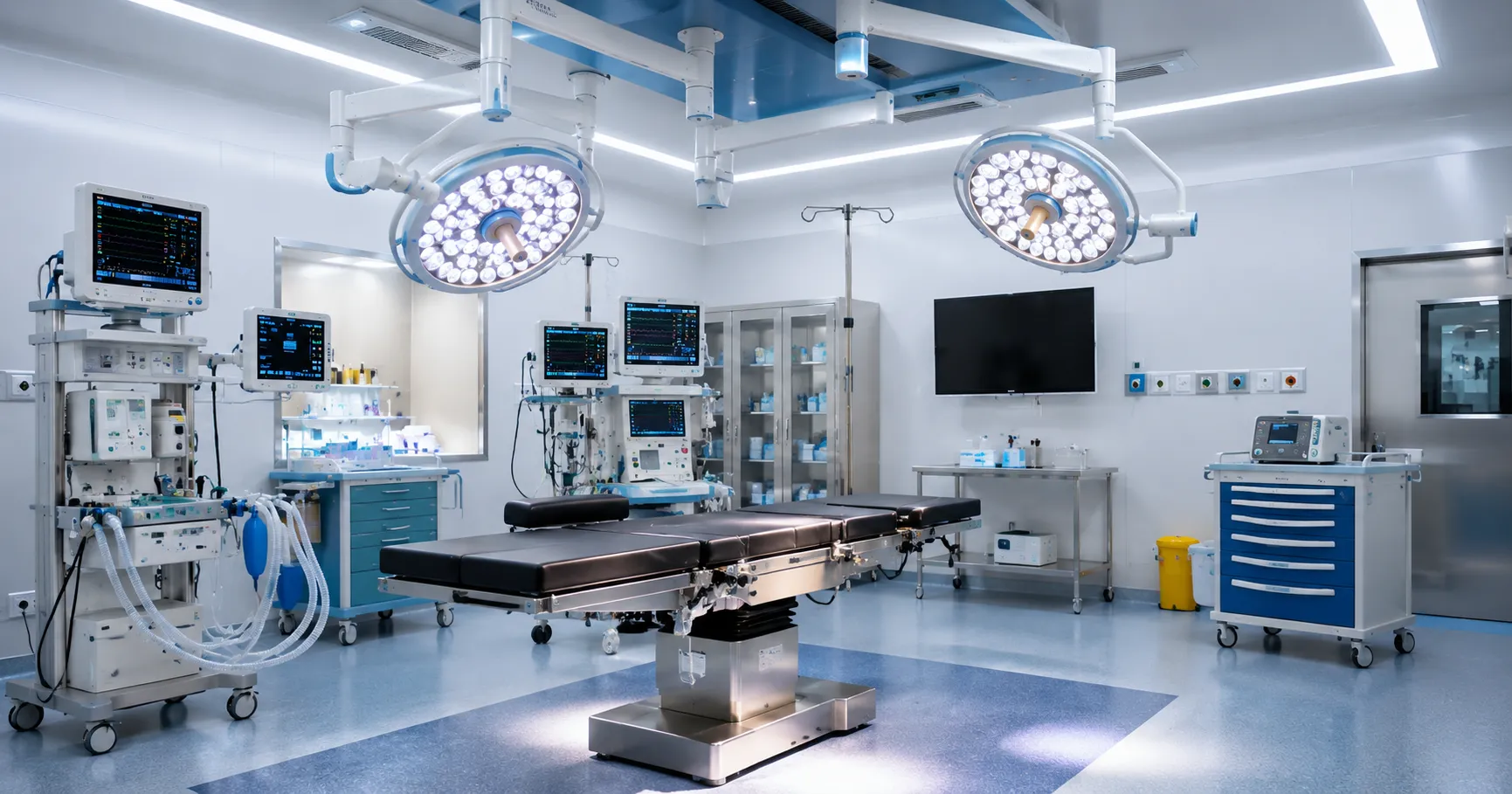
Upgrading theatre lighting is a worthwhile improvement that brings better illumination, lower heat and longer life. Still, it must be done without disrupting the surgical lists a theatre exists to run. The challenge is as much about planning and sequencing as about the lights themselves. Many services explore theatre lighting for buyers on Medigear.uk as they plan.
Theatre lighting has moved on considerably, and modern systems offer real advantages, yet replacing lights in a working operating theatre demands care to avoid closing the theatre for longer than necessary. Thinking through both the equipment and the process is the key to a smooth upgrade.
This guide sets out how to upgrade theatre lighting without disrupting surgery, from choosing the right system to planning the installation around the theatre list, so a department gains better lighting with the least possible interruption.
Why upgrading theatre lighting matters
Good theatre lighting is fundamental to safe surgery, giving surgeons the clear, shadow-free, colour-accurate view they need, so an upgrade that improves illumination directly supports surgical quality. Modern systems also generate less heat, last much longer, and are easier to position, benefiting both the team and the patient. But because theatres are in constant demand, the value of an upgrade depends on delivering it without prolonged disruption to surgery.
What to weigh when upgrading theatre lighting
Illumination quality
Consider the quality of light a system provides, including intensity, shadow control and colour rendering, since surgeons depend on seeing tissue clearly and truly. Better illumination is the whole point of an upgrade. Judging the quality of light, ideally in use, is the first consideration. A team can also supply your theatre lighting on Medigear.uk as a partner.
Heat and comfort
Weigh how much heat the lighting produces, because modern systems run far cooler than older ones, improving comfort for the team and reducing tissue drying at the field. Lower heat is a genuine benefit of upgrading. Cooler lighting makes for a better working environment.
Positioning and reach
Consider how easily the lights position and hold their place, since surgeons and assistants move lights frequently and need them to reach the field and stay put. Smooth, stable positioning eases the work of every case. Good manoeuvrability is a practical priority.
Sterile control
Look at how the lights are adjusted within the sterile field, since sterile handles or touch-free controls allow the team to reposition the lighting without breaking sterility. Clean, easy control protects the sterile field. Sterile adjustability is important in practice.
Integration and cameras
Weigh whether the lighting integrates with cameras, displays or other theatre systems, since many modern lights support recording and teaching. Integration can add value where a department uses it. Considering integration avoids missing useful capability.
Backup and reliability
Consider redundancy and backup, as surgery cannot proceed in darkness; reliable lighting with backup is essential. Dependable lighting, with a plan for failure, protects every case. Reliability is non-negotiable for theatre lighting.
Installation footprint
Weigh what installing the system involves, from mounting and wiring to the ceiling structure, since this shapes how disruptive the upgrade will be. Understanding the installation footprint is central to planning a smooth upgrade. The physical work matters as much as the lights.
Maintenance and life
Consider the system's expected lifespan and maintenance needs, since modern lighting lasts much longer and requires less attention, reducing future disruption. Long life and low maintenance are lasting benefits. Thinking ahead to upkeep is part of choosing well.
Planning around the theatre list
The heart of an undisrupted upgrade is planning the installation around the theatre's list rather than the other way round, using planned downtime, quieter periods or a single theatre at a time. A department that carefully sequences work can upgrade lighting while keeping surgery running elsewhere. Good scheduling is what turns a disruptive job into a manageable one.
Phasing the work
Where a department has several theatres, phasing the upgrade one theatre at a time keeps most capacity running throughout, spreads the work, and limits the impact at any given moment. This phased approach trades a little extra time for far less disruption. Phasing is often the most practical route to upgrading a busy suite.
Working with the installer
A smooth upgrade depends on close collaboration with the installer to agree on timing, contain dust and disruption, and confirm that the theatre is fully commissioned before use. Clear agreement on the process avoids surprises and delays. Treating the installer as a partner in planning protects the surgical list.
Commissioning and sign-off
Before a theatre is returned to use, the new lighting must be fully tested, cleaned, and signed off, since surgery cannot resume until the theatre is safe and ready. Building proper commissioning into the plan prevents a rushed return. Careful sign-off is the final safeguard of an undisrupted upgrade.
A checklist before you choose
-
Light quality. Judge illumination, shadow control and colour rendering
-
Heat. Confirm the system runs cool for team and patient
-
Control. Check sterile or touch-free adjustment
-
Reliability. Confirm backup and dependable performance
-
Installation. Understand the footprint and disruption involved
-
Scheduling. Plan the work around the theatre list
Planning a theatre lighting upgrade
A department planning a theatre lighting upgrade weighs the system's light quality, heat, control, and reliability, then carefully plans the installation around its list, using phasing and planned downtime to keep surgery running. Because the theatre cannot simply close, the process is planned as thoroughly as the purchase.
It also helps to agree commissioning and sign-off in advance, so each theatre returns to use only when fully ready. An upgrade planned with both the equipment and the schedule in mind delivers better lighting with the least possible disruption to surgery.
Better light, less disruption
Upgrading theatre lighting without disrupting surgery comes down to choosing a system that improves illumination, heat, and reliability, and then planning the installation around the theatre list through phasing, planned downtime, and careful commissioning. A department that weighs both lighting and process gains real improvement while keeping its surgical lists running.
Assessing the existing setup
A smooth upgrade begins with a clear assessment of the existing lighting and its mounting, since the current ceiling structure, wiring and layout shape what a new system will involve. Understanding what is already in place helps a department anticipate the work and avoid surprises during installation. A thorough assessment at the outset is the foundation of an undisrupted upgrade. Knowing the starting point makes planning the change far easier.
Training the theatre team
New lighting, particularly if it adds cameras or new controls, benefits from brief training so the theatre team uses it confidently from the first case. A short introduction to the new system's controls and features helps avoid fumbling during surgery and ensures the full value of the upgrade is realised. Building a little training into the changeover ensures the new lighting helps rather than hinders. Familiarity from day one keeps the first lists running smoothly.
Minimising dust and contamination
Installation work in or near a theatre must be managed to contain dust and protect the sterile environment, so agreeing containment and cleaning with the installer is essential. A theatre returning to use must be thoroughly cleaned after any building work, as part of properly planning the upgrade. Attention to contamination during installation protects patients when surgery resumes. Keeping the environment clean throughout is a key part of an undisrupted upgrade.
Backup during the transition
While lighting is being upgraded, a department needs a plan for lighting in the theatres still in use, including any backup or temporary provision. Ensuring surgery is never left without adequate lighting is central to upgrading safely. Thinking through lighting continuity during the transition protects the lists that continue throughout the work. A clear backup plan keeps every operating theatre safely lit while the upgrade proceeds.
Confirming compatibility with the ceiling
New theatre lighting must be compatible with the ceiling structure and any existing mounting, so confirming this before ordering avoids the most disruptive kind of surprise during installation. A structural check and agreement on any necessary strengthening or adaptation allow the installation to proceed as planned. Settling compatibility early is central to keeping the upgrade smooth and the theatre's return to use on schedule. Knowing the ceiling can carry and connect the new system prevents disruptive delays once the work begins.
Judging value beyond the fittings
When comparing lighting systems, a department looks beyond the fittings themselves to the whole package of installation, training, warranty and support, since these shape how well the upgrade serves over time. A system that is well supported and simple to maintain repays the effort of choosing it, while one that is troublesome to service becomes a burden. Weighing the complete offering, not just the lights on the ceiling, leads to a choice a department is glad of for years. The best upgrade is the one that keeps performing long after the installers have gone, backed by dependable support. Many services list theatre lighting from suppliers on Medigear's page.
Servicing and safety
Theatre lighting is essential to safe surgery, so servicing, testing and backup checks are important to keep it dependable. Staff should also know how to report a problem with a medical device to the MHRA if any lighting system is found faulty.
Upgrading theatre lighting in short
Upgrading theatre lighting means choosing a system with better illumination, lower heat and dependable reliability, then installing it around the theatre list. Phasing the work, using planned downtime and commissioning carefully, delivers better lighting with the least disruption. Handled this way, a lighting upgrade improves surgery without closing the theatre.
This guide offers general procurement guidance on upgrading theatre lighting and is not clinical advice; local policy and manufacturer instructions always take precedence.