Planning an ultrasound service expansion is an exciting step for a clinic, but it works best when the equipment, people, and pathways are planned together rather than the scanner alone. A well-planned ultrasound expansion adds capacity that patients can access, and staff can deliver. Many buyers compare ultrasound systems for buyers on Medigear.uk when planning.
Ultrasound is versatile and in growing demand, yet expanding a service involves more than buying a machine, from the right transducers and applications to trained staff, room space and referral pathways. Thinking through the whole service leads to an expansion that succeeds rather than one that stalls.
This guide sets out how to plan an ultrasound service expansion for your clinic, from defining the applications to choosing the system, preparing the space and building the pathways, so new capacity is used well.
Why planning an ultrasound expansion matters
An ultrasound service is only as valuable as the demand it can meet, and the quality it can deliver, so expanding it well means matching new capacity to real need and ensuring it can be staffed and sustained. A scanner bought without trained sonographers, suitable rooms or clear referral pathways sits underused, while a well-planned expansion serves patients from the first week. Planning the whole service, not just the equipment, is what turns an expansion into better care.
What to weigh when planning an ultrasound expansion
Clinical applications
Begin by defining the applications the expanded ultrasound service will cover, since the scanner and transducers a clinic needs depend on whether it images the abdomen, heart, vessels, obstetrics, or musculoskeletal structures. Matching the system to the intended applications is the foundation of the plan. Defining the scope first shapes every later choice. Manufacturers can also supply your ultrasound systems on Medigear.uk as a partner.
Transducers and versatility
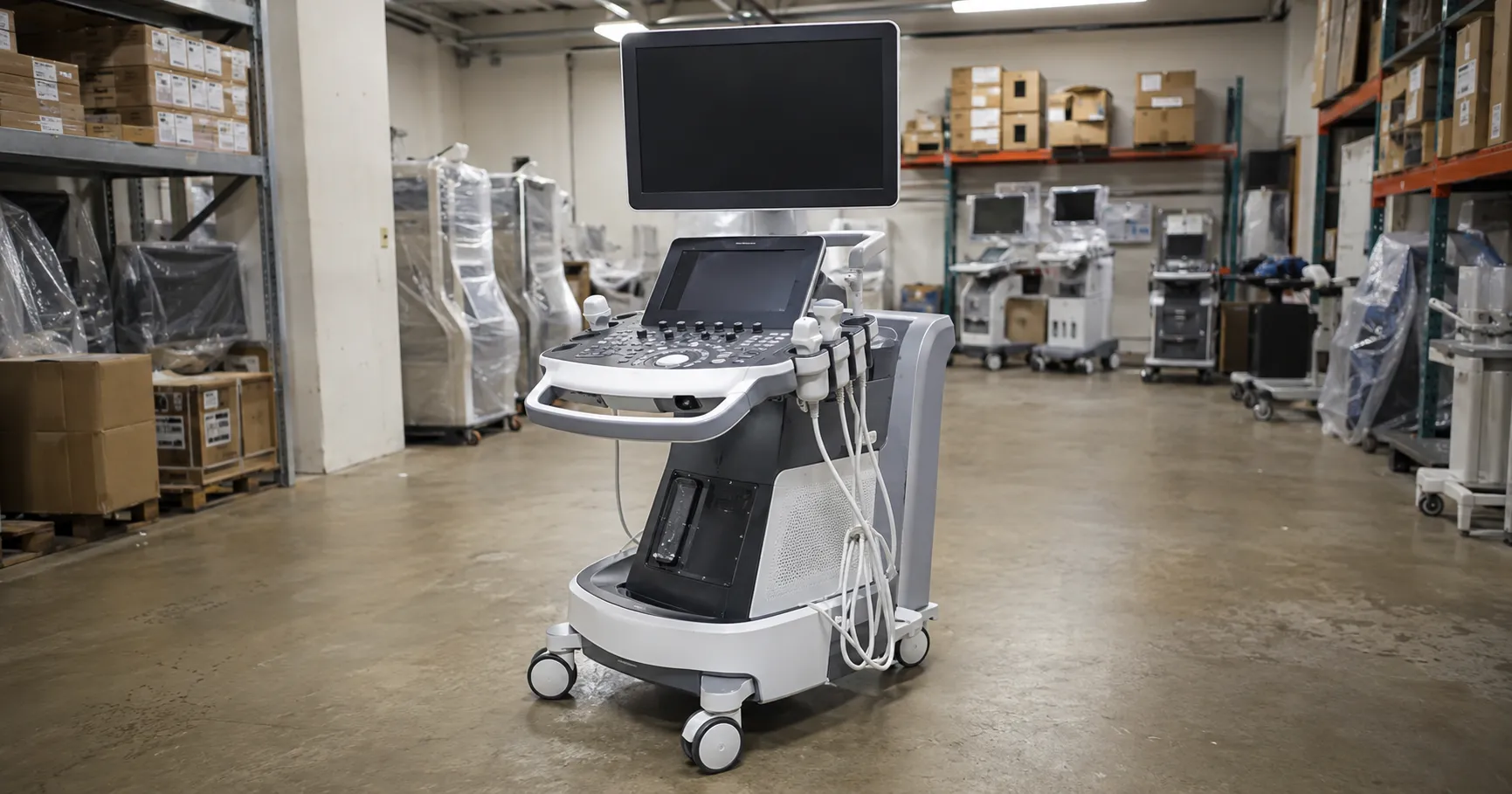
Consider the range of transducers the service requires, because different examinations need different probes, and a versatile set widens what the service can offer. Choosing the right probes ensures the service can perform the planned work. Transducer choice is central to an ultrasound system's usefulness.
Image quality and features
Weigh the image quality and features the service needs, since diagnostic ultrasound depends on clear imaging and appropriate tools such as Doppler for the applications offered. The right level of capability supports confident diagnosis. Image quality is at the heart of a scanner's value.
Portability and setting
Consider whether the service needs portable or cart-based systems, since a clinic imaging at the bedside or across rooms has different needs from one with a dedicated scanning room. Matching portability to the setting supports how the service will run. Where and how scanning happens shapes the choice.
Staffing and skills
Weigh the sonographers and skills the expanded service needs, because ultrasound is operator-dependent and its value rests on skilled scanning. Planning for trained staff and their development is as important as the equipment. Skilled operators are what make an ultrasound service work.
Rooms and space
Consider the space and environment the service requires; suitable, private, well-equipped rooms are needed for quality scanning. Preparing the space is part of expanding the service. The right environment supports both quality and patient comfort.
Reporting and records
Weigh how images and reports are stored and shared, since an ultrasound service must integrate with the clinic's records and reporting—reliable image storage and reporting are essential to the service. Handling images and reports well is essential to a modern service.
Referral pathways
Consider the referral pathways that will feed the expanded service, since capacity is only useful if patients can reach it through clear routes. Planning how referrals flow ensures the new capacity is used. Good pathways connect the service to the patients who need it.
Start from demand, not the scanner.
The soundest way to plan an ultrasound expansion is to start from the demand a clinic wants to meet, then build the service, including the scanner, to meet it. Understanding which examinations are needed, and in what volume, shapes the equipment, staffing, and space that follow. Starting from demand leads to an expansion that is used, not one that sits idle.
People make the service.
Because ultrasound is highly operator-dependent, the people who scan are the heart of the service, and no scanner can compensate for a shortage of skilled sonographers. Planning for recruitment, training and development is as central to an expansion as the equipment itself. A service planned around its people succeeds where one planned around a machine alone struggles.
Fitting the service into the clinic
An expanded ultrasound service must fit the clinic around it, from room space and records to how it connects with other services and pathways. An expansion planned in isolation creates friction, while one planned as part of the whole clinic runs smoothly. Fitting the service into its setting is part of planning it well.
Phasing the expansion
Expanding a service need not happen all at once, and phasing growth from initial applications to a broader offering lets a clinic build capacity and skills steadily. A phased expansion manages risk and lets the service settle at each stage. Growing the service in steps is often the surest route to a lasting expansion.
Sustaining quality as you grow
Growth must not come at the expense of quality, so an expanding ultrasound service plans how it will maintain standards, supervision and image quality as volume rises. Building quality assurance into the expansion protects patients as the service grows. Sustaining quality is as important as adding capacity.
Equipment support and life
An ultrasound system is a long-term asset, so its servicing, probe replacement and support shape how well the service runs over years. Choosing well-supported equipment keeps the expanded service dependable. Thinking about the equipment's whole life protects the expansion.
Planning for future demand
Demand for ultrasound tends to grow, so planning an expansion with a little room to grow further avoids being outgrown too soon. A service planned with the future in mind serves a clinic longer. Looking ahead keeps an expansion from becoming a short-term fix.
A checklist before you choose
-
Applications. Define the examinations the service will cover
-
Transducers. Match the probe set to those applications
-
Staffing. Plan for skilled sonographers and their development
-
Space. Prepare suitable, private scanning rooms
-
Pathways. Build clear referral routes into the service
-
Support. Choose well-supported, dependable equipment
Planning the expansion
A clinic planning an ultrasound expansion starts with the demand and applications it wants to meet, then builds the service to match, weighing the scanner, transducers, staffing, space, and pathways together rather than fixating on the equipment alone. Because ultrasound is operator-dependent, the plan gives as much attention to people as to machines.
It also helps to phase the growth and plan for quality and future demand, so the service settles well and lasts. An ultrasound expansion planned as a whole service, not a single purchase, delivers capacity that patients can reach and staff can sustain.
An expansion that patients can reach
Planning an ultrasound service expansion for your clinic comes down to starting from demand, then building the whole service, equipment, people, space and pathways, to meet it. A clinic that plans for skilled staff, suitable rooms and clear referral routes, and phases its growth, creates an ultrasound expansion that patients can actually reach and the clinic can sustain.
Near-patient and community scanning
An ultrasound expansion increasingly extends beyond a single room, with portable systems enabling near-patient and community scanning, bringing imaging closer to patients. Planning whether the service will scan at the bedside, in clinics, or in the community shapes the equipment and how the service runs. Considering these settings when expanding lets a clinic design a service that meets patients where they are. Reaching patients more conveniently can be one of the real gains of a well-planned expansion, provided that quality is maintained across all settings.
Managing demand as the service grows
As an ultrasound service expands, demand often grows with it, so a clinic plans how it will manage waiting and prioritise examinations to keep access fair and timely. Thinking about how referrals are triaged and scheduled prevents a growing service from developing long waits. Building sensible demand management into the expansion keeps the new capacity genuinely accessible. A service that manages its demand well turns added capacity into shorter waits rather than simply more work.
Governance and quality assurance
An expanding ultrasound service operates within governance and quality-assurance expectations, so a clinic plans how it will supervise scanning, review image quality, and support ongoing development. Building governance into the expansion protects standards as volume increases and staff turnover occurs. Treating quality assurance as part of the plan, rather than an afterthought, helps ensure an expanded service is trustworthy. Sound governance is what lets a service grow without quality slipping. Buyers often source ultrasound systems from suppliers on Medigear.uk for their service.
Servicing and safety
Ultrasound systems guide clinical decisions, so servicing, probe care and quality checks are important to keep imaging dependable. Staff should also know how to report a problem with a medical device to the MHRA if a scanner or probe is found faulty.
Planning ultrasound expansion in short
A successful ultrasound expansion starts with demand and builds the entire service to meet it, weighing the scanner, transducers, staffing, space, and pathways together. Planning for skilled operators, suitable rooms, and clear referral routes, and phasing in, creates capacity that patients can reach. Planned this way, an ultrasound service expansion lasts.
This guide offers general procurement guidance on planning an ultrasound service and is not clinical advice; local policy and manufacturer instructions always take precedence.