Setting up a cardiac screening pathway with ECG devices lets a service detect heart problems earlier, but it succeeds only when the devices, the staff, and the pay are all in place and aligned. Good ECG devices are the tool; a clear pathway is what turns readings into timely care. Procurement teams browse ECG devices for buyers on Medigear.uk when planning.
ECG devices vary from simple resting recorders to ambulatory and exercise systems, so the right choice depends on what a screening pathway aims to detect and how it will run. Understanding the pathway first, and then the ECG devices, leads to screening that works in practice.
This guide sets out how to set up a cardiac screening pathway with ECG devices, from defining the pathway to choosing the devices, training staff, and handling results so that a service can screen effectively and safely.
Why a well-designed pathway with ECG devices matters
ECG devices can record the heart's activity, but a recordi. Still, it helps if it reaches the right person, is interpreted correctly and leads to appropriate action, which is what a pathway provides. A screening pathway built around good ECG devices detects problems earlier and directs patients to care, while devices used without a pathway generate readings that go nowhere. Designing the pathway around the ECG devices is what makes cardiac screening effective.
What to weigh when setting up the pathway
Screening aims
Begin by defining what the cardiac screening pathway aims to detect, since this shapes which ECG devices and additional tests are needed. A pathway screening for rhythm problems differs from one assessing exercise response. Defining the aims first guides every later choice. Suppliers can also ask the Medigear.uk team about ECG devices.
Types of ECG devices
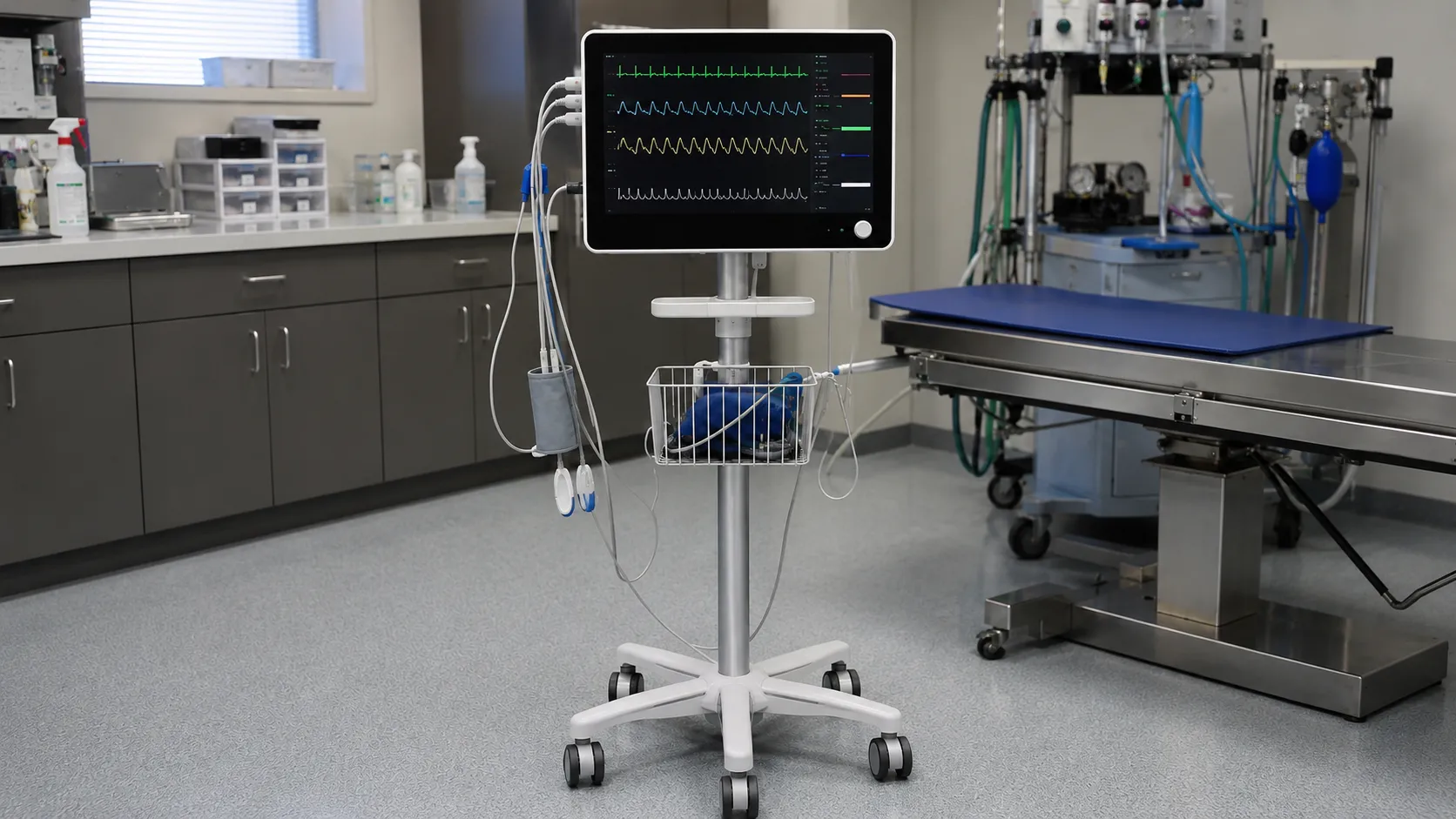
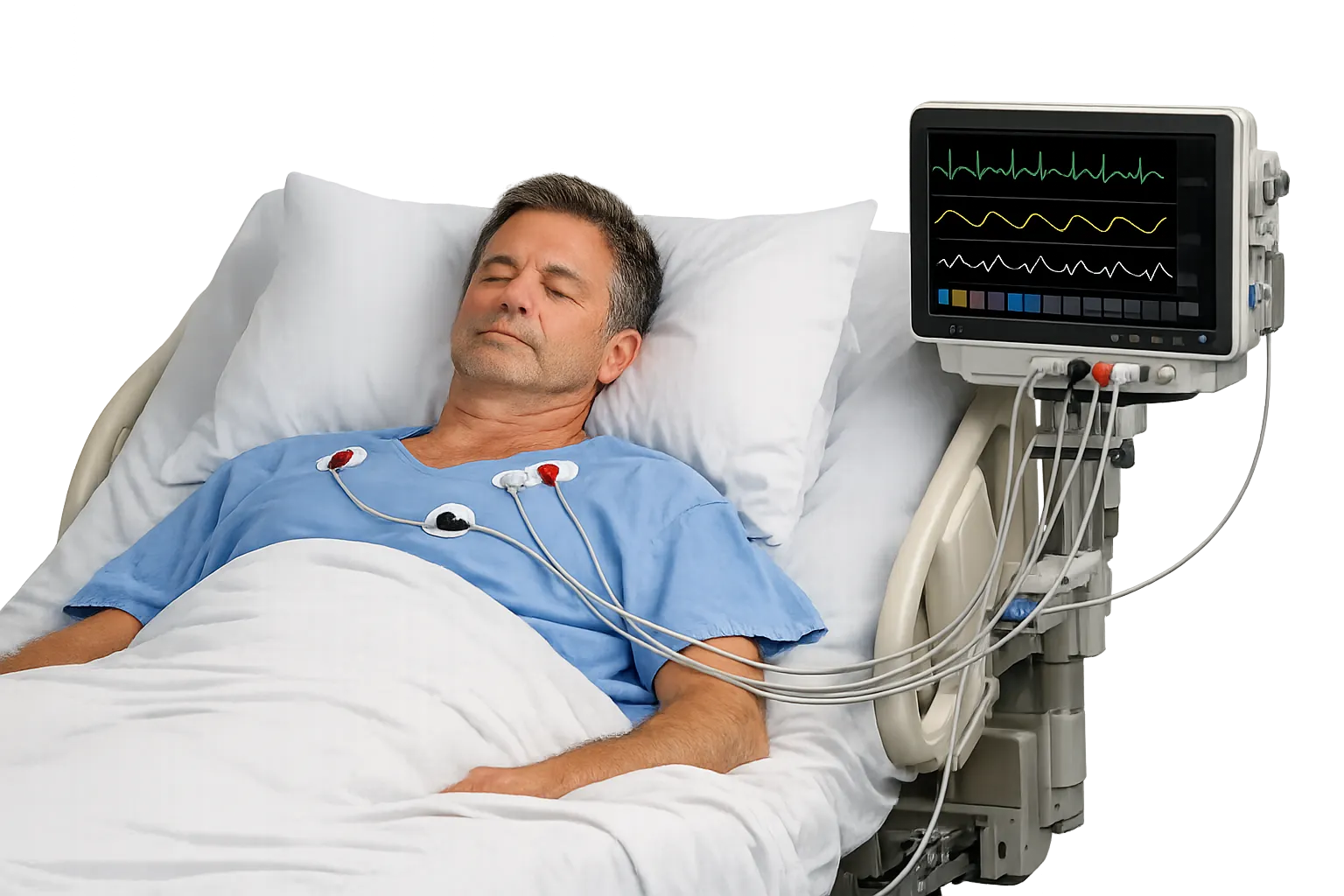
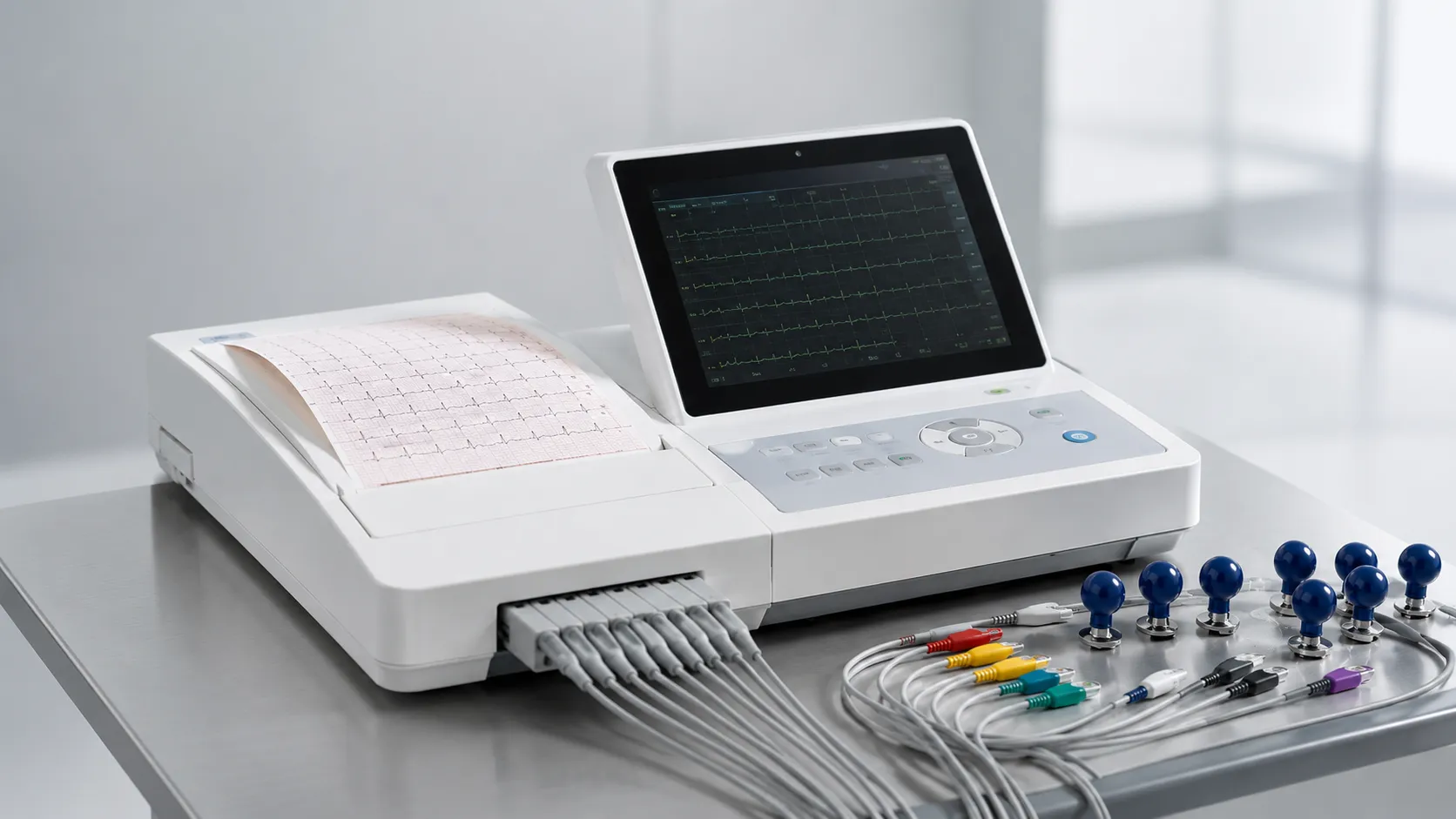
Consider which ECG devices the pathway needs, from resting twelve-lead recorders to ambulatory and exercise systems, since different screening aims call for different devices. Matching the ECG devices to the aims ensures the pathway can do its work. The right devices are those the pathway actually requires.
Ease of use
Weigh how easy the ECG devices are to use, since screening often involves many recordings and staff who are not cardiology specialists. Devices that are quick and simple to apply and record support reliable screening at volume. Usability keeps a screening pathway running smoothly.
Recording quality
Consider the quality and clarity of the recordings, because accurate interpretation depends on clean traces free of artefacts. Devices that consistently produce good recordings support confident interpretation. Recording quality underpins the value of screening.
Interpretation and reporting
Weigh how recordings are interpreted and reported, since a pathway needs a clear route from recording to expert interpretation and result. Devices that integrate with reporting and expert review strengthen the pathway. Getting recordings to the right eyes is central to screening.
Connectivity and storage
Consider how ECG devices store and share recordings, since a screening pathway generates many traces that must be kept and accessible. Reliable storage and connectivity keep the pathway organised. Handling recordings well is essential at screening volumes.
Staff and training
Weigh the staff and training the pathway needs, since reliable screening depends on staff who can apply ECG devices correctly and recognise when to escalate. Planning for training supports safe, consistent screening. Skilled staff make a screening pathway dependable.
Escalation and follow-up
Consider how abnormal findings are escalated and followed up, since the purpose of screening is to act on what it finds. Clear escalation and follow-up routes complete the pathway. Acting on findings is what makes screening worthwhile.
The pathway, not just the device
The most important idea in cardiac screening is that the pathway matters as much as the ECG devices, because a recording is only useful if it leads to interpretation and action. Designing the whole journey, from recording to result to follow-up, is what makes screening effective. A service that plans the pathway, not just the purchase, screens far better.
Matching devices to the aim
Different screening aims need different ECG devices, so a service defines what it wants to detect and then chooses the devices to match, rather than buying devices and hoping they fit. This clarity of purpose leads to the right equipment and a coherent pathway. Matching devices to the aim keeps screening focused and effective.
Keeping screening reliable at volume
Screening often means many recordings, so the pathway must stay reliable and consistent at volume, which depends on easy-to-use devices, trained staff and clear processes. Building for volume from the start prevents a pathway from faltering as it grows. Reliability at scale is central to a screening service.
Handling results safely
A screening pathway generates results that must be handled safely, reaching the right interpreter and leading to appropriate action without falling through gaps. Design and result handling in the pathway protect patients. Safe handling of findings is essential to responsible screening.
Fitting into the wider service
A cardiac screening pathway sits within a wider service, connecting to cardiology, referral routes and records, so it must be designed to fit rather than stand alone. A pathway that connects well directs patients smoothly to furtherfurther care, completing, fitting the screening picture.
Quality and consistency
Screening is only as good as its consistency, so the pathway plans how it will maintain quality across staff, devices, and time. Building quality assurance into the pathway keeps screening dependable. Consistency is what makes screening trustworthy.
Equipment support and life
ECG devices are used heavily in screening, so their reliability, servicing and support shape how well the pathway runs. Choosing well-supported devices keeps screening dependable over years. Thinking about the devices' whole life protects the pathway.
A checklist before you choose
-
Aims. Define what the pathway is screening to detect
-
Devices. Match the ECG devices to those aims
-
Interpretation. Plan a clear route to expert reading
-
Escalation. Build clear routes for abnormal findings
-
Training. Ensure staff can record and escalate reliably
-
Records. Confirm reliable storage and sharing of traces
Planning the screening pathway
A service planning a cardiac screening pathway starts by defining what it aims to detect, then chooses the ECG devices to match and designs the whole journey from recording to interpretation to follow-up. Because a recording is only useful if it leads to action, the pathway is planned as carefully as the devices.
It also helps to plan for volume, quality and connection to the wider service, so screening stays reliable and results are acted on. A cardiac screening pathway designed around its ECG devices and its patients detects problems earlier and directs people to the care they need.
Screening that leads to action
Setting up a cardiac screening pathway with ECG devices comes down to designing the whole journey, from choosing the right devices to interpreting, escalating and following up, around clear screening aims. A service that plans the pathway as carefully as the ECG devices, and builds for volume and quality, creates screening that detects problems earlier and leads to timely care.
Communication and consent
Screening involves people who may feel well, so clear communication about what a cardiac screening pathway can and cannot tell them, and proper consent, are part of setting it up responsibly. Explaining the purpose and limits of screening helps patients understand their results and reduces anxiety. Building good communication into the pathway respects the people it serves. Honest, clear communication is as much a part of screening as the ECG devices themselves.
Avoiding the harms of over-screening
A well-designed screening pathway is mindful that screening can cause harm as well as benefit, through false alarms and unnecessary further tests, so it is targeted. Thinking carefully about who is screened, and why, keeps a pathway proportionate and useful. Designing to avoid over-screening protects patients from needless worry and investigation. A responsible pathway screens purposefully rather than indiscriminately.
Protecting screening records
A cardiac screening pathway generates personal health data in the form of recordings and results, so protecting that information is part of running the pathway properly. Planning how ECG recordings and results are stored, shared and protected keeps patient information safe. Building data protection into the pathway is a responsibility that comes with screening. Handling screening records carefully is part of earning patients' trust in the service.
Reviewing and improving the pathway
A cardiac screening pathway is not finished once it is running; a service reviews how well it is working, from recording quality to how promptly findings are acted on, and improves it over time. Gathering feedback and reviewing it helps a pathway improve and reduce drift. Regular reviews keep it aligned with demand and practice change. A pathway that is reviewed and refined keeps serving patients well long after it is first set up. Teams often find ECG devices and supplier resources on Medigear.uk for servicing and safety.
ECG devices guide clinical decisions, so calibration, servicing and quality checks are important to keep recordings dependable. Staff should watch the monitors' device safety alerts and recalls so that any concerns about an ECG device are acted on
Setting up ECG screening in short
An effective cardiac screening pathway is built around clear aims, the right ECG devices and a designed journey from recording to interpretation to follow-up. Matching devices to the aim, planning for volume and quality and building clear escalation create screening that leads to action. Designed this way, ECG devices power screening that helps patients, and a well-chosen system keeps serving that purpose for years to come.
This guide offers general procurement guidance on setting up a screening pathway with ECG devices and is not clinical advice; local policy and manufacturer instructions always take precedence.