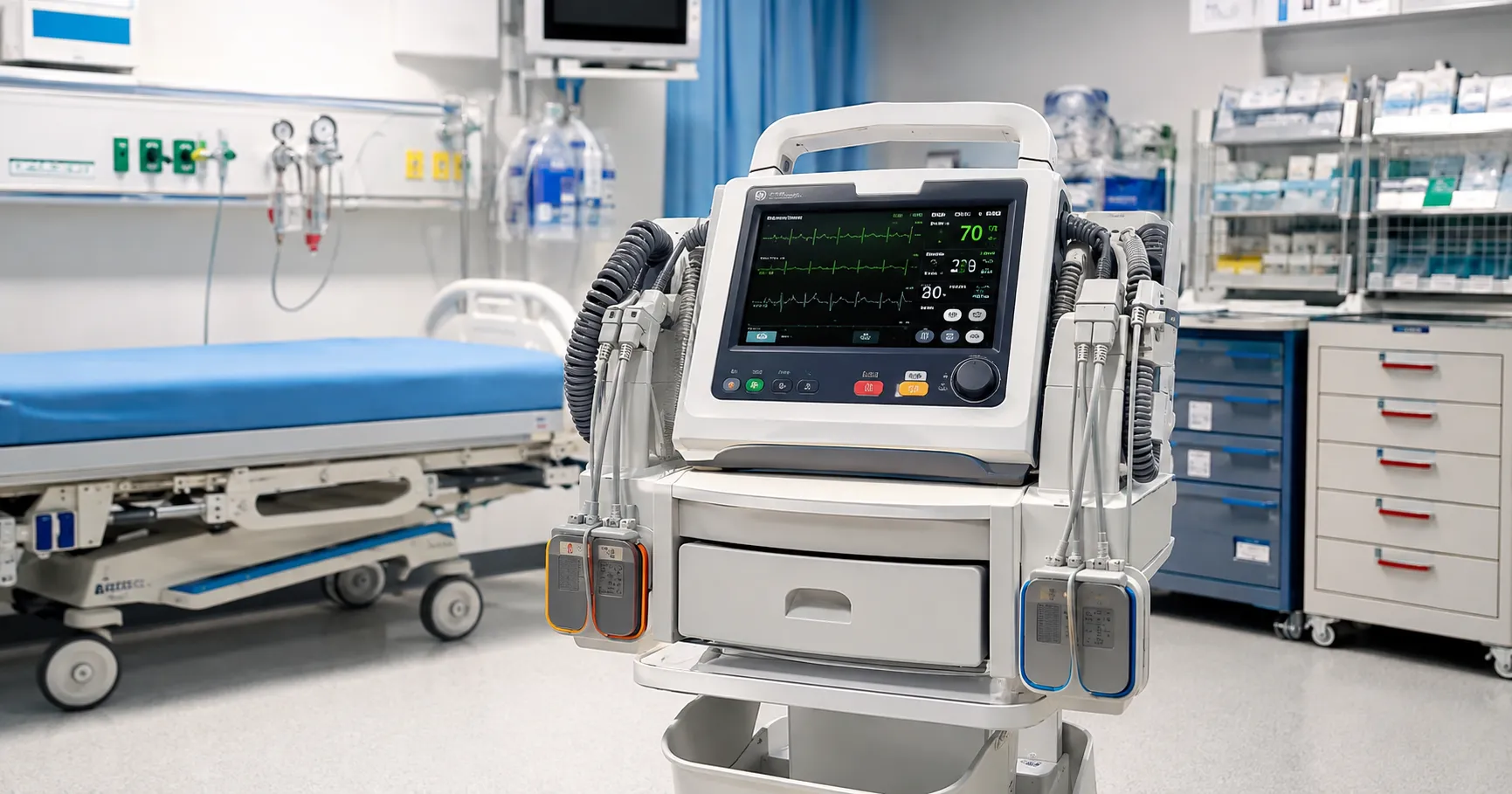

How to select an infusion pump for multi-channel delivery
Selecting an infusion pump for multi-channel delivery directly affects medication safety, as these pumps deliver multiple infusions to a single patient simultaneously and must do so accurately and safely. The right infusion pump delivers precise, dependable dosing across every channel; the wrong one adds risk and complexity. Many services explore infusion pumps for buyers on Medigear.uk as they plan.
Infusion pumps vary in their channels, safety features, accuracy, and integration, so the right choice depends on the patients being cared for and how the unit works. Understanding these differences before selecting leads to an infusion pump that supports safe care rather than one staff must work around.
This guide sets out what to weigh when selecting an infusion pump for multi-channel delivery, from channels and drug libraries to accuracy, alarms, and integration, so that a unit can choose with confidence.
Why the right infusion pump matters
An infusion pump controls exactly how much medication or fluid a patient receives. Hence, its accuracy, safety features and reliability are directly matters of patient safety, especially where several infusions run at once. The right multi-channel infusion pump lets clinicians deliver complex regimens safely and see them clearly, while a poor choice makes errors more likely. Selecting well means matching the pump's capabilities and safeguards to the demands of the care given.
What to weigh when selecting an infusion pump
Channels and configuration
Consider how many channels the infusion pump provides and how they are configured, since multi-channel delivery lets several infusions run to one patient in a clear, organised way. Matching the channels to the care given avoids clutter and confusion at the bedside. The channel configuration shapes how the pump is used. A team can also supply your infusion pumps on Medigear.uk as a partner.
Drug libraries and safety software
Weigh the drug library and the dose-error reduction software the pump offers, as these guard against dosing errors by checking infusions against safe limits. Good safety software is central to a modern infusion pump. Dose-error reduction is a key safety feature.
Delivery accuracy
Consider the pump's delivery accuracy, as precise, consistent flow is critical for many medications. An infusion pump that delivers accurately across its range supports safe treatment. Accuracy is fundamental to what an infusion pump does.
Occlusion and air alarms
Examine the pump's alarms for occlusion, air and other faults, because these protect the patient when something goes wrong with an infusion. Clear, reliable alarms that alert without overwhelming are essential. Dependable alarms are central to infusion safety.
Battery and portability
Weigh the pump's battery life and portability, since patients move within a hospital and infusions must continue safely during transport. Good battery performance keeps delivery uninterrupted. Portability matters wherever patients are moved.
Usability and clarity
Consider how clearly the pump displays and controls multiple infusions, since a busy multi-channel setup must remain easy to read and manage. An intuitive interface reduces error and eases care. Usability is a genuine safety feature in multi-channel delivery.
Connectivity and records
Weigh how the pump connects with clinical records and systems, since integration supports documentation and oversight of infusions. A pump that shares its data reduces manual recording. Connectivity strengthens safe, accountable delivery.
Consumables and sets
Consider the giving sets and consumables the pump uses, since their availability, compatibility and sensible supply affect daily use. A pump whose consumables are dependable is easier to live with. Consumables are part of selecting an infusion pump wisely.
Safety first in infusion
The overriding consideration in selecting an infusion pump is safety, because these devices control exactly what enters a patient, and errors can cause serious harm. Every feature is weighed for its support of safe delivery, from drug libraries to alarms to clear displays. A unit selecting an infusion pump puts safety at the centre of the decision.
Clarity in multi-channel delivery
When several infusions run for one patient, clarity becomes essential, so a good multi-channel infusion pump presents its channels in an organised, readable way that staff can manage without confusion. Clarity at the bedside reduces the risk of error in complex care. A pump that keeps multi-channel delivery clear supports safer treatment.
Standardising pumps across a unit
As with monitors, consistency across a unit's infusion pumps eases training, spares, and safe use, since staff who know one pump can use any other. A common platform for general use reduces errors and simplifies stock management. Considering standardisation when selecting keeps a unit's pumps coherent. Consistency across pumps quietly supports safety.
Matching the pump to the care
The right infusion pump depends on the care a unit gives, since intensive care, oncology and general wards place different demands on infusion. A unit that describes its own needs and matches the pump to them chooses far better than one following a generic recommendation. Fit to the care given is what makes a pump serve well.
Training and safe use
An infusion pump is only as safe as the staff who use it, so training and ongoing support are part of the selection process, not an afterthought. Thorough training on the pump's features and safeguards ensures safe delivery. Choosing a well-supported pump protects patients over the long term.
Alarms that help, not overwhelm
Infusion pumps alarm to protect patients, but too many alarms can be overwhelming, so a good pump alarms meaningfully and in a manageable way. Sensible alarm design keeps attention where it belongs. Well-judged alarms are central to safe infusion.
Reliability and support
An infusion pump is used constantly, so its reliability and the support behind it shape how well it serves, since downtime disrupts care. Dependable pumps with responsive servicing keep delivery going. Reliability and dependable support sit at the centre of the choice.
Ownership over its whole life
Beyond the pump itself, a unit considers the whole picture of ownership over its life, including consumables, servicing, and support, so the choice proves sound over the years. Weighing ownership over time avoids surprises later. Thinking about the whole life protects the decision.
Planning for the future
Care changes over time, so selecting a pump with a platform that can be updated and expanded helps protect the choice from being outgrown. A pump chosen with the future in mind serves longer. Looking ahead keeps a selection from becoming a short-term fix.
A checklist before you choose
-
Channels. Match the channel configuration to your care
-
Safety software. Confirm a drug library and dose-error reduction
-
Accuracy. Check consistent, precise delivery
-
Alarms. Confirm clear occlusion and air alarms
-
Usability. Ensure multi-channel delivery stays clear
-
Support. Weigh reliability, training and servicing support
Planning an infusion pump selection
A unit selecting an infusion pump for multi-channel delivery starts with the care it provides, then matches the pump's channels, safety software, accuracy, and alarms to it, weighing safety and clarity above all. Because these pumps control what enters a patient, the choice is made carefully and, where possible, evaluated in practice.
It also helps to plan for training, consumables and servicing from the outset, and to consider standardisation across the unit. Hence, the pump is safe and well supported throughout its life. A thoughtfully selected infusion pump supports safe delivery for years.
Selecting a pump that keeps delivery safe
Selecting an infusion pump for multi-channel delivery comes down to matching its channels, safety software, accuracy and alarms to the care a unit gives, with safety and clarity weighed above all. A unit that describes its own needs, evaluates in practice and plans for training and support selects an infusion pump that keeps complex delivery safe and clear.
Organising lines at the bedside
Multi-channel delivery can quickly become a tangle of lines, so a good infusion pump and its mounting help organise infusions clearly at the bedside, which reduces the risk of connecting the wrong line to the wrong patient or channel. Considering how the pump mounts, how lines are routed and how channels are labelled is part of choosing for safety in complex care. A pump that keeps lines organised supports the team in exactly the situations where confusion is most dangerous. Tidy, clearly organised infusions are safer infusions.
Fitting infusion into the wider system
An infusion pump does not work in isolation but as part of a wider system of medication management, records and monitoring, so a pump that fits that system supports safer, more joined-up care. Considering how the pump connects to prescribing, records, and the rest of the bedside equipment helps avoid gaps and duplication. A pump chosen with the whole system in mind slots into a unit's way of working rather than sitting awkwardly beside it. Good fit with the wider system makes infusion safer and simpler. Many services list infusion pumps from suppliers on Medigear.uk for their service.
Servicing and safety
An infusion pump controls medication delivery, so servicing, testing and safety checks are essential to keep it dependable. Staff should also know how to report a problem with a medical device to the MHRA if an infusion pump is found faulty.
Selecting an infusion pump in short
The right multi-channel infusion pump matches its channels, safety software, accuracy and alarms to the care a unit gives, with safety and clarity weighed above all. Describing the unit's needs, evaluating in practice and planning for training and support lead to a pump that keeps complex delivery safe. Chosen this way, an infusion pump protects patients.
This guide offers general procurement guidance on selecting an infusion pump and is not clinical advice; local policy and manufacturer instructions always take precedence.