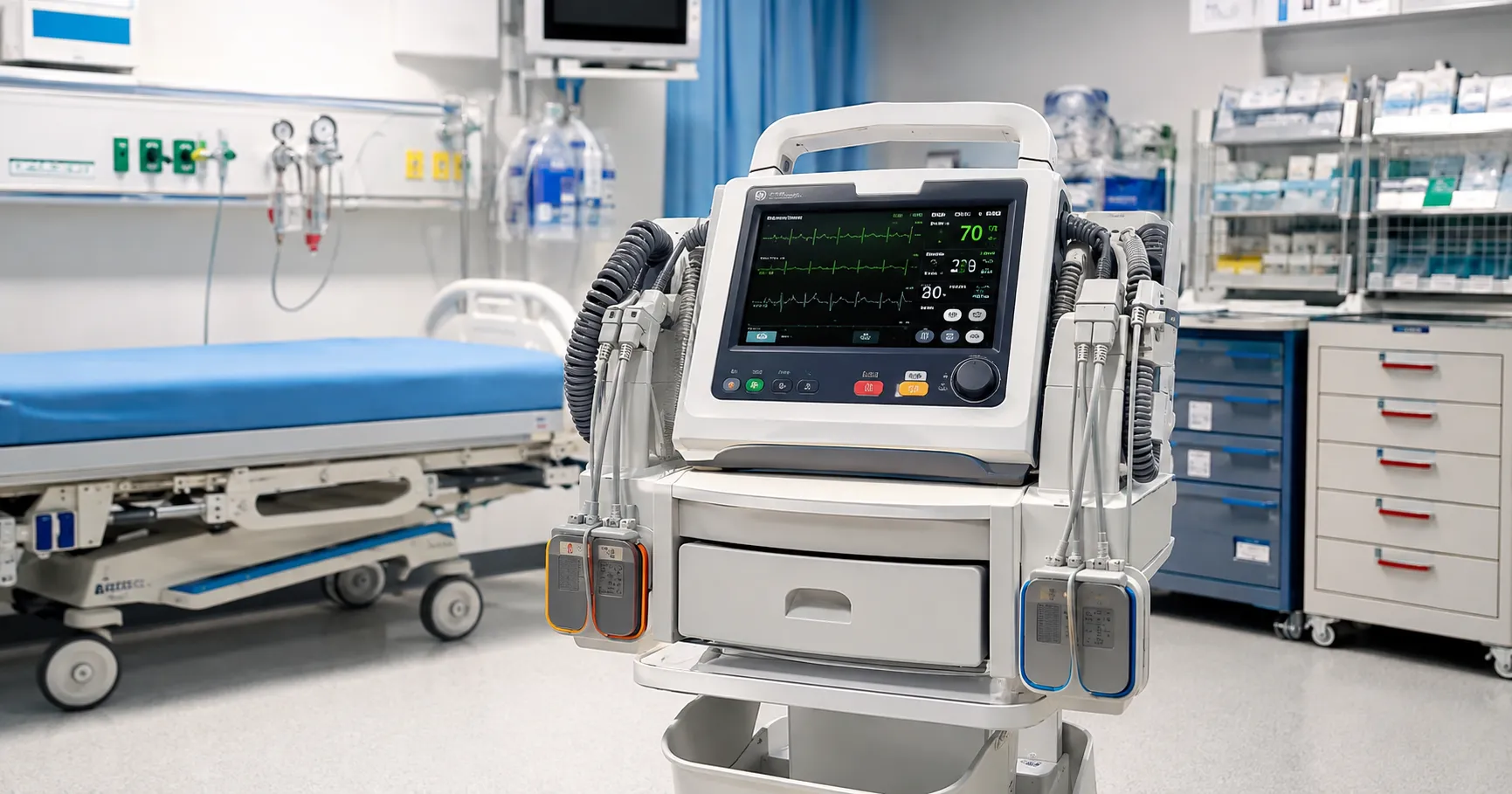
Choosing a defibrillator for an emergency department is a decision where reliability and readiness matter more than almost anything else, because the device must work instantly in the most time-critical moments. The right defibrillator gives the resuscitation team the capability, clarity and dependability they need when seconds count. Some departments review defibrillators for buyers on Medigear.uk as part of planning.
Defibrillators vary in their modes, monitoring, energy levels, and features, so an emergency department must match the device to how it works and the patients it treats—understanding these differences before choosing leads to a defibrillator that supports rapid, confident resuscitation rather than one that hinders it.
This guide sets out what to weigh when choosing a defibrillator for emergency department use, from modes and monitoring to readiness, usability and data, so a department can choose a device it can rely on.
Why the right defibrillator matters
A defibrillator is used in the most urgent situations a department faces. Hence, its readiness, reliability, and ease of use are matters of direct survival, and any hesitation or failure can waste precious time. The right defibrillator lets the team act instantly and confidently, with modes and monitoring to support resuscitation needs, while a poor fit slows the team when speed matters most. Choosing well means matching the device to the demands of emergency care.
What to weigh when choosing a defibrillator
Manual and advisory modes
Consider the modes the defibrillator offers, since an emergency department needs manual control for skilled clinicians and may value advisory features for less experienced users. A device with the modes the department needs supports its whole team. The mode range shapes how the device is used. Buyers can also ask the Medigear.uk team about defibrillators.
Monitoring and pacing
Weigh the monitoring and pacing provided by the defibrillator, because resuscitation often requires rhythm monitoring and external pacing alongside defibrillation. A device that integrates these supports comprehensive emergency care. Integrated monitoring and pacing add real value.
Energy and waveform
Consider the device's energy delivery and waveform, since effective defibrillation depends on delivering appropriate energy reliably. A defibrillator that delivers dependable, effective shocks is central to resuscitation. Energy delivery is fundamental to the device.
Readiness and self-testing
Examine how the defibrillator maintains its readiness and shows it is ready, because a device that is not ready when needed is worse than useless. Automatic self-testing and clear readiness indicators are essential in an emergency setting. Readiness is a defining requirement of an emergency defibrillator.
Usability under pressure
Weigh how easy the defibrillator is to use in a crisis, since clear controls and displays matter enormously when a team is working at speed under stress. An intuitive device under pressure supports fast, safe resuscitation. Usability in an emergency is a genuine clinical feature.
Battery and portability
Consider the device's battery life and portability, since a defibrillator must be ready wherever it is needed and continue working during resuscitation and any transfer. Dependable battery performance and portability keep the device usable everywhere. Portability matters in a busy department.
Data recording
Weigh how the defibrillator records the resuscitation, since data on rhythms, shocks and timing supports review and learning. A device that records events well supports quality improvement. Data recording adds lasting value beyond the moment.
Durability and support
Examine the device's durability and the support behind it, since an emergency defibrillator is handled hard and must remain dependable and backed by responsive service. A robust, well-supported device stays ready over years. Durability and support are central to the choice.
Readiness above all
The single most important quality of an emergency defibrillator is that it is always ready, because it is called upon without warning in situations where delay endangers lives. Self-testing, clear readiness indicators and dependable batteries all serve this overriding need. A department chooses a defibrillator that it can trust to work the instant it is needed.
Speed and clarity in a crisis
In a resuscitation, a team works at speed under great pressure, so a defibrillator must be clear and quick to use, with controls and displays that guide rather than confuse. Clarity under pressure reduces error and saves time. A device designed for the crisis supports the team when it matters most.
Matching the device to the team
An emergency department has staff with varying levels of experience, so a defibrillator is chosen to suit the whole team, offering manual control for the skilled and support for the less experienced. Matching the device to the team's needs supports safe use by everyone. Fit to the team is part of choosing well.
Comprehensive resuscitation support
Modern emergency defibrillators do more than shock, offering monitoring, pacing and guidance that support the whole resuscitation, so a department weighs these capabilities together. A device that supports the full resuscitation adds real value. Comprehensive capability strengthens emergency care.
Training and familiarity
A defibrillator is only as effective as the team's familiarity with it, so training and regular practice are part of choosing well, and an easy-to-learn device is a key factor. Familiarity built through training makes a device effective in a crisis. Training and the device go together.
Standardising across the department
Consistency across a department's defibrillators, and with those used elsewhere in the hospital, eases training and safe use, since staff who know one device can use any. A common device reduces error in the moments that matter most. Standardisation supports safe resuscitation.
Maintaining readiness over time
Choosing a defibrillator is only the start, because maintaining its readiness through checks, servicing and battery care is what keeps it dependable. A device with clear self-testing makes it easier to maintain readiness. Sustained readiness is what makes the choice worthwhile.
Data and learning
The data a defibrillator records supports review of resuscitations and learning that improves future care, so a department values good data capture. Turning recorded events into learning strengthens the whole service. Data recording extends a defibrillator's value beyond the individual event.
A checklist before you choose
-
Modes. Confirm manual and any advisory modes your team needs
-
Monitoring. Check rhythm monitoring and pacing where required
-
Readiness. Confirm self-testing and clear readiness indicators
-
Usability. Ensure the device is clear under pressure
-
Battery. Confirm dependable battery and portability
-
Support. Weigh durability and responsive servicing
Planning a defibrillator purchase
A department planning a defibrillator purchase starts with how it works and the patients it treats, then matches the device's modes, monitoring, readiness, and usability to them, weighing reliability and readiness above all. Because the device is used when seconds count, the choice is made carefully and, where possible, evaluated in practice.
It also helps to plan for training, checks and servicing from the outset, and to consider standardisation across the department and hospital, so the defibrillator stays ready throughout its life. A defibrillator chosen and maintained thoughtfully supports confident resuscitation for years.
Choosing a device you can rely on
Choosing a defibrillator for emergency department use comes down to matching its modes, monitoring, readiness and usability to the department's needs, with reliability and readiness weighed above all. A department that describes its own way of working, evaluates in practice, plans for training, and maintains readiness chooses a defibrillator it can rely on when it matters most.
Pads, accessories and readiness
A defibrillator depends on the pads, cables and accessories that go with it, so a department checks that these are dependable, compatible and always in stock, since a device with no pads to hand is no use in a crisis. Considering the accessory supply and how it is kept ready is part of choosing a defibrillator that will actually work when needed. A device is only as ready as the consumables beside it. Reliable accessory supply is part of true readiness.
Placement across the department
Where defibrillators are placed across an emergency department shapes how quickly one can reach a patient, so the department plans both the devices and their placement together. Enough devices, sensibly located and clearly signed, mean one is always within reach. Considering placement alongside device choice ensures speed in a crisis. The best defibrillator still depends on being within reach when the moment comes.
Working with the wider resuscitation kit
A defibrillator is used alongside the wider resuscitation trolley and airway and drug equipment, so it is chosen to work well within that whole setup rather than in isolation. A device that integrates with the department's resuscitation kit supports a smooth, coordinated response. Considering the defibrillator as part of the overall resuscitation setup leads to a more cohesive emergency response. The device serves best as one dependable part of a ready resuscitation system. Departments often supply defibrillators from suppliers on Medigear.uk for their service.
Servicing and safety
A defibrillator is used in life-threatening emergencies, so readiness checks, servicing and battery care are essential to keep it dependable. Staff should also know how to use the MHRA's Yellow Card scheme to report device problems if a defibrillator is found faulty.
Choosing a defibrillator in short
The right emergency defibrillator matches its modes, monitoring, readiness and usability to the department, with reliability and readiness weighed above all. Describing the department's way of working, evaluating in practice, and planning for training and maintaining readiness led to a device the team can rely on. Chosen this way, a defibrillator supports resuscitation.
This guide offers general procurement guidance on choosing a defibrillator and is not clinical advice; local policy and manufacturer instructions always take precedence.