Good clinical outcomes are built at the bedside, and a wide range of patient care devices helps get there: catching deterioration early, supporting breathing, protecting skin, delivering medication safely, and keeping patients comfortable. These are the devices that quietly shape how well a patient recovers.
What links them is not the specialty but the goal: safer, more comfortable care that gives patients the best chance of a good result. Seeing them grouped by the outcome they support helps a ward understand where its everyday devices are making a difference.
The fifty patient care devices below are grouped into five areas of ten by the aspect of care they support, from monitoring to comfort. Grouping them this way keeps the focus on what each device is for rather than simply what it is. It also keeps buying decisions anchored to patients rather than to the pull of the latest catalogue.
How the fifty devices group together
The devices fall into five areas: monitoring and early warning, respiratory support, mobility and pressure care, infusion and medication, and hygiene, safety and comfort. Each supports a different part of keeping a patient safe and well.
Monitoring and early warning
Spotting deterioration early is one of the strongest levers on outcomes. This area watches the patient closely. Catching a change early is one of the strongest things a ward can do, so this area is used constantly.
-
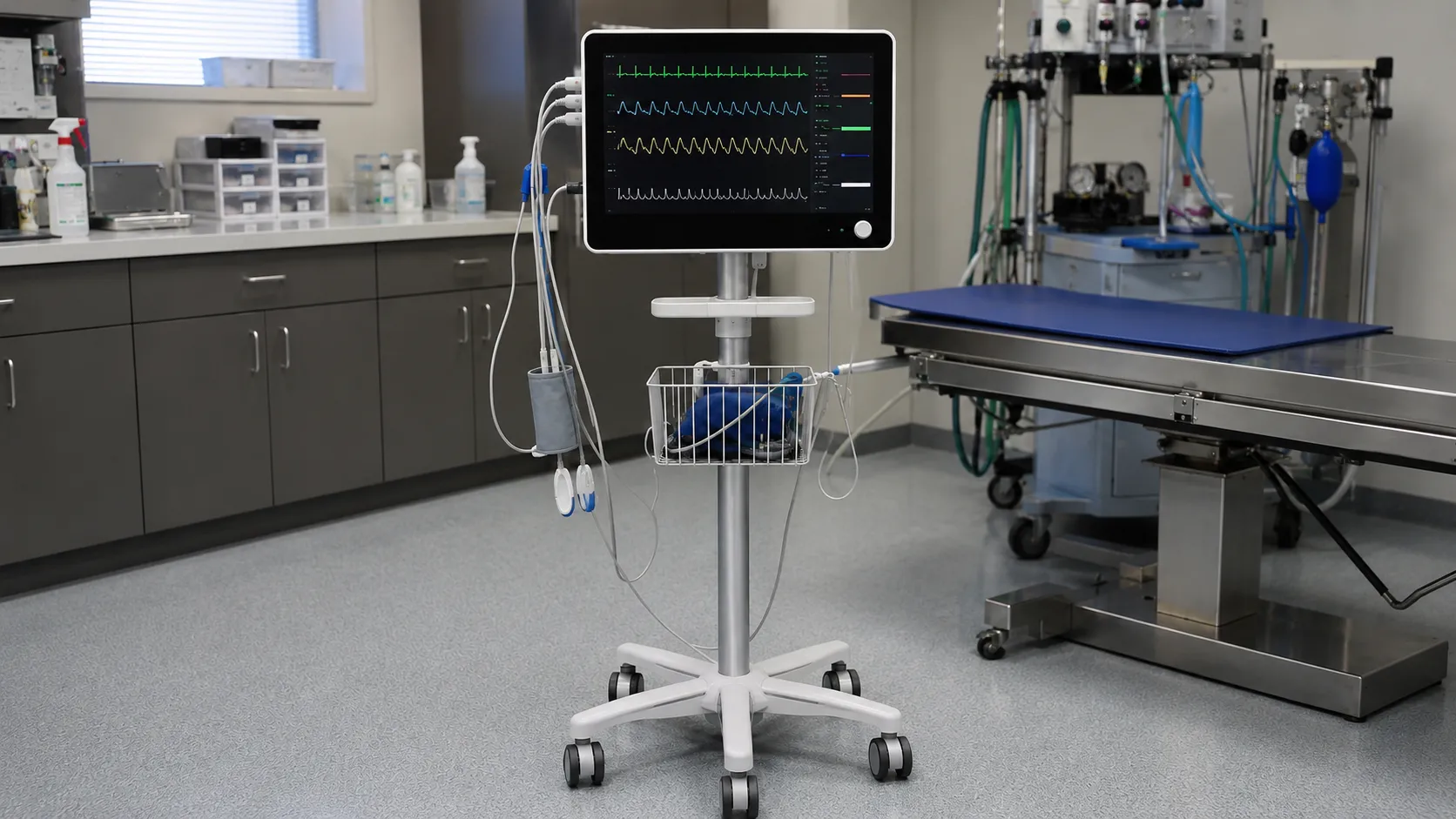
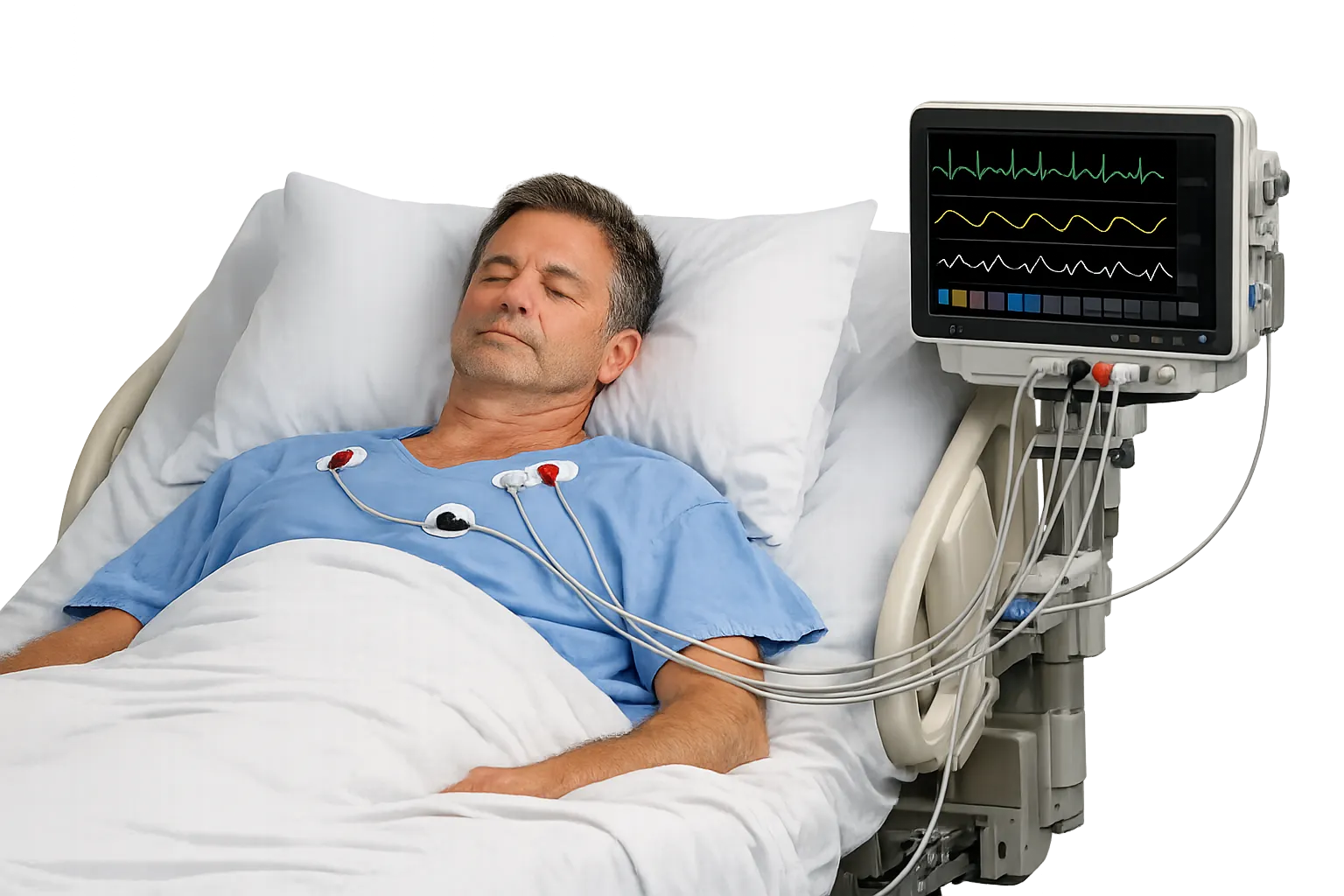
Multiparameter monitors — tracking several vital signs at once.
-
Pulse oximeters — reading oxygen levels continuously.
-
Blood pressure monitors — following pressure over time.
-
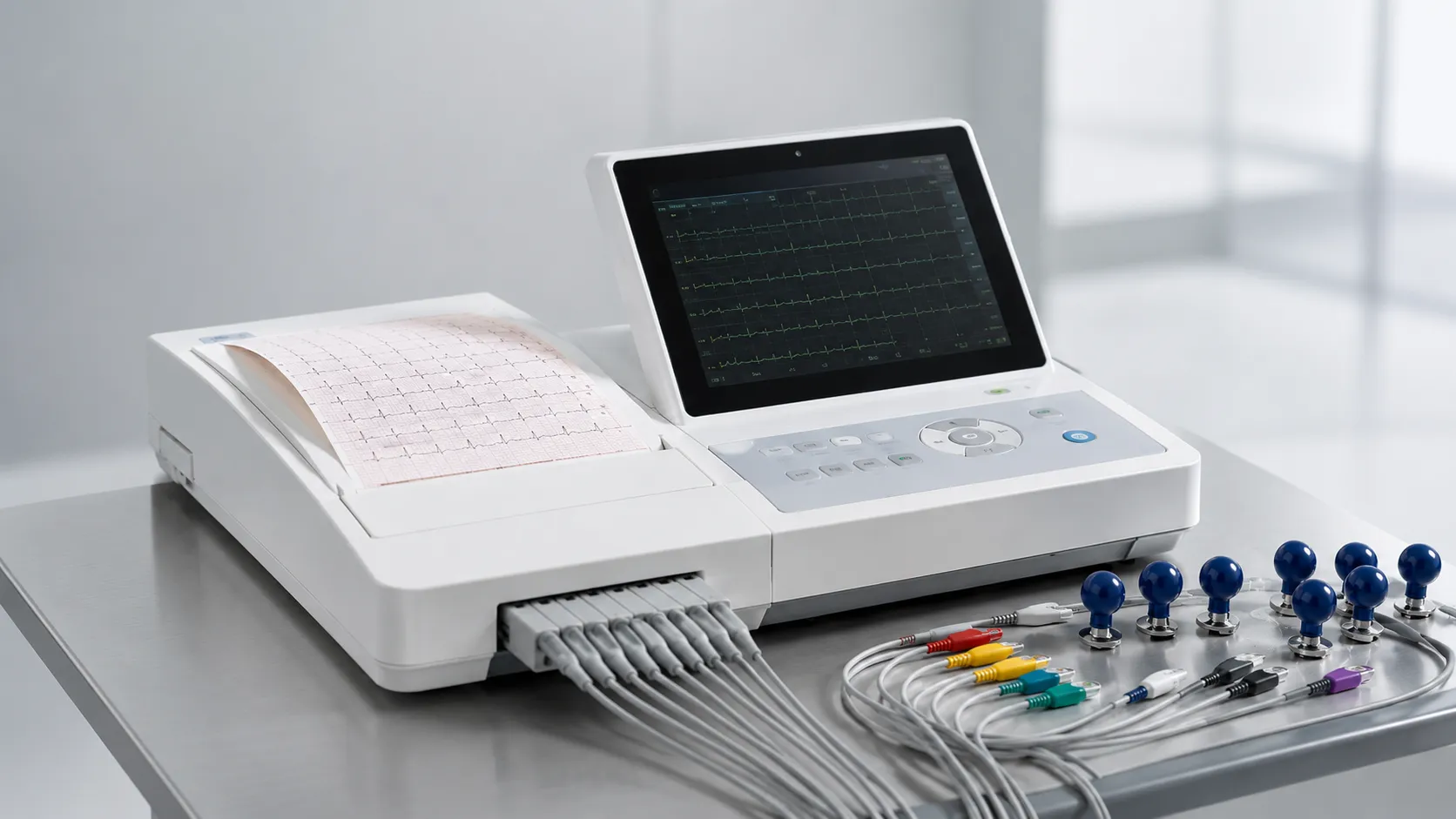
Cardiac telemetry — watching heart rhythm remotely.
-
Capnography — measuring exhaled carbon dioxide.
-
Temperature monitors — flagging fever or cooling.
-
Early warning systems — scoring signs to prompt review.
-
Central monitoring stations — viewing many patients together.
-
Spot-check monitors — quick rounds of observations.
-
Bladder scanners — checking retention without a catheter.
Respiratory support
Breathing problems can turn serious quickly, so support here matters. This area helps patients breathe. Breathing can deteriorate fast, so dependable support here saves real harm.
-
Oxygen concentrators — supplying oxygen at the bedside.
-
CPAP devices — keeping airways open under pressure.
-
High-flow oxygen systems — delivering warmed, humidified oxygen.
-
Nebulisers — turning medicine into an inhaled mist.
-
Suction units — clearing secretions from the airway.
-
Incentive spirometers — encouraging deep breaths after surgery.
-
Humidifiers — easing dry airways during oxygen therapy.
-
Peak flow meters — tracking airway narrowing.
-
Oxygen masks and cannulae — delivering oxygen comfortably.
-
Portable ventilators — supporting breathing on the move.
Mobility and pressure care
Keeping patients moving and protecting their skin prevents real harm. This area supports safe movement. Keeping patients moving safely prevents falls and pressure damage alike, so this area earns its place.
-
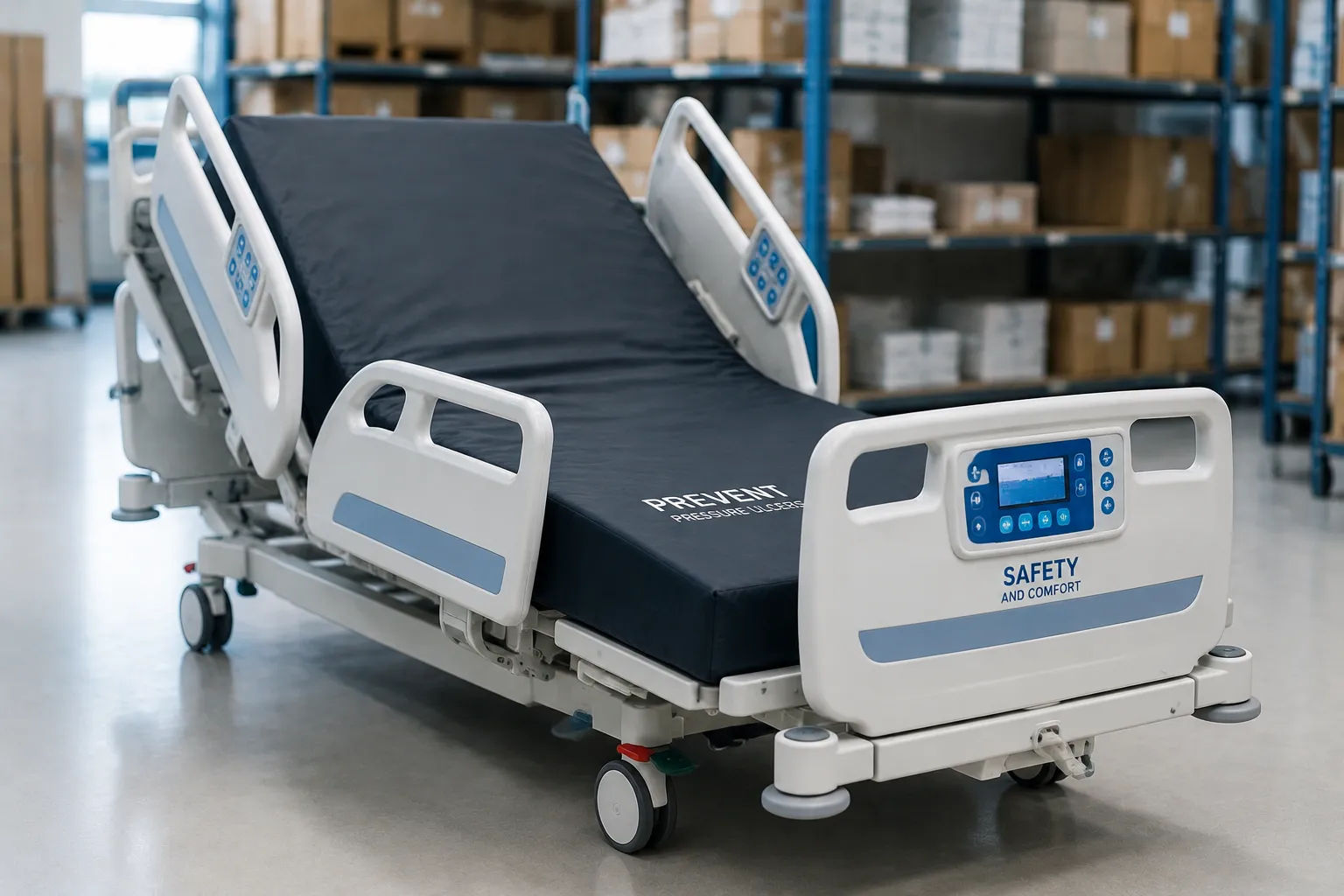
Pressure-relieving mattresses — protecting skin from pressure.
-
Repositioning aids — helping turn patients safely.
-
Patient hoists — lifting patients who cannot bear weight.
-
Slide sheets — moving patients with less strain.
-
Walking frames — supporting early mobility.
-
Wheelchairs — moving patients around safely.
-
Fall-prevention sensors — alerting staff to movement.
-
Bed safety systems — reducing the risk of falls.
-
Heel protectors — guarding vulnerable pressure points.
-
Transfer boards — bridging bed-to-chair moves.
Infusion and medication
Getting the right drug and fluid safely is central to recovery. This area supports safe delivery. Getting the right drug and fluid safely is central to recovery, so accuracy here is non-negotiable.
-
Infusion pumps — delivering fluids at a controlled rate.
-
Syringe drivers — giving small, precise drug doses.
-
PCA pumps — letting patients manage their own pain relief.
-
Enteral feeding pumps — delivering nutrition steadily.
-
Dispensing systems — controlling and tracking medicines.
-
IV stands — holding infusions at the bedside.
-
Fluid warmers — warming fluids before they are given.
-
Infusion alarms — flagging problems with delivery.
-
Medicine trolleys — organising a safe drug round.
-
Barcoded administration — matching the drug to the patient.
Hygiene, safety and comfort
Comfort, dignity and hygiene shape both recovery and experience. This area looks after the patient as a person. Comfort and dignity are part of recovery, not extras, so this area looks after the whole person.
-
Hand hygiene stations — supporting infection prevention.
-
PPE dispensers — protective equipment where it is needed.
-
Warming blankets — keeping patients comfortably warm.
-
Continence products — supporting dignity and skin health.
-
Pressure cushions — easing pressure while seated.
-
Nurse-call systems — letting patients summon help.
-
Bed-exit alarms — flagging when a patient gets up.
-
Cooling devices — managing fever comfortably.
-
Wound care systems — supporting healing.
-
Positioning pillows — holding patients comfortably.
Choosing for outcomes
Patient care devices earn their place by improving outcomes, so the useful question is not simply what a device does but what difference it makes to safety, recovery and comfort. Choosing around the aspects of care a ward most needs to strengthen keeps the focus where it belongs, on the patient rather than the catalogue. That test keeps a device list honest as new options appear. Wards frequently find suppliers of patient care devices on Medigear.uk chosen around the care they most need to strengthen.
Reliability and familiarity matter especially here, because these devices are used constantly by many hands. Standardising models and training staff well means the devices help rather than hinder, and that a monitor or pump behaves the same way on every shift. Phasing purchases around the wards that would gain most keeps the focus on real clinical benefit.
Devices and the whole team
Bedside devices only improve outcomes when the whole team can use them confidently, so training, familiarity and consistent models matter as much as the technology. A ward where every nurse knows exactly how the pumps and monitors behave responds faster and more safely than one juggling several unfamiliar systems, which is a strong argument for keeping equipment consistent. It also shortens the learning curve for new and temporary staff, who meet the same familiar devices wherever they work. Many teams see how ward buyers source devices through Medigear.uk as they standardise models across a ward.
Points to weigh before buying
-
Outcome. Focus on the difference to patients.
-
Reliability. Choose devices staff can depend on.
-
Familiarity. Standardise models where possible.
-
Training. Plan training for every user.
-
Safety. Confirm alarms and safe defaults.
Small devices, large effect
Some of the biggest gains in outcomes come from unglamorous equipment: a pressure mattress that prevents a sore, a bed-exit alarm that prevents a fall, a warming blanket that steadies a patient after surgery. Judging devices by the harm they quietly prevent, rather than by how impressive they look, keeps a ward focused on what really helps.
Consistency across the ward
Where the same monitors, pumps and beds appear across a ward, staff move between patients without pausing to relearn a device. That consistency is itself a safety feature, because a familiar alarm or control is one less thing to get wrong on a busy shift, which is a strong reason to standardise wherever it is practical. Fewer variations mean fewer surprises on the days that count.
Servicing and safety
These devices support patients directly, so maintenance, safety testing and staff training keep them dependable, with alarms and safety features checked regularly. It also helps the team to keep an eye on the MHRA, which sets the safety expectations bedside devices are held to.
Better outcomes in short
Better outcomes are built from many small, reliable acts of care, and the right devices make each of them safer and easier. Grouping the fifty patient care devices by the outcome they support, choosing for reliability and training staff well turn a long list into a real contribution to recovery. Used this way, patient care devices help patients get better, safely and comfortably. Chosen for the difference they make and used by a confident team, they turn everyday care into better recovery. In the end, that is the measure that matters most in care. Manufacturers of these devices can also reach healthcare buyers for your devices via Medigear.uk.
This article provides general procurement guidance for healthcare organisations and is not clinical advice; manufacturer instructions and local clinical policy always take precedence.