A busy dental practice runs on a deep shelf of dental products, from the mirror in every examination to the sterilisation pouches in the back room. Running out of the right item mid-procedure is exactly what a well-stocked practice avoids, so knowing the core products is the first step to a reliable stock list.
Because dental work moves quickly from examination to treatment, it helps to think about products by the stage of care they belong to rather than as one long list. That way a practice can see at a glance whether each type of appointment is fully supported.
The fifty dental products below are grouped into ten areas of five, following a practice from examination through the main types of treatment to infection control and consumables. Grouping them this way mirrors how a surgery actually works, appointment by appointment. It also makes gaps obvious, since an area that is thin on the shelf is an appointment type the practice cannot fully support.
The ten product areas
The products fall into ten areas: examination and diagnostics, handpieces and rotary, restorative materials, impression and prosthetics, endodontics, anaesthesia and pain control, preventive and hygiene, infection control, consumables and disposables, and curing and finishing.
Examination and diagnostics
Every appointment begins with a careful look. This area supports examination and assessment. A thorough look guides everything that follows, so these products are in constant use.
-
Dental mirrors — viewing and reflecting light around the mouth.
-
Explorers and probes — checking teeth for decay and defects.
-
Periodontal probes — measuring gum pocket depth.
-
Intraoral cameras — showing patients what the dentist sees.
-
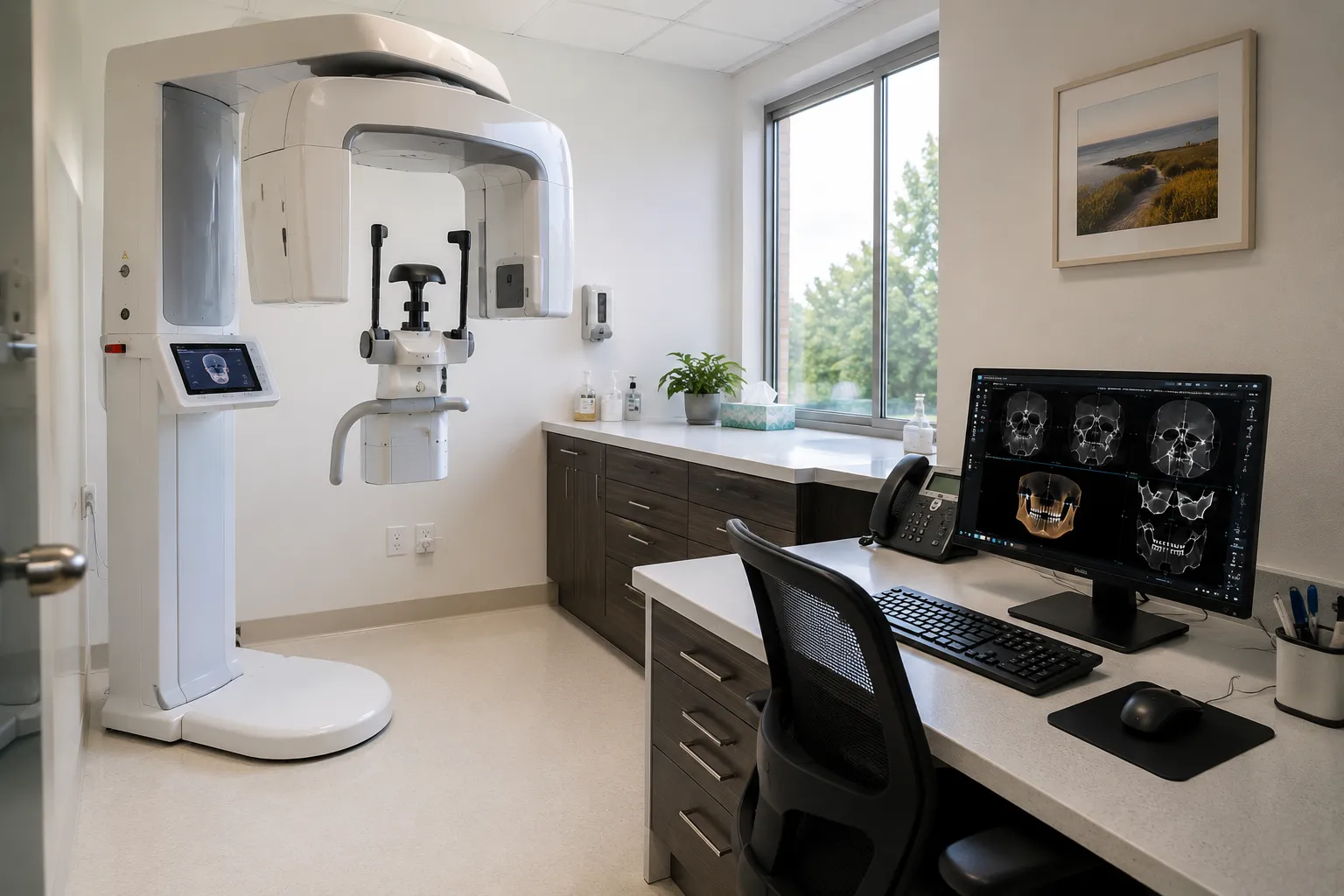
X-ray sensors — capturing digital dental images.
Handpieces and rotary
Preparing and shaping teeth relies on rotary instruments. This area covers the working tools. These are the workhorses of the surgery, so quality and reliability are worth attention.
-
High-speed handpieces — cutting and preparing teeth.
-
Low-speed handpieces — polishing and slower work.
-
Contra-angle attachments — reaching awkward angles.
-
Prophy angles — polishing during cleaning.
-
Assorted burs — cutting, shaping and finishing.
Restorative materials
Repairing teeth needs a range of reliable materials. This area stocks the fillings and bonding. Repairing teeth is daily work, so a dependable range of materials is always to hand.
-
Composite resins — tooth-coloured fillings.
-
Glass ionomer cements — bonding and restoring.
-
Bonding agents — attaching restorations to teeth.
-
Etching gels — preparing the tooth surface.
-
Restorative liners — protecting the tooth beneath.
Impression and prosthetics
Crowns, dentures and appliances start with an accurate impression. This area supports that work. An accurate impression is the foundation of good prosthetic work, so materials here are chosen with care.
-
Impression trays — holding material against the teeth.
-
Alginate — quick impressions for models.
-
Silicone impression material — detailed, stable impressions.
-
Bite registration material — recording how teeth meet.
-
Model stone — casting working models.
Endodontics
Root canal treatment has its own specialist products. This area supports endodontic work. Root canal work is exacting, so its specialist products are kept complete and current.
-
Endodontic files — cleaning and shaping root canals.
-
Gutta-percha points — filling prepared canals.
-
Root canal sealers — sealing the filled canal.
-
Apex locators — measuring canal length.
-
Irrigation solutions — flushing and disinfecting canals.
Anaesthesia and pain control
Comfortable treatment depends on good pain control. This area keeps it stocked. Comfortable treatment depends on this area, so it is never allowed to run low.
-
Anaesthetic cartridges — local anaesthetic for procedures.
-
Aspirating syringes — delivering anaesthetic safely.
-
Assorted needles — matching the injection site.
-
Topical anaesthetic gel — numbing before an injection.
-
Safety needle systems — reducing needlestick risk.
Preventive and hygiene
Prevention and cleaning are a growing part of dentistry. This area supports hygiene appointments. Prevention is a growing part of dentistry, so hygiene products see steady, heavy use.
-
Prophylaxis paste — cleaning and polishing teeth.
-
Fluoride varnish — strengthening enamel.
-
Fissure sealants — protecting grooved surfaces.
-
Scaling tips — removing hardened deposits.
-
Polishing cups and brushes — finishing the clean.
Infection control
Safe dentistry depends on rigorous infection control. This area keeps the surgery clean. Safe dentistry stands on infection control, so these products are treated as essential, not optional.
-
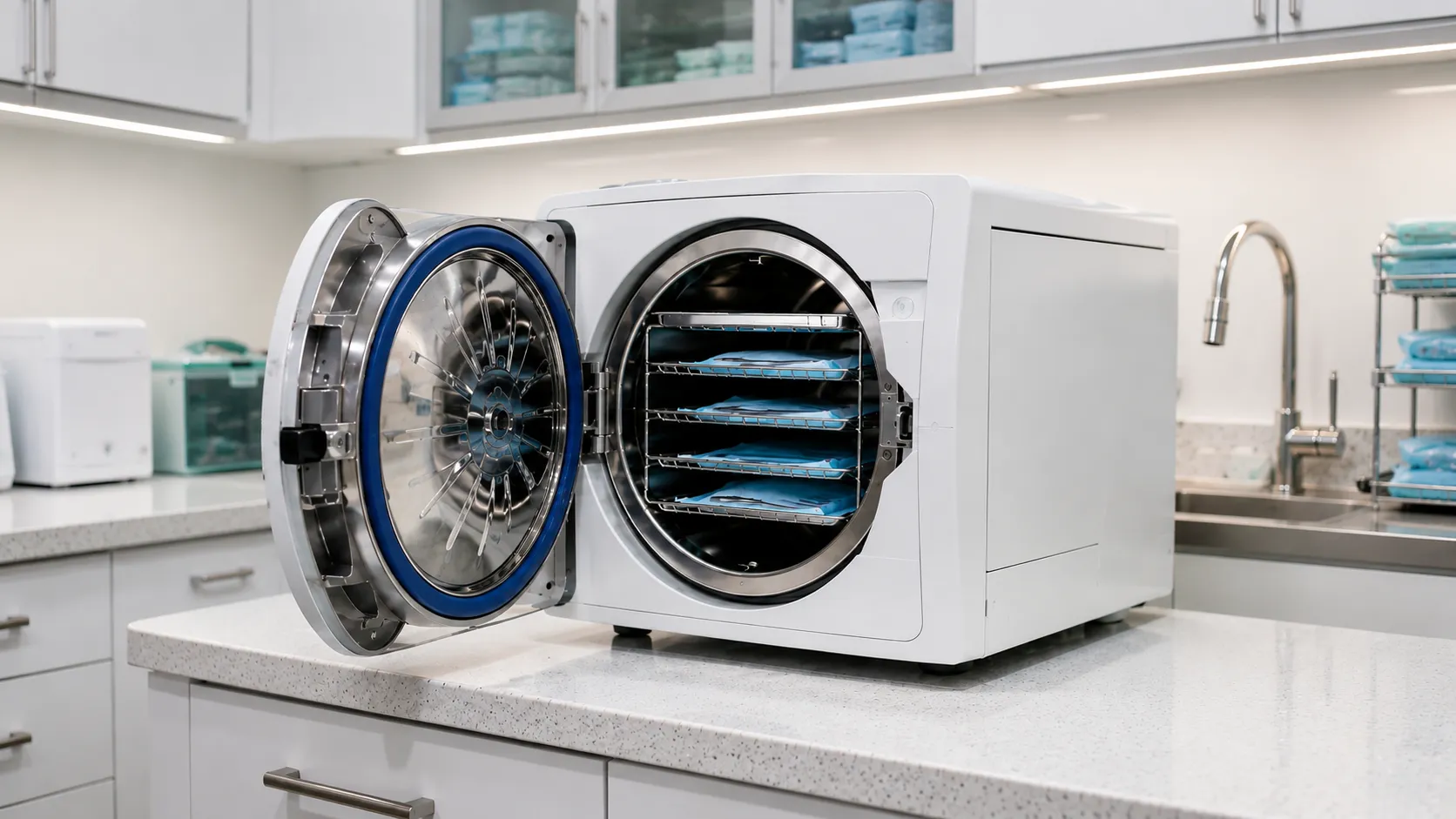
Benchtop steriliser — sterilising instruments between patients.
-
Sterilisation pouches — keeping instruments sterile.
-
Surface disinfectants — cleaning between appointments.
-
Barrier films — protecting surfaces from contamination.
-
Instrument cassettes — reprocessing sets safely.
Consumables and disposables
Single-use items are the quiet backbone of every appointment. This area never runs dry. These single-use items disappear fastest of all, so reorder levels really matter here.
-
Cotton rolls — keeping the field dry.
-
Gauze — absorbing fluid and controlling bleeding.
-
Saliva ejectors — clearing saliva from the mouth.
-
Disposable bibs — protecting the patient.
-
Examination gloves — protecting patient and clinician.
Curing and finishing
Setting and finishing restorations completes the work. This area equips the final steps. Finishing the work well is what patients remember, so these products complete every restoration.
-
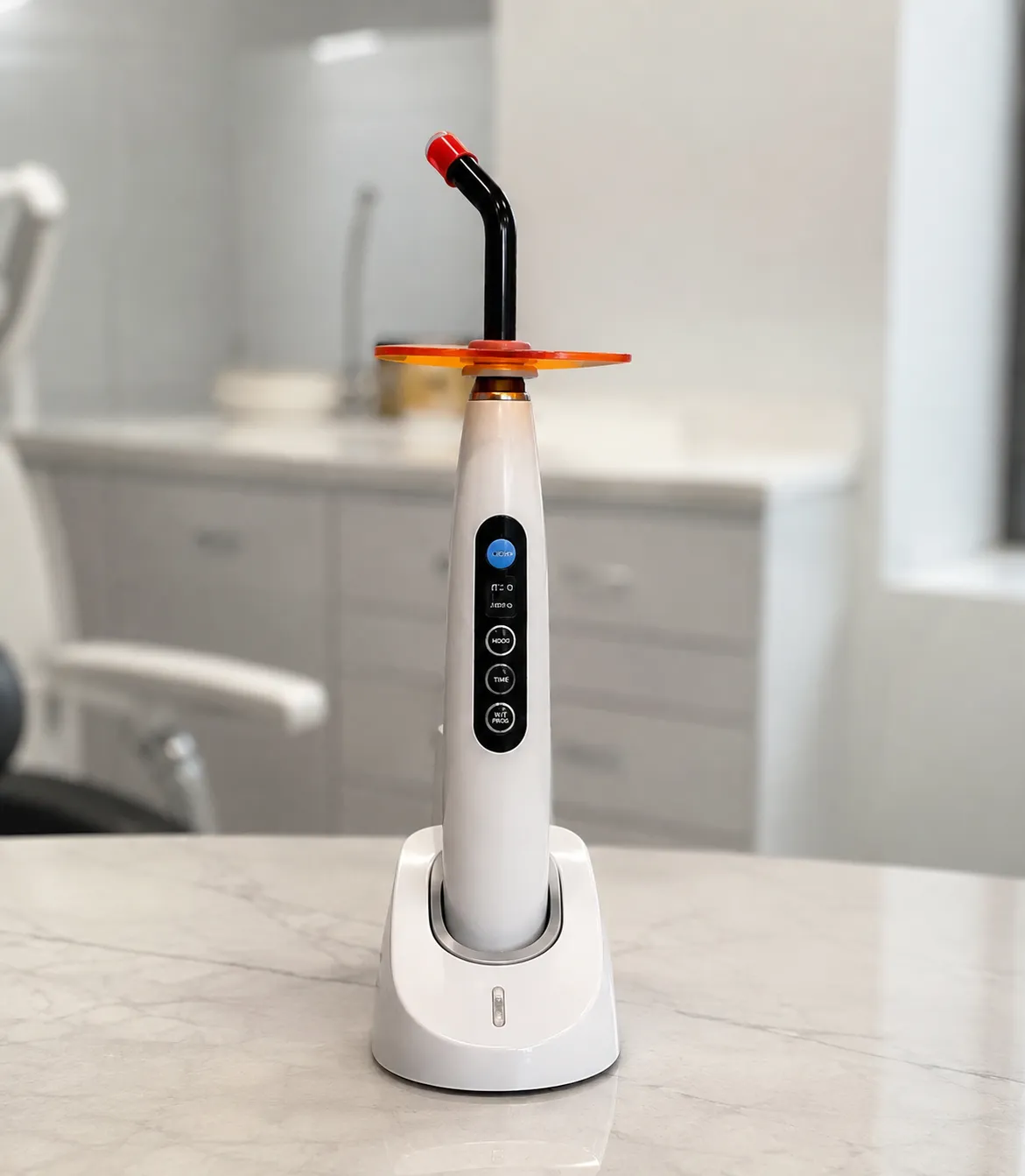
Curing lights — setting light-cured materials.
-
Finishing discs — smoothing restorations.
-
Matrix systems — shaping fillings between teeth.
-
Articulating paper — checking the bite.
-
Ultrasonic scalers — removing deposits efficiently.
Keeping a practice stocked
A modern practice keeps its dental products stocked around the appointments it actually offers, so examination, restorative, endodontic and hygiene work are all fully supported without shelves of items that rarely move. Practices usually browse dental product suppliers on Medigear.uk to keep a consistent, well-stocked shelf. Because so many products are single-use, sensible reorder levels keep the surgery running without the scramble of a last-minute shortage.
Quality and consistency matter here, since a familiar material behaves predictably in a clinician's hands. Choosing dependable products and reordering them reliably keeps both the clinical result and the working day smooth. Phasing stock around the appointments a practice runs most often keeps the shelves lean and the surgery ready.
Before you build a stock list
-
Appointments. Match products to the treatments offered.
-
Reorder levels. Set sensible minimums for consumables.
-
Consistency. Keep to materials clinicians trust.
-
Infection control. Stock reprocessing supplies fully.
-
Storage. Store materials as instructed.
Reorder and stock control
The difference between a smooth surgery and a stressful one is often simply stock control. Setting clear reorder levels for the fast-moving consumables, and reviewing them as the practice's work changes, means the right dental products are always on the shelf when a clinician reaches for them, appointment after appointment. A short weekly check of the fast-movers is usually all it takes to stay ahead.
Never running dry
The products that cause the most disruption when they run out are usually the most ordinary: gloves, gauze, cotton rolls, sterilisation pouches. A practice that watches these fast-moving basics as closely as its headline materials rarely has to pause an appointment, which is exactly the kind of quiet reliability a modern surgery is built on. It is the least visible discipline in a practice and one of the most valued of all.
Servicing and safety
Dental products and the equipment that uses them must be safe and properly reprocessed, so following manufacturer instructions, storage guidance and sterilisation routines is essential. If a product or device is ever found faulty, the team should know how to report a problem to the MHRA so it can be investigated.
The stock list in short
A modern dental practice runs smoothly when its products are complete, consistent and always in stock. Grouping the fifty dental products by the stage of care they support, matching them to the appointments offered and controlling reorders turns a long list into a dependable stock plan. Managed this way, the dental products keep every appointment running as it should. Complete, consistent,t and well controlled, the stock quietly supports every clinician. Day in and day out, that steadiness is what patients feel. To talk through a stock list, it is simple to get in touch with Medigear.uk about stocking a practice.
Everything here is general procurement guidance for dental practices rather than clinical advice; manufacturer instructions, storage guidance and professional judgement always come first.