Infection prevention runs through every corner of a hospital, and it depends on a broad, reliable supply of infection control products. From the hand gel by every bed to the sharps bin in every treatment room, these are the products that keep patients and staff safe from avoidable infection.
For a procurement team, the challenge is less any single product than making sure the whole set is in place, in stock and easy to use everywhere it is needed. A gap here, whether an empty dispenser or the wrong disinfectant, quietly raises risk across a whole site.
The fifty infection control products below are grouped into ten areas of five by their role in prevention, from hand hygiene through cleaning and sterilisation to waste and decontamination. Grouping them this way mirrors how an infection prevention programme is actually organised.
Why infection control is planned as a set
Infection prevention only works when every part is present at once, because the chain is only as strong as its weakest link. Hand hygiene, protective equipment, clean surfaces and safe waste handling all reinforce one another, so a procurement plan treats them as one connected set rather than a series of separate lines. Grouping them this way mirrors how an infection prevention programme is actually organised, area by area.
The ten infection control areas
The products fall into ten areas: hand hygiene, personal protective equipment, respiratory protection, surface cleaning, sterilisation, waste management, isolation, environmental monitoring, skin antisepsis, and spill and decontamination.
Hand hygiene
Clean hands are the single most effective barrier to infection. This area keeps hand hygiene easy and constant. Clean hands prevent more infection than anything else, so this area is placed within easy reach everywhere.
-
Alcohol hand gel — rapid hand disinfection at the point of care.
-
Antibacterial hand wash — thorough washing at sinks.
-
Wall dispensers — gel and soap where hands are used.
-
Hand-drying systems — drying without recontamination.
-
Barrier creams — protecting skin from frequent washing.
Personal protective equipment
Barriers between staff and contamination protect everyone. This area equips routine protection. The right barrier for the task protects staff and patients alike, so a full range is always stocked.
-
Examination gloves — a barrier for everyday care.
-
Surgical gloves — sterile protection for procedures.
-
Aprons — protecting clothing from splashes.
-
Isolation gowns — fuller cover for higher-risk care.
-
Face masks — protecting mouth and nose.
Respiratory protection
Some tasks need protection against airborne risk. This area covers respiratory protection. Airborne risk calls for a higher level of protection, so this area is planned for the tasks that need it.
-
Filtering respirators — protection against fine particles.
-
Fluid-resistant masks — guarding against splashes.
-
Face shields — full-face splash protection.
-
Protective goggles — shielding the eyes.
-
Visors — reusable face protection.
Surface cleaning and disinfection
Clean surfaces break the chain of transmission. This area keeps the environment safe. A clean surface breaks transmission, so these products are used constantly across the day.
-
Disinfectant wipes — quick surface disinfection.
-
Disinfectant sprays — treating larger surfaces.
-
Detergent wipes — routine cleaning before disinfection.
-
Chlorine-releasing agents — dealing with higher-risk spills.
-
Colour-coded cloths — preventing cross-contamination.
Sterilisation and reprocessing
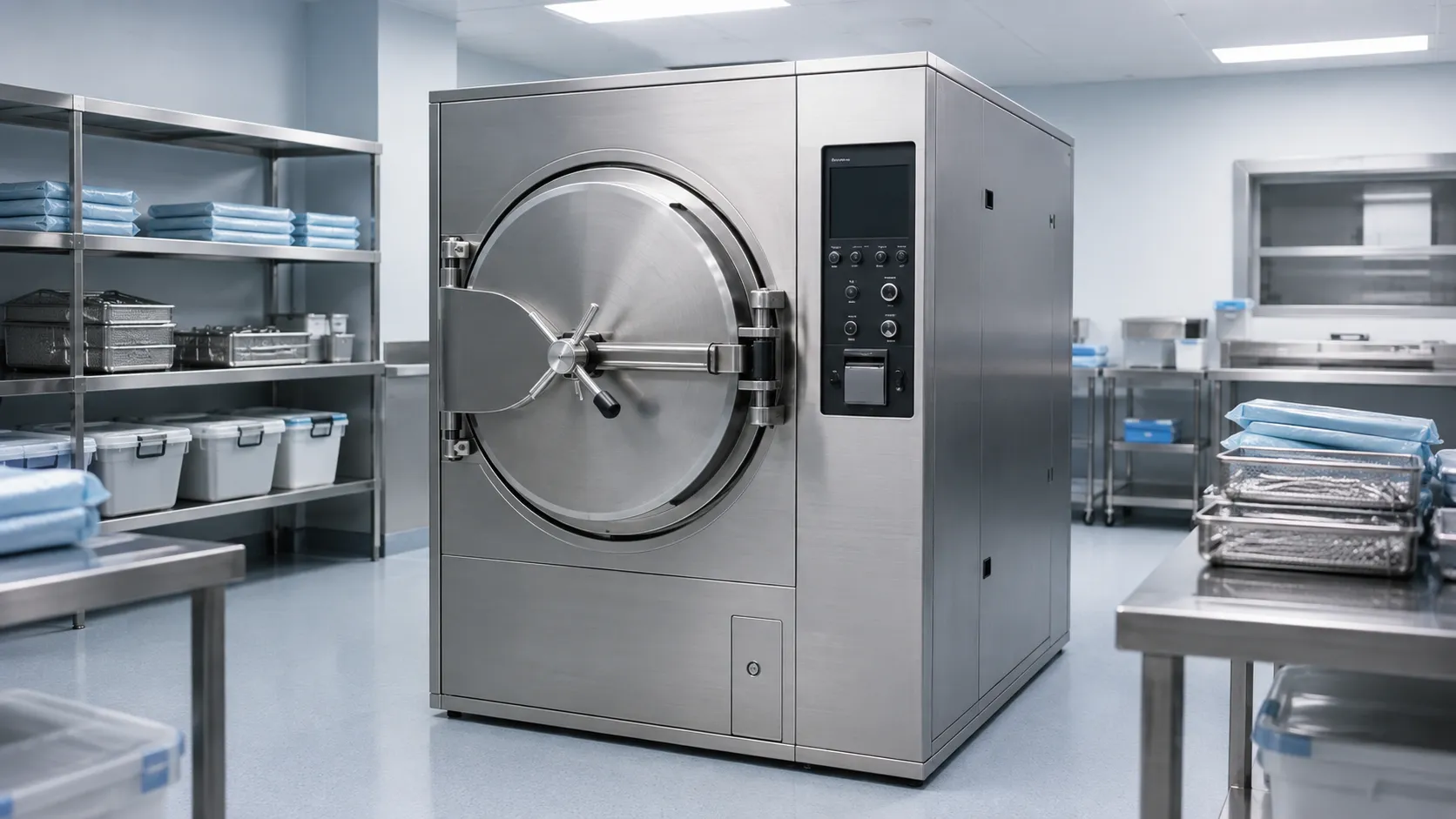
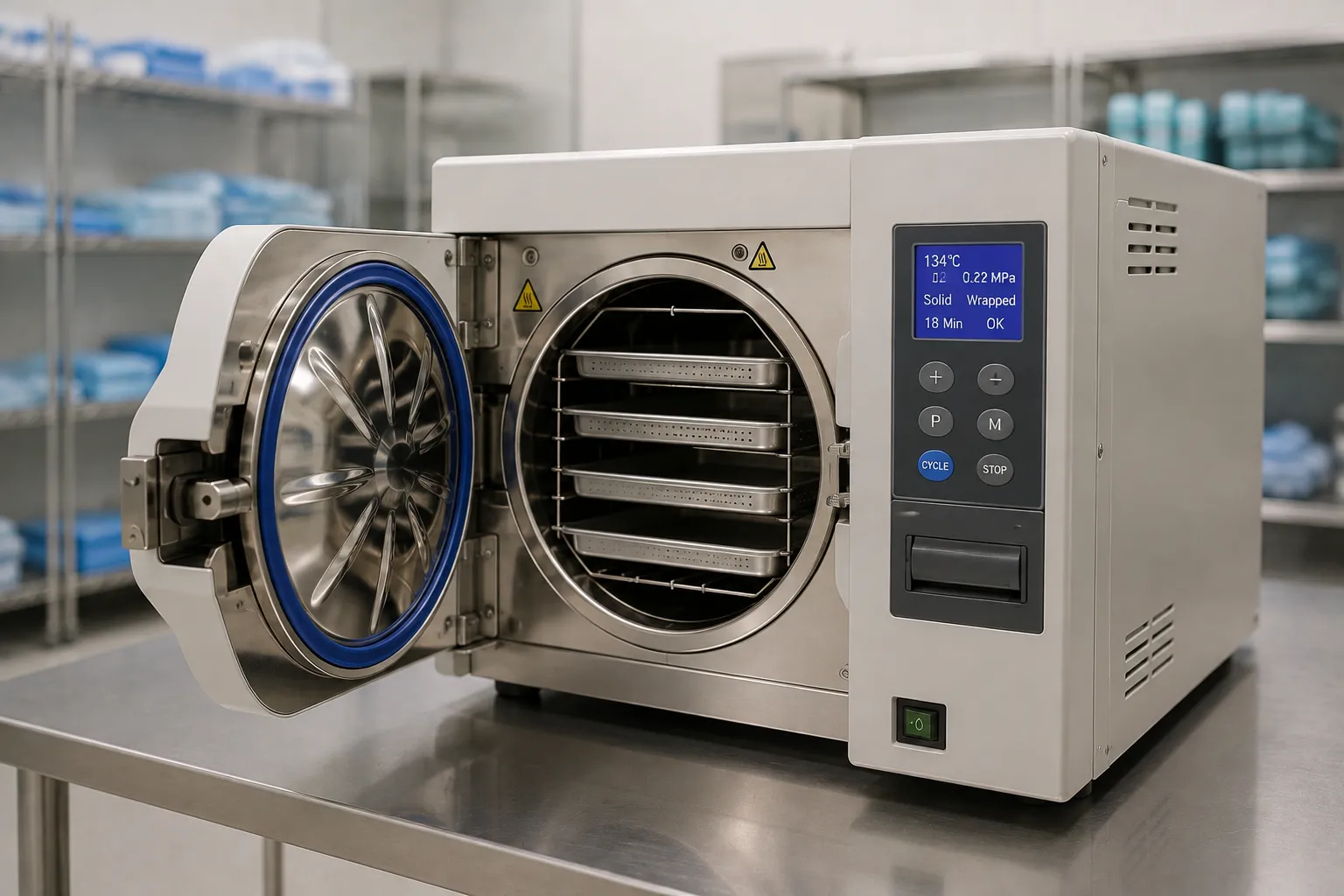
Reusable items must be reprocessed reliably. This area supports safe sterilisation. Reliable reprocessing keeps reusable items safe, so these products support every sterilisation cycle.
-
Sterilisation pouches — sealing instruments after the autoclave.
-
Autoclave indicators — confirming a cycle worked.
-
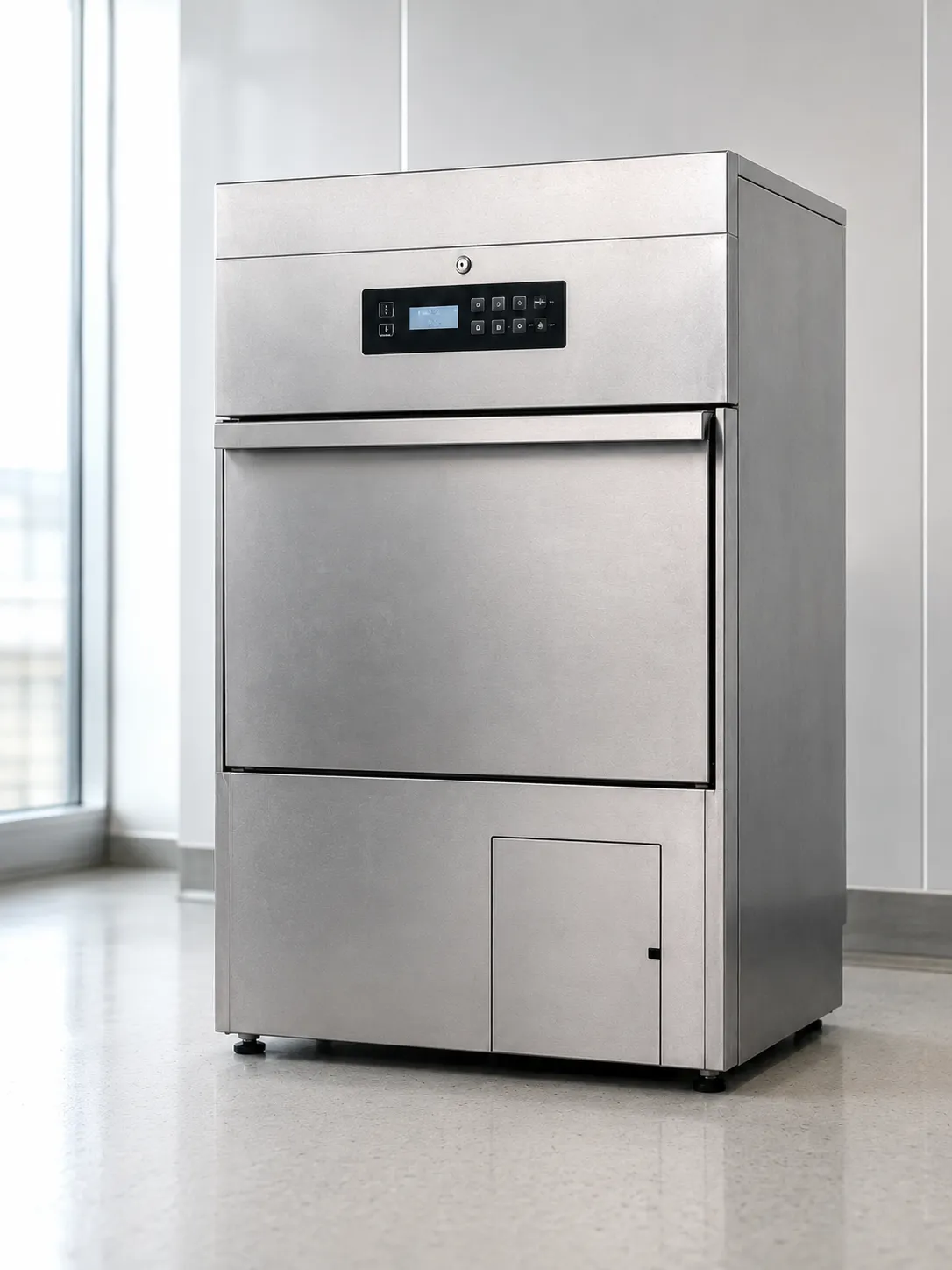
Enzymatic cleaners — loosening soil before sterilising.
-
Reprocessing brushes — cleaning lumens and joints.
-
Instrument trays — organising sets for reprocessing.
Waste management
Safe waste handling protects staff and the public. This area segregates and contains waste. Safe segregation protects staff and the public, so waste products are matched to each waste stream.
-
Clinical waste bags — containing infectious waste.
-
Sharps containers — safe disposal of needles and blades.
-
Pedal bins — hands-free waste disposal.
-
Cytotoxic containers — handling hazardous drug waste.
-
Segregation labels — sorting waste correctly.
Isolation and barrier care
Some patients need care behind extra barriers. This area supports isolation. Extra barriers protect others when a patient is infectious, so this area supports careful isolation.
-
Isolation signage — alerting staff to precautions.
-
Disposable curtains — barriers changed between patients.
-
Barrier films — protecting shared surfaces.
-
Isolation kits — the supplies for barrier nursing.
-
Single-use equipment — avoiding shared-item transmission.
Environmental monitoring
Checking the environment confirms controls are working. This area keeps watch. Checking the environment confirms the controls are working, so this quiet area is worth the effort.
-
Hygiene monitors — checking cleaning was effective.
-
Air quality monitors — watching ventilation.
-
Temperature loggers — confirming safe storage.
-
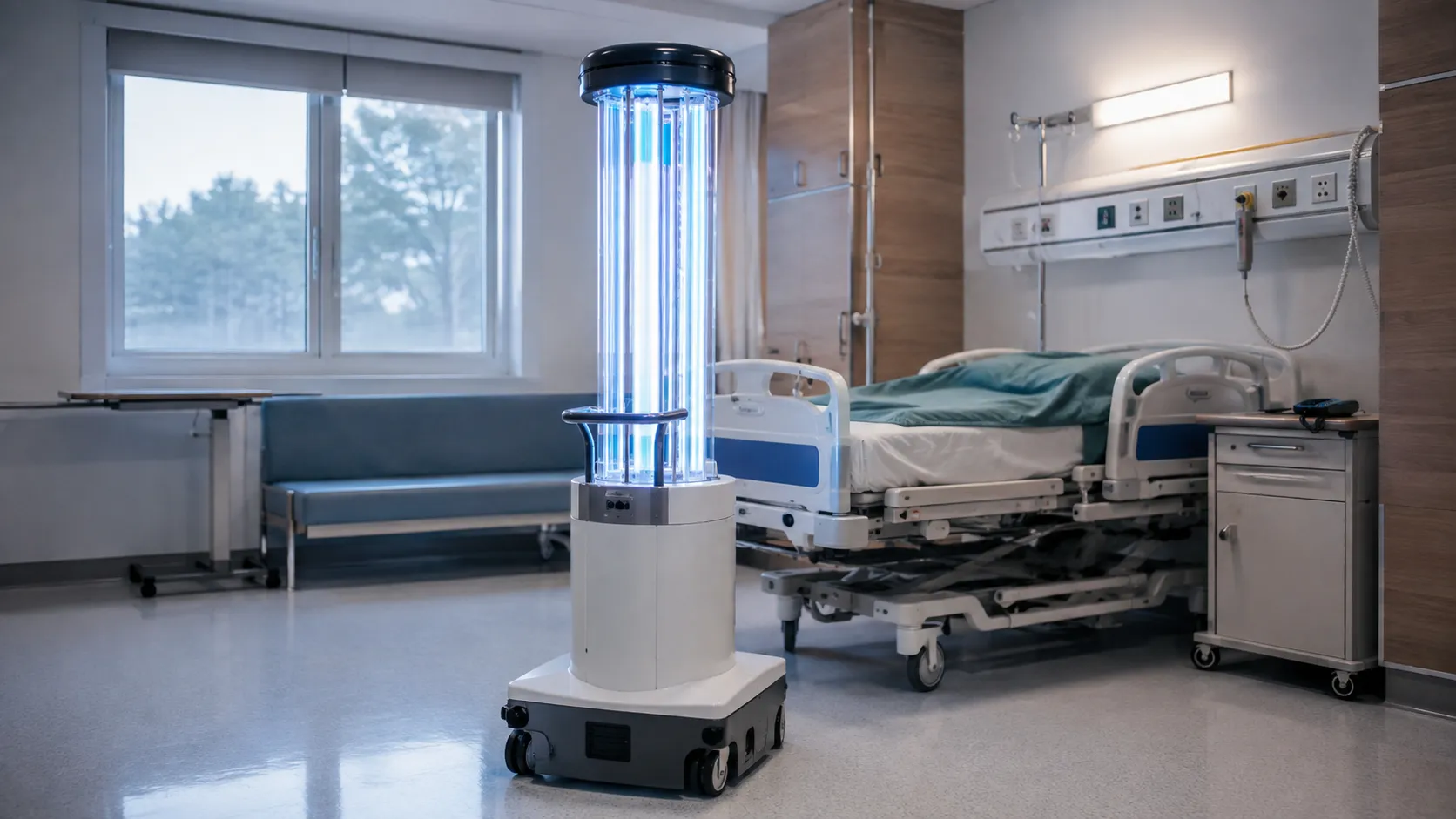
UV disinfection units — supporting terminal cleaning.
-
Fogging systems — decontaminating whole rooms.
Skin and wound antisepsis
Preparing skin safely prevents procedural infection. This area supports antisepsis. Preparing skin safely prevents procedural infection, so antisepsis is treated as essential.
-
Skin antiseptics — preparing skin before procedures.
-
Chlorhexidine wipes — cleaning skin and sites.
-
Alcohol skin prep — disinfecting before injection.
-
Antimicrobial dressings — protecting wounds.
-
Sterile swabs — cleaning and dressing wounds.
Spill and decontamination
Spills must be dealt with quickly and safely. This area supports decontamination. Spills must be dealt with fast and safely, so these kits are kept ready wherever they might be needed.
-
Body fluid spill kits — managing biological spills.
-
Chemical spill kits — handling hazardous spills.
-
Absorbent granules — soaking up liquids safely.
-
Decontamination wipes — finishing a clean-up.
-
Disposal scoops — lifting waste without contact.
Building a resilient supply
Infection control products are used constantly and cannot be allowed to run out, so a resilient supply matters as much as the products themselves. Setting clear stock levels for the fast-moving basics, and holding sensible reserves for a surge in demand, keeps prevention steady even when pressure rises.
Points to confirm before ordering
-
Coverage. Check every area is fully supplied.
-
Compatibility. Confirm products suit local surfaces and policy.
-
Stock levels. Set reorder points for fast-movers.
-
Resilience. Hold reserves for demand surges.
-
Ease of use. Choose products staff will actually use.
Planning infection control procurement
Infection control procurement is best planned around the whole prevention programme, so hand hygiene, protective equipment, cleaning, sterilisation and waste are all covered together and align with local policy. When building that supply, it helps to source infection control products from suppliers on Medigear.uk across every prevention area. Because so many products are single-use and high-volume, reliable supply and sensible stock levels are part of the plan from the start.
Ease of use matters more here than almost anywhere, since a product that is awkward or unpleasant simply gets used less. Choosing products staff will reach for willingly, and placing them where hands and surfaces need them, turns a supply list into real prevention. It also helps to review the whole set regularly, since guidance and practice both move on.
Getting the basics everywhere
The hardest part of infection control is rarely choosing a product; it is making sure the basics are present in every single place they are needed, on every shift. A supply plan that reaches the far corners of a site, not just the well-stocked central areas, is what turns good products into consistent protection. Many procurement teams see how procurement teams stock IPC supplies through Medigear.uk, keeping the far corners of a site stocked too.
Servicing and safety
Infection control depends on products being present, correct and used properly, so training, monitoring and reliable supply all support safe practice. It also helps the team to keep an eye on the MHRA, which oversees the safety of the many devices and products an infection prevention programme relies on.
Infection control in short
A hospital prevents infection through many small, reliable acts, and the right products make each of them possible. Grouping the fifty infection control products by their role, planning a resilient supply, and choosing products staff will use turns a long list into a working prevention programme. Supplied this way, infection control products quietly protect everyone in the building. Kept stocked and used consistently, they are among the most important products a hospital keeps. A service reviewing its supply can also ask the Medigear.uk team about infection control supply.
This overview offers general procurement guidance for healthcare organisations, not clinical or infection-control advice; local IPC policy and manufacturer instructions always take precedence.