A full-service veterinary clinic does a great deal under one roof, from routine check-ups to surgery, imaging, and dentistry, and each of those services rests on its own veterinary equipment. Together, this equipment lets a practice care for animals from the consulting room to the operating table.
Thinking about the equipment by the service it supports helps a clinic see whether it is properly set up to offer the full range of care, and where a gap would send work elsewhere. A full-service clinic is really a set of well-equipped services working together.
The fifty veterinary equipment items below are grouped into ten areas of five by the service they support, from examination and anaesthesia through surgery and imaging to sterilisation. Grouping them this way follows how a busy veterinary clinic is actually organised. Grouping them this way follows how a busy veterinary clinic is actually organised, service by service.
The ten equipment areas
The equipment falls into ten areas: examination, anaesthesia and monitoring, surgery, diagnostic imaging, laboratory, dental, housing and recovery, fluid and critical care, handling and grooming, and sterilisation and support.
Examination and consultation
Every visit starts with a thorough examination. This area equips the consulting room. Every visit begins with a thorough examination, so this area is in use all day.
-
Examination tables — a safe surface for assessing animals.
-
Veterinary stethoscopes — listening to heart and lungs.
-
Otoscopes — examining ears.
-
Thermometers — checking temperature.
-
Weighing scales — weighing animals accurately.
Anaesthesia and monitoring
Safe anaesthesia needs delivery and close monitoring. This area keeps patients safe under anaesthetic. Safe anaesthesia depends on close monitoring, so this area is chosen and checked with care.
-
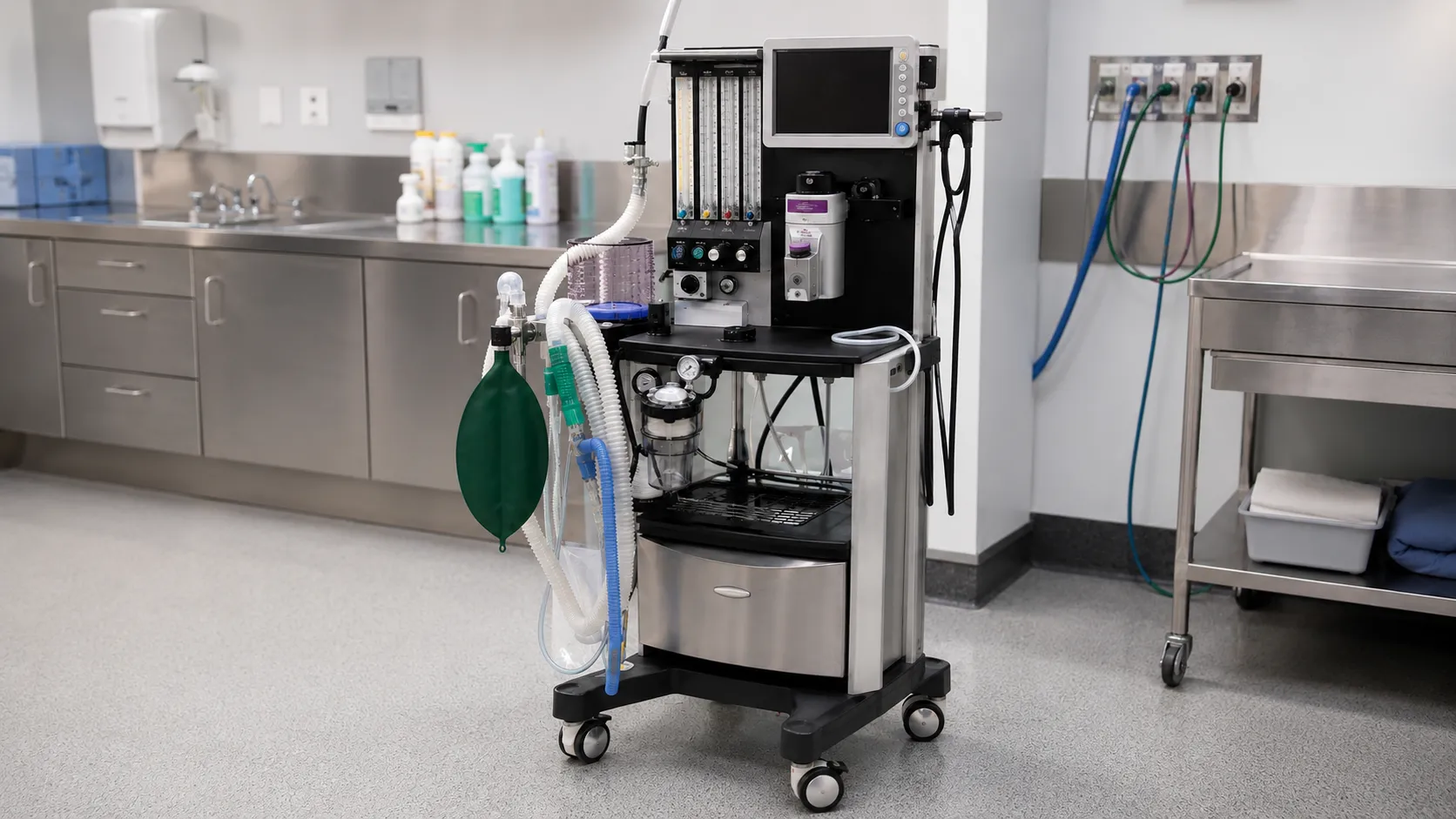
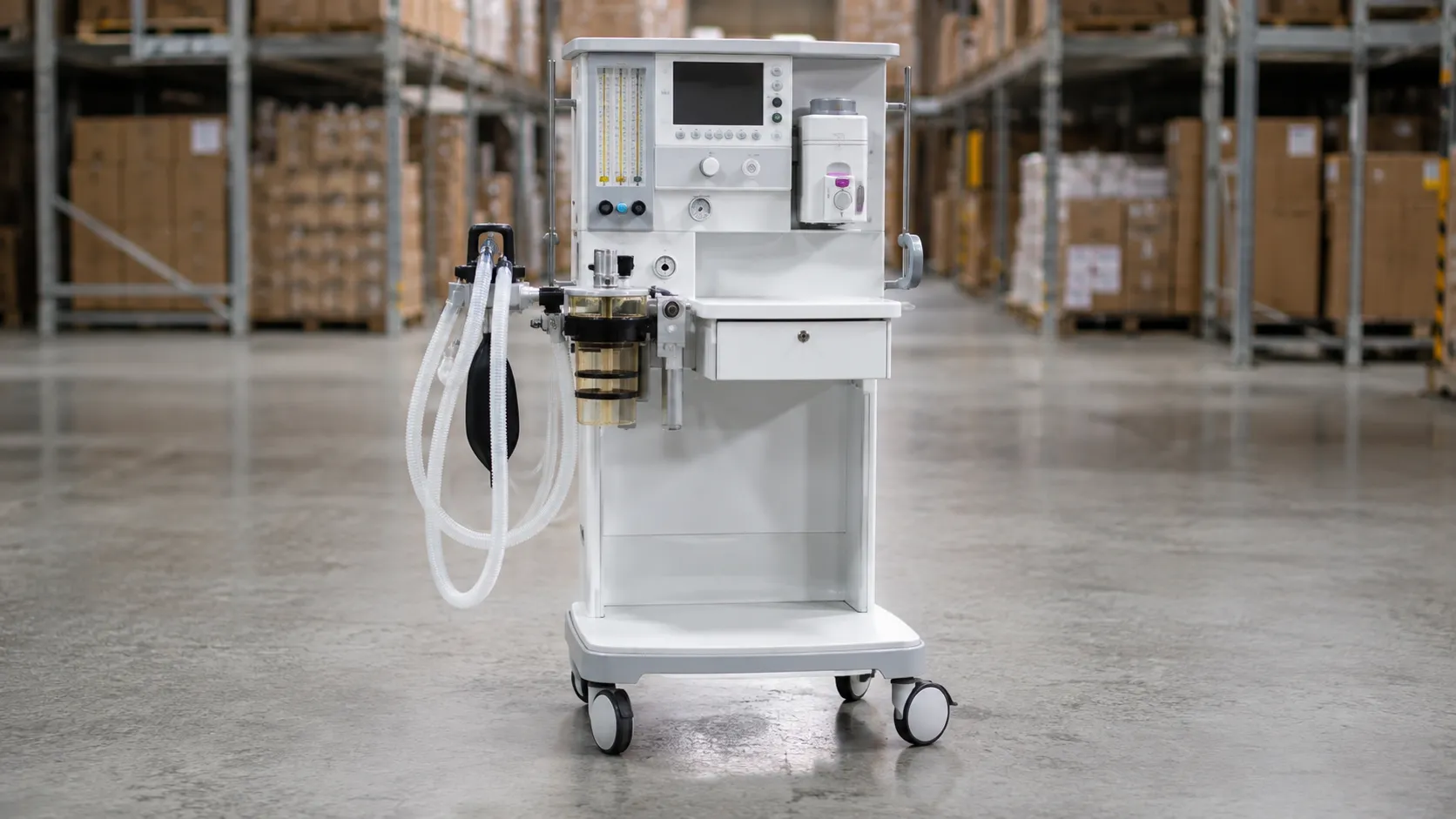
Anaesthesia machines — delivering anaesthetic gases.
-
Veterinary ventilators — supporting breathing.
-
Multiparameter monitors — tracking vital signs.
-
Capnographs — measuring exhaled carbon dioxide.
-
Pulse oximeters — checking oxygen levels.
Surgery
Operating on animals needs a properly equipped theatre. This area supports surgery. Operating on animals needs a properly equipped theatre, so this area is planned like any surgery.
-
Operating tables — positioning animals for surgery.
-
Surgical lights — clear light over the field.
-
Electrosurgery units — cutting and sealing tissue.
-
Surgical instrument sets — the tools for procedures.
-
Instrument trolleys — laying out instruments.
Diagnostic imaging
Seeing inside an animal guides diagnosis. This area covers imaging. Seeing inside an animal guides diagnosis, so imaging is a service many clinics build up.
-
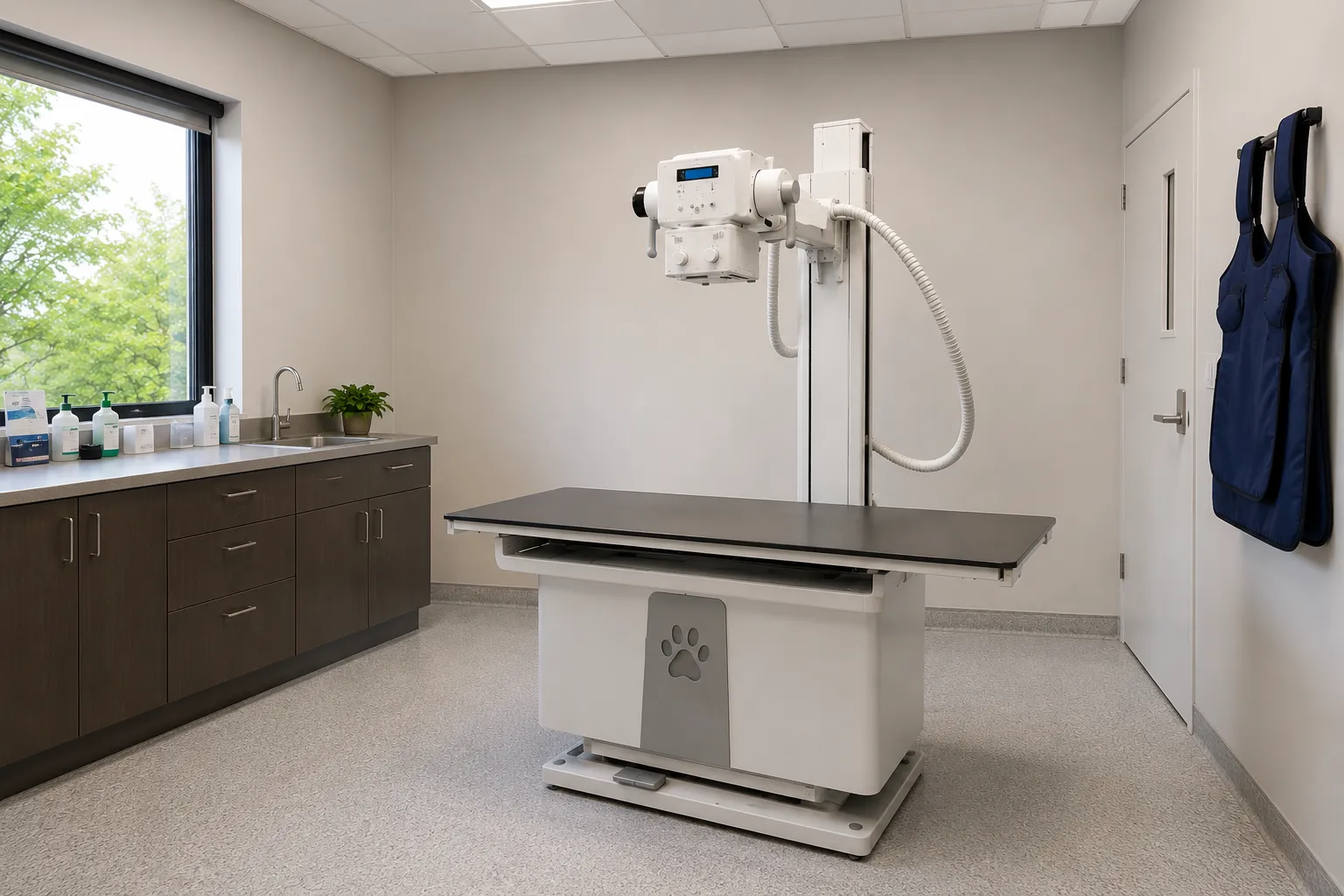
Veterinary X-ray systems — imaging bone and chest.
-
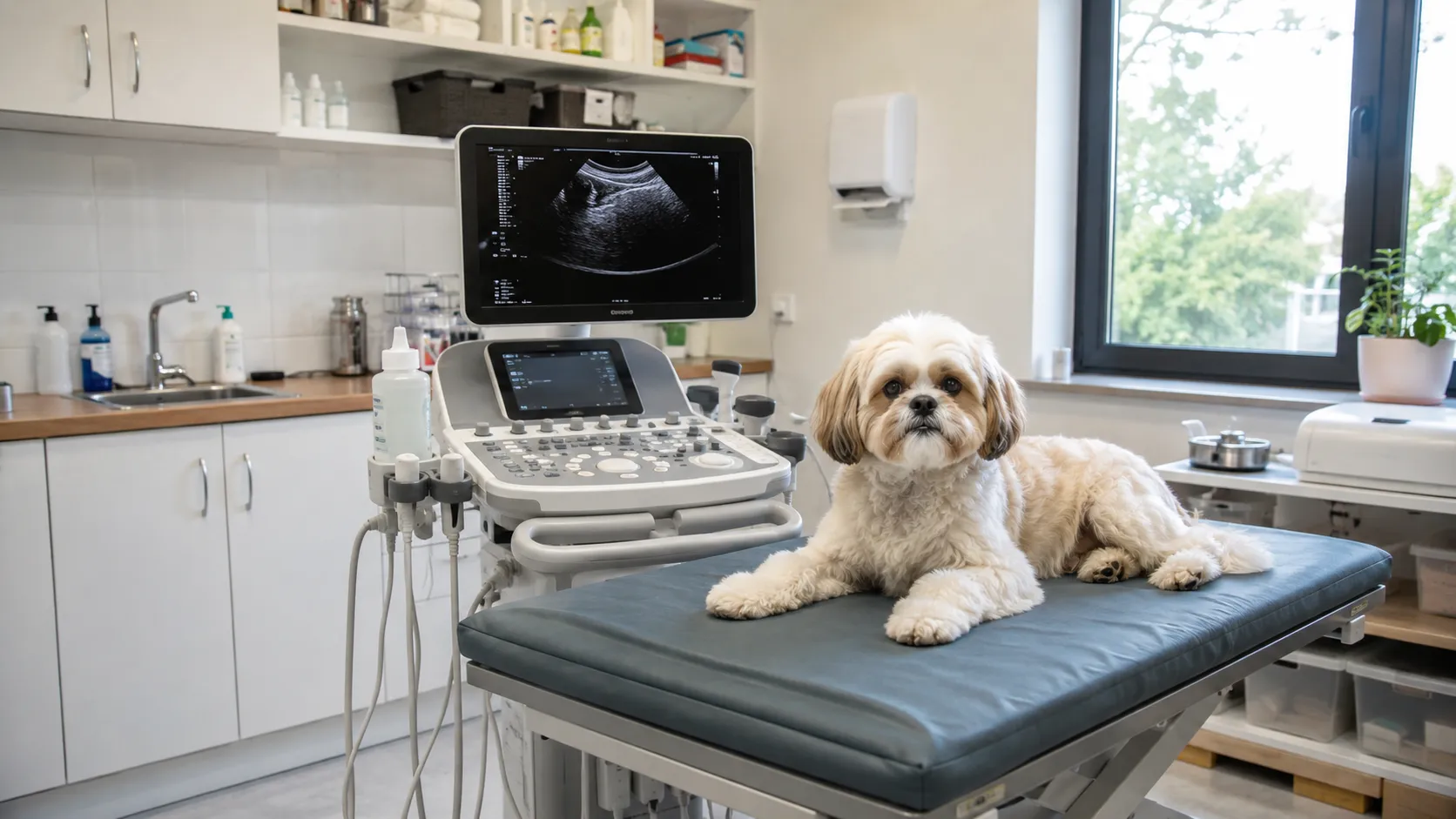
Ultrasound scanners — real-time soft-tissue imaging.
-
Dental X-ray units — imaging teeth and jaws.
-
Endoscopes — viewing internal passages.
-
Image viewers — displaying and reviewing images.
Laboratory and diagnostics
In-house testing speeds decisions. This area equips the practice laboratory. In-house testing speeds decisions, so the practice laboratory earns its bench space.
-
Chemistry analysers — measuring blood chemistry.
-
Haematology analysers — analysing blood counts.
-
Microscopes — examining samples.
-
Centrifuges — preparing samples.
-
Refractometers — measuring fluid concentration.
Dental
Dental care is a growing part of practice. This area supports veterinary dentistry. Dental care is a growing part of practice, so this area is increasingly worth equipping well.
-
Dental units — powering dental procedures.
-
Ultrasonic scalers — removing dental deposits.
-
Dental handpieces — drilling and polishing.
-
Polishing units — finishing after scaling.
-
Dental radiography — imaging individual teeth.
Housing and recovery
Animals need safe housing before and after care. This area supports recovery. Animals need safe housing before and after care, so recovery is planned as carefully as treatment.
-
Cages and kennels — housing animals securely.
-
Recovery incubators — warming and observing patients.
-
Isolation units — separating infectious cases.
-
Bedding systems — comfortable, cleanable bedding.
-
Warming pads — keeping recovering animals warm.
Fluid and critical care
Unwell animals need fluids and support. This area covers critical care. Unwell animals need fluids and support, so critical-care equipment is kept ready.
-
Fluid pumps — delivering fluids at a set rate.
-
Syringe drivers — giving precise drug doses.
-
Oxygen concentrators — supplying oxygen.
-
Warming devices — maintaining body temperature.
-
Emergency kits — drugs and equipment to hand.
Handling and grooming
Safe handling protects animals and staff. This area supports handling. Safe handling protects animals and staff, so this area is chosen for the range of patients seen.
-
Clippers — clipping fur for procedures.
-
Grooming tables — a stable surface for handling.
-
Restraint equipment — holding animals safely.
-
Muzzles — protecting staff during handling.
-
Lifting aids — moving larger animals.
Sterilisation and support
Behind clinical care sits cleaning and storage. This area keeps the clinic safe. Behind clinical care sits cleaning and storage, so this quiet area keeps the whole clinic safe.
-
Autoclaves — sterilising instruments.
-
Instrument washers — cleaning before sterilisation.
-
Refrigerators — storing medicines and vaccines.
-
Waste systems — segregating clinical waste.
-
PPE supplies — protecting staff.
Equipping a full-service clinic
A full-service veterinary clinic is best equipped service by service, so examination, anaesthesia, surgery, imaging, laboratory and dental care each have what they need to run well. Because so many services share space and support, the equipment is planned together, matching the workload the practice actually sees. Practices frequently compare veterinary equipment suppliers on Medigear.uk when equipping a new service.
Reliability and servicing matter a great deal in a clinic where one room often serves several purposes, since a breakdown can stall more than one service at once. Planning maintenance and sensible backup keeps a busy practice running smoothly. Phasing purchases around the services a clinic most wants to grow keeps the build manageable.
Before you order
-
Services. Match equipment to the services offered.
-
Workload. Size equipment to the caseload.
-
Shared space. Plan rooms that serve several purposes.
-
Servicing. Arrange maintenance and support.
-
Safety. Confirm safe handling and sterilisation.
One clinic, many species
A full-service clinic often cares for a real range of animals, from small pets to larger patients, and its equipment has to flex to suit. Choosing tables, restraint, imaging and handling equipment that copes with that range keeps the whole practice versatile, which is part of what makes a clinic genuinely full-service rather than limited to the routine.
Growing the service over time
Few clinics buy every service at once, so it helps to plan the equipment in the order the practice intends to grow, adding surgery, imaging, or dentistry as demand builds. Sequencing purchases this way lets a clinic broaden what it offers steadily, without stretching itself before the work is there to support it.
Support and training
A clinic full of capable equipment still depends on a team that knows how to use it, so training belongs alongside the purchase. Bringing staff up to speed on anaesthesia, imaging and dental equipment as it arrives means each new service is genuinely ready to run, not just installed and waiting for someone to learn it. Many teams see how veterinary buyers equip a practice through Medigear.uk as they build up each service. A short handover as equipment lands is usually all it takes to keep a service moving from day one.
Servicing and safety
Veterinary equipment carries clinical care, so maintenance, safety checks and staff training keep it dependable, with anaesthesia and monitoring equipment checked with particular care. The practice should also receive the MHRA's device safety alerts and recalls, since much veterinary equipment shares the safety expectations of its human-healthcare equivalents.
The clinic in short
A full-service veterinary clinic works because each of its services is properly equipped and dependable. Grouping the fifty items by the service they support, equipping around the real caseload,d and planning services turns a broad list into a versatile, well-run practice. Chosen this way, veterinary equipment lets a clinic care for its patients across the full range of what it offers. Chosen around the caseload and kept well maintained, that equipment is what makes a clinic truly full-service. It is that versatility, in the end, that owners and their animals feel the benefit of. Manufacturers of veterinary equipment can also reach veterinary buyers for your equipment via Medigear.uk.
Everything here is general procurement guidance for veterinary practices and not clinical advice; manufacturer instructions and professional judgement always come first.