Cardiac emergencies require immediate action, accurate monitoring, and dependable emergency equipment. Among the most important innovations in modern cardiac care is the biphasic defibrillator. These systems have become widely used across hospitals, ambulances, emergency response teams, and intensive care units because they provide more controlled energy delivery during life-threatening heart rhythm disturbances.
Compared with older defibrillation technology, biphasic systems are designed to improve shock efficiency while reducing the energy required for effective cardiac intervention. As a result, healthcare facilities increasingly prefer biphasic defibrillators when upgrading emergency care infrastructure and cardiac response systems.
Healthcare providers planning cardiac emergency equipment upgrades often coordinate procurement discussions through Medigear Healthcare Buyers Network when evaluating advanced defibrillation technology.
What Makes a Biphasic Defibrillator Different?
The key difference lies in how electrical energy is delivered to the heart.
Two-Directional Energy Flow – Biphasic defibrillators deliver electrical current in two phases, meaning the shock changes direction during delivery. This approach helps improve shock efficiency during emergency cardiac intervention.
Lower Energy Requirements – Because energy delivery is more controlled, biphasic systems often achieve effective defibrillation at lower energy levels than older technologies.
Improved Emergency Response Performance – Controlled waveform delivery helps support faster rhythm correction during critical situations.
This technology has become a standard feature in many modern hospital and emergency response defibrillators.
Biphasic Technology Improved Upon Earlier Monophasic Systems
Older defibrillators primarily used monophasic waveforms.
Single-Direction Energy Delivery in Older Systems – Monophasic defibrillators delivered electrical current in only one direction across the heart.
Higher Energy Output Requirements – These systems generally require stronger shock levels during emergency treatment.
Transition Toward Modern Biphasic Systems – Hospitals increasingly adopted biphasic technology to improve efficiency and reduce overall energy exposure.
Many healthcare facilities modernising emergency cardiac infrastructure now prioritise biphasic systems during equipment replacement planning.
Hospitals evaluating cardiac care equipment often review the broader infrastructure discussions in "How Defibrillators Save Lives" because waveform technology directly influences the effectiveness of emergency response.
Biphasic Defibrillators Are Common Across Multiple Healthcare Environments
These systems are widely used throughout healthcare facilities and emergency care networks.
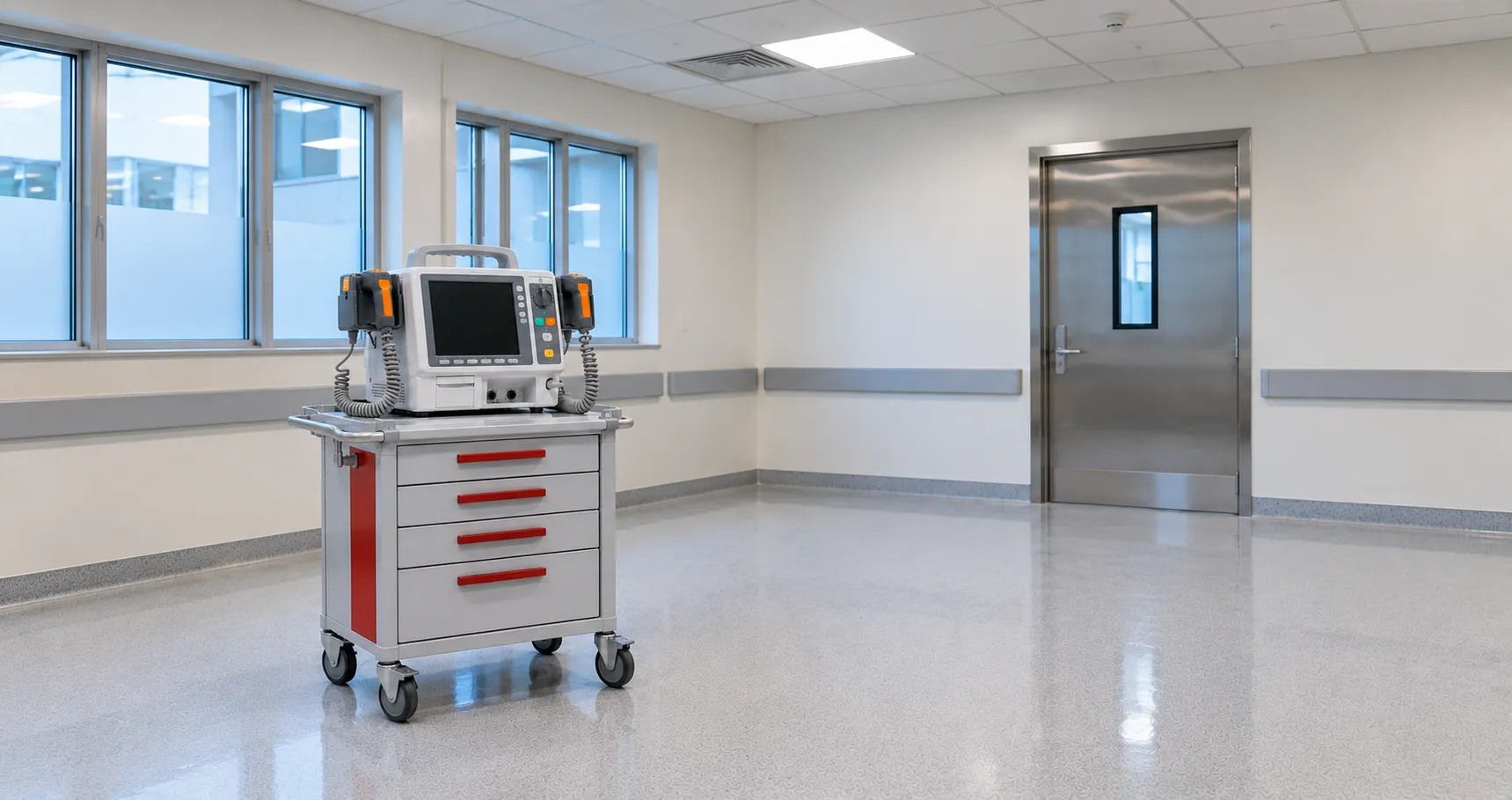
Emergency Departments and ICUs – Critical care environments rely heavily on biphasic defibrillators for rapid cardiac intervention.
Ambulance and Transport Systems – Portable biphasic defibrillators support emergency response teams during patient transport situations.
Operating Rooms and Cardiac Units – Surgical and cardiovascular care environments often maintain dedicated defibrillation systems to ensure immediate emergency readiness.
Portable emergency technologies continue to grow in importance across healthcare workflows where mobility and rapid access matter most.
Modern Biphasic Defibrillators Include Advanced Monitoring Features
Defibrillators now provide much more than emergency shock capability.
Integrated ECG Monitoring – Healthcare professionals can continuously monitor cardiac rhythms directly through the device.
Pacing Support Functions – Some systems support temporary pacing for patients experiencing dangerously slow heart rhythms.
Automated Event Documentation – Digital recording features help capture emergency response information for later review and documentation.
Healthcare suppliers supporting emergency equipment distribution frequently collaborate through Medigear Medical Supplier Solutions to improve access to advanced cardiac care systems.
Biphasic AEDs Expanded Public Emergency Preparedness
Automated External Defibrillators (AEDs) increasingly use biphasic waveform technology.
Simplified Public Emergency Use – Biphasic AEDs guide responders through emergency intervention with automated instructions.
Compact Portable Design – Public-access AEDs are now commonly placed in airports, schools, offices, gyms, and sports facilities.
Improved Emergency Accessibility – Wider deployments support faster cardiac response outside traditional hospital settings.
Public-access emergency equipment continues playing a larger role in community healthcare preparedness strategies.
Smart Connectivity Is Influencing Defibrillator Technology
Healthcare infrastructure is becoming increasingly connected.
Wireless Data Integration – Some biphasic defibrillators can transmit patient rhythm information directly into healthcare networks.
Centralised Emergency Monitoring – Connected systems improve coordination between emergency departments and critical care teams.
Automated Maintenance Notifications – Smart devices may generate service alerts for battery replacement, pad expiration, or routine testing requirements.
Healthcare facilities strengthening connected hospital infrastructure often review digital healthcare discussions in the Latest Innovations in Medical Imaging Technology, as interoperability is becoming increasingly important across healthcare technology ecosystems.
Maintenance and Operational Readiness Remain Essential
Emergency cardiac equipment must remain fully operational at all times.
Routine Battery Testing – Reliable power availability is critical during emergency response situations.
Pad and Cable Inspections – Defibrillator accessories require regular replacement and operational checks.
Scheduled System Testing – Hospitals perform preventive maintenance routines to verify the performance of monitoring and shock delivery.
Healthcare organisations that are improving medical equipment servicing programs often consult Essential Maintenance Tips for Imaging Equipment for operational guidance, as preventive maintenance strategies apply broadly across healthcare equipment systems.
What Hospitals Should Consider Before Purchasing Biphasic Defibrillators
Healthcare procurement teams evaluate multiple operational factors before investing in cardiac emergency systems.
Ease of Emergency Use – Fast, intuitive controls are critical in high-pressure situations.
Portability Requirements – Facilities often require both mobile and stationary emergency response devices.
Integration with Monitoring Systems – Compatibility with hospital monitoring infrastructure improves workflow coordination.
Long-Term Service Support – Reliable maintenance and technical support remain essential for emergency equipment management.
Healthcare technology providers that introduce advanced cardiac care systems to hospitals frequently use the Medigear Healthcare Advertising Platform to improve visibility among healthcare buyers and administrators.
Healthcare organisations planning long-term emergency response infrastructure often engage through Medigear Strategic Healthcare Partnerships for collaborative healthcare technology planning and operational coordination.
For biphasic defibrillator procurement support, cardiac emergency equipment guidance, or healthcare infrastructure planning assistance, providers can contact Medigear Contact Services for further coordination.
Disclaimer
Medigear.uk is a medical equipment supplier and distributor. We do not provide medical advice, diagnosis, or treatment recommendations. All information is for educational and product awareness purposes only. Qualified medical professionals should always make healthcare decisions.