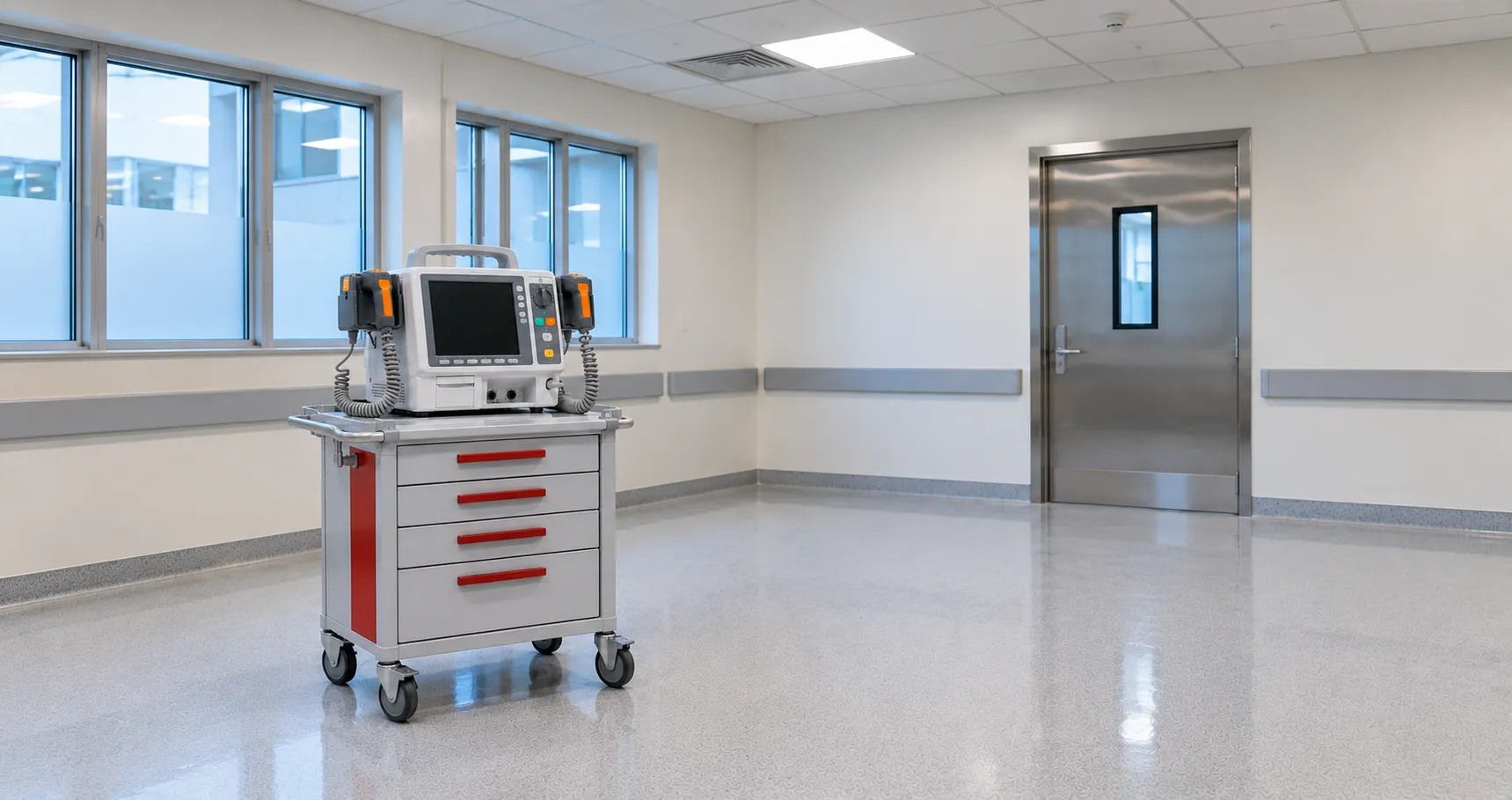
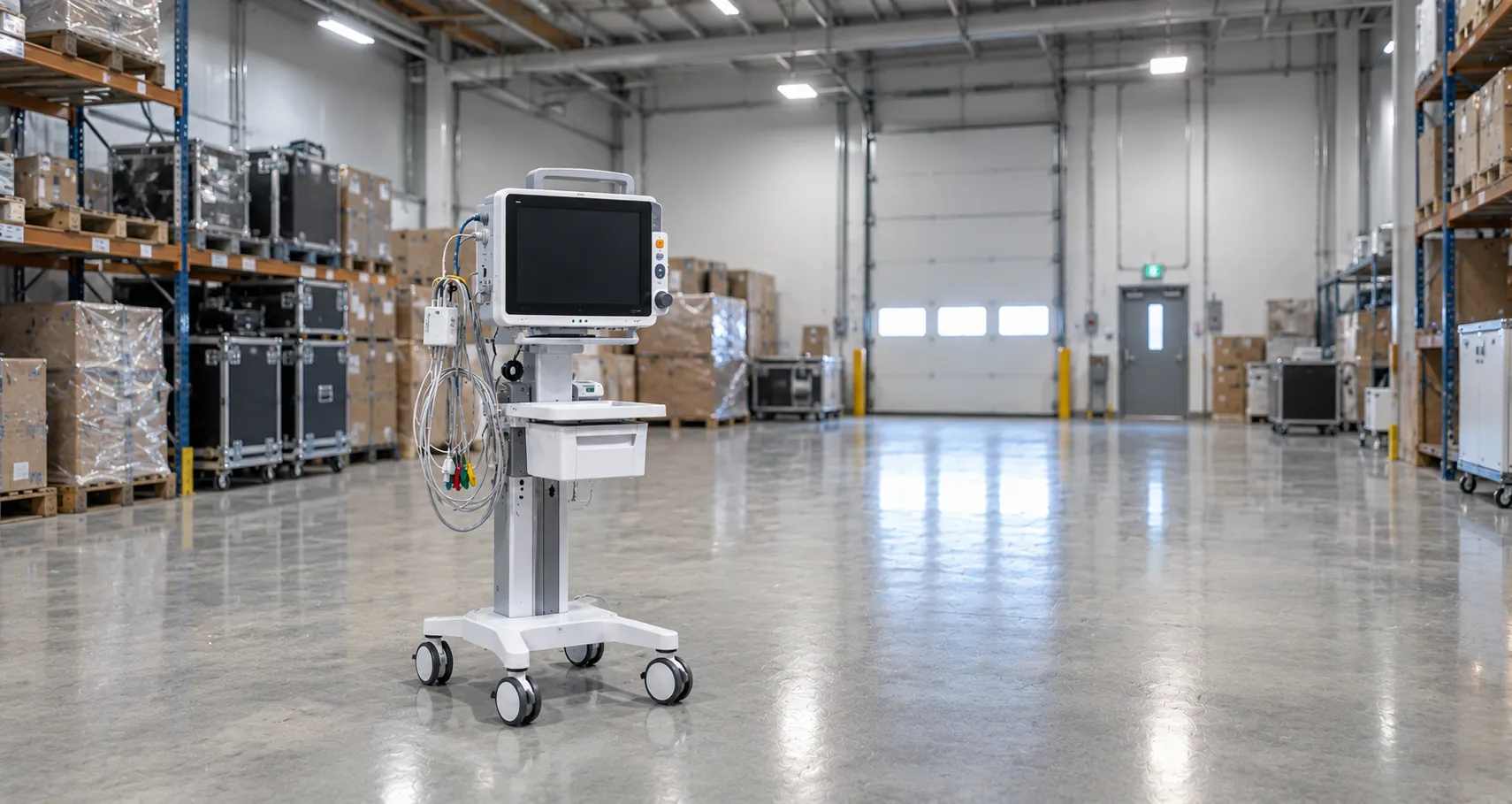
Emergency care teams often have only a few moments to evaluate a patient's condition and determine the next course of action. During those crucial periods, patient monitoring equipment provides a continuous stream of information that supports clinical decision-making, operational efficiency, and coordinated care delivery.
Emergency patient monitoring devices are designed to track vital physiological parameters in real time. Whether used in ambulances, emergency departments, urgent care facilities, or temporary medical response environments, these systems help healthcare professionals maintain visibility over changing patient conditions.
Why Continuous Monitoring Matters During Emergencies
A patient's status can change rapidly following trauma, respiratory compromise, cardiovascular events, or other acute conditions. Monitoring equipment helps healthcare teams quickly identify emerging concerns and maintain awareness throughout assessment and transport.
Supporting Early Detection of Clinical Changes – Continuous measurement of vital signs can reveal trends that may not be visible through periodic observation alone.
Providing Consistent Situational Awareness – Real-time monitoring enables multiple members of a care team to access critical physiological information in high-pressure situations.
Improving Care Coordination – Standardised monitoring data can facilitate smoother communication among emergency responders, receiving facilities, and clinical teams.
Enhancing Documentation Quality – Many modern monitoring systems automatically record data, supporting reporting requirements and workflow efficiency.
Monitoring Functions Commonly Found in Emergency Settings
Different environments require different monitoring capabilities. Equipment selection often depends on patient population, transport requirements, and clinical objectives.
Heart Rhythm Observation – Cardiac monitoring functions assist with continuous assessment of heart activity during emergency evaluation.
Blood Oxygen Tracking – Pulse oximetry helps healthcare teams monitor oxygen saturation levels and identify potential respiratory concerns.
Blood Pressure Measurement – Automated readings provide ongoing insight into circulatory status throughout patient transport and care.
Respiratory Monitoring – Tracking respiratory rate and breathing patterns contributes to broader patient assessment efforts.
Temperature Observation – Monitoring body temperature may support evaluation of infection, environmental exposure, or systemic conditions.
Choosing Equipment for Different Care Environments
Procurement decisions should be guided by practical workflow requirements rather than specification sheets alone.
Ambulance Operations – Portable, lightweight systems with reliable battery performance are often prioritised in settings where mobility is essential.
Emergency Departments – Facilities handling high patient volumes may prioritise scalability, interoperability, and centralised monitoring capabilities.
Temporary Medical Response Areas – Flexibility and rapid deployment can become primary considerations during surge capacity events.
Community Healthcare Services – Easy-to-use systems with straightforward training requirements may support broader accessibility.
If you're evaluating equipment options, you can explore procurement opportunities through the Medigear marketplace for healthcare equipment sourcing and buyer connections.
Practical Considerations Before Purchasing
Healthcare organisations frequently focus on performance metrics while overlooking operational realities.
Ease of Staff Training – Equipment should be intuitive enough to reduce onboarding complexity and support consistent use.
Battery Endurance – Extended runtime can be especially important for transport medicine and emergency response scenarios.
Data Integration Potential – Compatibility with existing information systems may simplify reporting and record management.
Durability in Demanding Environments – Emergency equipment often experiences frequent movement, cleaning, and transport-related stresses.
Future Expansion Opportunities – Systems capable of supporting additional monitoring modules may offer longer-term value.
Healthcare suppliers interested in expanding their visibility within the medical equipment sector can review Medigear's supplier network opportunities.
Operational Factors That Influence Monitoring Performance
Equipment effectiveness depends on more than technical specifications.
Proper Sensor Placement – Accurate readings rely heavily on correct application and positioning procedures.
Routine Calibration Practices – Scheduled verification helps maintain measurement consistency over time.
Environmental Awareness – Movement, vibration, lighting conditions, and environmental factors can influence monitoring reliability.
Staff Familiarity – Teams that regularly train with equipment are often better positioned to interpret data efficiently during emergencies.
If you're interested in related healthcare technology developments, Medigear's previous articles on home medical devices and remote patient monitoring offer useful context on how monitoring capabilities are evolving across care environments.
Maintenance Priorities for Long-Term Reliability
Monitoring devices frequently operate in demanding conditions. A structured maintenance program can help reduce downtime and extend equipment lifespan.
Scheduled Inspection Cycles – Regular visual checks may identify wear before operational issues develop.
Battery Health Management – Monitoring battery performance can prevent unexpected interruptions during use.
Cleaning and Infection Control Compliance – Proper cleaning procedures help preserve device integrity while supporting hygiene requirements.
Software Update Management – Keeping systems current may improve functionality, compatibility, and cybersecurity resilience.
Accessory Inventory Monitoring – Sensors, cables, and connectors often require replacement before the primary device reaches the end of life.
If you're exploring collaborative healthcare initiatives, please review Medigear's partnership opportunities to support industry engagement.
Emerging Developments Shaping the Monitoring Landscape
Healthcare monitoring technology continues to evolve in response to operational demands and digital transformation initiatives.
Growing Interest in Wireless Connectivity – Cable-reduction strategies are helping to improve mobility and workflow flexibility.
Increased Data Integration – Monitoring systems are becoming more closely connected with broader healthcare information ecosystems.
Remote Visibility Capabilities – Some environments now support observation beyond the immediate bedside or transport setting.
Compact Equipment Designs – Manufacturers continue to pursue smaller footprints without sacrificing essential monitoring functionality.
Enhanced Analytics Tools – Advanced software capabilities are expanding how monitoring data is visualised and reviewed.
If you're looking to promote your services, solutions, or industry expertise, Medigear offers advertising opportunities in healthcare.
Buyer Insights
Before investing in emergency patient monitoring devices, procurement teams should consider:
-
Intended clinical environment
-
Required monitoring parameters
-
Expected transport requirements
-
Staff training needs
-
Maintenance support availability
-
Connectivity requirements
-
Device scalability
-
Total ownership costs
-
Service and support expectations
-
Regulatory compliance considerations
Careful evaluation of operational requirements often produces better long-term outcomes than selecting equipment solely based on feature lists.
For additional guidance on equipment sourcing, marketplace participation, or healthcare procurement, readers can contact the Medigear team.
Disclaimer
Medigear.uk is a medical equipment supplier and distributor. We do not provide medical advice, diagnosis, or treatment recommendations. All information is for educational and product awareness purposes only. Qualified medical professionals should always make healthcare decisions.