Healthcare organisations depend on reliable equipment vendors to support patient care, operational efficiency, technology adoption, and long-term procurement success. While equipment specifications and pricing are important, the quality of the relationship between healthcare providers and vendors often significantly impacts overall procurement outcomes.
Long-term vendor relationships can improve communication, strengthen supply chain reliability, enhance technical support, and create opportunities for strategic collaboration. As healthcare systems become increasingly complex, many organisations recognise that successful procurement depends on strong partnerships rather than individual transactions.
For healthcare facility procurement decision-makers, vendor relationships are becoming an important component of long-term healthcare technology planning and operational management.
Healthcare organisations frequently involve healthcare facility buyers' service decision-makers when evaluating vendor performance, procurement strategies, and supplier relationship management programmes.
What Defines a Strong Equipment Vendor Relationship?
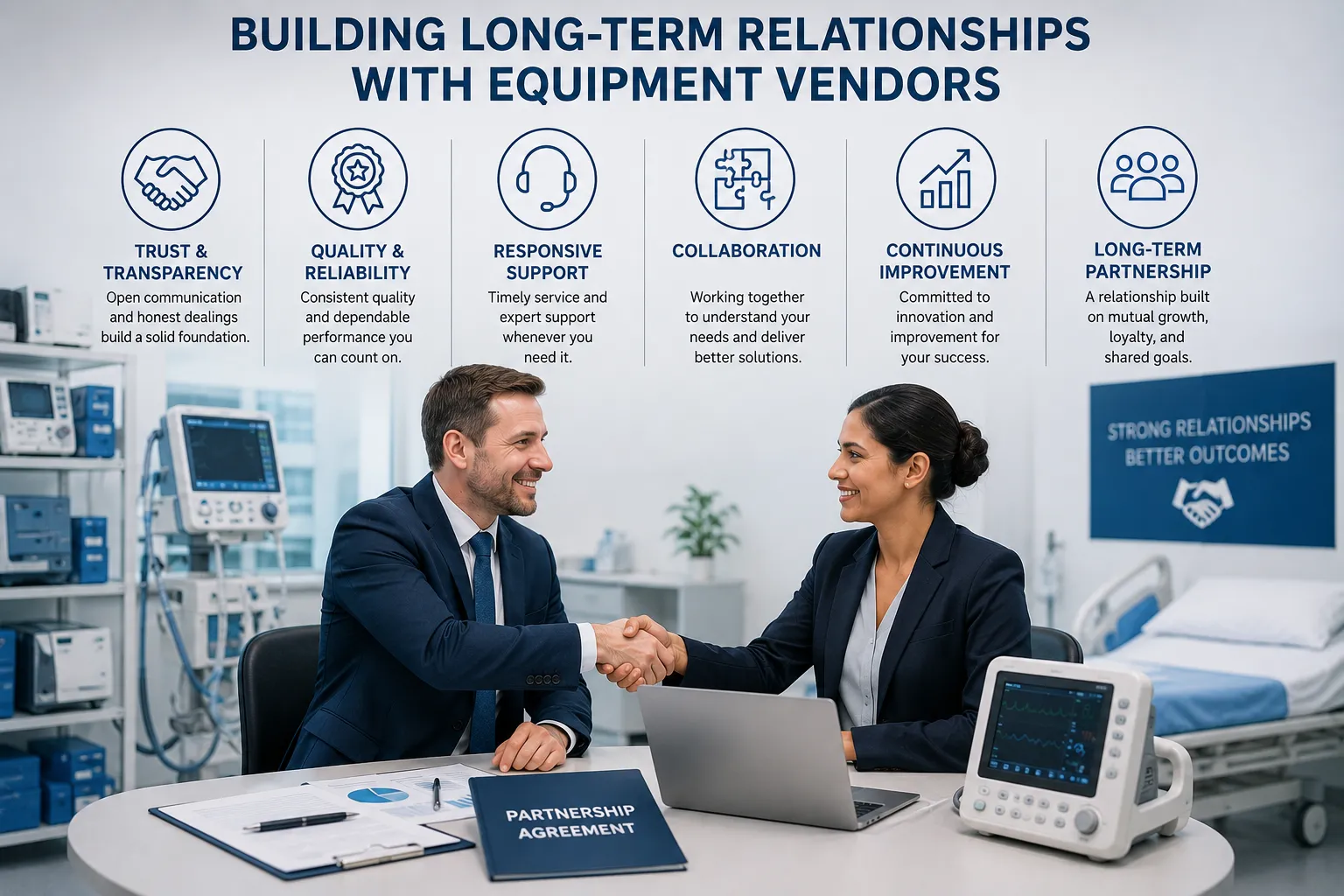
A strong vendor relationship is built on trust, communication, reliability, and shared objectives.
Consistent Performance- Reliable vendors consistently deliver products, services, and support in line with agreed expectations.
Transparent Communication- Open communication helps both parties address challenges, share information, and coordinate activities effectively.
Long-Term Commitment- Successful partnerships are often based on mutual commitment to long-term collaboration rather than short-term transactions.
Shared Goals- Healthcare providers and vendors frequently work together to support operational efficiency, patient care objectives, and technology performance.
Strong relationships often create value that extends far beyond equipment procurement.
Procurement Efficiency Improves Through Long-Term Partnerships
Vendor relationships can significantly improve procurement processes.
Faster Procurement Cycles- Established relationships often streamline communication, approvals, and sourcing activities.
Better Understanding of Requirements- Vendors with long-term experience supporting a healthcare organisation often develop a deeper understanding of operational and clinical needs.
Improved Planning- Collaborative planning can help organisations prepare for future equipment requirements and procurement projects.
Reduced Procurement Risks- Trusted vendors often provide greater confidence regarding product quality, support availability, and delivery performance.
Healthcare facilities that source technologies through regulated, certified equipment business suppliers worldwide often benefit from stronger procurement support and broader access to technology.
Reliable Supply Chains Depend on Strong Vendor Relationships
Healthcare organisations require dependable access to medical equipment, spare parts, and technical support.
Improved Product Availability- Strong vendor relationships can help healthcare providers access products more efficiently during periods of high demand.
Better Inventory Management- Vendors often assist healthcare organisations with inventory planning and supply forecasting.
Reduced Supply Chain Disruptions- Established partnerships may improve resilience during market fluctuations and logistical challenges.
Enhanced Coordination- Close collaboration often improves communication regarding delivery schedules, product availability, and procurement priorities.
Reliable supply chains are increasingly viewed as a strategic advantage within healthcare operations.
Technical Support Creates Long-Term Value
Technical support capabilities frequently influence the success of healthcare technology investments.
Installation Assistance: Many vendors offer equipment deployment and implementation support.
Training Programmes: Healthcare professionals often benefit from structured training and education programmes provided by vendors.
Maintenance Coordination: Vendors may assist with servicing schedules, preventive maintenance planning, and technical support requirements.
Troubleshooting Resources- Access to technical expertise can help healthcare organisations resolve issues more efficiently.
Effective support services often strengthen long-term vendor relationships and improve equipment performance.
Vendor Performance Evaluation Supports Better Outcomes
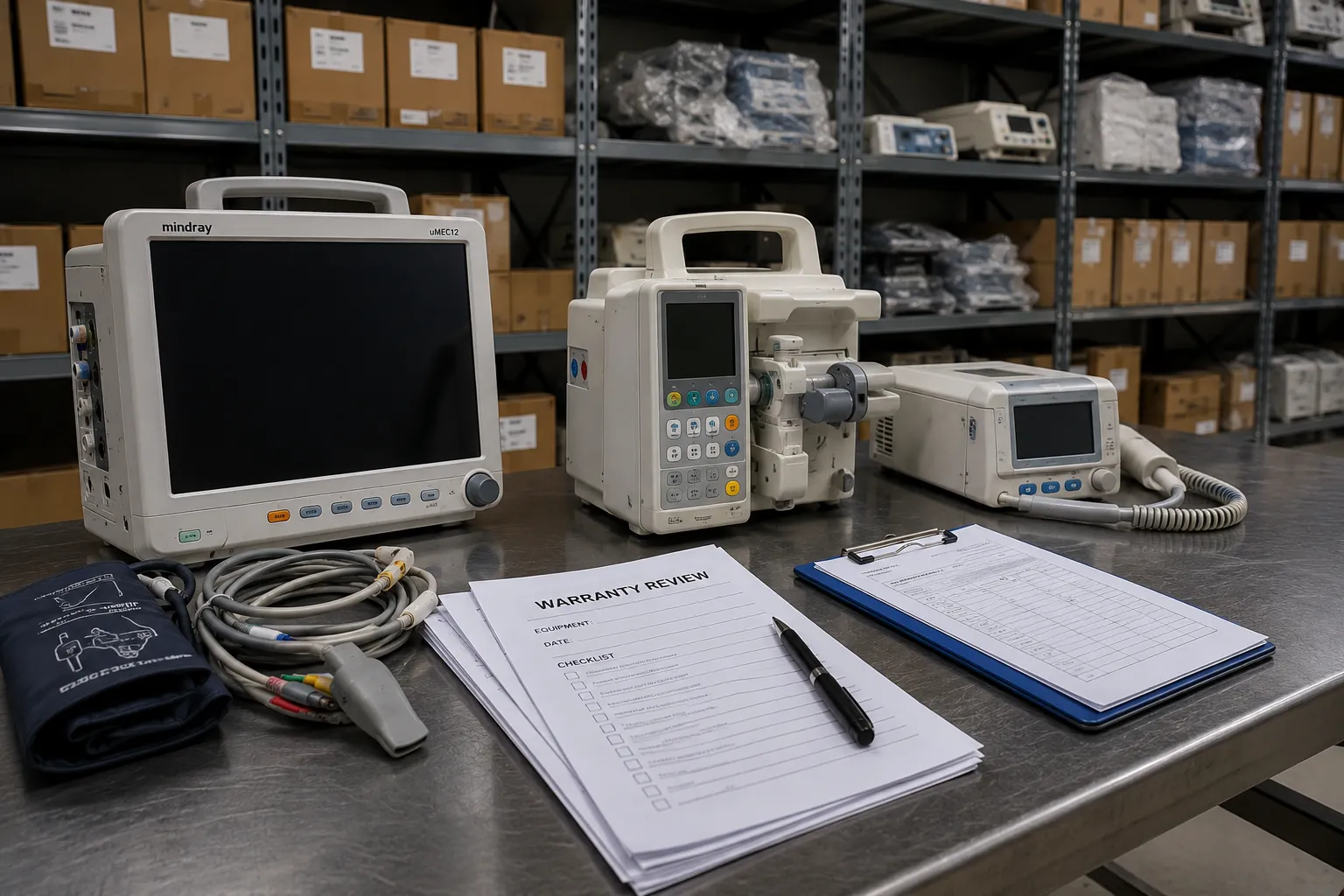
Healthcare organisations increasingly evaluate vendor performance as part of long-term procurement and supplier management strategies.
Service Responsiveness- A vendor's ability to respond quickly to requests, technical issues, and support requirements can significantly influence operational performance.
Product Quality Consistency- Consistent product quality helps healthcare organisations maintain confidence in procurement decisions and equipment reliability.
Delivery Performance- Reliable delivery schedules support procurement planning and reduce operational disruptions.
Support Effectiveness- Healthcare providers often assess the effectiveness of training, maintenance support, troubleshooting assistance, and lifecycle services.
Regular performance reviews help organisations identify opportunities to strengthen vendor relationships and improve procurement outcomes.
Lifecycle Management Benefits From Strong Vendor Collaboration
Healthcare technology management extends far beyond the initial purchase.
Maintenance Planning Support- Vendors often assist healthcare organisations in developing preventive maintenance programmes that support equipment reliability and operational continuity.
Upgrade Path Guidance- Technology evolves rapidly. Vendors can help organisations identify upgrade opportunities that extend equipment lifespan and maintain clinical relevance.
Spare Parts Access- Reliable access to replacement components supports equipment uptime and operational efficiency.
Replacement Planning- Long-term vendor relationships often improve visibility into future technology developments and replacement strategies.
Healthcare organisations that incorporate lifecycle planning into procurement strategies often achieve greater value from equipment investments.
Collaboration Drives Innovation and Continuous Improvement
Strong vendor relationships can support innovation across healthcare environments.
Technology Insights- Vendors often provide information regarding emerging technologies, healthcare trends, and product developments.
Operational Feedback- Healthcare providers can share feedback to help vendors improve their products and support services.
Pilot Projects and Evaluations- Long-term relationships may create opportunities to evaluate new technologies before broader deployment.
Strategic Healthcare Planning- Collaboration often supports long-term planning initiatives focused on operational improvement and technology advancement.
Healthcare organisations often review information from suppliers and manufacturers. business advertise to global healthcare buyers as they compare support programmes, service capabilities, and innovation initiatives.
Long-Term Partnerships Strengthen Procurement Strategies
Procurement success increasingly depends on strategic partnerships rather than transactional purchasing models.
Greater Procurement Stability- Established vendor relationships often improve consistency across sourcing activities and equipment standardisation efforts.
Improved Communication Channels- Direct communication pathways help organisations resolve challenges more efficiently.
Enhanced Resource Planning- Collaborative forecasting can support budgeting, inventory management, and equipment replacement planning.
Mutual Growth Opportunities- Both healthcare providers and vendors benefit from long-term collaboration focused on shared objectives.
Healthcare systems managing procurement across multiple facilities frequently benefit from establishing long-term medical equipment supply business partners that support technology planning, lifecycle management, logistics coordination, and operational efficiency.
Future Trends in Vendor Relationship Management
Several trends are expected to influence how healthcare organisations manage vendor relationships in the future.
Data-Driven Supplier Evaluation: Performance analytics will increasingly support supplier assessment and relationship management decisions.
Digital Procurement Platforms: Technology will continue to improve communication, transparency, and collaboration between healthcare providers and vendors.
Greater Focus on Sustainability: Healthcare organisations are expected to place greater emphasis on sustainability performance and environmental responsibility when evaluating vendors.
Expanded Lifecycle Services- Vendors will increasingly be expected to support maintenance, upgrades, asset management, and long-term equipment planning.
Strategic Collaboration Models- Future vendor relationships are likely to become more collaborative and focused on long-term value creation.
These developments are expected to strengthen the role vendor partnerships play in healthcare technology management.
Final Thoughts
Building long-term relationships with equipment vendors offers significant advantages for healthcare organisations. Strong vendor partnerships can improve procurement efficiency, strengthen supply chain reliability, enhance technical support, and support long-term technology planning.
For healthcare facility procurement decision-makers, successful vendor relationships often create value that extends well beyond individual procurement projects. Trust, communication, reliability, and shared objectives form the foundation of partnerships that support operational success and patient care outcomes.
As healthcare systems continue evolving, organisations that invest in strategic vendor relationships are likely to be better positioned to manage procurement challenges, access emerging technologies, and maximise the value of healthcare technology investments.
Disclaimer
Medigear.uk is a global medical equipment supplier, exporter, and distributor. The content published on this site is intended for educational and informational purposes only. Nothing on this page constitutes medical advice, clinical guidance, treatment recommendations, or procurement advice. All healthcare procurement and clinical decisions should be made by qualified medical professionals and authorised procurement teams operating within the regulatory frameworks of their respective countries.