Selecting a surgical table involves more than choosing between two product categories. Hospitals must evaluate how a table will support workflow efficiency, equipment utilisation, operational flexibility, maintenance planning, and long-term investment objectives.
Both electric and manual surgical tables remain widely used in healthcare facilities. Each option offers distinct advantages depending on procedural demands, budget considerations, infrastructure capabilities, and operational priorities.
This comparison guide explains the key differences healthcare buyers should understand before making a procurement decision.
Understanding the Two Table Categories
The primary difference lies in how positioning adjustments are performed.
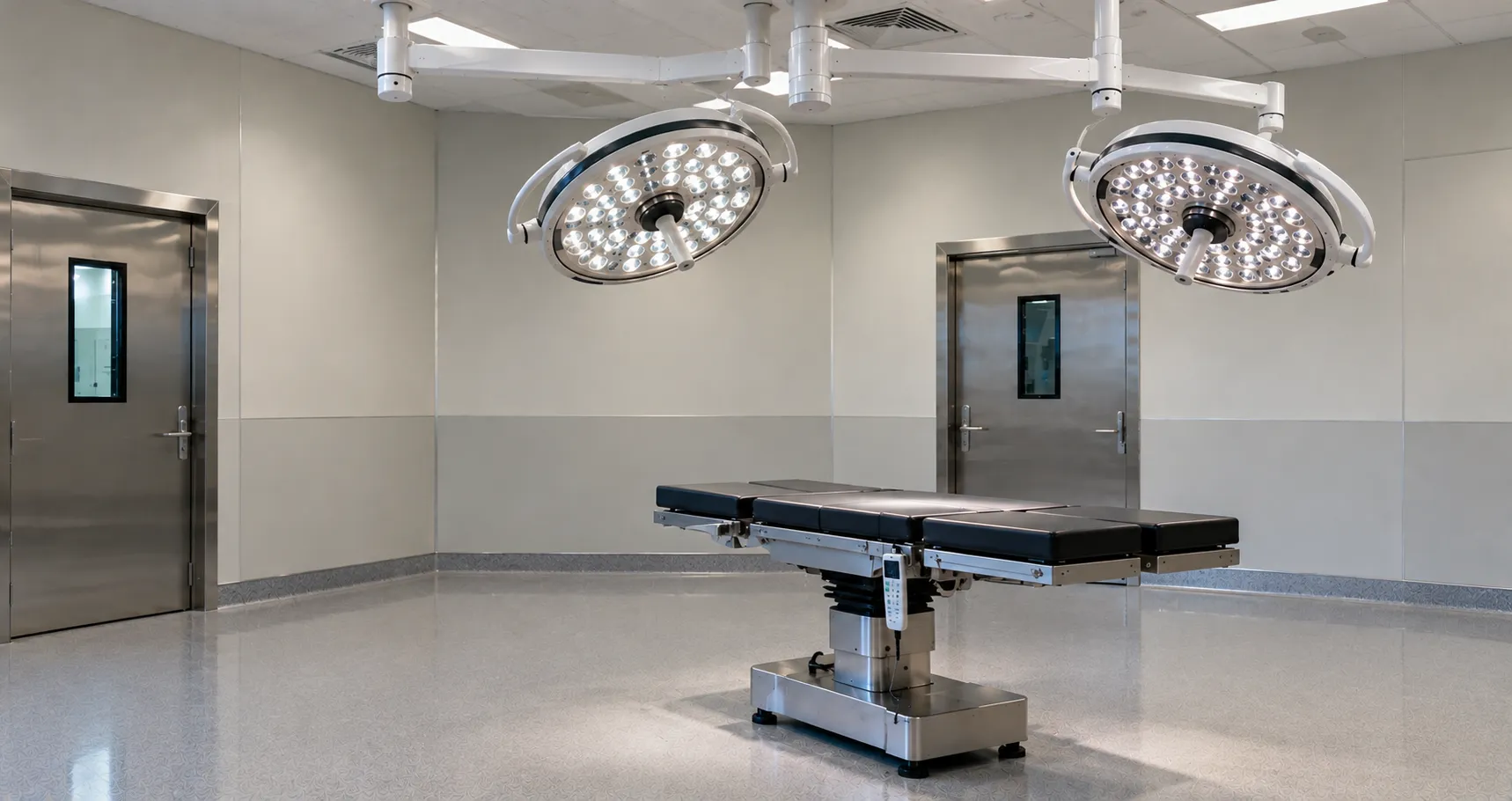
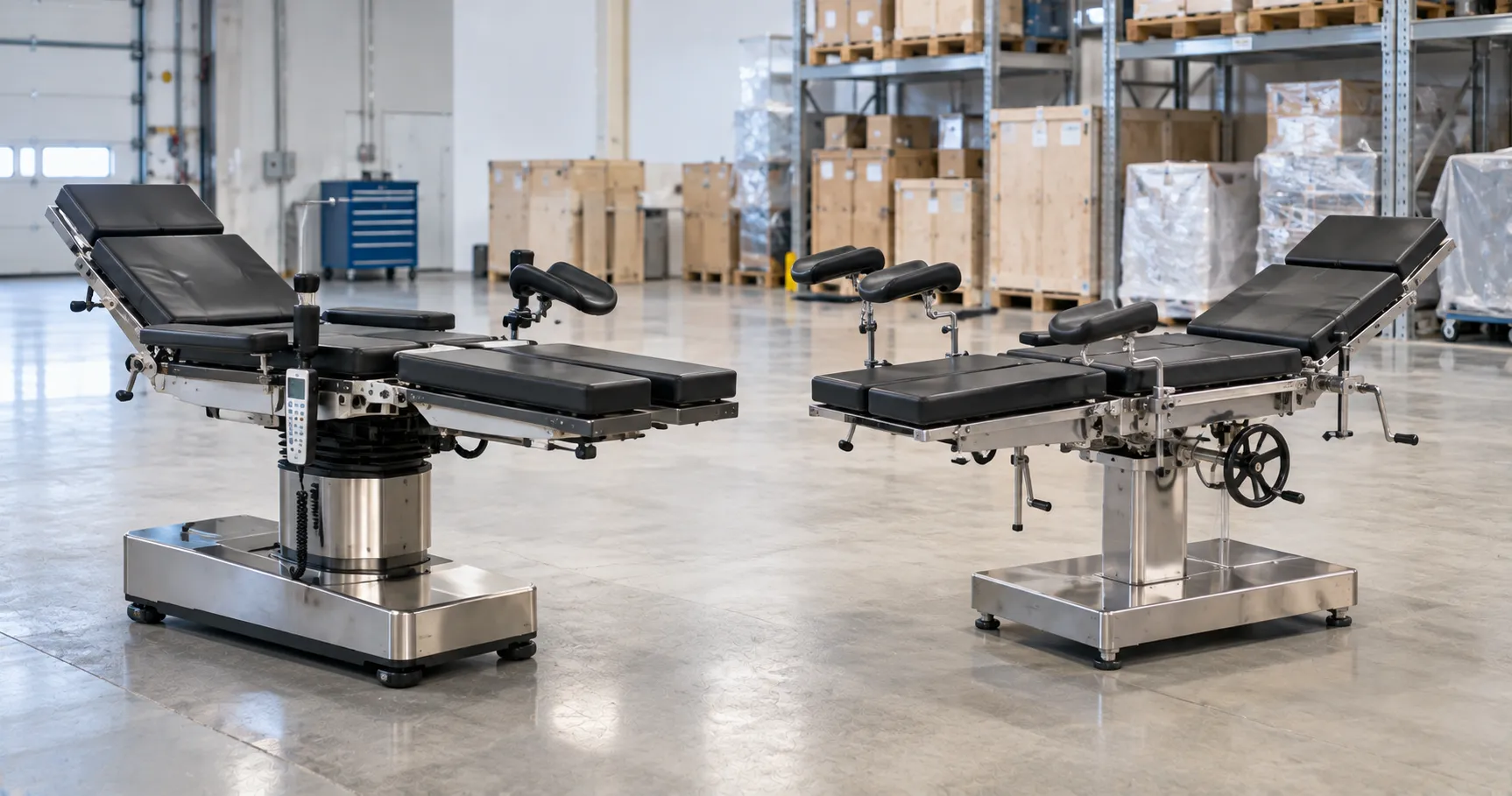
Electric Surgical Tables – Utilise powered systems to adjust positioning and support operational flexibility through automated controls.
Manual Surgical Tables – Rely on mechanical adjustment mechanisms that require manual operation by healthcare personnel.
While both types can support surgical environments, their suitability often depends on facility requirements and long-term operational goals.
Workflow Efficiency Comparison
Operating room efficiency is a major consideration for procurement teams.
Electric Tables and Workflow Optimisation – Position adjustments can typically be completed more quickly and with less physical effort, helping streamline operating room activities.
Manual Tables and Operational Simplicity – Mechanical systems may offer straightforward operation, but can require more time and staff involvement for adjustments.
Healthcare facilities with higher operating room utilisation often place greater emphasis on workflow efficiency during equipment evaluations.
Workflow Considerations Checklist
-
Frequency of positioning adjustments
-
Operating room utilisation levels
-
Staff workflow requirements
-
Room turnover expectations
-
Equipment accessibility needs
-
Multi-speciality operating room demands
-
Long-term operational objectives
-
Future growth plans
The importance of these factors varies between facilities.
Flexibility and Positioning Capabilities
Positioning adaptability often influences equipment utilisation rates.
Supporting Diverse Procedural Requirements – Electric tables generally offer a broader range of positioning options and smoother adjustment.
Managing Basic Operational Needs – Manual tables may effectively support facilities with less complex workflow demands.
Future-Proofing Operating Rooms – Flexible equipment can help healthcare organisations adapt to changing operational requirements.
Facilities planning for long-term growth often views positioning flexibility as a strategic investment.
Infrastructure and Facility Considerations
Infrastructure readiness should always be reviewed before procurement.
Electric Table Requirements – May require greater attention to facility infrastructure, utility planning, and installation considerations.
Manual Table Requirements – Often involve fewer infrastructure dependencies and can be easier to deploy in some environments.
If you're planning equipment investments, you can explore procurement resources on the Medigear.uk buyer platform at https://medigear.uk/business/buyers.
Comparing Long-Term Ownership Costs
Purchase price is only one component of total ownership costs.
Electric Surgical Tables
Supporting Operational Productivity – Enhanced functionality may improve workflows.
Potentially Higher Initial Investment – Advanced systems often involve greater acquisition costs.
Lifecycle Value Considerations – Long-term value should be assessed based on utilisation and operational benefits.
Manual Surgical Tables
Lower Acquisition Costs – Initial procurement budgets may be lower.
Simplified Mechanical Systems – Some facilities value reduced technological complexity.
Operational Limitations – Lower acquisition costs should be balanced against long-term operational requirements.
The most cost-effective option depends on how the equipment will be used throughout its lifecycle.
Buyer Insights: Questions to Ask Before Choosing
Rather than asking which table is universally better, procurement teams should focus on organisational needs.
How frequently will the operating room be used?
Does the facility anticipate future expansion?
Will multiple surgical disciplines use the equipment?
How important is workflow efficiency?
What are the organisation's long-term modernisation goals?
These questions often provide greater insight than technical comparisons alone.
If you're looking for sourcing opportunities or supplier engagement, please connect with industry participants at https://medigear.uk/business/suppliers.
Readers interested in related topics may also find value in Medigear.uk articles such as Surgical Table Buying Guide for Hospitals, Surgical Table Selection Criteria Explained, and Operating Room Equipment Cost Factors Explained.
Maintenance Planning Considerations
Maintenance requirements should be evaluated alongside procurement costs.
Electric Systems and Service Planning – Advanced functionality may require more structured maintenance programs.
Manual Systems and Mechanical Reliability – Simpler designs can offer straightforward servicing approaches.
Lifecycle Management Importance – Regardless of table type, maintenance planning remains essential for long-term performance.
Organisations should assess service expectations before finalising procurement decisions.
Staff Experience and Operational Practicality
Equipment usability affects everyday operations.
Reducing Physical Effort – Electric systems may support easier positioning adjustments.
Supporting Consistent Operations – Efficient adjustment mechanisms can contribute to workflow continuity.
Balancing Simplicity and Functionality – Facilities must determine which approach aligns best with operational priorities.
User experience is often an important but overlooked procurement consideration.
Which Option Is Better for Growing Hospitals?
Growing hospitals frequently prioritise scalability and adaptability.
Supporting Expansion Objectives – Flexible equipment can accommodate changing service requirements.
Aligning with modernisation initiatives: Future operating room strategies may influence equipment selection.
For long–term use, equipment should stay valuable as operational demands change.
For many organisations, future readiness becomes an increasingly important evaluation factor.
Industry Trends Affecting Surgical Table Procurement
Several healthcare trends are influencing purchasing decisions.
Operating Room Modernisation Projects – Facilities are increasingly evaluating equipment as part of broader transformation initiatives.
Lifecycle-Based Procurement Models – Long-term value is receiving greater attention.
Workflow Optimisation Priorities – Operational efficiency remains a key driver of investment.
Strategic Asset Management – Procurement decisions are becoming more data-informed and future-focused.
These trends encourage healthcare organisations to evaluate surgical tables as strategic assets rather than standalone purchases.
Healthcare organisations interested in collaborative industry opportunities can learn more through the Medigear.uk partnership platform at https://medigear.uk/business/partners.
For equipment planning assistance, procurement guidance, or operating room project support, healthcare professionals can contact Medigear.uk through https://medigear.uk/contact.
Disclaimer
Medigear.uk is a medical equipment supplier and distributor. We do not provide medical advice, diagnosis, or treatment recommendations. All information is for educational and product awareness purposes only. Qualified medical professionals should always make healthcare decisions.