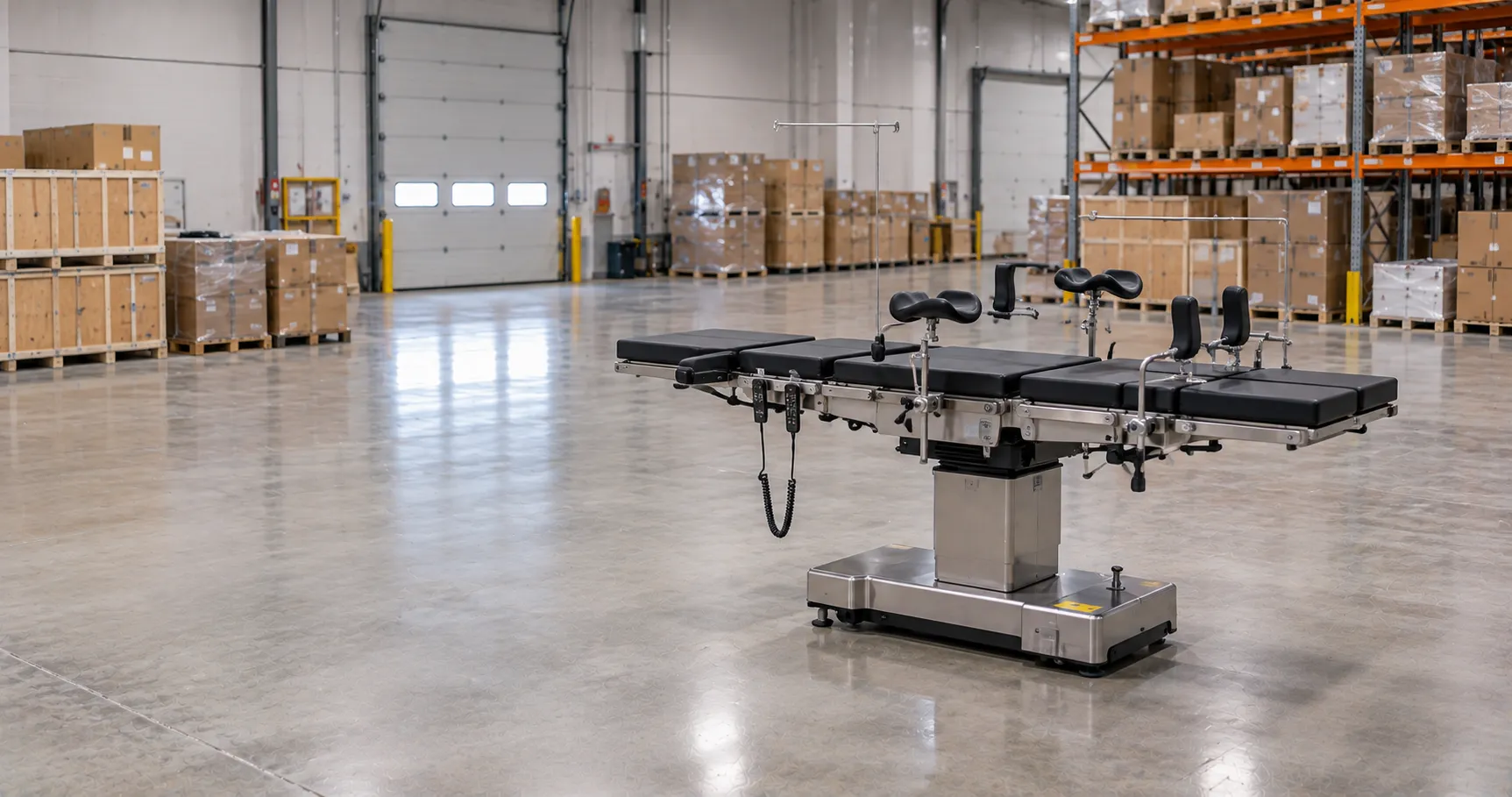
For many healthcare organisations, buying a surgical table is a major capital investment, not a routine equipment purchase. While purchase price often receives the most attention during procurement discussions, experienced healthcare buyers know that the true financial impact extends far beyond the initial transaction.
A comprehensive cost evaluation should consider installation requirements, maintenance obligations, operational efficiency, expected lifespan, utilisation rates, and future replacement planning. Viewing the full financial picture helps hospitals make more informed decisions and achieve better long-term value.
This guide examines the most important cost considerations healthcare buyers should evaluate before investing in surgical tables.
Looking Beyond the Purchase Price
A lower purchase price does not always translate into lower overall ownership costs. Likewise, a higher initial investment may deliver stronger value over time if the equipment supports operational efficiency and remains productive for many years.
Healthcare procurement teams increasingly focus on total ownership value rather than acquisition cost alone.
Understanding Long-Term Financial Impact – Equipment costs continue throughout the asset lifecycle.
Supporting Better Budget Decisions – Broader evaluations improve investment planning.
Reducing Unexpected Expenses – Comprehensive assessments help identify future financial obligations.
Improving Capital Allocation – Organisations can prioritise investments that deliver greater operational value.
A lifecycle perspective often provides a more accurate picture of equipment affordability.
Understanding Total Cost of Ownership
Total Cost of Ownership (TCO) is one of the most important concepts in healthcare equipment procurement.
TCO includes all costs associated with acquiring, operating, maintaining, and eventually replacing a surgical table.
Elements Commonly Included in Ownership Cost Evaluations
-
Equipment acquisition expenses
-
Installation-related costs
-
Maintenance planning requirements
-
Service and inspection activities
-
Operational support needs
-
Infrastructure considerations
-
Asset management expenses
-
Downtime-related impacts
-
Future upgrade planning
-
Equipment replacement budgeting
Evaluating these factors together helps organisations avoid incomplete financial assessments.
Installation Costs Should Be Included Early
Many procurement budgets focus primarily on equipment acquisition while underestimating implementation-related expenses.
Facility Preparation Activities – Installation projects may require operating room readiness assessments.
Infrastructure Reviews – Evaluate existing facilities for compatibility requirements.
Project Coordination Resources – Implementation often involves multiple departments.
Operational Scheduling Considerations – Installation activities may influence room availability.
Organisations that account for installation expenses early typically experience fewer budgeting surprises.
Healthcare facilities preparing to invest in equipment can access procurement resources through the Medigear.uk buyer platform at https://medigear.uk/business/buyers.
Maintenance Costs Influence Long-Term Value
Maintenance is one of the most significant ownership considerations over a surgical table's life.
Supporting Equipment Reliability – Routine servicing helps maintain performance.
Protecting Capital Investments – Maintenance can extend equipment lifespans.
Reducing Downtime Risks – Preventive planning often lowers disruption-related costs.
Improving Budget Predictability – Scheduled maintenance is easier to forecast than unexpected repairs.
Include maintenance planning in every cost evaluation framework.
Operational Efficiency Has Financial Value
Healthcare buyers sometimes overlook the relationship between equipment performance and operational economics.
Financial Impact Areas Often Linked to Equipment Performance
Operating Room Utilisation – Efficient equipment may support higher productivity.
Workflow Optimisation – Equipment can influence operational efficiency.
Resource Allocation – Workflow improvements may support better use of personnel and facilities.
Scheduling Consistency – Reliable equipment helps reduce operational disruptions.
These indirect financial effects can add up over an asset's life.
Buyer Insights: Questions That Strengthen Cost Evaluations
Before approving a procurement decision, healthcare leaders should ask several key questions.
What will this equipment cost over its entire lifecycle?
How will maintenance requirements affect annual budgets?
Will installation activities require additional resources?
How does equipment performance influence operational efficiency?
What replacement planning considerations should be anticipated?
These questions encourage a more strategic approach to budgeting and investment planning.
If you're evaluating sourcing opportunities or supplier relationships, you can connect with industry participants at https://medigear.uk/business/suppliers.
For additional procurement insights, readers may find value in Medigear.uk articles such as the Surgical Table Procurement Checklist, the Surgical Table Installation Planning Guide, and the Surgical Table Maintenance Requirements.
Utilisation Rates Affect Return on Investment
A surgical table's value often depends on how effectively it is used.
Supporting Higher Asset Productivity – Well-utilised equipment typically yields higher returns.
Improving Capital Efficiency – Greater utilisation spreads ownership costs across more operational activity.
Strengthening budget justification: Utilisation data supports investment decisions.
Enhancing Lifecycle Performance – Active use often improves value realisation.
Procurement decisions should align with expected utilisation patterns.
Replacement Planning Is Part of Cost Planning
Every healthcare asset eventually reaches the end of its operational lifecycle.
Organisations that plan for replacement early are often better positioned to manage future capital requirements.
Supporting Financial Forecasting – Long-term planning improves budgeting accuracy.
Reducing Capital Investment Surprises – Early preparation helps avoid emergency purchases.
Improving Asset Management – Lifecycle visibility strengthens decision-making.
Aligning Procurement Strategies – Future replacement needs can influence current purchasing decisions.
Incorporate replacement planning into broader financial strategies.
Standardisation Can Influence Equipment Costs
Healthcare systems operating multiple facilities often evaluate equipment standardisation as part of cost management initiatives.
Supporting Consistent Asset Management – Standardisation can simplify oversight.
Improving Maintenance Coordination – Similar equipment may streamline servicing activities.
Enhancing Procurement Governance – Standardised purchasing processes improve consistency.
Reducing Administrative Complexity – Fewer equipment variations may simplify management activities.
Evaluate cost benefits alongside operational objectives.
Avoiding Common Budgeting Mistakes
Several procurement mistakes can lead to inaccurate cost assessments.
Focusing Exclusively on Purchase Price – Ownership costs extend beyond acquisition.
Ignoring Maintenance Requirements – Service needs affect long-term budgets.
Overlooking Installation Expenses – Implementation costs should be included in planning.
Neglecting Lifecycle Evaluations – Replacement considerations matter.
Underestimating Operational Impact – Equipment performance can influence financial outcomes.
Avoiding these pitfalls supports stronger procurement decisions.
Industry Trends Reshaping Equipment Investment Decisions
Healthcare organisations are becoming more sophisticated in evaluating equipment costs.
Lifecycle-Based Procurement Models – Buyers increasingly prioritise long-term value.
Data-Driven Investment Planning – Financial decisions increasingly rely on operational metrics.
Asset Management Integration – Cost evaluations are becoming linked to lifecycle performance.
Strategic Capital Allocation – Healthcare leaders are emphasising investment sustainability.
These trends reflect a broader shift toward value-focused procurement.
Healthcare organisations interested in collaborative industry initiatives can learn more through the Medigear.uk partnership platform at https://medigear.uk/business/partners.
If you need equipment planning support, procurement guidance, or healthcare investment discussions, contact Medigear.uk at https://medigear.uk/contact.
Disclaimer
Medigear.uk is a medical equipment supplier and distributor. We do not provide medical advice, diagnosis, or treatment recommendations. All information is for educational and product awareness purposes only. Qualified medical professionals should always make healthcare decisions.**